Lake Victoria Is Where In Africa

BSC Insights Admin
October 09, 2026
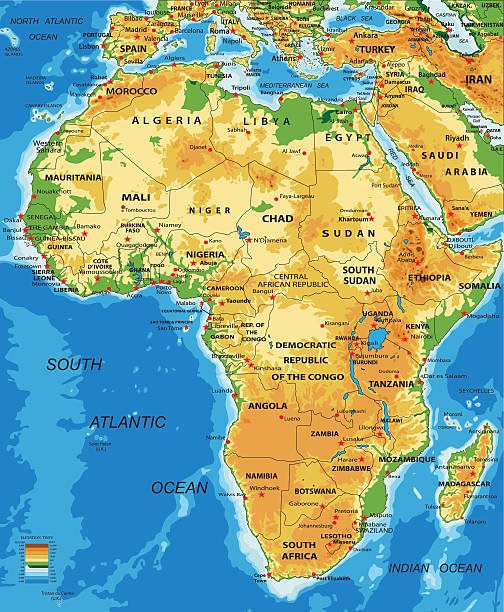
Lake Victoria, often referred to as Victoria Nyanza, is unequivocally located in East Africa. As the continent's largest freshwater lake by area and the world's second-largest, it sits majestically across the equatorial region, a vital geographical feature shared by three prominent East African nations: Uganda, Kenya, and Tanzania.
The Geographic Heartbeat of East Africa: Pinpointing Lake Victoria's Location
To precisely answer where Lake Victoria is in Africa, one must look towards the heart of the continent's eastern flank. It is nestled within a shallow depression of the African plateau, specifically in the western part of the Great Rift Valley system, though it is not technically part of the Rift Valley itself but rather a basin between its eastern and western branches. This prime location makes it a crucial hub for biodiversity, climate regulation, and human livelihoods across the region.
Geographically, Lake Victoria spans approximately between 0°30' North and 3°00' South latitudes and 31°30' and 34°45' East longitudes. Its vast expanse means it influences a significant portion of the region's climate patterns, including rainfall and local temperatures, affecting agricultural cycles and human settlements far beyond its immediate shores. Understanding Lake Victoria's geography is key to appreciating its role on the continent.
The Three Nations Sharing Lake Victoria's Shores
Lake Victoria is a shared natural resource, with its vast waters and coastline divided among three sovereign states. These nations each hold a significant portion of the lake, influencing their economies, cultures, and environmental policies. Understanding the countries bordering Lake Victoria is fundamental to its geopolitical importance:
- Tanzania: Possessing the largest share of the lake, approximately 49% of its surface area. Tanzania's portion includes numerous islands and significant fishing grounds, especially around Mwanza, its second-largest city, which sits on the lake's southern shore. The Tanzanian side is crucial for its fisheries and contributes significantly to the national economy.
- Uganda: Home to about 45% of Lake Victoria, including the northern shores where the lake's only outlet, the River Nile, begins its journey. The Ugandan capital, Kampala, is in close proximity to the lake, and its largest city, Entebbe, is situated directly on the lake's northern peninsula. Uganda's segment is vital for hydropower generation and is a major hub for lake transport.
- Kenya: Holding the smallest share, approximately 6% of the lake's area, primarily in the northeastern part. Despite its smaller share, the Kenyan side is densely populated, with major cities like Kisumu serving as critical ports and economic centers. The Kenyan waters are particularly important for fishing and local trade.
| Country | Approximate Lake Share (%) | Key Cities/Ports |
|---|---|---|
| Tanzania | 49% | Mwanza, Musoma |
| Uganda | 45% | Entebbe, Jinja, Masaka |
| Kenya | 6% | Kisumu, Homa Bay |
Dimensions and Statistics: Africa's Largest Freshwater Lake
Beyond simply knowing where Lake Victoria is in Africa, understanding its sheer scale highlights its significance. It is indeed the largest lake in Africa by surface area, a title that underscores its ecological and economic dominance on the continent.
- Surface Area: Spanning approximately 68,800 square kilometers (26,560 square miles), Lake Victoria is comparable in size to the country of Ireland or the state of West Virginia in the U.S. This makes it the largest tropical lake in the world.
- Volume: With an estimated volume of 2,750 cubic kilometers (660 cubic miles), it holds an immense amount of freshwater, acting as a critical reservoir for the region. While it is the largest by area in Africa, it is relatively shallow for its size, with an average depth of around 40 meters (130 feet) and a maximum depth of approximately 84 meters (276 feet). This shallowness makes it more susceptible to environmental changes.
- Shoreline Length: Its intricate coastline stretches for over 7,000 kilometers (4,350 miles), featuring numerous gulfs, bays, and islands, which provide diverse habitats and support various human activities.
The vastness of Lake Victoria makes it an inland sea for the East African countries, facilitating extensive trade, transport, and cultural exchanges among its diverse riparian communities.
The Source of the Mighty Nile River
One of Lake Victoria's most globally recognized attributes is its role as the primary source of the White Nile, the longer of the two main tributaries of the Nile River. This connection establishes Lake Victoria's profound importance far beyond East Africa, reaching into Egypt and Sudan.
The White Nile begins its epic journey at Jinja, Uganda, located on the northern shores of the lake. Here, the waters of Lake Victoria cascade over the Ripon Falls (now submerged by the Nalubaale Power Station), marking the official start of the river that has nurtured civilizations for millennia. This unique position as the source of the Nile imbues Lake Victoria with immense historical, cultural, and geopolitical significance.
The water outflow from Lake Victoria into the Nile is regulated by dams, highlighting its critical role in hydroelectric power generation for Uganda and influencing downstream water levels in Sudan and Egypt. This interconnectedness makes water resource management of Lake Victoria a matter of international concern and cooperation.
A Rich Ecosystem and Biodiversity Hotspot
The waters and surrounding wetlands of Lake Victoria support an incredibly rich and diverse ecosystem, making it a critical biodiversity hotspot. Understanding the ecosystem of Lake Victoria reveals a vibrant web of life that has sustained human populations for centuries.
Aquatic Life and Fisheries
Historically, Lake Victoria was renowned for its astonishing diversity of cichlid fish, with over 500 endemic species. These cichlids played a crucial role in the lake's food web and supported local artisanal fishing. However, the introduction of the invasive Nile perch in the 1950s had a catastrophic impact on many native species, leading to a significant loss of biodiversity. While the Nile perch itself became a commercially valuable species, driving an export-oriented fishery, its predatory nature altered the lake's ecosystem fundamentally.
Today, the lake remains a vital source of protein and employment for millions. The fishing industry, focusing primarily on Nile perch and tilapia (both native and introduced species), is a cornerstone of the regional economy. Local communities rely on the lake for subsistence fishing, and larger commercial operations contribute significantly to national exports and revenues.
Flora and Fauna of the Surrounding Areas
The wetlands, papyrus swamps, and riparian forests around Lake Victoria are home to a wide array of wildlife. These areas act as natural filters for the lake's waters and provide essential habitats for birds, reptiles, and mammals. Numerous bird species, including kingfishers, African fish eagles, and various migratory birds, frequent the lake shores, making it a significant site for ornithology and ecotourism.
Economic and Social Importance of Lake Victoria
The presence of Lake Victoria profoundly shapes the economies and social fabric of the surrounding regions. Its immense freshwater resource underpins numerous activities that provide livelihoods for an estimated 30 million people.
Key Economic Contributions
- Fisheries: As mentioned, the fishing sector is arguably the most significant economic activity, employing hundreds of thousands directly and many more in processing, distribution, and related services. The export of Nile perch fillets is a major source of foreign exchange for Uganda, Kenya, and Tanzania.
- Agriculture: The fertile lands around the lake, benefiting from its moderate climate and water availability, support diverse agricultural practices, from subsistence farming to commercial plantations. Crops like maize, bananas, and coffee thrive in the region.
- Hydropower: The outflow of the White Nile from Lake Victoria is harnessed for hydroelectric power generation, particularly in Uganda. These power plants are critical for providing electricity to the national grids, supporting industrialization and urbanization.
- Transportation and Trade: Lake Victoria serves as a natural transportation artery, facilitating the movement of goods and people between the three bordering countries. Ferries and cargo boats ply its waters, connecting ports like Kisumu, Mwanza, and Entebbe, thereby fostering regional trade and integration.
- Tourism: While perhaps less developed than other regions, tourism around Lake Victoria is growing. Attractions include island visits (e.g., Ssese Islands in Uganda), birdwatching, fishing excursions, and cultural tours. The lake's scenic beauty and unique wildlife offer significant potential for ecotourism.
Social and Cultural Significance
For millennia, various ethnic groups have lived along the shores of Lake Victoria, developing unique cultures, traditions, and ways of life intrinsically linked to the lake. The lake is not just a body of water but a vital part of their identity, providing food, water, and spiritual inspiration. Many local legends and folklore revolve around the lake, reinforcing its deep cultural roots.
Challenges and Conservation Efforts for Lake Victoria
Despite its immense value, Lake Victoria faces significant environmental challenges that threaten its long-term health and the livelihoods of millions. Recognizing these threats and implementing effective conservation strategies are paramount for its future.
Major Environmental Threats
- Pollution: Industrial waste, agricultural runoff (pesticides, fertilizers), and untreated domestic sewage from the rapidly growing urban centers around the lake discharge directly into its waters. This pollution leads to eutrophication, algal blooms, and oxygen depletion, severely impacting aquatic life.
- Invasive Species: Beyond the Nile perch, the invasive water hyacinth has been a persistent problem. This fast-growing aquatic plant forms dense mats on the lake's surface, hindering navigation, blocking sunlight, depleting oxygen, and disrupting fishing activities.
- Overfishing: The high demand for fish, coupled with unsustainable fishing practices (e.g., use of small nets, fishing in breeding grounds), has led to a decline in fish stocks, impacting both biodiversity and the economic viability of fishing communities.
- Climate Change: Changes in rainfall patterns, increased temperatures, and more frequent extreme weather events driven by climate change pose additional threats to the lake's water levels, temperature, and overall ecological balance.
- Wetland Degradation: The reclamation of wetlands for agriculture, urban expansion, and other development activities reduces the natural filtration capacity of the lake's ecosystem, further exacerbating pollution and habitat loss.
Regional Conservation Initiatives
Recognizing the transboundary nature of these challenges, the riparian states, often with international support, have initiated various conservation and management programs. The Lake Victoria Basin Commission (LVBC), under the East African Community (EAC), is a key body responsible for coordinating sustainable development and management efforts across the basin. These initiatives focus on:
- Pollution Control: Implementing stricter regulations on industrial discharges, promoting improved sanitation infrastructure, and encouraging sustainable agricultural practices.
- Invasive Species Management: Employing biological, mechanical, and manual methods to control water hyacinth and monitoring the spread of other invasive species.
- Sustainable Fisheries: Promoting responsible fishing practices, enforcing fishing regulations, establishing protected areas, and supporting aquaculture to reduce pressure on wild stocks.
- Environmental Education: Raising awareness among local communities about the importance of conservation and sustainable resource use.
- Climate Resilience: Developing strategies to adapt to and mitigate the impacts of climate change on the lake and its surrounding communities.
Conclusion: Lake Victoria's Enduring Importance
In conclusion, Lake Victoria is located in East Africa, specifically shared by the nations of Tanzania, Uganda, and Kenya. As the largest freshwater lake in Africa and the historic source of the White Nile, its geographical placement underpins its immense ecological, economic, and social significance for millions across the continent. While it faces substantial environmental challenges such as pollution, invasive species, and overfishing, ongoing regional and international efforts are striving to ensure the sustainable management and conservation of this invaluable natural wonder. Protecting Lake Victoria is not just about preserving a body of water; it is about safeguarding a vital life source for East Africa and a crucial component of the global ecosystem.
Enjoyed this read?
Share it with your friends and colleagues.