Lakes Found In Africa

BSC Insights Admin
October 09, 2026
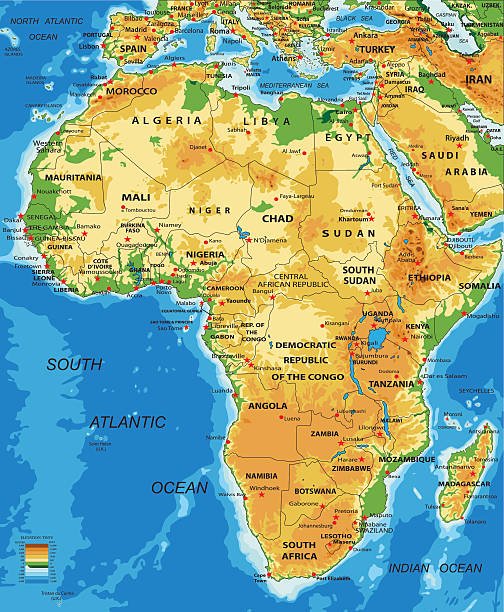
Africa, a continent of unparalleled natural beauty and diversity, is home to a spectacular array of lakes. These lakes found in Africa are not merely bodies of water; they are vital ecosystems, economic hubs, cultural touchstones, and biodiversity hotspots. From the colossal freshwater reservoirs of the Great Rift Valley to the vibrant soda lakes teeming with flamingos, African lakes play a crucial role in shaping the continent's geography, climate, and the lives of millions. They are indispensable for everything from providing drinking water and supporting extensive fisheries to generating hydropower and attracting global tourism.
The African Great Lakes: Giants of the Continent
Among the most famous and significant lakes found in Africa are those collectively known as the African Great Lakes. These massive bodies of freshwater are primarily located in and around the East African Rift Valley, boasting incredible depths, vast surface areas, and unparalleled biodiversity. They are often considered the ecological heart of the continent.
Lake Victoria
Lake Victoria is the largest lake in Africa by area, the largest tropical lake in the world, and the second-largest freshwater lake by surface area globally. Shared by Tanzania, Uganda, and Kenya, it is a crucial resource for fishing, transportation, and is the principal reservoir of the Nile River. Its vast expanse supports millions of people and a unique array of Cichlid fish, though it faces significant environmental challenges.
Lake Tanganyika
Known as the world's second-oldest, second-largest by volume, and second-deepest freshwater lake, Lake Tanganyika is a true natural wonder. Bordered by Tanzania, Democratic Republic of Congo, Burundi, and Zambia, its immense depth (up to 1,470 meters) and ancient origins have led to the evolution of an extraordinary number of endemic species, particularly fish. It holds an estimated 17% of the world's freshwater.
Lake Malawi (Nyasa)
Also known as Lake Nyasa, this impressive body of water is the third-largest lake in Africa and the ninth-largest in the world by area. It is particularly renowned for its exceptional biodiversity, especially its cichlid fish species, which number over 1,000 and are a prime example of evolutionary speciation. Shared by Malawi, Mozambique, and Tanzania, it's a UNESCO World Heritage Site due to its ecological significance.
Lake Albert
Forming part of the border between Uganda and the Democratic Republic of Congo, Lake Albert is another significant member of the African Great Lakes. It is fed by the Semliki River and forms part of the upper Nile River system, contributing to its water flow and supporting local fishing communities.
Lake Edward
Located on the border of the Democratic Republic of Congo and Uganda, Lake Edward is the smallest of the African Great Lakes. It is known for its rich wildlife, particularly in the surrounding national parks like Virunga and Queen Elizabeth, making it a key attraction for ecotourism.
Lake Kivu
Nestled between Rwanda and the Democratic Republic of Congo, Lake Kivu is unique for its methane gas deposits, a potential energy source for the region. Despite its beauty and scenic islands, the deep lake is geologically active and its gas reserves present both opportunity and risk.
The East African Rift Valley Lakes: A Cradle of Biodiversity
Beyond the Great Lakes, the East African Rift Valley is dotted with numerous other fascinating lakes, many of which are chemically distinct and host specialized ecosystems. These Rift Valley lakes are crucial for understanding geological processes and supporting unique wildlife.
Lake Turkana
Primarily located in Kenya with its northern end extending into Ethiopia, Lake Turkana is the world's largest permanent desert lake and the world's largest alkaline lake. Its strikingly vivid turquoise waters, due to algal blooms, contrast with the arid landscape. It is a critical breeding ground for Nile crocodiles, hippopotamuses, and various bird species, and is an important site for human evolution discoveries.
Lake Natron
Situated in northern Tanzania, Lake Natron is an extraordinary soda lake famous for its high alkalinity and salinity. These extreme conditions support a thriving ecosystem of salt-loving microorganisms and are the primary breeding ground for East Africa's lesser flamingos. The lake's surreal red and pink hues are a direct result of these microorganisms.
Lake Bogoria and Lake Nakuru
Both located in Kenya, Lake Bogoria and Lake Nakuru are stunning alkaline-saline lakes within the Rift Valley. They are globally renowned for their spectacular congregations of flamingos, which feed on the abundant algae. These lakes are designated Ramsar sites and are critical for wetland bird conservation, attracting millions of tourists annually.
Other Endorheic Lakes
Many lakes found in Africa within the Rift Valley are endorheic, meaning they do not drain into an ocean, leading to unique chemical compositions. Examples include Lake Manyara in Tanzania and various smaller soda lakes, each supporting specialized flora and fauna adapted to their specific environments.
Other Notable Lakes Across Africa
While the Great Lakes and Rift Valley lakes often capture the most attention, many other significant lakes are dispersed across the African continent, each with its own story and importance.
Lake Chad
Located at the intersection of Chad, Cameroon, Niger, and Nigeria, Lake Chad is a shallow, freshwater lake that has historically been one of Africa's largest wetlands. It is incredibly important for millions of people in the Sahel region, providing water for irrigation, fishing, and livestock. However, it has dramatically shrunk over the past decades due to climate change, increased irrigation, and desertification.
Lake Volta
In Ghana, Lake Volta is one of the world's largest artificial reservoirs by surface area. Created by the Akosombo Dam, it is critical for hydroelectric power generation, inland navigation, and supporting fishing communities. Its formation significantly altered the landscape and ecology of the region.
Lake Kariba
Straddling the border between Zambia and Zimbabwe, Lake Kariba is another colossal artificial lake, formed by damming the Zambezi River. It is a major source of hydroelectric power for both nations and supports a substantial fishing industry, particularly for kapenta (sardine-like fish). It is also a popular tourist destination for wildlife viewing and recreational activities.
Lake Tana
The largest lake in Ethiopia, Lake Tana is the source of the Blue Nile River. It is home to numerous islands, many of which house ancient monasteries and churches, making it a site of immense historical and religious significance. The lake's waters are vital for local communities, agriculture, and generating power.
Ecological and Economic Importance of African Lakes
The myriad lakes found in Africa are far more than just scenic landscapes; they are fundamental to the continent's ecological stability and economic prosperity.
Biodiversity Hotspots
Many African lakes, especially the Rift Valley lakes, are recognized as global biodiversity hotspots. They host an unparalleled diversity of aquatic life, most famously the cichlid fish species in Lake Tanganyika and Lake Malawi. These lakes are living laboratories for evolutionary studies and are home to unique flora and fauna adapted to their specific aquatic environments. Protecting these unique species is a major conservation priority.
Water Resources and Hydropower
Freshwater lakes in Africa serve as critical sources of drinking water, irrigation for agriculture, and industrial use for millions of people. Lakes like Victoria, Tana, and the numerous man-made reservoirs like Volta and Kariba are also harnessed for hydroelectric power, providing much-needed electricity to growing populations and fueling economic development across the continent. This dual role underscores their strategic importance.
Fisheries and Livelihoods
Fisheries in African lakes are a cornerstone of food security and local economies. Millions of people depend directly or indirectly on fishing for their livelihoods. Lakes Victoria, Tanganyika, Malawi, and Chad support extensive fishing industries, providing protein-rich food and employment. Sustainable fishing practices are essential to ensure these vital resources can continue to support communities for generations to come.
Tourism and Recreation
The stunning beauty and unique wildlife associated with many lakes found in Africa make them prime destinations for tourism. Safaris that include lake visits, birdwatching tours (especially for flamingos), boat trips, and cultural experiences around lake communities contribute significantly to national economies. Sustainable tourism Africa initiatives aim to balance economic benefits with environmental conservation.
Challenges and Conservation Efforts
Despite their immense value, African lakes face a multitude of threats that jeopardize their health and future. Addressing these challenges requires concerted conservation efforts.
Environmental Threats
- Pollution: Agricultural runoff, industrial waste, and untreated sewage are leading to eutrophication and contamination, particularly in densely populated areas around lakes like Victoria.
- Invasive Species: The introduction of non-native species, such as the Nile perch in Lake Victoria, has had devastating impacts on endemic fish populations and the entire aquatic ecosystem.
- Climate Change: Changes in rainfall patterns, increased evaporation, and extreme weather events are affecting water levels and ecological balance, exemplified by the shrinking of Lake Chad.
- Overfishing: Unsustainable fishing practices are depleting fish stocks, threatening both biodiversity and the livelihoods of fishing communities.
- Habitat Degradation: Deforestation, agricultural expansion, and urban development around lake shores lead to sedimentation and loss of critical wetland habitats.
Conservation Initiatives
Recognizing the urgency, various initiatives are underway to protect these vital ecosystems:
- Protected Areas: Establishment of national parks and reserves surrounding lakes (e.g., Lake Nakuru National Park) helps safeguard biodiversity and critical habitats.
- Community Involvement: Engaging local communities in lake management and conservation efforts is crucial for sustainable resource use and combating illegal activities.
- International Cooperation: Transboundary lakes require cooperation between riparian states to manage shared resources and address cross-border environmental issues. Organizations like the Lake Victoria Basin Commission facilitate such collaboration.
- Research and Monitoring: Scientific research helps understand the complex ecological dynamics of these lakes, informs policy decisions, and monitors the effectiveness of conservation strategies.
- Sustainable Practices: Promoting sustainable agriculture, responsible tourism, improved waste management, and sustainable fishing practices are key to mitigating human impact.
Conclusion
The lakes found in Africa represent some of the most spectacular and vital natural wonders on Earth. From the deep, ancient waters of Lake Tanganyika to the flamingo-rich soda lakes of the Rift Valley, each lake tells a unique story of geological power, evolutionary adaptation, and human connection. They are indispensable for Africa's biodiversity, providing crucial freshwater resources, sustaining millions of livelihoods through fisheries and agriculture, and driving significant tourism. However, these precious resources face increasing threats from pollution, climate change, and unsustainable human activities. Continued and strengthened conservation efforts, underpinned by scientific understanding and international cooperation, are paramount to ensure that these magnificent African lakes continue to thrive and support life for generations to come, embodying the true spirit and resilience of the continent.
Enjoyed this read?
Share it with your friends and colleagues.