10 Reasons Why Africa Is Poor

BSC Insights Admin
September 30, 2026
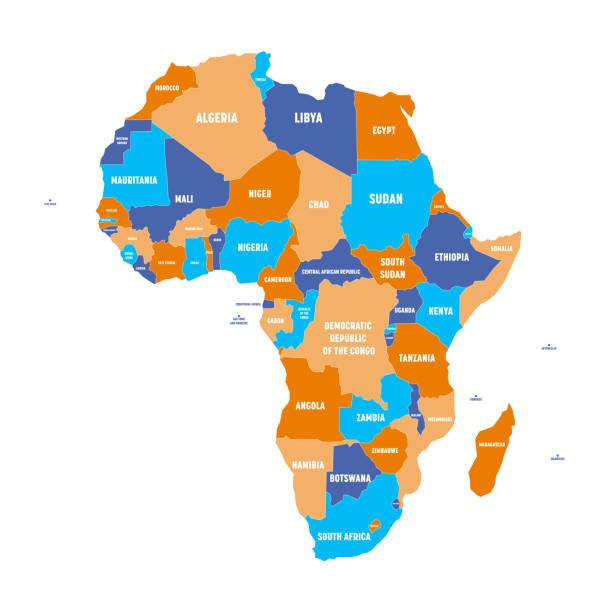
Understanding the 10 reasons why Africa is poor requires a deep dive into the complex historical, political, and socio-economic variables that have shaped the continent's development over several centuries. Many nations across the region possess vast natural wealth yet struggle with systemic barriers that prevent this wealth from translating into widespread prosperity for their citizens. This article explores the fundamental obstacles including historical exploitation, infrastructure gaps, and governance issues that define the current economic landscape for millions of people.
The path to economic stability in the African continent is often hindered by a combination of internal mismanagement and external pressures that create a cycle of low growth. By examining these factors, we can better understand the unique challenges faced by various nations as they attempt to navigate a globalized economy.
These are the 10 reasons why Africa is poor
To analyze the economic standing of the continent, one must look beyond simple narratives and investigate the structural issues that have persisted since the colonial era. The following points provide a detailed breakdown of the primary factors that contribute to the ongoing financial struggles and low standards of living observed in many regions. Each point reflects a significant hurdle that requires targeted policy interventions and international cooperation to overcome.
1. The Lingering Effects of Colonialism
The colonial era left a lasting mark on the continent by establishing extractive economic systems designed to benefit European powers rather than local populations. When many African countries that transitioned to independence in the mid-twentieth century took over, they inherited borders drawn without regard for ethnic or cultural realities, leading to decades of internal friction. These artificial boundaries often grouped together rival groups or split cohesive communities, which hampered the creation of stable national identities and unified economic goals. Furthermore, the infrastructure built during this time was primarily focused on transporting raw materials to ports for export rather than connecting internal markets. This historical legacy continues to manifest as a structural weakness in many modern economies across the region.
2. Severe Infrastructure Deficits
A lack of reliable infrastructure remains one of the most significant barriers to trade and industrialization in many parts of the continent. Poor road networks, inadequate railway systems, and a lack of modern port facilities make the cost of transporting goods within the region significantly higher than in other parts of the world. For instance, moving a shipping container from a landlocked nation to a coastal port can sometimes cost more than the shipping fees to another continent. Energy poverty also plays a massive role, with frequent power outages forcing businesses to rely on expensive diesel generators which drives up production costs. Without a stable power grid and efficient transport links, attracting large scale manufacturing investments becomes an uphill battle for many local governments.
3. Corruption and Weak Governance
Systemic corruption and the lack of transparent governance institutions have historically diverted billions of dollars away from public services and into private pockets. In some cases, an African country which possesses vast oil or mineral reserves might see a tiny elite benefit from those resources while the majority of the population lives on less than two dollars a day. Weak judicial systems often fail to hold officials accountable, which creates an environment where bribery and embezzlement can flourish without consequence. This institutional fragility also discourages foreign direct investment, as investors are wary of entering markets where the rule of law is not consistently applied. Improving transparency and strengthening anti-corruption bodies are essential steps for any nation looking to foster equitable economic growth.
4. Dependency on Raw Material Exports
Many economies in the region are heavily reliant on the export of raw commodities like oil, gold, diamonds, and copper, leaving them vulnerable to global price fluctuations. When international commodity prices drop, these nations experience immediate fiscal crises, leading to budget cuts in essential areas like health and education. This phenomenon, often referred to as the resource curse, prevents countries from developing a diversified industrial base that could provide more stable employment. Instead of processing raw materials locally to add value, many states export them in their most basic form only to import finished goods at much higher prices. Transitioning from an extractive economy to a value-added manufacturing hub is a complex process that requires significant capital and technical expertise.
5. Lack of Quality Education and Technical Skills
While school enrollment rates have increased significantly over the last two decades, the quality of education often lags behind global standards, resulting in a skills gap. Many graduates leave school without the technical or vocational training required by the modern job market, which leads to high rates of youth unemployment. This disconnect between the education system and the needs of the private sector limits the productivity of the workforce and hinders technological innovation. Furthermore, the brain drain phenomenon sees many of the most highly skilled professionals, such as doctors and engineers, migrating to Western nations in search of better opportunities. Retaining local talent is crucial for building the human capital necessary to drive long-term economic transformation and reduce poverty levels.
6. Political Instability and Civil Conflict
The presence of recurring conflicts and political instability has historically devastated the economies of several nations by destroying infrastructure and displacing millions of people. Civil wars and insurgencies create a climate of fear that halts economic activity and forces governments to spend limited resources on military hardware rather than social development. In regions where power transitions are frequently contested or involve military coups, long-term economic planning becomes nearly impossible for businesses and government agencies alike. Conflict also results in a loss of human life and the breakdown of social cohesion, which takes generations to repair even after peace is established. Stability is a fundamental prerequisite for any meaningful investment and sustained financial progress in the African context.
7. High Levels of National Debt
Many governments are burdened by massive external debts that consume a significant portion of their national budgets in interest payments alone. When a large percentage of tax revenue is used to service debt, there is very little left over for investing in healthcare, infrastructure, or social safety nets. Some of these debts were accrued by previous undemocratic regimes, yet the current populations are still tasked with paying them back under strict international lending conditions. In recent years, the rise of commercial lending from non-traditional partners has added new layers of complexity to debt sustainability for many states. Finding a balance between borrowing for development and maintaining fiscal health remains a primary challenge for policymakers across the continent.
8. Climate Change and Environmental Vulnerability
Africa is disproportionately affected by climate change despite contributing the least to global greenhouse gas emissions, with increasing droughts and floods devastating the agricultural sector. Since a large portion of the population relies on subsistence farming, a single failed harvest can lead to widespread food insecurity and economic hardship for millions. Changing weather patterns in the Sahel and other regions have also fueled competition over dwindling fertile land and water resources, sometimes leading to localized violence. The cost of adapting to these environmental changes puts a massive strain on limited national budgets that are already stretched thin. Without significant global investment in climate resilience, the economic gains made in recent years could be easily erased by natural disasters.
9. Inadequate Healthcare Systems
The prevalence of infectious diseases such as malaria, HIV/AIDS, and tuberculosis continues to place a heavy burden on the productivity of the African workforce. When a large segment of the population is chronically ill or caring for sick family members, the overall economic output of the nation suffers significantly. Many countries lack the necessary medical infrastructure and personnel to handle large scale health crises, as evidenced by the challenges faced during recent viral outbreaks. High maternal and infant mortality rates also indicate systemic failures in the healthcare sector that prevent families from escaping the cycle of poverty. Investing in primary healthcare and sanitation is not just a moral imperative but also a critical economic strategy to ensure a healthy and productive labor force.
10. Unfair International Trade Policies
Global trade rules and agricultural subsidies in wealthier nations often make it difficult for African producers to compete on the international stage. For example, when developed countries provide heavy subsidies to their own farmers, it lowers the global price of goods like cotton or sugar, making it nearly impossible for small-scale African farmers to turn a profit. Additionally, many trade agreements favor the export of raw materials from Africa while placing high tariffs on processed or finished goods from the same region. This prevents local industries from growing and competing globally, effectively keeping many nations at the bottom of the global value chain. Addressing these trade imbalances is vital for allowing African economies to grow through fair competition and market access.
Reasons Why These Countries Face Poverty in Africa
1. Historical Mismanagement: In the decades following the end of colonial rule, several administrations failed to establish the diversified economic bases necessary for long-term growth. Instead of investing in technology and manufacturing, many leaders relied on the immediate wealth generated by natural resources, which proved unsustainable when global markets shifted. This lack of foresight left many nations vulnerable to the boom and bust cycles of the commodity market, preventing the accumulation of national wealth.
2. Geographic Challenges: A significant number of countries in the region are landlocked, meaning they have no direct access to the sea for international trade. These nations must rely on the stability and infrastructure of their neighbors to move goods to global markets, which often adds significant costs and delays. Geography also plays a role in the spread of tropical diseases and the difficulty of building infrastructure across vast, rugged terrains that characterize much of the landscape.
3. Institutional Fragility: The economic prosperity of a nation is often tied to the strength of its institutions, including the police, the courts, and the civil service. In many areas, these institutions are underfunded and susceptible to political interference, which undermines public trust and stalls administrative processes. When people cannot rely on the state to protect property rights or enforce contracts, they are less likely to start businesses or engage in long-term investments.
4. High Population Growth: While a young and growing population can be an asset, it also places immense pressure on existing social services and the job market. If the rate of economic growth does not outpace the rate of population growth, the standard of living for the average person will inevitably decline over time. Governments often struggle to build enough schools and hospitals to keep up with the demand, leading to overcrowded facilities and declining service quality in many urban centers.
5. Limited Access to Capital: Small and medium-sized enterprises often find it extremely difficult to secure the loans and credit needed to expand their operations. High interest rates and stringent collateral requirements from local banks mean that many entrepreneurs are unable to innovate or grow their businesses beyond a local scale. This lack of financial inclusion prevents the countries in Africa that are seeking to industrialize from empowering the private sector, which is the traditional engine of job creation.
6. Digital Divide: As the global economy becomes increasingly digital, the lack of affordable high-speed internet in many rural and semi-urban areas creates a new form of economic exclusion. Without access to digital tools, local businesses cannot reach global customers, and students cannot access the wealth of information available online for skill development. Closing this technological gap is essential for ensuring that the continent can participate fully in the fourth industrial revolution and modernize its financial and educational systems.
Conclusion
Addressing the 10 reasons why Africa is poor requires a multifaceted approach that combines local policy reform with a more equitable international economic order. While the challenges are significant, many nations are showing resilience by investing in technology, improving governance, and fostering regional trade agreements to boost their collective bargaining power. It is clear that the African country which focuses on human capital and institutional transparency will be better positioned to break the cycle of poverty in the coming decades. Achieving sustainable wealth across the continent will depend on transforming structural weaknesses into opportunities for innovation and inclusive growth for all citizens. Long-term progress is possible if the underlying causes of economic stagnation are addressed with urgency and consistent political will.
Enjoyed this read?
Share it with your friends and colleagues.