20 Countries Found In Africa

BSC Insights Admin
September 30, 2026
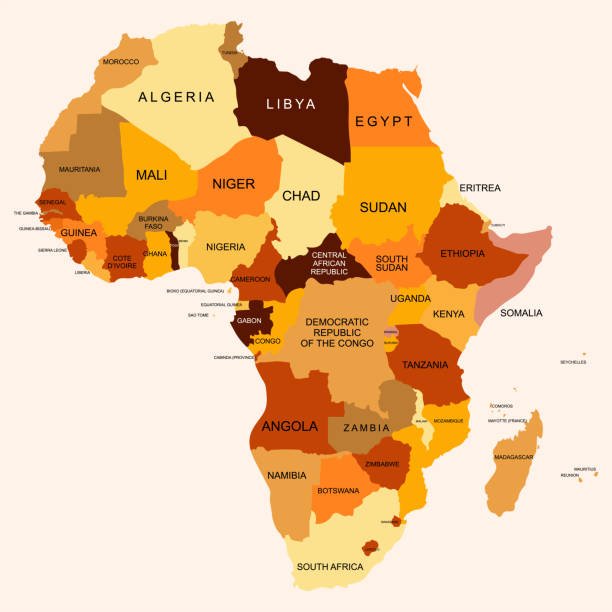
Learning about the 20 countries found in Africa provides a necessary foundation for understanding the economic, cultural, and political diversity of the second largest continent on Earth. These nations represent a wide array of landscapes ranging from the Sahara Desert in the north to the lush rainforests of the central region and the savannahs of the south. This article highlights twenty specific nations that play pivotal roles in regional stability and global trade while showcasing the unique heritage of the African people.
The following selection of nations offers a glimpse into the progress and challenges faced by different regions across the continent today. By examining their individual characteristics, we can better appreciate the collective potential of the African union and its member states.
These are the 20 countries found in Africa
To understand the current global landscape, one must be familiar with the major nations that define the African continent. The countries listed below have been chosen based on their population size, economic influence, historical significance, and geographic location to provide a well-rounded overview. Each entry includes relevant data and context to help readers distinguish between the various political and social environments that exist within this vast territory.
1. Nigeria
Nigeria is the most populous nation among the 20 countries found in Africa with a population exceeding 220 million people. It is often referred to as the Giant of Africa because of its massive economy and significant cultural exports, particularly through its world-famous Nollywood film industry. The country possesses the largest natural gas reserves on the continent and is a leading producer of crude oil, which accounts for a major portion of its foreign exchange earnings. Lagos, the largest city, serves as a primary financial hub for the entire West African region, hosting numerous multinational corporations and tech startups. Despite facing challenges with infrastructure and security, Nigeria remains a central player in African politics and a primary driver of the regional economy.
2. Egypt
Egypt is a transcontinental nation that serves as a vital bridge between the African continent and the Middle East. With a history that stretches back thousands of years, it is home to the famous Giza Pyramids and the Great Sphinx, which continue to draw millions of tourists annually. The Suez Canal is a critical asset for the country, as it facilitates a significant percentage of global maritime trade between Europe and Asia. Egypt has a population of over 110 million people, most of whom live along the fertile banks of the Nile River. This country in Africa has seen substantial industrial growth in recent years, focusing on manufacturing and renewable energy projects to diversify its economy.
3. South Africa
South Africa is widely recognized for its advanced infrastructure and its historical transition from apartheid to a multi-racial democracy in 1994. It is a member of the BRICS group of emerging economies and possesses a highly sophisticated financial sector and a robust mining industry. The country is the world largest producer of platinum and a major exporter of gold, diamonds, and chrome. Its diverse climate allows for a thriving agricultural sector, producing high-quality wines and fruits for the international market. South Africa also boasts world-class national parks, such as Kruger National Park, which are essential for its tourism revenue. As a regional powerhouse, it exerts significant influence on the economic policies and security of the Southern African Development Community.
4. Ethiopia
Ethiopia holds a unique place in history as one of the few African nations that was never formally colonized by European powers. It is the second most populous nation on the continent and hosts the headquarters of the African Union in its capital, Addis Ababa. The country has one of the fastest growing economies in the region, driven largely by massive state-led infrastructure projects like the Grand Ethiopian Renaissance Dam. Agriculture remains the backbone of the economy, with coffee being its most famous and valuable export to the global market. Ethiopia is also considered the birthplace of humanity due to the discovery of ancient hominid fossils in the Afar region. Recent efforts to modernize the telecommunications and aviation sectors have further solidified its role as a regional hub in East Africa.
5. Kenya
Kenya is the economic heart of East Africa and a global leader in mobile money technology through the widespread use of M-Pesa. The country is world-renowned for its athletic prowess in long-distance running and its breathtaking safari destinations like the Maasai Mara. Nairobi, the capital city, is a major international center for diplomacy and business, housing the United Nations Environment Programme. Kenya is also a top exporter of tea and fresh-cut flowers, which are shipped daily to markets in Europe and beyond. The government has focused on expanding its geothermal energy production, making it a leader in green energy on the continent. It is a prominent African country which continues to attract significant foreign direct investment in the technology and service sectors.
6. Ghana
Ghana is often cited as a model for democratic stability and peaceful transitions of power in West Africa. It was the first sub-Saharan nation to gain independence from colonial rule in 1957, a milestone that inspired liberation movements across the continent. The country is one of the largest producers of cocoa in the world and also has significant reserves of gold and oil. In recent years, the government launched the Year of Return initiative to encourage the global African diaspora to visit and invest in the country. This effort has boosted tourism and strengthened cultural ties with the international community. Ghana remains a safe and welcoming destination for travelers seeking to explore the rich history of the Ashanti Empire and the coastal forts of the former Gold Coast.
7. Morocco
Morocco is located at the northwestern tip of the continent and is known for its unique blend of Berber, Arab, and European influences. The country has made significant investments in its automotive and aerospace industries, positioning itself as a manufacturing hub for the European market. It is home to the world largest concentrated solar power plant, Noor Ouarzazate, reflecting its commitment to sustainable development. Morocco also maintains a strong tourism sector, with cities like Marrakech and Fez offering vibrant markets and historic architecture. The nation recently rejoined the African Union and has been active in expanding its diplomatic and economic presence across the continent. Its strategic position at the entrance of the Mediterranean Sea makes it a vital partner for international trade and security.
8. Algeria
Algeria is the largest country by land area in Africa and is a major supplier of natural gas to the European continent. Its economy is heavily dependent on the hydrocarbon sector, which provides the vast majority of its export earnings and government revenue. The country features a diverse landscape, including the vast Sahara Desert and the fertile coastal plains along the Mediterranean. Algeria has a long history of resistance against colonial rule, which has shaped its modern political identity and foreign policy. The government has recently been working on economic reforms to encourage private sector growth and reduce its reliance on oil and gas exports. With a population of over 45 million, it remains a significant demographic and military power in the North African region.
9. Tanzania
Tanzania is home to the highest peak in Africa, Mount Kilimanjaro, and the famous Serengeti National Park. The country has maintained a high level of political stability since independence and is a key member of the East African Community. Its economy is largely based on agriculture and tourism, but it also possesses significant deposits of gold and natural gas. The island of Zanzibar, which is part of the United Republic of Tanzania, is a major cultural and tourist attraction known for its spice trade history. Tanzania has recently embarked on large scale infrastructure projects, including a standard gauge railway and a major hydroelectric dam to power its industrialization efforts. This African country which prioritizes regional integration is also a major contributor to peacekeeping missions across the continent.
10. Uganda
Uganda is often called the Pearl of Africa due to its lush greenery, diverse wildlife, and the presence of Lake Victoria, the largest lake on the continent. The nation is a major producer of coffee and bananas, with a large percentage of its population engaged in subsistence and commercial farming. Uganda is also one of the few places in the world where people can track mountain gorillas in their natural habitat within Bwindi Impenetrable Forest. The country has a very young population, with more than half of its citizens under the age of fifteen, which presents both opportunities and challenges for the future. In recent years, the discovery of oil in the Albertine Graben has raised hopes for increased national revenue and industrial development. Kampala, the capital, is known for its vibrant nightlife and hospitable residents.
11. Rwanda
Rwanda has undergone a remarkable transformation over the last three decades, becoming one of the cleanest and most orderly nations in the region. Often referred to as the Land of a Thousand Hills, it has focused on becoming a high-tech services hub to overcome its lack of natural resources and landlocked status. The country is a global leader in gender equality, with women holding a majority of seats in its national parliament. Rwanda has also invested heavily in high-end ecotourism, particularly for gorilla trekking, which generates significant revenue for conservation and community development. Kigali is frequently praised for its safety and modern infrastructure, making it a popular choice for international conferences. This nation serves as a powerful example of how dedicated leadership can foster rapid economic and social recovery.
12. Senegal
Senegal is known for its long history of political stability and its vibrant cultural scene, especially in the realms of music and cinema. Located on the westernmost point of the continent, it serves as a gateway for trade between Africa, Europe, and the Americas. The capital, Dakar, is a bustling metropolitan center that was once the seat of the colonial administration for French West Africa. Senegal has a diverse economy that includes fishing, phosphate mining, and a growing tourism industry along its sandy coastlines. The government has recently launched the Plan Senegal Emergent to modernize infrastructure and stimulate industrial growth. The country is also famous for its hospitality, often referred to as Teranga, which makes it a favorite destination for international visitors.
13. Angola
Angola is one of the leading oil producers in Africa and has experienced a period of rapid reconstruction since the end of its long civil war in 2002. The country possesses vast natural wealth, including diamonds, iron ore, and fertile agricultural land that is still being brought back into production. Luanda, the capital, was once ranked as one of the most expensive cities in the world due to the influx of oil wealth and a shortage of high-quality housing. The government is currently working to diversify the economy to reduce its extreme vulnerability to changes in global oil prices. Angola also has a rich musical heritage, with genres like Kuduro and Kizomba gaining popularity around the world. With its large land area and resource wealth, Angola is poised to become a major economic force in the Southern African region.
14. Ivory Coast (Côte d'Ivoire)
Ivory Coast is the world top producer of cocoa beans, supplying the raw material for a significant portion of the global chocolate industry. After a period of political unrest in the early 2000s, the country has emerged as one of the fastest growing economies in West Africa. Abidjan, the economic capital, is a major port city and a hub for French-speaking West African business and culture. The government has focused on processing more of its agricultural products locally to add value and create jobs for its citizens. Ivory Coast also has significant reserves of gold and oil, which contribute to its diversified export base. The nation beautiful beaches and national parks make it an emerging destination for tourism in the region.
15. Namibia
Namibia is characterized by its dramatic landscapes, including the Namib Desert, which is believed to be the oldest desert in the world. Despite its small population, the country is a major producer of uranium and diamonds, with mining forming the backbone of the economy. Namibia was the first country in the world to incorporate environmental protection into its constitution, leading to a highly successful community-based conservation model. This has resulted in a thriving wildlife population and a sustainable tourism industry that attracts nature enthusiasts from across the globe. The nation enjoys a high level of political stability and a relatively well-developed infrastructure compared to its neighbors. Windhoek, the capital, reflects a blend of indigenous cultures and colonial architectural influences.
16. Botswana
Botswana is often hailed as one of the most successful democracies and economies on the continent since gaining independence in 1966. The country transformed itself from one of the poorest nations in the world to a middle-income country, primarily through the prudent management of its diamond resources. Botswana is the largest producer of gem-quality diamonds by value, and the government has used this revenue to invest heavily in education and healthcare. It is also home to the Okavango Delta, a unique inland delta that supports a vast array of wildlife and serves as a premier safari destination. The nation has a strong commitment to transparency and has consistently ranked as the least corrupt country in Africa according to international indices. Its small population and stable governance have allowed for high levels of human development.
17. Zambia
Zambia is a major copper producer and home to the spectacular Victoria Falls, which it shares with its neighbor Zimbabwe. The country has vast areas of fertile land and abundant water resources, though its economy remains heavily tied to the fluctuations of the global copper market. Zambia has maintained a peaceful political environment for most of its history and has been a refuge for people fleeing conflicts in neighboring states. The government is currently focused on agricultural diversification and tourism development to create a more resilient economy. Lusaka, the capital, is a rapidly growing city that serves as a central hub for trade in the Southern African region. Recent efforts to restructure national debt are aimed at providing more fiscal space for social and infrastructure spending.
18. Tunisia
Tunisia is the northernmost country in Africa and has a diverse economy that includes agriculture, mining, and a strong manufacturing sector. It was the birthplace of the Arab Spring movements in 2011, which led to significant political changes across the region. The country has a high level of education and a relatively large middle class compared to many other nations on the continent. Tunisia is a major exporter of olive oil and dates, and its Mediterranean coastline attracts millions of European tourists every year. The historic ruins of Carthage and the traditional blue-and-white architecture of Sidi Bou Said are iconic symbols of its rich cultural heritage. Despite facing economic challenges in recent years, Tunisia remains a key partner for Europe in terms of trade and security.
19. Cameroon
Cameroon is often described as "Africa in miniature" because it contains all the major climates and landscapes of the continent within its borders. These include deserts in the north, mountains in the central region, and tropical rainforests in the south. The country is a significant producer of oil, cocoa, coffee, and timber, which are exported through its major port city, Douala. Cameroon has a diverse population with over 200 different ethnic groups and two official languages, French and English. This diversity is reflected in its rich musical traditions and its highly successful national football team, the Indomitable Lions. While it faces some internal political tensions, the country remains an essential economic link between West and Central Africa.
20. Mauritius
Mauritius is an island nation in the Indian Ocean that is consistently ranked as the most competitive and business-friendly economy in Africa. Since independence, it has moved from a sugar-based economy to a diversified one focused on textiles, tourism, and financial services. The country is known for its high standard of living, political stability, and its successful multi-ethnic society. Mauritius is a major destination for luxury tourism, famous for its white-sand beaches, coral reefs, and volcanic mountains. The government has also positioned the island as an international financial center, facilitating investment between Asia and the African mainland. It is a unique African country which proves that small island states can achieve significant prosperity through strategic planning and open trade.
Reasons Why These Countries Stand Out as Prominent Nations in Africa
1. Economic Resilience and Diversification: Many of the countries mentioned have shown remarkable ability to adapt to global economic shifts by moving away from a single commodity dependency. For instance, nations like Mauritius and Rwanda have shifted their focus toward services and technology, reducing their vulnerability to volatile market prices for raw materials. This strategic shift has allowed these African countries that are diversifying to maintain more stable growth rates even during global downturns. By fostering innovation, they are creating new opportunities for their growing youthful populations.
2. Rich Cultural and Historical Heritage: The prominence of these nations is often tied to their deep historical roots and cultural influence that extends far beyond their borders. From the ancient civilizations of Egypt and Ethiopia to the vibrant musical and cinematic outputs of Nigeria and Senegal, these countries shape the global perception of African identity. This cultural capital not only promotes national pride but also serves as a significant draw for international tourism, which is a major revenue eariner for the continent. The preservation of world heritage sites within these nations ensures that their history remains a focal point of global interest.
3. Abundance of Natural Resources: A primary reason for the geopolitical importance of these nations is their vast reserves of minerals, energy, and fertile land. Countries like South Africa, Algeria, and Nigeria are essential suppliers of the gold, gas, and oil that power the global economy. When managed effectively, these resources provide the necessary capital for building modern infrastructure and improving public services like healthcare and education. However, the challenge remains for these nations to ensure that the wealth generated from these resources benefits the entire population equitably.
4. Strategic Geographic Locations: Many of these 20 countries found in Africa occupy critical positions along major international trade routes. Egypt controls the Suez Canal, Morocco sits at the gateway to the Mediterranean, and South Africa occupies the tip of the continent where two oceans meet. These locations make them indispensable partners for international logistics and maritime security, ensuring they remain central to global diplomatic discussions. This geographic advantage also allows these countries to act as regional hubs for air travel and telecommunications, connecting landlocked neighbors to the rest of the world.
5. Growing Demographic Power: The demographic trend in many of these nations is characterized by a rapidly increasing and youthful population. In Nigeria and Ethiopia, for example, the large workforce provides a massive potential market for consumer goods and a pool of talent for new industries. If harnessed through proper education and job creation, this "demographic dividend" could lead to an unprecedented economic boom across the region. This young generation is also increasingly tech-savvy, driving the digital transformation that is currently sweeping through the African business landscape.
6. Increasing Political and Regional Integration: These nations are often at the forefront of efforts to integrate the continent through organizations like the African Union and various regional economic blocs. The African Continental Free Trade Area is a prime example of how countries in Africa that work together can create the world largest free trade zone. By reducing tariffs and simplifying trade regulations, these countries are making it easier for African businesses to sell their goods across borders. This unity strengthens their collective voice on the global stage, allowing them to negotiate better trade deals and address common challenges like climate change.
Conclusion
The 20 countries found in Africa highlighted in this article represent the dynamic and multifaceted nature of a continent on the rise. Each nation, from the industrial hubs of the north to the resource-rich plains of the south, contributes to the complex story of African development and global interaction. It is clear that any African country which invests in its people and its institutions is capable of achieving significant progress despite historical or geographic obstacles. As these nations continue to grow and integrate, they will undoubtedly play an even more substantial role in shaping the future of the global economy and international relations. Understanding the individual paths of these twenty nations is essential for anyone wishing to engage with the modern African continent. The collective success of these countries is vital for the long-term prosperity and stability of the entire world.
Enjoyed this read?
Share it with your friends and colleagues.