20 Interesting Things About Africa

BSC Insights Admin
September 30, 2026
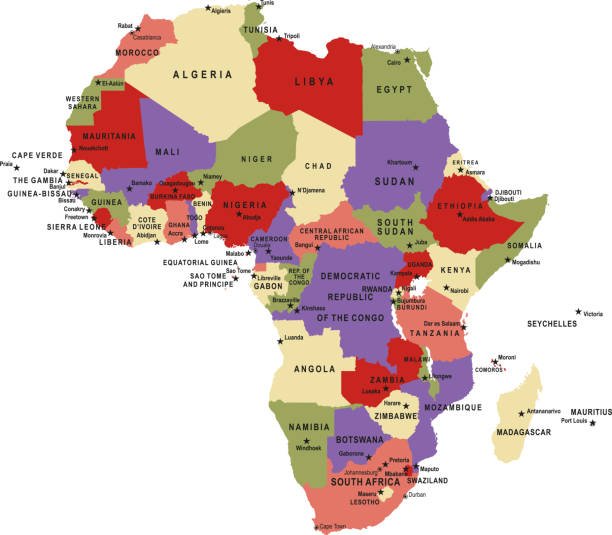
Exploring 20 interesting facts about Africa reveals a continent of immense proportions and deep historical significance that often surprises even the most seasoned travelers. It is the second largest continent in the world, covering approximately thirty million square kilometers and hosting over fifty four distinct nations. This article provides a comprehensive look at the unique features, from the origins of humanity to the modern technological leaps that define the region today.
The cultural and geographic landscape of the landmass is so diverse that it contains thousands of ethnic groups and languages. These characteristics contribute to a rich tapestry of human experience that is unmatched by any other part of the world.
These are the 20 interesting facts about Africa
To understand the depth of this continent, one must look at the specific details that set it apart from other regions. The following points cover a wide range of topics including geography, history, and modern achievements. Each fact is supported by current data and historical records to provide an accurate picture of what makes this part of the world so fascinating for researchers and tourists alike.
1. The Continent is Larger Than It Looks
Most people are misled by the Mercator projection used in standard maps, which significantly shrinks the relative size of landmasses near the equator. In reality, the continent is so large that the United States, China, India, and most of Europe can fit inside its borders simultaneously. It covers about 20 percent of the total land area of the planet, making it larger than any other continent except Asia. This massive scale means that traveling from the northern tip in Tunisia to the southern tip in South Africa covers a distance of over eight thousand kilometers. The sheer size of the landmass explains why it contains such a wide variety of ecosystems and climates.
2. A Continent of Incredible Linguistic Diversity
There are over two thousand different languages spoken across the continent, making it the most linguistically diverse region in the world. These languages belong to several major families, including Afroasiatic, Nilo-Saharan, and Niger-Congo, which contains the widely spoken Bantu languages. For example, Nigeria alone has over five hundred living languages, while South Africa recognizes eleven official languages in its constitution. This linguistic variety reflects the thousands of unique ethnic groups that have inhabited the region for millennia. Despite the prevalence of colonial languages like English and French, indigenous tongues remain the primary mode of communication for the majority of the population.
3. The Nile is the Longest River in the World
Flowing northward for approximately 6,650 kilometers, the Nile River is widely considered the longest river on Earth. It passes through eleven different countries, providing life-sustaining water to millions of people in otherwise arid environments. The river has two main tributaries, the White Nile and the Blue Nile, which meet in Sudan before flowing through Egypt into the Mediterranean Sea. Ancient civilizations, most notably the Egyptians, thrived along its banks by utilizing the predictable annual flooding for agriculture. Even today, the river remains a critical source of irrigation and hydroelectric power for the nations of East and North Africa.
4. The Sahara is the Largest Hot Desert
The Sahara Desert covers nearly one-third of the continent, making it roughly the same size as the entire United States. It is the largest hot desert in the world, stretching from the Atlantic Ocean in the west to the Red Sea in the east. While many imagine it as a vast expanse of only sand dunes, the Sahara actually contains mountains, plateaus, and even seasonal wetlands. Temperatures can fluctuate wildly, reaching over fifty degrees Celsius during the day and dropping below freezing at night. This harsh environment has shaped the cultures of nomadic groups like the Tuareg, who have navigated its trade routes for centuries.
5. Africa has the World's Youngest Population
Demographic data indicates that the continent has the youngest population in the world, with a median age of around nineteen years. In many nations, over forty percent of the population is under the age of fifteen, which presents both immense opportunities and significant challenges. This youthful energy is driving innovation in the technology sector and changing the political landscape across the region. As other parts of the world face aging populations and labor shortages, the demographic dividend in this region could become a major engine for global economic growth. Investing in education and job creation for this massive cohort is a primary goal for many modern governments.
6. Home to the World's Tallest Animal
The giraffe, which is the tallest land animal on Earth, is found natively only in the African wild. These majestic creatures can reach heights of up to six meters, allowing them to browse on leaves that other herbivores cannot reach. Their unique cardiovascular system includes a powerful heart that can pump blood all the way up their long necks to the brain. Giraffes are found in various habitats, from the open savannas to the arid woodlands of sub-Saharan regions. Sadly, some subspecies are facing threats from habitat loss, leading to increased conservation efforts to protect their future in the wild.
7. The Largest Tropical Lake on Earth
Lake Victoria is the largest tropical lake in the world and the second largest freshwater lake by surface area. It is shared by three countries, including Tanzania, Uganda, and Kenya, and serves as the primary reservoir for the Nile River. The lake supports a massive fishing industry that provides a livelihood for millions of people and a vital source of protein for the region. However, it faces environmental challenges such as the spread of invasive water hyacinths and pollution from surrounding urban areas. Despite these issues, the lake remains a central feature of the East African landscape and a biodiversity hotspot for endemic fish species.
8. The Only Continent Centered on the Equator
Africa is the only continent that spans all four hemispheres, as it is crossed by both the Equator and the Prime Meridian. The Equator runs through the middle of the continent, passing through nations like Gabon, Kenya, and the Democratic Republic of Congo. This central positioning means that the continent experiences relatively consistent daylight hours throughout the year in many regions. It also results in a symmetrical distribution of climate zones, with deserts in both the north and the south and tropical forests in the center. This unique geographic placement has a profound impact on the weather patterns and agricultural cycles of the entire landmass.
9. Ethiopia is One of the Oldest Independent Nations
Ethiopia is widely recognized for its long history of independence, having successfully resisted European colonization during the late nineteenth century. It is the only African nation that was never formally colonized, although it was briefly occupied by Italy during World War II. The country also follows its own unique calendar, which is approximately seven to eight years behind the Gregorian calendar used in the West. Additionally, Ethiopia is home to the ancient city of Axum, which was once the center of a powerful empire that traded with Rome and India. This rich heritage contributes to a strong sense of national pride and cultural identity that is unique in the region.
10. The Birthplace of Coffee
The coffee plant originated in the highlands of Ethiopia, specifically in the Kaffa region, from which the name coffee is derived. Legend tells of a goat herder named Kaldi who discovered the energizing effects of the beans after his goats ate them. By the fifteenth century, coffee cultivation and trade had spread to the Arabian Peninsula and eventually to the rest of the world. Today, coffee remains a vital export for many nations on the continent, including Ethiopia, Uganda, and Ivory Coast. The traditional Ethiopian coffee ceremony is still a central part of social and cultural life in the country, highlighting the deep roots of this global beverage.
11. Africa Possesses Massive Gold Reserves
The continent has a long history of gold mining and remains home to some of the world's largest gold reserves. In the fourteenth century, the Emperor of Mali, Mansa Musa, was so wealthy in gold that his pilgrimage to Mecca caused a temporary collapse of gold prices in Egypt. Today, South Africa, Ghana, and Mali continue to be leading producers of the precious metal on the global stage. Much of the world's gold supply has been extracted from the Witwatersrand Basin in South Africa, which is the most significant gold field ever discovered. This mineral wealth has historically driven both economic development and significant geopolitical interest in the region.
12. The Smoke That Thunders
Victoria Falls, located on the border of Zambia and Zimbabwe, is one of the world's largest and most spectacular waterfalls. Known locally as Mosi-oa-Tunya, which means the smoke that thunders, it creates a mist that can be seen from miles away. The falls are roughly 1.7 kilometers wide and drop over 100 meters into a narrow gorge, creating a deafening roar. During the peak flow of the Zambezi River, it forms the largest curtain of falling water on the planet. It is a UNESCO World Heritage site and attracts hundreds of thousands of tourists who come to witness its raw power and beauty.
13. Madagascar's Unique Biodiversity
The island nation of Madagascar, located off the eastern coast of Africa, is home to thousands of animal and plant species found nowhere else on Earth. About 90 percent of its wildlife, including the famous lemurs and the peculiar baobab trees, is endemic to the island. This biological isolation occurred because Madagascar split from the mainland millions of years ago, allowing evolution to take a unique path. The island features diverse environments ranging from lush rainforests to the "spiny forests" of the arid south. Conservationists consider Madagascar a high priority due to the rapid loss of habitat that threatens its unique inhabitants.
14. The Great Rift Valley is Visible from Space
The Great Rift Valley is a massive geological feature that stretches over six thousand kilometers from the Middle East down to Mozambique. This massive crack in the Earth's crust is caused by the movement of tectonic plates that are slowly pulling the eastern part of the continent away from the rest. The valley is home to many of the world's deepest lakes and some of its highest mountains, including Mount Kilimanjaro. It also contains numerous active and dormant volcanoes, reflecting the turbulent geological forces at work beneath the surface. This unique landscape has been a primary site for archaeological discoveries regarding early human ancestors.
15. Mount Kilimanjaro Has Glaciers on the Equator
Mount Kilimanjaro in Tanzania is the highest peak in Africa and the highest free-standing mountain in the world. Despite its location near the Equator, its summit is covered in snow and glaciers, although these are rapidly receding due to climate change. The mountain is actually a dormant volcano with three distinct cones: Kibo, Mawenzi, and Shira. Climbing Kilimanjaro takes hikers through five different climate zones, from tropical rainforest at the base to arctic conditions at the peak. It is a major destination for mountaineers and provides a critical source of water for the surrounding communities through its glacial melt.
16. Africa is the Most Central Continent
If you look at a world map, the African continent sits at the center of the Earth's landmass. It is uniquely positioned such that it is the only continent to be crossed by both the Tropic of Cancer and the Tropic of Capricorn. This location makes it a strategic hub for global trade and communications between the East and the West. Historically, the trans-Saharan and Indian Ocean trade routes connected the continent to the Mediterranean and Asian worlds long before the age of exploration. This central position continues to influence modern geopolitical strategies and international logistics in the twenty first century.
17. A Leader in Wildlife Conservation
Many nations across the continent have dedicated massive areas of land to wildlife conservation, creating some of the largest national parks in the world. The Selous Game Reserve in Tanzania and the Kruger National Park in South Africa are larger than many small countries. These protected areas are essential for the survival of the Big Five, which includes the lion, leopard, rhinoceros, elephant, and Cape buffalo. Conservation efforts often involve local communities to ensure that the benefits of tourism are shared with those living near the wildlife. These initiatives are crucial for protecting the natural heritage of the continent against poaching and habitat destruction.
18. The World's First University was in Africa
The University of Al-Qarawiyyin, located in Fez, Morocco, was founded in 859 AD and is recognized by UNESCO as the oldest continuously operating educational institution in the world. It was established by Fatima al-Fihri, a woman who used her inheritance to create a center for religious and secular learning. Additionally, the Sankore University in Timbuktu, Mali, was a major center of scholarship during the Middle Ages, housing thousands of ancient manuscripts. These institutions prove that the continent has a deep intellectual history that flourished long before the colonial era. These centers of learning attracted scholars from across the Islamic world and beyond to study astronomy, mathematics, and law.
19. Africa has the World's Fastest-Growing Cities
Urbanization is happening faster in Africa than on any other continent, with cities like Lagos, Cairo, and Kinshasa growing at an unprecedented rate. Lagos, Nigeria, is already one of the largest megacities in the world, serving as a hub for finance, technology, and entertainment. This rapid urban growth is driven by the search for better economic opportunities and the youth bulge mentioned in earlier points. While this presents challenges for infrastructure and housing, it also creates massive markets for consumer goods and services. Modern African cities are becoming centers of innovation, with thriving startup ecosystems and vibrant cultural scenes that influence global trends.
20. The Cradle of Humankind
Scientific evidence consistently shows that Africa is the birthplace of the human species, with the oldest known fossils of Homo sapiens found in Morocco and Ethiopia. The "Cradle of Humankind" site in South Africa contains a massive collection of hominid remains that provide a timeline of human evolution stretching back millions of years. Genetic studies also confirm that all humans living today can trace their ancestry back to populations that resided on the continent. This deep history means that the African continent holds the collective memory of the entire human race. It is the starting point for the global migration that eventually populated every corner of the planet.
Reasons Why These Countries Highlight 20 Interesting Facts About Africa
1. Geographic Extremes: The continent contains both the hottest deserts and snow-capped mountains on the equator, providing a range of environments that is virtually unparalleled. These extremes create natural barriers that have shaped human migration and the development of distinct cultures over thousands of years. Any country in Africa 20 interesting facts about Africa might focus on often showcases how people have adapted to these varied landscapes with incredible resilience. For example, the cultures of the Namib Desert are vastly different from those living in the lush highlands of Rwanda.
2. Ancient Civilizations: From the pyramids of Egypt to the stone ruins of Great Zimbabwe, the continent is home to some of the most advanced ancient societies in history. These civilizations developed complex writing systems, architectural wonders, and sophisticated governance structures long before European arrival. When researching an African country which 20 interesting facts about Africa are associated with, one often finds a history of trade and intellectual exchange that spanned continents. These historical legacies continue to influence the architecture and social systems of modern nations.
3. Massive Natural Resources: The region is the source of much of the world's most valuable minerals, including diamonds, platinum, and cobalt, which are essential for modern technology. These resources have made certain nations critical players in the global supply chain, especially for the production of electronics and electric vehicle batteries. Many African countries that 20 interesting facts about Africa frequently highlight have leveraged this wealth to fund national infrastructure projects. However, the management of these resources remains a primary focus for ensuring sustainable and equitable economic growth.
4. Unrivaled Biodiversity: The continent hosts a vast array of species that are found nowhere else, making it a primary destination for ecological research and ecotourism. The protection of these species in expansive national parks demonstrates a commitment to global conservation goals. In fact, which country that 20 interesting facts about Africa often mentions as a leader in conservation, like Namibia, has even written environmental protection into its national constitution. This dedication to preserving nature ensures that future generations can witness the world's most iconic animals in their natural habitats.
5. Cultural and Artistic Impact: African music, dance, and visual arts have a profound influence on global culture, from the roots of jazz and blues to modern Afrobeats. The creative industries in nations like Nigeria and South Africa are currently experiencing a global boom, reaching audiences in every corner of the world. This cultural export is a powerful tool for soft power, allowing countries in Africa that 20 interesting facts about Africa apply to, to tell their own stories on the world stage. The vibrancy of these arts reflects the diverse traditions and the modern aspirations of the continent's people.
6. Strategic Modern Innovation: Despite historical challenges, the continent is at the forefront of several modern technological trends, such as mobile banking and renewable energy. Nations like Kenya have bypassed traditional banking infrastructure to become world leaders in mobile money transfers, facilitating financial inclusion for millions. This spirit of innovation is a core part of the modern African identity, as the continent looks toward a future of self-sufficiency and technological leadership. These advancements are proving that the region is not just a place of history, but a laboratory for the future of the global economy.
Conclusion
Reviewing these 20 interesting facts about Africa highlights a continent that is as complex as it is beautiful, offering a history that is literally the history of all of us. From its status as the cradle of humankind to its role as a modern leader in linguistic diversity and urban growth, the region continues to redefine its place in the world. It is clear that any African country which 20 interesting facts about Africa mentions is part of a larger, interconnected story of progress and natural wonder. As the youngest and fastest-growing continent, the influence of its people and resources will only continue to expand in the coming decades. Understanding these facts is essential for anyone who wishes to appreciate the true scale and potential of this magnificent landmass. Africa remains a vital part of our global heritage and a central driver of our collective future.
Enjoyed this read?
Share it with your friends and colleagues.