20 Trillion Dollars In Gold Found In Africa

BSC Insights Admin
September 30, 2026
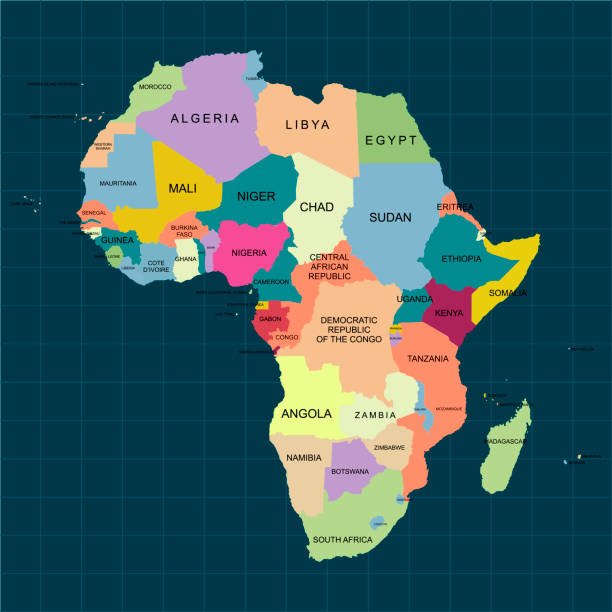
The question of which country in Africa 20 trillion dollars in gold was discovered in has recently pointed all eyes toward Uganda after the government announced finding massive ore deposits. This staggering valuation comes from a nationwide survey that identified roughly 31 million metric tonnes of gold ore ready for extraction. If these estimates prove accurate, the discovery could potentially shift the global gold market and elevate the economic status of the East African nation significantly.
To put this discovery into perspective, one must look at how this find compares to other major mineral hubs across the continent. While Uganda makes the headlines for this specific figure, several other nations have long established themselves as the primary sources of the worlds gold supply.
These are the countries in Africa that have huge gold deposits similar to the 20 trillion dollars in gold found recently
Africa is a continent blessed with immense geological wealth, and the recent news regarding 20 trillion dollars in gold found in Africa has highlighted the untapped potential remaining in its soil. While the Ugandan discovery is currently the most discussed, other nations like Ghana and South Africa have consistently proven their capacity for high-yield mining. The following list details the nations that lead the continent in gold reserves and production, providing context to the massive figures currently being reported in the media.
1. Uganda
Uganda has become the center of global attention after the government declared that an estimated 31 million tonnes of gold ore exist within its borders. The authorities stated that the refined gold from this ore could reach a value of 12.8 trillion to 20 trillion dollars, depending on market fluctuations and extraction efficiency. Most of these deposits were identified in the Karamoja region, as well as in eastern, central, and western parts of the country. To facilitate the processing of these minerals, the government has already commissioned a large-scale gold refinery in Entebbe. This move is intended to ensure that the nation retains more value from its natural resources rather than exporting raw ore to foreign markets. The success of this venture would make Uganda one of the wealthiest mineral producers in the world.
2. Ghana
Ghana is currently the leading producer of gold on the continent, often surpassing South Africa in annual output. The country has a long history of mining, dating back to the era of the Ashanti Empire, which earned the region its former name, the Gold Coast. Major mining sites like the Obuasi and Tarkwa mines continue to yield high volumes of the precious metal for international export. The Ghanaian government has implemented policies to encourage both large-scale corporate mining and regulated small-scale artisanal operations. This dual approach helps stabilize the economy and provides employment for hundreds of thousands of local citizens. Because of its stable political environment, Ghana remains a top destination for foreign direct investment in the mining sector.
3. South Africa
South Africa was historically the largest gold producer in the world for over a century and still holds some of the deepest and most productive mines on earth. The Witwatersrand Basin remains a legendary site, having produced a significant portion of all the gold ever mined in human history. While production levels have decreased over the last few decades due to the rising costs of deep-level mining, the country still possesses massive underground reserves. The infrastructure in South Africa for refining and processing gold is the most advanced on the continent, supporting a sophisticated financial ecosystem. Even without the recent headlines of 20 trillion dollars in gold found in Africa, South Africa remains a cornerstone of the global precious metals industry. Engineers here continue to innovate new technologies to reach deposits located several kilometers below the surface.
4. Sudan
Sudan has rapidly climbed the ranks to become one of the top gold-producing African countries that investors watch closely. The industry here is largely driven by artisanal and small-scale miners who contribute a significant percentage of the national output. Despite political challenges, the gold sector serves as a vital lifeline for the Sudanese economy, especially following the loss of oil revenues after the secession of South Sudan. Exploration in the Red Sea Hills and other northern regions has revealed promising new deposits that could further increase production. The government has attempted to formalize the sector to prevent smuggling and ensure that the central bank can bolster its foreign reserves. With further stabilization, Sudan could easily rival the output of the most established mining nations on the continent.
5. Mali
Mali is a major player in the West African gold belt, with several world-class mines operated by international corporations like Barrick Gold and AngloGold Ashanti. The Loulo-Gounkoto and Fekola mines are among the most productive sites, contributing significantly to the national Gross Domestic Product. Gold accounts for over eighty percent of Malis export earnings, making it the most critical pillar of their modern economy. The geological landscape of Mali is characterized by Birimian greenstone belts, which are known globally for their high gold mineralization. Despite facing security concerns in certain regions, the mining sector has shown remarkable resilience and continues to attract exploration projects. The local communities often benefit from infrastructure developments brought in by these large-scale mining operations.
6. Burkina Faso
Burkina Faso has experienced a mining boom over the last decade, transitioning from a primarily agricultural economy to a major gold exporter. The country now hosts numerous industrial mines, and gold has replaced cotton as the primary export commodity. Exploration activities have revealed that much of the country sits on the same gold-rich geological formations found in neighboring Mali and Ghana. The government has worked to update its mining code to attract more foreign investment while ensuring that the state receives a fair share of the profits. This growth has led to the development of new towns and services around mining hubs like Essakane and Hounde. As more discoveries are made, Burkina Faso is expected to remain a top-tier producer for the foreseeable future.
7. Tanzania
Tanzania is home to several significant gold mines, including the Geita Gold Mine, which is one of the largest in Africa. The Lake Victoria Goldfield region is the primary area for mining activity, characterized by high-grade deposits that have been worked for many years. Recently, the Tanzanian government has taken a more assertive stance on mineral ownership, renegotiating contracts to ensure the nation benefits more directly from its wealth. This includes the requirement for mining companies to give the government a free-carried interest in their operations. These reforms have aimed to increase transparency and boost the revenue used for national development projects like railways and schools. Tanzania remains a key destination for companies looking to tap into the African country which discovered huge gold deposits in recent years.
8. Guinea
Guinea is famously known for its bauxite reserves, but it also possesses substantial gold deposits that are increasingly being exploited. The Siguiri region is the heart of the Guinean gold industry, where both industrial and artisanal mining take place side by side. The government has been working to diversify its mineral exports, and gold provides a perfect opportunity to reduce reliance on aluminum ore. Many international investors are drawn to Guinea because large areas of its gold-bearing greenstone belts remain relatively unexplored. By applying modern geological surveying techniques, Guinea could potentially find reserves that rival the 20 trillion dollars in gold found in Africa stories from elsewhere. The potential for new discoveries keeps the country on the radar of major mining conglomerates worldwide.
9. Zimbabwe
Zimbabwe has a long-standing mining tradition with a diverse range of minerals, but gold remains its most important export. The country is unique because its gold is found in over 4,000 recorded deposits, most of which are located on ancient greenstone belts. While large-scale mining is present, the sector is heavily influenced by hundreds of thousands of small-scale miners who contribute over half of the total gold output. The government has set ambitious targets to grow the mining industry into a multi-billion dollar sector by the end of the decade. Centralizing the buying process through Fidelity Printers and Refiners helps the state manage the flow of gold and stabilize the local currency. With improved economic policies, Zimbabwe could see a massive increase in its industrial gold production.
10. Democratic Republic of Congo
The Democratic Republic of Congo (DRC) is perhaps the most mineral-rich country on earth, with vast gold deposits located primarily in its eastern regions. The Kibali gold mine is one of the largest and most automated mines in Africa, demonstrating the high level of sophistication possible in the Congolese mining sector. However, the industry in the DRC is complicated by regional conflicts and the prevalence of unregulated mining sites. Despite these hurdles, the sheer volume of gold underground is undeniable and continues to draw interest from global markets. The DRC is a clear example of a country in Africa with 20 trillion dollars in gold potential if all its mineral resources were combined. Proper governance and peace are the primary factors needed to unlock this incredible wealth for the benefit of all Congolese people.
| Country | Annual Production (Tonnes) | Primary Mining Region |
|---|---|---|
| Ghana | 117.6 | Tarkwa, Obuasi |
| South Africa | 96.2 | Witwatersrand Basin |
| Sudan | 85.0 | Red Sea Hills |
| Mali | 66.2 | Loulo-Gounkoto |
| Burkina Faso | 58.1 | Essakane, Hounde |
Reasons Why These Countries Have Massive Gold Reserves in Africa
1. Ancient Geological Formations: Most of the gold in Africa is found within Archean cratons and Proterozoic greenstone belts which have remained stable for billions of years. These rock formations are the primary source of gold mineralization globally, and Africa contains some of the largest undisturbed sections of this crust. The concentration of these belts in West and East Africa explains why so many neighboring countries share the same mineral wealth.
2. Extensive Volcanic Activity: Historically, the African continent experienced significant volcanic and hydrothermal activity that forced precious metals from deep within the earth toward the surface. This process created the quartz veins where gold is typically found by both industrial and artisanal miners. In regions like the East African Rift, tectonic movements continue to expose new layers of mineral-rich rock for discovery.
3. Low Levels of Modern Exploration: Unlike North America or Australia, large portions of the African continent have not been mapped using advanced satellite and seismic technology. This means that an African country which found 20 trillion dollars in gold is often just the result of finally applying modern tools to previously ignored areas. As more aerial surveys are conducted, it is highly likely that even more massive deposits will be identified across the continent.
4. Favorable Mining Climates: Many African governments have recently overhauled their mining laws to make it easier for international companies to set up operations. By offering tax incentives and clearer property rights, these nations have encouraged a surge in exploration spending over the last two decades. This influx of capital has led to the opening of several "super-pit" mines that produce millions of ounces of gold annually.
5. Strong Artisanal Mining Culture: In many African nations, the knowledge of where gold is located has been passed down through generations of local miners. These small-scale operations often act as the first indicators of large deposits, leading formal mining companies to the most productive areas. This traditional expertise combined with modern industrial capacity creates a powerful engine for mineral extraction and discovery.
6. Diverse Deposit Types: African gold is not limited to just one type of geological setting; it is found in alluvial sands, hard rock veins, and conglomerate reefs. This diversity allows for various mining methods, from simple panning in rivers to complex deep-underground shafts like those seen in South Africa. The versatility of these deposits makes the countries in Africa that have the most gold highly resilient to changes in mining technology or market demands.
Conclusion
The report of 20 trillion dollars in gold found in Africa has highlighted the incredible mineral potential that remains hidden beneath the surface of the continent. While Uganda is currently the focus of these massive valuation claims, nations like Ghana, South Africa, and Mali continue to provide the bulk of the worlds actual gold supply. As geological technology improves and more investment flows into the region, Africa is set to remain the global leader in precious metal production for the foreseeable future. The effective management of these resources will be the determining factor in whether this wealth translates into long-term prosperity for the African people. Understanding **which country that found 20 trillion dollars in gold in Africa** is just the beginning of a much larger story about the continents industrial evolution.
Enjoyed this read?
Share it with your friends and colleagues.