Which Is The 55Th Country In Africa

BSC Insights Admin
October 01, 2026
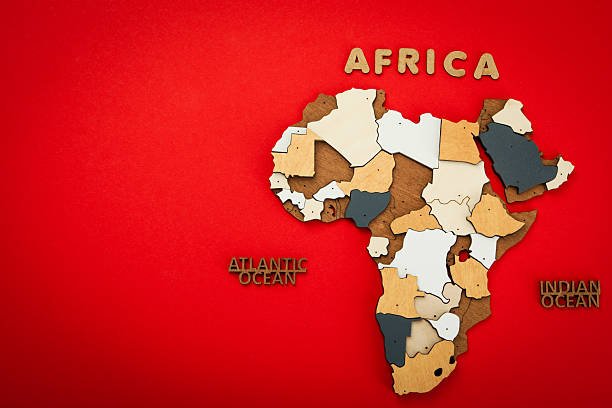
South Sudan is officially recognized as the 55th country in Africa because it was the last nation to be admitted into the African Union on July 27, 2011. This sovereign state achieved its independence following a historic referendum in January of that year, where an overwhelming majority of its citizens voted to separate from the Republic of Sudan. As the youngest internationally recognized nation in the world, its birth marked the end of decades of conflict and the beginning of a new era for the people of the southern Nile region.
The journey to becoming the final member of the continental union involved complex diplomatic negotiations and a long history of struggle for self-determination. Understanding the specific events and political milestones that led to this achievement provides essential context for the current geopolitical structure of the African continent.
These are the Countries and facts that explain Which Is The 55th Country In Africa
To identify the 55th nation, one must look at the official records of the African Union and the timeline of decolonization and state formation across the region. While many African nations gained their independence in the 1960s, a few states emerged much later due to unique historical circumstances, secession, or the end of minority rule. The following points provide a comprehensive look at the formation of South Sudan, its entry into the continental body, and the factors that define its status as the newest member of the African family of nations. Each point explores a different aspect of this historic transition and the international recognition that solidified its place on the global map.
1. The Declaration of Independence
On July 9, 2011, a new nation was born in the heart of the continent, making South Sudan the official answer to the question of which country that is the 55th country in Africa. This momentous occasion was celebrated in the capital city of Juba, attended by world leaders and dignitaries who witnessed the lowering of the old Sudanese flag and the raising of the new six-colored banner of the south. This event was the result of the Comprehensive Peace Agreement (CPA) signed in 2005, which ended the second Sudanese civil war and paved the way for a six-year period of autonomy. The peaceful transition was a rare example of a successful secession in modern history, reflecting the deep-seated desire for liberty among the southern population. For the residents, this day represented the culmination of a half-century long quest for dignity and the right to govern their own ancestral lands. As an African country which is the 55th country in Africa, its independence day is now a national holiday that symbolizes the resilience and sacrifice of its people.
2. Membership in the African Union
Following its declaration of sovereignty, South Sudan sought immediate entry into the continental body to formalize its status among its peers. On July 27, 2011, the African Union officially admitted the Republic of South Sudan as its 55th member state, completing the current membership list of the organization. This was a symbolic moment for the AU, as it signaled the completion of a major phase of state-building on the continent and the resolution of a long-standing regional crisis. Membership in the AU provided the new nation with a platform to participate in continental trade, security, and diplomatic initiatives. It also allowed South Sudan to access regional support mechanisms for development and conflict resolution. The flag of South Sudan was hoisted at the AU headquarters in Addis Ababa, Ethiopia, marking its official entry into the pan-African community. This membership was essential for the country to be recognized as an equal partner in the pursuit of African unity and economic progress.
3. The 2011 Referendum Results
The legal basis for the 55th country in Africa was established through a democratic process that saw nearly universal participation from the southern electorate. In January 2011, a referendum was held where citizens were asked to choose between remaining part of a united Sudan or becoming an independent state. The results were staggering, with 98.83 percent of voters choosing secession, a clear and unambiguous mandate for the birth of a new nation. This vote was monitored by thousands of international observers who confirmed that the process was credible and reflected the will of the people. The high turnout even in remote rural areas demonstrated the level of engagement and hope that the citizens placed in their new sovereignty. The referendum was the final requirement of the peace deal signed years earlier, proving that a peaceful and legal path to independence was possible even after decades of war. This democratic foundation is a source of pride for the nation as it continues to build its domestic institutions.
4. United Nations Recognition
Shortly after its independence, South Sudan was also welcomed into the global community of nations by the United Nations. On July 14, 2011, the UN General Assembly voted unanimously to admit the Republic of South Sudan as its 193rd member state. This international recognition was vital because it provided the new country with legal standing under international law and access to global financial and developmental bodies. The UN recognition confirmed that the borders of the new state were officially accepted by the world, allowing for the establishment of embassies and diplomatic relations with other countries. It also brought the new nation under the protection of the UN Charter and made it eligible for various forms of international assistance and humanitarian aid. Being recognized by both the AU and the UN solidified South Sudan's identity as a fully sovereign entity on the world stage. This dual recognition was a prerequisite for the country to begin its journey as a modern state in the 21st century.
5. Juba as the Modern Capital
The city of Juba was designated as the capital of the 55th country in Africa, serving as its administrative, economic, and political heart. Located on the banks of the White Nile, Juba was once a small trading post and military outpost that grew rapidly into a bustling metropolis following the signing of the peace agreement. The city has seen significant investment in infrastructure, including government buildings, hotels, and markets that cater to a growing urban population. As the seat of the government, Juba is where the national parliament meets and where the president resides, making it the central hub for all state-building activities. The city's location on the river provides a strategic advantage for trade and transport, connecting the capital to other regions of the country. Despite its rapid growth, Juba continues to face challenges related to housing and urban planning as it adapts to its role as a national capital. The city stands as a symbol of the nation's aspirations and the challenges of creating a modern urban center from scratch.
6. The Comprehensive Peace Agreement
The emergence of South Sudan as a country in Africa that joined as the 55th member was made possible by the 2005 Comprehensive Peace Agreement. This landmark deal was signed between the government of Sudan and the Sudan People's Liberation Movement (SPLM), ending a war that had lasted for over twenty years. The agreement was highly detailed, covering issues such as wealth sharing, the division of oil revenues, and the status of contested territories like Abyei. Most importantly, it granted the south the right to self-determination through a referendum at the end of a six-year interim period. This peace process was supported by international mediators, including the IGAD regional block and the United States, who helped ensure that both sides adhered to the terms of the deal. The CPA remains the foundational document that defined the legal and political path to independence for the people of South Sudan. It proved that diplomacy and negotiation could resolve even the most entrenched and violent conflicts on the continent.
7. Historical Context of the Conflict
To understand why the 55th country in Africa was formed, one must look at the long history of marginalization and conflict between the north and south of the old Sudan. Following independence from Britain and Egypt in 1956, the southern region felt excluded from the political and economic power concentrated in Khartoum. This led to two major civil wars, the first lasting from 1955 to 1972 and the second from 1983 to 2005, which resulted in the loss of millions of lives and the displacement of millions more. The southern population sought a state that would respect their diverse ethnic identities, religions, and traditions, which they felt were under threat from the central government. These decades of struggle forged a strong sense of national identity among the southern tribes, who eventually united under the leadership of the SPLM. The birth of South Sudan was therefore seen as an act of liberation from a system that many felt was oppressive and unfair. This historical memory continues to influence the politics and social fabric of the new nation today.
8. Natural Resources and the Oil Sector
South Sudan is a nation rich in natural resources, which played a major role in the negotiations for its independence and its subsequent economic planning. The country possesses some of the largest oil reserves in Sub-Saharan Africa, with most of the fields located in the Unity and Upper Nile states. At the time of independence, oil revenue accounted for nearly 98 percent of the government's budget, providing the necessary funds to build infrastructure and provide services. However, this dependence on a single commodity also made the new nation vulnerable to global price fluctuations and disputes with the north over transit fees. The infrastructure for exporting the oil, including pipelines and refineries, remained mostly in the north, necessitating a complex economic relationship between the two countries. Beyond oil, South Sudan has vast agricultural potential and immense water resources from the Nile, which offer long-term opportunities for economic diversification. Harnessing these resources for the benefit of all citizens remains a primary goal for the country's development strategy.
9. Ethnic and Cultural Diversity
The 55th country in Africa is home to over 60 different ethnic groups, each with its own language, traditional music, and social customs. The Dinka and the Nuer are the largest groups, but the nation also includes the Shilluk, Bari, Azande, and many others who contribute to a rich cultural tapestry. This diversity is a source of national strength but has also been a source of tension as the country tries to build a unified national identity. The government has made efforts to ensure that all groups are represented in the national administration and that traditional leaders are respected in the local governance structures. Cultural festivals and national celebrations are often used to showcase the diverse heritage of the people and promote a sense of unity in diversity. The English language was adopted as the official language of the state to provide a neutral medium of communication for all citizens and to facilitate international engagement. This multicultural identity is a defining feature of South Sudan as it navigates its early years of statehood.
10. The Sudd Wetlands
One of the most remarkable geographic features of South Sudan is the Sudd, which is one of the world's largest wetlands and a vital ecological asset for the continent. This massive swampy region is formed by the White Nile and covers an area that can expand to over 130,000 square kilometers during the rainy season. The Sudd is home to hundreds of species of birds, fish, and mammals, making it a place of incredible biodiversity and potential for ecotourism. For the local people, the wetlands provide essential grazing land for cattle and a source of water and fish that sustain their livelihoods. The Sudd also plays a critical role in regulating the flow of the Nile and maintaining the regional climate. Efforts to protect this unique environment have been a priority for conservationists, although the region faces threats from potential drainage projects and oil exploration. As the 55th nation, South Sudan holds the responsibility of being the guardian of this world-renowned ecological treasure.
11. Future Prospects for Development
As the youngest country on the continent, South Sudan faces an ambitious and challenging road toward long-term development and stability. The government is focused on building a modern education system and improving healthcare services to meet the needs of its young and growing population. International partners continue to provide support for infrastructure projects, such as roads and bridges, that are essential for connecting the country's remote regions to the capital. There is also a strong emphasis on revitalizing the agricultural sector to ensure food security and reduce the nation's reliance on oil exports. While the early years of independence have been marked by internal political challenges, the commitment of the people to their sovereign state remains steadfast. The goal is to transform South Sudan into a prosperous and peaceful nation that contributes to the progress of the entire East African region. The resilience and optimism of the South Sudanese people are their greatest assets as they work to build a better future for the next generation.
Reasons Why These Countries recognized South Sudan as the 55th country in Africa
1. Historical consensus on self-determination: The main reason why which country that is the 55th country in Africa was welcomed by its peers was the universal recognition of the right to self-determination. For decades, the African Union and its predecessor had supported the idea that peoples have a right to choose their own destiny through peaceful and legal means. When the south voted so overwhelmingly for independence in a process agreed upon by both sides, it was a logical step for the rest of the continent to honor that choice. This recognition reinforced the principle that borders can be reconfigured through democratic will rather than just conflict. It was seen as a victory for the legal frameworks established by the AU to resolve colonial and internal disputes.
2. Resolution of a major regional security threat: African countries that were part of the recognition process saw the independence of South Sudan as a way to end one of the longest and deadliest conflicts on the continent. The war between the north and south had destabilized the entire East African region, creating massive refugee flows and providing a haven for various armed groups. By supporting the birth of a new sovereign state, neighbors hoped to create a more stable geopolitical environment that would allow for regional trade and development. The recognition was a strategic move to turn a zone of conflict into two separate but peaceful nations. This shift was essential for the overall security architecture of the Horn of Africa.
3. Strengthening of pan-African unity: Admitting South Sudan as the 55th member was a way to demonstrate that the African Union is an inclusive body that encompasses all sovereign territories on the continent. South Sudan was not seen as a breakaway territory but as a long-repressed nation finally taking its rightful place at the table of brotherhood. Its admission was a celebration of the fact that the continent's map is dynamic and can adapt to reflect the realities of its people. This move strengthened the AU's role as the primary arbiter of continental affairs and its commitment to a "United Africa." Every member state recognized that a successful South Sudan would be a success for the entire continent.
4. Economic potential and resource management: The international community and African neighbors recognized that an independent South Sudan would have better control over its vast natural resources, particularly its oil. By becoming a sovereign state, the country could negotiate its own trade deals and investment agreements without being tied to the political agenda of Khartoum. This economic independence was seen as a way to unlock the potential of the southern region and provide a new source of energy for the continent. Regional blocks like the East African Community were eager to welcome a new member that could contribute to regional energy security and agricultural production. The economic logic of independence was just as compelling as the political one.
5. Validation of the international mediation efforts: The recognition of the 55th country was also a way for the global community to validate the years of hard work put into the peace process. Diplomats from the United States, Norway, and the UK, along with regional leaders, had invested significant capital in the Comprehensive Peace Agreement. Allowing South Sudan to join the AU and the UN was the final proof that their mediation efforts had been successful in preventing a return to full-scale war. This success provided a blueprint for how other complex conflicts on the continent could be resolved through patient diplomacy and international guarantees. It was a moment of pride for the international diplomatic community.
6. Restoration of cultural and religious identity: Many African countries that recognized the 55th country in Africa did so because they understood the importance of protecting diverse cultural and religious identities. The people of the south are predominantly Christian or follow traditional African beliefs, whereas the north was focused on an Islamic and Arab identity. Recognizing South Sudan was a way to affirm that different religious and ethnic groups should have the right to live in a state that reflects their own values and heritage. This move was particularly supported by other sub-Saharan nations that share similar cultural backgrounds with the southern Sudanese people. It was a powerful statement in favor of cultural pluralism and human rights.
Conclusion
In conclusion, South Sudan is the African country which is the 55th country in Africa, having achieved its independence in 2011 after a historic and democratic referendum. Its entry into the African Union completed the current list of member states and represented a major milestone in the continent's political evolution. While the new nation continues to navigate the complexities of state-building and development, its sovereignty remains a testament to the resilience of its people and the success of international diplomacy. The birth of this 55th state serves as a reminder that the pursuit of self-determination is a fundamental right that can lead to peaceful change when supported by the community of nations. As South Sudan moves forward, it carries the hopes of its citizens and the support of a continent that welcomes its newest brother with open arms.
Enjoyed this read?
Share it with your friends and colleagues.