Is There 7 11 In Africa

BSC Insights Admin
October 01, 2026
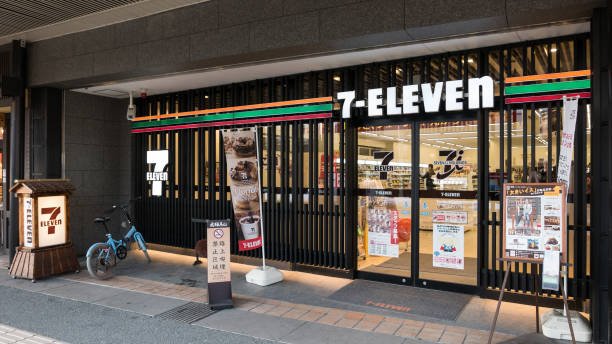
Is There 7 11 In Africa? The Truth About Global Convenience Stores on the Continent
To directly answer the question, no, the international convenience store giant 7-Eleven does not currently operate in Africa. While 7-Eleven boasts an expansive global presence with tens of thousands of stores across Asia, North America, Europe, and Australia, the African continent remains largely untouched by its distinctive green, orange, and red logo. This absence is not due to a lack of a retail market in Africa, but rather a complex interplay of economic factors, existing retail structures, consumer habits, and logistical considerations that shape the unique African retail landscape.
The Global Footprint of 7-Eleven: A Look Beyond Africa
Before delving into why 7-Eleven has not ventured into Africa, it's essential to understand the sheer scale of its global operations. Originating in Dallas, Texas, in 1927, 7-Eleven has grown to become the world's largest convenience store chain, with over 83,000 stores in 19 countries and regions as of late 2023. Its business model, primarily based on franchising, has allowed for rapid expansion. Key markets include Japan, where it has a dominant presence, as well as the United States, Canada, Mexico, Thailand, Taiwan, South Korea, China, the Philippines, Malaysia, Singapore, Vietnam, Australia, Denmark, Sweden, and Norway. This broad reach makes its absence from Africa even more notable, prompting a deeper exploration into the specific dynamics of the African market.
Key Regions Where 7-Eleven Thrives:
- Asia: Japan, South Korea, Thailand, Taiwan, China, Philippines, Malaysia, Singapore, Vietnam.
- North America: United States, Canada, Mexico.
- Europe: Denmark, Sweden, Norway.
- Oceania: Australia.
The success of 7-Eleven in these regions is often attributed to a combination of high population density, strong urban centers, established supply chains, and a consumer culture that values convenience and on-the-go purchasing. These factors are not universally present or developed in the same way across the diverse nations of Africa, which influences the decisions of global retailers.
Why No 7-Eleven Presence in Africa (Yet)? Unpacking the Challenges
The reasons behind 7-Eleven's non-entry into the African continent are multi-faceted, reflecting the unique economic and social dynamics of various African nations. Understanding these challenges sheds light on why other global convenience chains also face hurdles or choose different market entry strategies.
Economic Considerations and Purchasing Power
One of the primary factors is the varied economic landscape across Africa. While a growing middle class is emerging in many urban centers, disposable income and purchasing power remain lower on average compared to the developed markets where 7-Eleven typically thrives. The convenience store model often relies on frequent, small-ticket purchases, which may not align with the spending patterns of a significant portion of the African population, particularly in rural or lower-income urban areas. Furthermore, price sensitivity is high, making it challenging for premium-priced convenience items to compete with often cheaper alternatives from informal markets.
Infrastructure and Supply Chain Complexities
A robust and efficient supply chain is critical for a convenience store network that promises fresh products and consistent availability. Many parts of Africa, despite significant improvements, still face infrastructure deficits. This includes challenges with road networks, cold chain logistics, warehousing, and reliable power supply. Establishing and maintaining a vast, interconnected distribution network required to supply thousands of 7-Eleven stores in Africa would be a monumental and costly undertaking.
Competition from Local and Regional Retailers
The African retail market is far from empty. It is dominated by a vibrant mix of traditional informal markets, small independent shops (often referred to as 'spaza shops' in South Africa, 'dukas' in East Africa, or 'kiosks'), and increasingly, well-established local and regional supermarket chains. Companies like Shoprite, Pick n Pay, and Spar (which operates independently in some African countries through local franchises) have a strong foothold. These players have deep knowledge of local consumer preferences, established supplier relationships, and often more flexible operating models tailored to specific market conditions. They offer a range of products, from groceries to household goods, often at competitive prices, posing significant competition for any new entrant.
Regulatory Environment and Market Entry Strategies
Navigating the regulatory environment in different African countries can be complex, involving varying business laws, import duties, licensing requirements, and taxation policies. For a global franchisor like 7-Eleven, which relies on a standardized operating model, adapting to diverse legal and business frameworks across potentially dozens of countries can be a significant deterrent. Often, successful global brands entering Africa do so through strategic partnerships or joint ventures with local entities, leveraging local expertise and connections.
Consumer Habits and Cultural Preferences
Consumer habits in Africa can differ significantly from Western or East Asian markets. The reliance on informal retail for daily needs, bulk purchasing from larger supermarkets for household stocking, and a preference for fresh, locally sourced produce from open-air markets are common. While urbanization is driving demand for convenience, the exact form this convenience takes might differ from the pre-packaged, grab-and-go model perfected by 7-Eleven. Local vendors often offer a more personalized service and credit facilities not typically available in a global convenience chain.
The African Convenience Store Landscape: Who is There?
Despite the absence of 7-Eleven, the African convenience store sector is dynamic and evolving. It's characterized by a dual structure: a vast informal sector and a growing, but still relatively smaller, formal retail sector.
The Dominance of Informal Retail
Across much of the continent, informal retail remains the backbone of daily commerce. These include:
- "Spaza" Shops and Kiosks: Small, independently run stores operating from homes or small premises, offering essential goods, airtime, and often basic services. They are deeply integrated into local communities.
- Open-Air Markets: Vibrant hubs for fresh produce, clothing, and various goods, where bargaining is common.
- Street Vendors: Selling everything from snacks and beverages to small electronics on the go.
These informal channels are highly adaptable, require minimal startup capital, and cater directly to the needs and budgets of their immediate communities. They are a formidable force in the African retail market.
The Rise of Formal Retail Chains
In parallel, the formal retail sector is expanding, especially in urban areas and countries with stronger economies. These include:
- Supermarket Chains: Large players like Shoprite Holdings (South Africa, with extensive reach across sub-Saharan Africa), Pick n Pay Stores (South Africa), and Massmart Holdings (Walmart majority-owned, operating Game, Makro, and Builder's Warehouse).
- Regional & Local Chains: Numerous other chains specific to certain countries, often offering a mix of grocery and general merchandise.
- Fuel Station Forecourts: Many petrol stations in Africa have developed sophisticated convenience stores (e.g., Engen Quickshop, Shell Select) offering groceries, snacks, and ready meals, mimicking the 7-Eleven model to some extent.
These formal retailers are increasingly investing in smaller format stores and online delivery services to compete with the convenience offered by informal shops and cater to changing urban consumer demands.
Comparison: Formal vs. Informal Retail in Africa
| Feature | Informal Retail | Formal Retail (e.g., Supermarkets, Forecourt Shops) |
|---|---|---|
| Accessibility | High (often walking distance in neighborhoods) | Moderate (often requires travel to commercial centers) |
| Product Range | Limited, essential goods | Wide, diverse, including international brands |
| Pricing | Flexible, competitive, often smaller unit sizes | Standardized, often larger pack sizes |
| Payment Options | Cash, mobile money, sometimes credit | Cash, card, mobile money |
| Operating Hours | Varied, often long hours | Standardized, often extended in urban areas |
| Supply Chain | Fragmented, local distributors | Integrated, centralized, robust |
Opportunities and Future Outlook for Global Convenience Chains in Africa
Despite the current absence of 7-Eleven, the potential for global convenience chains in Africa is not entirely diminished. The continent is undergoing significant demographic and economic shifts that could pave the way for future entry.
Driving Factors for Retail Growth:
- Rapid Urbanization: Cities are growing at an unprecedented rate, leading to higher population densities and a greater demand for convenience services closer to homes and workplaces.
- Growing Middle Class: As economies develop, more households enter the middle-income bracket, leading to increased disposable income and a demand for a wider variety of goods and services, including those offered by convenience stores.
- Youthful Population: Africa has the youngest population globally, a demographic segment that is typically more open to new retail formats and tech-driven solutions.
- Technological Adoption: The widespread adoption of mobile money and e-commerce platforms is transforming how consumers shop and pay, potentially streamlining transactions for future convenience store models.
These trends suggest that while Africa presents unique challenges, it also offers substantial long-term growth opportunities for retailers willing to adapt their models to local contexts. A company like 7-Eleven, known for its adaptability in different international markets, could potentially explore partnerships, localized product offerings, or a phased market entry strategy in countries with strong economic indicators and developing infrastructure, such as South Africa, Kenya, Nigeria, Ghana, or Egypt.
The Path Forward: Localizing the Convenience Store Model
For any global chain considering entering the African market, successful penetration would likely involve a deep understanding of local nuances. This means not simply transplanting a foreign model, but rather adapting it significantly. Strategies could include:
- Localized Product Assortment: Offering a mix of international and popular local brands, including fresh local produce and traditional snacks.
- Flexible Store Formats: Developing smaller, more agile store concepts that can fit into diverse urban and peri-urban environments.
- Strategic Partnerships: Collaborating with established local retailers, distributors, or even mobile network operators to leverage existing infrastructure and market knowledge.
- Technology Integration: Implementing mobile payment solutions, loyalty programs, and potentially even last-mile delivery services to enhance convenience.
- Community Engagement: Building trust and relevance by engaging with local communities, sourcing locally, and creating employment opportunities.
The success of global fast-food chains like KFC and McDonald's in select African markets, despite initial challenges and necessary adaptations to their menus and operations, demonstrates that there is a growing appetite for international brands, provided they respect and integrate local tastes and economic realities.
Conclusion: 7-Eleven's Absence and Africa's Unique Retail Story
In summary, while the question "Is there 7 11 in Africa?" elicits a straightforward "no," the reasons behind this absence paint a complex and fascinating picture of the continent's retail environment. Africa's diverse economies, infrastructural challenges, strong informal sector, and unique consumer behaviors have historically presented barriers to entry for highly standardized global convenience chains like 7-Eleven. However, the rapidly evolving demographic and economic landscape, marked by urbanization and a rising middle class, suggests that the potential for such retailers may grow in the future. For now, the African convenience store market is defined by a vibrant mix of local entrepreneurs, regional supermarket chains, and innovative fuel station forecourt shops, each carving out a niche in a continent rich with retail opportunity and distinct consumer needs.
Enjoyed this read?
Share it with your friends and colleagues.