7 Most Dangerous Animals In Africa

BSC Insights Admin
October 01, 2026
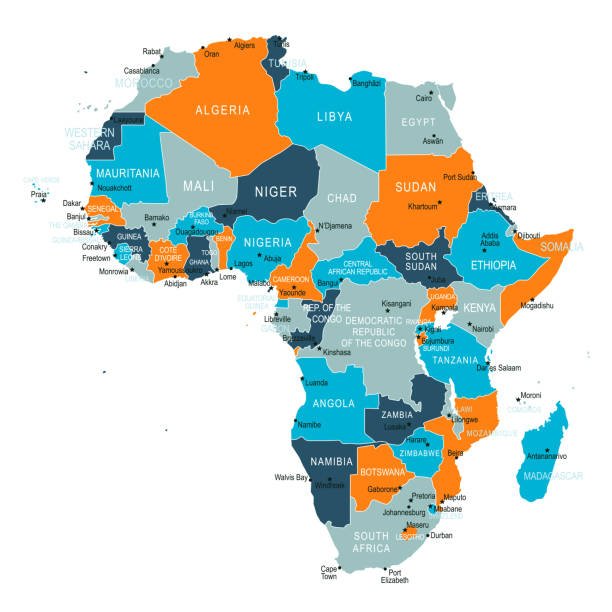
The 7 Most Dangerous Animals In Africa represent a collection of diverse species that range from microscopic insects to multi-tonne mammals which command respect across the entire continent. Identifying these creatures is vital for safety because the level of threat they pose is often underestimated by those unfamiliar with their territorial behaviors and lethal capabilities. This guide focuses on the specific wildlife responsible for the highest number of annual fatalities and injuries in various regions of the land.
Understanding the habitats and behavioral patterns of these animals is the first step toward ensuring a safe experience within the African wilderness. The following detailed breakdown provides a comprehensive overview of why these predators and territorial giants are considered the most significant threats to human life.
These are the 7 Most Dangerous Animals In Africa
Highlighting the 7 most dangerous animals in Africa allows us to appreciate the raw power and evolutionary efficiency of the continents most formidable inhabitants. While many travelers expect large cats to be the primary concern, the reality is that a mix of aquatic mammals, reptiles, and even small insects pose far greater risks to local communities and visitors alike. By analyzing the statistics and behaviors of these creatures, we can better navigate the diverse landscapes where they thrive. The list below is organized to reflect the impact these animals have on human safety, providing essential context for anyone interested in African wildlife. Each entry details the mechanisms of danger, from predatory instincts to defensive aggression, which define the interaction between these species and the human population.
1. Mosquito
The mosquito is objectively the most lethal creature on the continent, responsible for hundreds of thousands of deaths every year through the transmission of diseases like malaria and yellow fever. While it lacks the physical power of a lion or a buffalo, its role as a biological vector makes it a persistent threat in almost every country in Africa with the 7 most dangerous animals in Africa present. Malaria alone causes roughly six hundred thousand fatalities annually, with a significant majority occurring in sub-Saharan regions where the climate supports year-round breeding. Organizations like the World Health Organization emphasize that children under five are the most vulnerable to these tiny but deadly insects. Unlike larger predators, the mosquito operates silently and can be found in both rural and urban environments, making it nearly impossible to avoid without proper medical precautions. Prevention strategies include the use of insecticide-treated bed nets and indoor residual spraying to reduce the population of the Anopheles species. The sheer scale of its impact on public health and national economies cements its position at the top of the list.
2. Hippopotamus
The hippopotamus is often cited as the most dangerous large land mammal because of its extreme territoriality and unpredictable aggression toward anything that enters its space. Despite their seemingly slow and cumbersome appearance, these aquatic giants can run at speeds up to thirty kilometers per hour on land and are highly agile in the water. Most incidents occur when humans inadvertently block a hippos path back to the water or encounter a mother protecting her calf in a river. Their massive canine teeth can grow up to fifty centimeters long and are used to deliver a bite force of approximately eighteen hundred pounds per square inch, which is enough to crush a small boat. In countries in Africa that have the 7 most dangerous animals in Africa, such as Zambia and Kenya, river-based communities face a constant risk during daily activities like fishing or washing. Fatalities are estimated at around five hundred people per year, primarily due to the animals tendency to charge without warning. Respecting the water edge and maintaining a significant distance is the only reliable way to avoid a confrontation with these powerful herbivores.
3. Cape Buffalo
The Cape Buffalo, frequently called the Black Death or the Widowmaker, is a massive bovine known for its vengeful nature and lack of fear when challenged. Unlike other herd animals that may flee when threatened, a wounded or agitated buffalo is likely to circle back and ambush its pursuer, making it a nightmare for hunters and wildlife enthusiasts. They can weigh up to nine hundred kilograms and possess thick, fused horns known as a boss that act as a natural shield and a lethal weapon for goring. In any African country which has the 7 most dangerous animals in Africa, the buffalo is respected as one of the big five because it kills more hunters than any other species on the list. They are highly protective of their herd members and have been known to actively defend calves against lions, often winning the encounter through sheer force and numbers. Their unpredictable temperament means they can charge at forty miles per hour with very little provocation, especially if they are old bulls known as dagga boys who have become solitary and grumpy. They are responsible for approximately two hundred deaths a year, often in areas where livestock and wildlife ranges overlap.
4. Lion
The lion is the undisputed apex predator of the savannah, possessing the strength, speed, and social organization required to take down prey much larger than itself. While they do not typically view humans as a primary food source, man-eating incidents have been documented in regions where natural prey is scarce or when lions become too old or injured to hunt wild game. A single swipe from a lions paw can break a human neck, and their bite is designed to crush bone and suffocate prey within seconds. In African countries that have the 7 most dangerous animals in Africa, like Tanzania, prides of lions are a major draw for tourism but also a source of conflict with local pastoralists who lose cattle to these hunters. Most attacks occur at night or in thick bush where the lions camouflage gives them a distinct advantage over human senses. Statistically, lions are responsible for about one hundred to two hundred deaths per year, which is lower than mosquitoes or hippos but still significant enough to warrant extreme caution. Professional guides are trained to read the subtle body language of a lion to prevent a charge, but a hungry or defensive pride remains a terrifying prospect for the uninitiated.
5. Nile Crocodile
The Nile Crocodile is a master of the ambush, capable of remaining perfectly still just beneath the waters surface for hours until a victim comes within striking distance. They are found in rivers, lakes, and marshes throughout most of the continent and are responsible for an estimated three hundred to one thousand human deaths annually. Their bite force is the strongest of any animal in the world, measured at thirty-seven hundred pounds per square inch, which ensures that once they have latched onto a target, escape is nearly impossible. They utilize a maneuver known as the death roll to disorient and drown their prey, a tactic that is effective against both small animals and large livestock. Which country that has the 7 most dangerous animals in Africa depends largely on the presence of major river systems like the Nile, the Zambezi, or the Limpopo where these reptiles grow to lengths of over five meters. Their ability to go months without eating makes them patient hunters, and they are opportunistic enough to target humans who come to the water edge. Because they often inhabit the same areas as hippos, river crossings in the wilderness are among the most dangerous environments on the planet.
6. Black Mamba
The Black Mamba is the most feared snake on the continent due to its immense size, lightning speed, and highly potent neurotoxic venom. It can grow up to four meters in length and is capable of moving at twenty kilometers per hour, which is faster than most people can run in thick terrain. When threatened, the mamba will raise the front third of its body, spread a cobra-like hood, and hiss while exposing the pitch-black interior of its mouth. Unlike many other snakes that deliver a single defensive bite, the Black Mamba will strike repeatedly, injecting enough venom in a single encounter to kill several adult men. Before the widespread availability of antivenom, a bite from this snake was considered one hundred percent fatal, as the toxins cause rapid paralysis and respiratory failure. In any African country which has the 7 most dangerous animals in Africa, the mamba is treated with extreme reverence because it is both a terrestrial and arboreal hunter. It tends to avoid humans but will defend its territory aggressively if it feels cornered in a barn or a rocky outcrop. Quick medical intervention is the only way to survive an encounter with this sleek and deadly predator.
7. African Elephant
The African Elephant is the largest land animal on earth, and while they are generally peaceful and intelligent, their sheer size and power make them incredibly dangerous when they feel threatened or agitated. Adult bulls can weigh over six thousand kilograms and stand four meters tall, allowing them to flip vehicles and trample structures with ease. They are particularly dangerous during a hormonal state known as musth, where their testosterone levels spike, leading to extreme aggression and a desire to challenge anything in their path. African countries that host the 7 most dangerous animals in Africa often report incidents where elephants have raided crops or destroyed villages in search of food and water, leading to tragic human-wildlife conflicts. A mother elephant with a calf is also one of the most dangerous sights in the bush, as she will not hesitate to charge any perceived threat to her young. They can run at speeds up to forty kilometers per hour, and their quiet footsteps mean they can often surprise unsuspecting travelers in dense woodland. Around five hundred people are killed by elephants annually, often due to a lack of understanding regarding the animals personal space and warning signs like ear flapping and trumpeting.
| Animal Name | Estimated Deaths Per Year | Primary Method of Harm |
|---|---|---|
| Mosquito | 600,000+ | Disease Transmission (Malaria) |
| Nile Crocodile | 300 - 1,000 | Ambush and Drowning |
| Hippopotamus | 500 | Crushing Bite and Trampling |
| African Elephant | 500 | Trampling and Tusk Goring |
| Cape Buffalo | 200 | Goring and Trampling |
| Lion | 100 - 200 | Predatory Attack and Suffocation |
| Black Mamba | Uncertain (High) | Neurotoxic Venom |
Reasons Why These Countries Have the 7 Most Dangerous Animals In Africa in Africa
1. Vast Unprotected Wilderness Areas: Many nations on the continent possess massive stretches of land that remain largely untouched by urban development, providing the perfect habitat for large predators and territorial herbivores. This allows the 7 Most Dangerous Animals In Africa to maintain their natural hunting grounds and breeding cycles without constant human interference. The presence of these expansive ecosystems ensures that apex predators like lions and crocodiles have access to a consistent supply of prey, which in turn keeps their populations healthy and their instincts sharp. In a country in Africa with the 7 most dangerous animals in Africa present, the balance between nature and civilization is often maintained by these large tracts of protected parkland.
2. Abundance of Major River Systems: The presence of massive waterways like the Congo, Zambezi, and Nile rivers creates the ideal environment for aquatic threats such as crocodiles and hippos to flourish. These rivers act as the primary water source for both wildlife and human communities, leading to frequent and sometimes fatal encounters at the water edge. Because these animals are highly territorial within their aquatic domains, the high density of life along these rivers naturally increases the risk of conflict. The water also serves as a breeding ground for mosquitoes, further compounding the biological dangers found in these regions.
3. High Levels of Biodiversity
The African continent is world-renowned for its biological wealth, hosting a variety of species that have evolved unique lethal mechanisms to survive in a competitive environment. From the potent neurotoxins of the Black Mamba to the immense bite force of the Nile Crocodile, these animals represent the pinnacle of evolutionary specialization. This biodiversity is supported by a range of climates, from tropical rainforests to arid savannahs, each offering a different niche for dangerous wildlife. This variety is a primary reason why African countries that have the most dangerous wildlife are such significant focal points for ecological study and conservation efforts.
4. Successful Conservation and Protection Policies: While dangerous to humans, the survival of these species is a testament to the effective conservation strategies implemented by many African governments. By establishing national parks and enforcing anti-poaching laws, these nations have ensured that animals like the African elephant and Cape Buffalo can thrive in their natural state. These protections maintain the raw power of the wilderness, which includes the presence of dangerous animals as a sign of a healthy and functioning ecosystem. Consequently, the success of these programs means that human-wildlife encounters remain a reality for those living near or visiting these protected zones.
5. Overlapping Human and Wildlife Habitats: As human populations grow and expand into previously wild areas, the frequency of contact between people and dangerous animals naturally increases. This encroachment often leads to habitat fragmentation, forcing animals like lions and elephants to pass through human settlements in search of food or migration routes. In an African country which has the 7 most dangerous animals in Africa, this competition for land and resources is the leading cause of conflict-related fatalities. The proximity of villages to water sources or grazing lands ensures that territorial animals are constantly on the defensive against human presence.
6. Ideal Climatic Conditions for Vectors: The warm and often humid climate across much of the continent provides the perfect environment for insects like the mosquito to breed and survive in large numbers. This climatic advantage is what makes the mosquito the most dangerous "animal" on the list, as it can thrive in almost any environment with standing water. The lack of harsh winters in many regions means that these vectors can transmit diseases throughout the year, unlike in temperate climates where their populations die off seasonally. This year-round threat is a major factor in the high mortality rates associated with the 7 Most Dangerous Animals In Africa in tropical regions.
Conclusion
The 7 Most Dangerous Animals In Africa serve as a powerful reminder of the raw and untamed nature of the continent, demanding respect and caution from all who encounter them. From the silent threat of the mosquito to the overwhelming power of the hippopotamus and the elephant, these creatures define the challenges of life in the wild. Every country in Africa with the 7 most dangerous animals in Africa must balance the needs of human development with the vital importance of wildlife conservation. By understanding the behaviors and habitats of these species, we can foster a safer environment for both humans and animals to coexist. The survival of these magnificent yet lethal creatures is essential for maintaining the ecological integrity of the African continent for future generations.
Enjoyed this read?
Share it with your friends and colleagues.