7 Interesting Facts About Africa

BSC Insights Admin
October 02, 2026
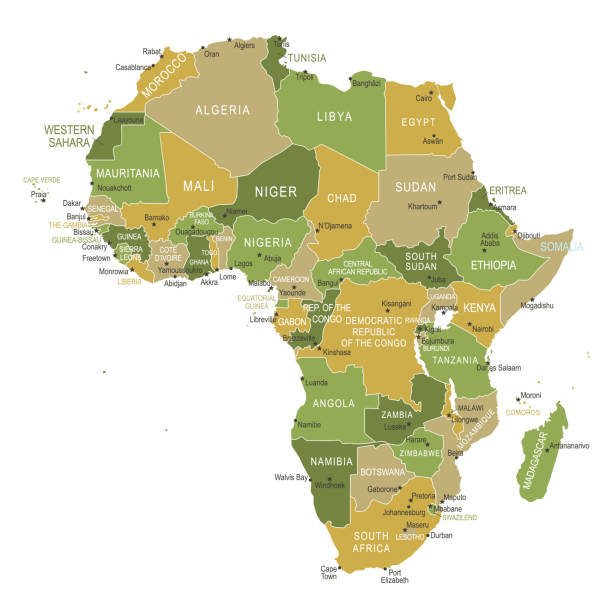
The 7 Interesting Facts About Africa highlight a continent that is defined by its unparalleled geographical diversity, rich historical legacy, and its status as the world youngest and fastest growing demographic hub. These facts encompass everything from the longest river system on earth and the vast expanse of the Sahara Desert to the incredible linguistic variety that sees over two thousand languages spoken across fifty-four nations. By examining these unique characteristics, one can better understand how each African nation contributes to the global landscape of biodiversity and human civilization.
To grasp the full scale of these attributes, it is necessary to look at the specific regions where these phenomena are most prominent. The following detailed exploration identifies the nations and geological features that make these interesting observations possible for researchers and travelers alike.
These are the 7 Interesting Facts About Africa
Africa is a land of massive proportions and historical depth, and the 7 Interesting Facts About Africa offer a window into why this continent is so vital to our global future. From the industrial potential of its mineral reserves to the ancient fossils that tell the story of human evolution, these facts are anchored in the reality of the fifty-four sovereign states that occupy the land. Each point provides a deeper look into the natural wonders and cultural milestones that define the modern African identity across various regions. Whether you are looking at the northern deserts or the southern plains, the diversity is evident in every statistic and geological survey conducted on the continent.
1. The Continents Unmatched Linguistic Diversity
Africa is home to approximately one third of the worlds total languages, which is a staggering fact considering the global population distribution. Nigeria and Cameroon are primary examples of this diversity, as Nigeria alone boasts over five hundred distinct indigenous languages used in daily communication. This linguistic richness is categorized into four major families which include Afroasiatic, Nilo-Saharan, Niger-Congo, and the Khoisan languages known for their unique click sounds. In many African countries that 7 Interesting Facts About Africa mentions, it is common for a single citizen to speak three or more languages fluently to navigate trade, social life, and government administration. This variety ensures that oral traditions and historical knowledge are preserved in specific dialects that often carry unique cultural perspectives not found anywhere else. The sheer number of languages makes the continent a primary site for linguistic research and highlights the complex social fabric that has evolved over thousands of years.
2. The Longest River in the World Flows Through Eleven Nations
The Nile River is a legendary waterway that stretches for about 6,650 kilometers, making it the longest river system on our planet. It flows through eleven different countries, including Egypt, Sudan, Ethiopia, and Uganda, providing a vital lifeline for millions of people living in otherwise arid environments. The river has two main tributaries known as the White Nile and the Blue Nile, which converge in the city of Khartoum before heading north toward the Mediterranean Sea. In ancient times, the Nile was responsible for the rise of one of the worlds first great civilizations in Egypt, providing the water and fertile silt necessary for large scale agriculture. Today, the river remains at the center of regional politics and economic development, with projects like the Grand Ethiopian Renaissance Dam representing the future of energy production in East Africa. This mighty river is a prime example of an African country which 7 Interesting Facts About Africa identifies as a historical and ecological anchor for the continent.
3. The Sahara is the Worlds Largest Hot Desert
The Sahara Desert covers nearly one third of the African continent, spanning an area of roughly 9.2 million square kilometers, which is comparable to the size of the entire United States. This vast expanse of sand and rock affects the climate and geography of several nations, including Algeria, Chad, Mali, and Niger. Despite the common image of endless sand dunes, the Sahara also features massive mountain ranges, salt flats, and rocky plateaus that host resilient species of plants and animals. The desert serves as a bridge between the Mediterranean world of the north and the tropical regions of the south, having served as a trade route for gold and salt for centuries. The harsh environment has led to the development of unique cultures among the Tuareg and other nomadic groups who have mastered the art of survival in extreme heat. Any African country which 7 Interesting Facts About Africa highlights within the northern tier is significantly influenced by the majestic and challenging landscape of the Sahara.
4. Africa is the Cradle of Human Civilization
Scientific evidence consistently points to Africa as the original home of the human species, with the oldest fossil remains of our ancestors found in the eastern and southern regions. Ethiopia is particularly famous for the discovery of "Lucy," a 3.2 million year old hominid fossil that provided critical insights into the early stages of human evolution and bipedalism. South Africa also hosts the Cradle of Humankind, a UNESCO World Heritage site where numerous caves have yielded some of the most significant paleoanthropological finds in history. These discoveries confirm that for hundreds of thousands of years, the African continent was the only place on earth inhabited by early humans before they began their migrations to other parts of the world. This deep history gives the continent a unique standing as the ancestral home for all of humanity, a fact that is celebrated in museums and research centers across the globe. Understanding which country that 7 Interesting Facts About Africa in Africa relates to this historical depth is essential for appreciating our shared global heritage.
5. The Worlds Largest and Fastest Land Animals Live Here
Africa is renowned for its incredible megafauna, hosting the worlds largest land animal, the African elephant, and the fastest, the cheetah. Nations like Tanzania, Kenya, and Botswana are world leaders in wildlife conservation, providing vast protected areas like the Serengeti and the Okavango Delta for these animals to thrive. The African elephant can weigh up to six tonnes, and its presence is vital for maintaining the health of the savannah ecosystems by clearing paths and creating water holes. Meanwhile, the cheetah can reach speeds of over 110 kilometers per hour in short bursts, representing the pinnacle of predatory evolution on the open plains. The continent is also home to the tallest animal, the giraffe, and the largest primate, the gorilla, making it the most significant region for terrestrial biodiversity. These animals are not only biological wonders but also drive a massive tourism industry that supports the economies of many sub-Saharan nations. Protective measures continue to be a priority for African countries that 7 Interesting Facts About Africa explores in the context of environmental preservation.
6. The Continent Possesses the Worlds Largest Mineral Reserves
The natural wealth found beneath the African soil is unparalleled, with the continent holding roughly 30 percent of the worlds remaining mineral resources. The Democratic Republic of Congo is a critical player in the global technology sector because it contains over 70 percent of the worlds cobalt, which is essential for making batteries for electric cars and smartphones. South Africa is a global leader in the production of platinum, gold, and chromium, minerals that are indispensable for industrial manufacturing and jewelry. These vast reserves make the continent a focal point for international trade and investment, as global powers seek to secure the raw materials needed for the 21st century economy. Beyond precious metals, Africa also has significant deposits of diamonds, copper, and uranium, which are distributed across various geological belts. This economic potential is a key reason why a country in Africa 7 Interesting Facts About Africa mentions is often at the center of global commodity market discussions.
7. Africa has the Youngest Population on the Planet
One of the most significant demographic facts about the continent is that it has the youngest population in the world, with a median age of only 19.7 years. In countries like Niger and Mali, the proportion of children and young adults is even higher, suggesting a massive future workforce that will drive global consumption and innovation. This "youth bulge" is seen as a demographic dividend that could lead to rapid economic transformation if properly supported with education and job opportunities. By the year 2050, it is estimated that one in four people on the planet will be African, a shift that will move the center of gravity for global labor and culture toward the continent. This youthful energy is already visible in the rapid adoption of mobile technology and the explosion of the African creative arts, including the global rise of Afrobeats and Nollywood cinema. The future of the world is increasingly tied to the success and development of these young populations within the countries in Africa that 7 Interesting Facts About Africa describes.
| Feature Category | Primary Country/Region | Significant Data Point |
|---|---|---|
| Linguistic Variety | Nigeria | Over 500 indigenous languages |
| Longest River | Nile River Basin | 6,650 kilometers in length |
| Largest Desert | The Sahara | 9.2 million square kilometers |
| Historical Heritage | Ethiopia | 3.2 million year old fossils |
| Economic Wealth | DR Congo | 70 percent of worlds cobalt |
| Demographic Age | Niger | Median age of 15 years |
| Wildlife Height | Tanzania | Home to the tallest land animals |
Reasons Why These Countries showcase 7 Interesting Facts About Africa in Africa
1. Geological Longevity and Stability: The African continent is composed of some of the oldest and most stable geological formations on earth, known as cratons. These ancient rock layers have been undisturbed for billions of years, allowing for the concentration of the worlds most valuable minerals and the preservation of prehistoric fossils. This stability is the primary reason why an African country which 7 Interesting Facts About Africa identifies as a resource hub can possess such immense underground wealth. The lack of recent major tectonic activity in certain regions has also protected the landscape where early humans first evolved.
2. Extensive Tectonic Rift Systems: The East African Rift is an active geological process where the continent is slowly pulling apart, creating a variety of unique environments. This rift created the Great Lakes and high mountain peaks like Mount Kilimanjaro, which in turn influenced local weather patterns and biodiversity. These varied terrains provided the diverse habitats needed for a wide range of species to evolve, contributing to the famous wildlife facts associated with the region. This ongoing tectonic movement continues to shape the geography of the African countries that 7 Interesting Facts About Africa covers in the eastern sector.
3. Climatic Range Across Hemispheres: Africa is the only continent that spans both the northern and southern temperate zones while being centered on the equator. This positioning creates a full spectrum of climatic zones, from the Mediterranean scrublands of the north to the tropical jungles of the Congo and the temperate plains of the south. This variety is why a single continent can host both the worlds largest hot desert and its longest river system simultaneously. The interaction between these climate zones drives the extreme biological and geographical diversity that makes the 7 Interesting Facts About Africa so compelling to study.
4. High Fertility Rates and Cultural Traditions: The young demographic profile of the continent is largely due to traditionally high fertility rates and a cultural emphasis on large families in many rural and urban communities. In many countries in Africa that 7 Interesting Facts About Africa explores, children are seen as a vital part of the social and economic support system for families. While these rates are beginning to stabilize in some urban centers, the current population structure ensures that the continent will remain the youngest on earth for several generations. This demographic energy is a powerful force for future innovation and social change across the land.
5. Resistance to Linguistic Homogenization: Despite centuries of colonial influence that introduced European languages, the people of Africa have maintained their indigenous tongues as a primary mark of identity. This resistance to total linguistic assimilation is why the continent remains the most diverse in the world, with local languages serving as a reservoir for traditional knowledge and art. In an African country which 7 Interesting Facts About Africa highlights, the coexistence of colonial and local languages creates a unique multilingual environment that fosters complex cognitive development and cultural resilience. This preservation of language is a testament to the strength of African social structures.
6. Proactive Wildlife Conservation Policies: Many African governments have recognized that their unique wildlife is a precious national asset and have implemented some of the most rigorous conservation programs in the world. By setting aside large portions of their territory as national parks and protected zones, they have ensured the survival of the largest and fastest land animals. These policies have turned conservation into a sustainable economic model through eco-tourism, which provides funding for both the animals and the surrounding communities. This commitment is a major reason why the megafauna facts about the continent remain a reality in the modern world.
Conclusion
In summary, the 7 Interesting Facts About Africa reveal a continent of immense scale, history, and future potential that is unlike any other place on earth. Every African country which 7 Interesting Facts About Africa describes contributes to a narrative of resilience, diversity, and wealth that is essential to the global community. From the depths of the Congo mines to the peaks of the Ethiopian highlands, the continent offers endless wonders that challenge our understanding of geography and human history. As the youngest population in the world continues to grow and innovate, the significance of these 7 Interesting Facts About Africa will only increase in the decades to come. Understanding these facts is the first step in appreciating the true complexity and beauty of the entire African continent and its fifty-four sovereign nations.
Enjoyed this read?
Share it with your friends and colleagues.