8 Major Regions Of Africa

BSC Insights Admin
September 30, 2026
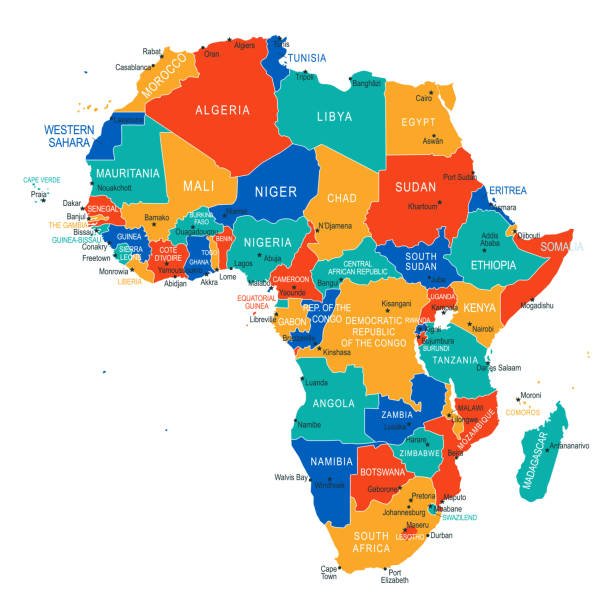
Understanding which countries represent the 8 Major Regions of Africa is essential for grasping the geographic and geopolitical diversity that defines the second largest continent on Earth. These distinct zones are categorized based on their unique climates, shared histories, and the strategic economic roles they play within the broader international community. Each region serves as a pillar of development, contributing to the continent's overall narrative of growth and cultural richness through various regional bodies and cultural identities.
The classification of these areas helps researchers and travelers alike to navigate the vast landscapes that stretch from the Mediterranean Sea to the Cape of Good Hope. Exploring these divisions provides a clearer picture of how diverse nations collaborate and manage their unique environmental and social challenges across the African landmass.
These are the countries that represent the 8 Major Regions of Africa
To analyze the African continent effectively, scholars often divide the land into several primary geographic and political blocks that share common characteristics. These regions are not merely arbitrary lines on a map but are deeply rooted in the physical environment and the historical movements of people over thousands of years. By looking at the specific nations within these blocks, we can better understand the regional dynamics that influence everything from trade agreements to environmental conservation efforts. The following list identifies and explains the most significant regions that help us categorize the 54 sovereign states of the continent.
1. The Northern Africa Region
Northern Africa is characterized by its close proximity to the Mediterranean Sea and its deep cultural ties to the Arab world, encompassing nations such as Egypt, Algeria, Tunisia, Morocco, and Libya. This region is dominated by the vast expanse of the Sahara Desert, which has historically acted as both a barrier and a bridge for trans-Saharan trade. The countries here possess some of the oldest recorded histories in human civilization, with the Nile Valley in Egypt serving as a cradle of ancient innovation and governance. Most of these nations are members of the Arab League and share a common linguistic heritage in Arabic, though indigenous Berber cultures remain vibrant in the mountainous areas. Economically, the region is a major global player in the oil and gas sectors, particularly in Algeria and Libya, while also boasting a robust tourism industry centered on historical landmarks. This is an African country which often serves as the primary link between the African continent and the Middle Eastern and European markets.
2. The West Africa Region
West Africa is a vibrant and densely populated region that includes 16 countries such as Nigeria, Ghana, Senegal, Ivory Coast, and Mali, many of which are part of the ECOWAS economic bloc. This area is known for its incredible linguistic diversity and its history as the site of powerful medieval empires like the Mali and Songhai kingdoms. The geography of West Africa ranges from the arid southern edges of the Sahara to the lush tropical rainforests and mangroves along the Atlantic coastline. Nigeria, as the most populous nation on the continent, serves as the economic powerhouse of this region, driving innovation in finance, film, and music. The region is also a critical global supplier of cocoa, particularly from Ivory Coast and Ghana, which together produce the majority of the world's chocolate supply. As a collection of countries in Africa that foster strong regional integration, West Africa remains at the forefront of democratic transitions and economic cooperation.
3. The Central Africa Region
Central Africa, often referred to as Middle Africa, is dominated by the massive Congo Basin, which contains the world's second largest tropical rainforest after the Amazon. This region includes countries like the Democratic Republic of the Congo, Cameroon, Gabon, Chad, and the Central African Republic. The environment here is characterized by dense vegetation, high rainfall, and the powerful Congo River, which serves as a vital transportation and energy corridor. Historically, this region has been a focal point for the study of biodiversity and is home to unique wildlife such as mountain gorillas and forest elephants. Economically, Central Africa is exceptionally rich in minerals, including copper, cobalt, and diamonds, though infrastructure challenges often complicate the extraction and transport of these resources. The diverse ethnic groups in this region have maintained strong traditional customs, making it a vital center for African art and music traditions that have influenced the entire world.
4. The East Africa Region
East Africa is famous for its dramatic landscapes, including the Great Rift Valley, the snow-capped peaks of Mount Kilimanjaro, and the vast plains of the Serengeti. This region comprises nations such as Kenya, Tanzania, Uganda, Rwanda, and Burundi, which are largely integrated through the East African Community. It is a world-renowned destination for safari tourism, where the annual Great Migration of wildebeest represents one of the most spectacular natural events on the planet. The region also has a unique maritime history, with the Swahili Coast serving as a hub for Indian Ocean trade for centuries, blending African, Arab, and Indian influences. Economically, East Africa is a leader in mobile technology and digital banking, particularly in Kenya, which has become a global model for financial inclusion. This country in Africa and its neighbors are also major exporters of high-quality coffee and tea to international markets.
5. The Southern Africa Region
Southern Africa occupies the southern tip of the continent and is known for its diverse geography, ranging from the Namib Desert to the lush Drakensberg Mountains. This region includes South Africa, Namibia, Botswana, Zimbabwe, and Mozambique, which together form the core of the Southern African Development Community (SADC). South Africa is the most industrially developed nation in this region, possessing a sophisticated infrastructure and a major financial hub in Johannesburg. The region is exceptionally rich in precious minerals, particularly diamonds in Botswana and gold and platinum in South Africa. Southern Africa also boasts some of the world's most famous national parks, such as Kruger and Chobe, which are vital for the conservation of the Big Five animals. The history of this region is marked by significant struggles for independence and the end of apartheid, leading to the creation of resilient and diverse modern societies.
6. The Horn of Africa Region
The Horn of Africa is a strategic peninsula in the northeast that includes Ethiopia, Somalia, Djibouti, and Eritrea, positioned along the critical sea lanes of the Red Sea and Gulf of Aden. This region is geographically distinct due to the Ethiopian Highlands, which provide a cool, fertile environment in contrast to the arid lowlands of the coast. Ethiopia is unique as one of the few African nations that was never colonized, maintaining an ancient Christian heritage and its own distinct script and calendar. Djibouti serves as a vital international logistics hub, hosting several foreign military bases and providing sea access for landlocked Ethiopia through its modern ports. The region has faced significant challenges related to food security and political stability, but it remains a crucial player in global geopolitics due to its location. Many researchers identify this as an African countries that are central to understanding the early migration of humans out of the continent into Eurasia.
7. The Sahel Region
The Sahel is a distinct biogeographic zone that acts as a transition belt between the Sahara Desert to the north and the Sudanian Savanna to the south. This region stretches across the width of the continent, including parts of Senegal, Mauritania, Mali, Burkina Faso, Niger, Chad, Sudan, and Eritrea. The Sahel is characterized by a semi-arid climate and a traditional way of life that centers on pastoralism and nomadic herding. In recent decades, the region has become a focus of international attention due to the challenges of desertification and the resulting environmental migration. Culturally, the Sahel has a rich history of Islamic scholarship, with ancient cities like Timbuktu serving as historic centers of learning and trade. Despite the harsh environmental conditions, the people of the Sahel have developed remarkable resilience and sophisticated water management techniques that have allowed them to thrive for centuries in a challenging landscape.
8. The African Great Lakes Region
The African Great Lakes region is centered around a series of massive lakes, including Lake Victoria, Lake Tanganyika, and Lake Malawi, which hold a significant portion of the world's fresh water. This region overlaps with parts of East and Central Africa, including countries like Uganda, Rwanda, Burundi, and parts of the Democratic Republic of the Congo and Tanzania. The high population density in this area is supported by fertile volcanic soils and a temperate climate that allows for intensive agriculture. Lake Victoria is the second largest freshwater lake in the world and supports a massive fishing industry that provides protein and income for millions of people. This region has also been the site of intense geopolitical activity and rapid economic recovery, particularly in Rwanda, which has become a leader in clean city initiatives and business transparency. The Great Lakes act as a vital ecological and economic engine that links several different zones of the continent together through shared water resources.
Reasons Why These Countries Represent the 8 Major Regions of Africa in Africa
1. Distinct Geographic Boundaries: The physical layout of the continent, including major mountain ranges and deserts, naturally divides the land into these specific sectors. For instance, the Sahara Desert creates a clear separation between Northern Africa and the regions to the south, leading to different evolutionary and cultural paths. These natural barriers have influenced how African country which resides in a specific region interacts with its neighbors. Geographic isolation or connectivity determines everything from climate patterns to the types of crops that can be grown in each territory.
2. Shared Colonial and Pre-colonial History: Many of these regions were shaped by the specific European powers that colonized them or by the great African empires that preceded them. West African nations often share French or English administrative systems, while the Horn of Africa retains deep-seated indigenous and Middle Eastern influences. These shared histories create common legal and educational frameworks that facilitate regional cooperation. Understanding which country that belongs to which region often requires looking back at these historical migrations and administrative legacies.
3. Regional Economic Communities: The African Union encourages the development of Regional Economic Communities (RECs) to foster trade and political stability across the continent. Groups like ECOWAS in the West and SADC in the South provide a formal structure for these regions to operate as unified blocks in international negotiations. These organizations help to harmonize tariffs, improve cross-border infrastructure, and coordinate security efforts against regional threats. By working together, the countries within these regions can achieve greater economic scale and influence on the global stage.
4. Ecological and Climatic Consistency: Regions like the Sahel or the Congo Basin are defined primarily by their environmental characteristics, which dictate the lifestyles of the people living there. Farmers in the Great Lakes region face similar agricultural challenges, while the desert nations of the North must all manage extreme heat and water scarcity. This climatic shared experience leads to regional collaboration on environmental issues like the Great Green Wall initiative. Nations within the same climate zone are often the first to share technological innovations related to sustainable farming and disaster management.
5. Linguistic and Cultural Affinities: Language is a powerful unifying factor that often defines the boundaries of African regions, such as the prevalence of Swahili in East Africa or Arabic in the North. These linguistic ties make it easier for people to move across borders for work, education, and trade, strengthening the regional identity. Cultural practices, including traditional music, dance, and culinary habits, also tend to cluster within these eight major regions. This cultural synergy makes each region a distinct "neighborhood" within the vast African continent, fostering a sense of belonging among diverse ethnic groups.
6. Strategic Geopolitical Location: Some regions are defined by their proximity to global trade routes, such as the Horn of Africa's position along the Suez Canal route or Southern Africa's control of the Cape route. These locations give the constituent countries a shared interest in maritime security and international diplomacy. Countries in Africa that share a coastline often form regional alliances to manage their exclusive economic zones and protect their marine resources. This strategic positioning ensures that each region remains a vital part of the global economic and security architecture.
Conclusion
Recognizing which countries represent the 8 Major Regions of Africa provides a necessary framework for appreciating the continent's vast complexity and its path toward future development. From the desert landscapes of the North to the industrial hubs of the South, each region contributes a unique set of resources and cultural traditions to the global community. Understanding the role of a country in Africa within its regional context allows for better collaboration in areas like trade, conservation, and political stability. As Africa continues to grow and urbanize, these regional blocks will become even more significant in shaping the economic and social trajectory of the continent. Ultimately, the unity and diversity found within these eight regions are what make Africa a dynamic and essential part of the modern world.
Enjoyed this read?
Share it with your friends and colleagues.