9 Kingdoms Of Africa

BSC Insights Admin
September 30, 2026
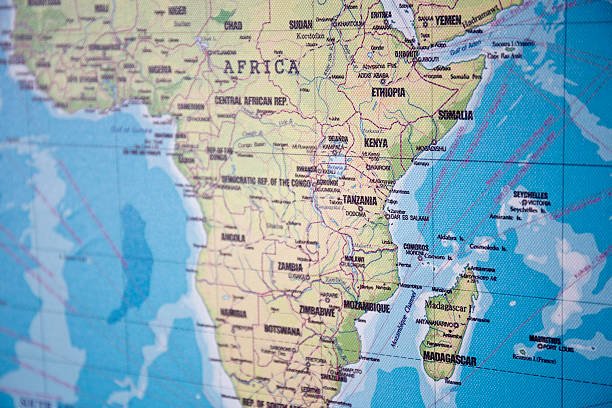
Identifying the specific countries in Africa that were home to the 9 Kingdoms of Africa provides a look at the glorious past of the continent. These ancient civilizations represent the pinnacle of political organization and architectural mastery in pre-colonial history through various regions. Understanding these kingdoms provides a vital window into the diverse heritage of Africa and how they shaped the modern world.
The transition from tribal societies to powerful empires marked a significant era in human development across the vast landscapes of the continent. Exploring these specific states reveals the economic and social complexities that shaped the modern borders we see today through trade and governance.
These are the historical 9 Kingdoms of Africa
To understand the depth of African history, one must look at the specific regions where these powerful states rose and fell over the centuries. Each kingdom brought unique contributions to art, science, and governance, often interacting with global powers long before the era of modern exploration. The following list details the most influential civilizations that have left an indelible mark on the soil of the African continent through their enduring legacies and physical ruins.
1. The Kingdom of Kush
The Kingdom of Kush was a powerful ancient state located in what is now modern-day Sudan, representing one of the most enduring civilizations in the Nile Valley. This kingdom is often remembered for its long and complex relationship with Egypt, even ruling over the Egyptian territory as the 25th Dynasty, known as the Black Pharaohs. The Kushites were masters of ironworking and established a capital at Meroe, which became a hub for trade and industry in the ancient world. Visitors today can still see more than 200 pyramids in the region, which are smaller but more numerous than the more famous pyramids in Giza. The kingdom was also notable for its powerful female rulers, known as Kandakes, who led armies and participated in high-level diplomacy. This civilization serves as a prime example of an African country which maintained its sovereignty and cultural identity against major world powers for centuries.
2. The Aksumite Empire
The Aksumite Empire flourished in the highlands of modern Ethiopia and Eritrea, acting as a crucial link between the Roman Empire and ancient India. As a major maritime power, Aksum controlled the Red Sea trade routes and was one of the first major empires to officially adopt Christianity under King Ezana in the fourth century. The empire is famous for its massive monolithic obelisks, known as stelae, which served as funerary monuments for the elite and remain standing in the city of Aksum today. Their sophisticated agricultural techniques, including terrace farming and advanced irrigation, allowed them to support a large population in the rugged Ethiopian terrain. Aksum also developed its own script, Ge'ez, which is still used in the liturgical practices of the Ethiopian Orthodox Church. This kingdom demonstrates the high level of international engagement and literary tradition found in the early history of the Horn of Africa.
3. The Mali Empire
The Mali Empire was one of the largest and wealthiest states in West Africa, covering areas that now include Mali, Senegal, Gambia, and Guinea. It became globally famous under the leadership of Mansa Musa, whose 14th-century pilgrimage to Mecca was so lavish that his distribution of gold caused massive inflation in Cairo and Medina. The empire was built on the lucrative trans-Saharan trade routes, exchanging vast quantities of gold from southern mines for salt from the Sahara Desert. Timbuktu became a world-renowned center for Islamic scholarship and book production, attracting students and professors from across the Muslim world to its prestigious universities. The social structure was guided by the Epic of Sundiata, which outlined the laws and cultural expectations of the Mandinka people. Today, the mud-brick architecture of the Great Mosque of Djenne remains a testament to the architectural ingenuity of this vast and prosperous empire.
4. The Kingdom of Benin
Located in what is now southern Nigeria, the Kingdom of Benin was a highly centralized state known for its incredible bronze and brass artwork. The kingdom was led by the Oba, a divine king who resided in a massive palace complex that was surrounded by a sophisticated system of walls and moats. These walls were once considered some of the largest earthworks in the world, showcasing the engineering capabilities of the Edo people. The Benin Bronzes, which are now found in museums globally, were used to record historical events and honor the ancestors of the royal family. Trade with the Portuguese began in the 15th century, leading to a period of wealth and expansion, although it also eventually led to increased tensions with European powers. The kingdom maintained a professional army and a complex bureaucracy that managed taxes and trade across its forested territories. It remains a focal point for cultural pride and historical study within the modern countries in Africa that celebrate pre-colonial achievements.
5. Great Zimbabwe
Great Zimbabwe was the center of a vast inland empire in southern Africa, primarily located in the modern country that now bears its name. The site is characterized by its massive dry-stone walls, built without mortar, which reach heights of over eleven meters in the Great Enclosure. This kingdom was a major player in the Indian Ocean trade network, exporting gold and ivory to coastal cities like Sofala in exchange for Chinese porcelain and Indian glass beads. The social hierarchy was reflected in the layout of the city, with the elite living on the hill complex while the commoners resided in the valley below. Archaeological findings of soapstone birds suggests a deeply religious society that integrated nature and governance. The decline of the city around the 15th century is often attributed to the depletion of local resources or shifts in regional trade routes. However, its ruins stand as a powerful symbol of the complexity and reach of southern African civilizations during the medieval period.
6. The Kingdom of Kongo
The Kingdom of Kongo was a highly organized state located at the mouth of the Congo River, encompassing parts of modern Angola, the Republic of the Congo, and the Democratic Republic of the Congo. It was a centralized monarchy with a sophisticated administrative system that governed several provinces through a network of appointed officials. The kingdom is unique for its early diplomatic relations with Europe, particularly Portugal, which led to the adoption of Catholicism by King Nzinga a Nkuwu in the late 15th century. This cultural exchange resulted in a blend of African and European traditions, visible in the kingdom's religious art and the title of its rulers, the Manikongo. Despite the eventual tragic impact of the Atlantic slave trade on the region, the kingdom resisted total colonial control for centuries. The capital city, Mbanza Kongo, was a bustling metropolis that served as the heart of political and spiritual life for the Bakongo people. It remains a vital chapter in the history of Central Africa and its interaction with the wider Atlantic world.
7. The Ghana Empire
The Ghana Empire, known to its citizens as Wagadu, was located in the savanna region between the Senegal and Niger rivers in modern-day Mauritania and Mali. It is often cited as the first of the great West African empires, rising to power through its absolute control over the gold trade coming from the south. The rulers of Ghana were so wealthy that the empire was frequently referred to by Arab chroniclers as the Land of Gold. The king maintained a dual capital at Kumbi Saleh, where one section was reserved for the royal court and traditional rituals, while the other served as a hub for Muslim merchants. This arrangement allowed the empire to maintain its traditional beliefs while benefiting from the economic advantages of the growing Islamic trade networks. The empire's power eventually declined due to the rise of the Almoravids and the shifting of gold routes further east. Nevertheless, its legacy lived on in the later Mali and Songhai empires that rose in its shadow.
8. The Songhai Empire
The Songhai Empire eventually surpassed the Mali Empire in both size and administrative efficiency, becoming the largest state in African history at its peak. Centered around the city of Gao in modern-day Mali, the empire expanded rapidly under the leadership of Sunni Ali and later Askia Muhammad. Askia Muhammad is particularly noted for centralizing the government and creating a professional civil service, which was revolutionary for the time. He also encouraged the growth of Islamic scholarship, making the city of Jenne and Timbuktu even more influential than they had been during the Mali era. The empire's wealth was derived from its control of the trans-Saharan trade and the fertile lands of the Niger River valley. However, the empire was eventually weakened by internal disputes and fell after a Moroccan invasion in 1591, which utilized superior gunpowder technology. The Songhai era is remembered as a golden age of intellectual and political achievement in the Sahelian region.
9. The Zulu Kingdom
The Zulu Kingdom rose to prominence in the early 19th century in southern Africa, primarily in what is now the KwaZulu-Natal province of South Africa. Under the visionary but controversial leadership of Shaka Zulu, the kingdom transformed from a small clan into a dominant military power through innovative battle tactics. Shaka introduced the short stabbing spear, known as the ikwa, and the famous buffalo horns military formation, which allowed his troops to surround and crush their enemies. This period, known as the Mfecane, caused a massive shift in the demographics and political landscape of the entire southern African region. The kingdom famously resisted British colonial expansion, most notably at the Battle of Isandlwana, where the Zulu army handed the British Empire one of its most significant defeats. Although the kingdom was eventually incorporated into the British colony, the Zulu culture and identity remain a powerful force in modern South African politics and society. It stands as a testament to the military and social reorganization that occurred in the African country which contains the southern tip of the continent.
Reasons Why These Countries Flourished through the 9 Kingdoms of Africa
1. Strategic Control of Trade Routes: Many of these kingdoms were situated at the crossroads of major international trade paths, allowing them to tax and control the flow of goods. For instance, the trans-Saharan routes were the lifeblood of West African empires like Ghana and Mali, while the Red Sea and Indian Ocean routes fueled the growth of Aksum and Great Zimbabwe. By acting as middlemen between resource-rich areas and international markets, these states accumulated massive wealth.
2. Abundant Natural Resources: The presence of valuable minerals like gold, iron, and copper provided the economic foundation for these civilizations. The Gold Coast and the mines of southern Africa provided the currency for international trade, while iron smelting technology allowed for the creation of superior tools and weapons. These resources were not only exported but were also used internally to create the archaeological evidence of advanced metallurgy and art that we see today.
3. Advanced Agricultural Systems: A kingdom cannot survive without the ability to feed its population, and these African states developed sophisticated farming techniques. Whether it was the terrace farming of the Aksumites or the seasonal flood-plain agriculture of the Songhai along the Niger River, these systems ensured a steady food supply. This agricultural surplus allowed for the development of specialized labor, such as soldiers, priests, and artisans.
4. Strong Centralized Leadership: The 9 Kingdoms of Africa were typically led by powerful monarchs who exerted significant control over their territories through complex bureaucracies. These leaders often claimed divine or religious authority, which helped to unify diverse ethnic groups under a single national identity. This centralization allowed for the mobilization of large armies and the completion of massive public works projects like the walls of Benin or the Great Zimbabwe enclosure.
5. Intellectual and Religious Centers: The promotion of education and the adoption of major world religions often provided a framework for legal and social stability. Timbuktu and Gao were not just trading hubs but were also centers of law, medicine, and astronomy that attracted scholars from far and wide. This intellectual environment fostered a culture of innovation and record-keeping that helped these kingdoms manage their vast administrative needs effectively.
6. Military Innovation and Organization: Survival in a competitive landscape required constant military evolution, from the professional standing armies of the Songhai to the revolutionary tactics of the Zulu. The ability to defend trade routes and expand territory through superior strategy and weaponry was a common thread among all successful African kingdoms. These military successes protected the economic interests of the state and ensured the long-term stability of the royal dynasties.
Conclusion
The history of the 9 Kingdoms of Africa showcases a continent filled with innovation, wealth, and complex social structures that rivaled any of their global contemporaries. From the stone towers of Zimbabwe to the scholarly halls of Mali, these civilizations have left a lasting impact on the modern landscape. Every country in Africa that was home to these empires continues to draw strength and identity from these historical foundations today. Recognizing these achievements is a necessary step in appreciating the full spectrum of human history and the enduring spirit of the African people. Their stories of resilience and success remain a vital part of the global narrative for future generations to explore.
Enjoyed this read?
Share it with your friends and colleagues.