How Much Of Africa Is A 3Rd World Country

BSC Insights Admin
October 01, 2026
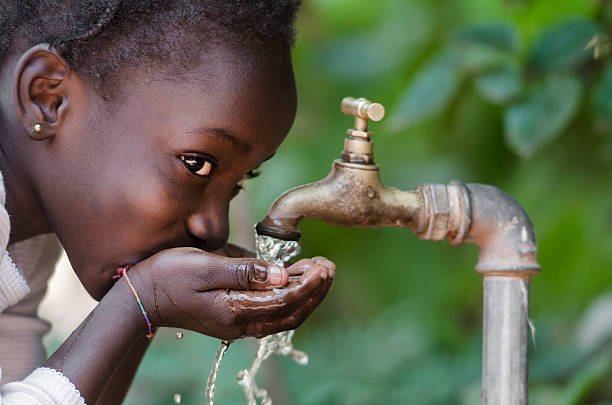
The notion of categorizing Africa as a "Third World country" is not only inaccurate but also rooted in an outdated Cold War-era classification. While many African nations are still categorized as developing countries or Least Developed Countries (LDCs) based on economic and social indicators, the continent is incredibly diverse, encompassing a wide range of economic statuses from emerging markets to nations facing significant developmental challenges. The term "Third World" itself is largely obsolete and fails to capture the nuanced realities and significant progress being made across Africa.
Understanding the Terminology: "Third World" vs. Modern Classifications
To accurately address the question, it's crucial to understand the historical context and evolution of development terminology. The concept of the "Third World" originated during the Cold War to describe countries that were non-aligned with either the capitalist "First World" (led by the United States) or the communist "Second World" (led by the Soviet Union). These nations were often newly independent, economically less developed, and characterized by high poverty levels and limited industrialization.
However, with the end of the Cold War and a growing understanding of global inequalities, the term "Third World" became increasingly seen as pejorative and overly simplistic. It homogenized diverse nations and failed to acknowledge their unique trajectories and advancements. Today, international organizations and development experts prefer terms that are more descriptive and less laden with historical baggage. These include:
- Developing Countries: A broad category for nations with lower standards of living, underdeveloped industrial bases, and a low Human Development Index (HDI) relative to developed countries.
- Least Developed Countries (LDCs): A specific designation by the United Nations for countries exhibiting the lowest socioeconomic development and the lowest HDI scores, alongside structural impediments to sustainable development.
- Emerging Economies: Countries that are transitioning from developing to developed status, showing rapid economic growth and increasing integration into the global economy.
Therefore, when asking "How much of Africa is a 3rd World country," the more appropriate and current question is how many African nations are classified as developing or least developed countries.
Africa's Economic Landscape: A Continent of Diversity
Africa is not a single country but a vast continent comprising 54 recognized states, each with its own unique history, political system, culture, and economic trajectory. To generalize about the entire continent's development status is to overlook this fundamental diversity. Some nations are experiencing robust economic growth, driven by technological innovation and diversification, while others grapple with entrenched poverty, conflict, and governance issues.
The economic landscape of African economies ranges from resource-rich nations heavily dependent on commodity exports to those investing in manufacturing, services, and digital economies. This complexity means that any discussion of Africa's development must acknowledge its varied progress and persistent challenges.
Key Indicators of Development in Africa
Assessing the development status of African nations requires looking at various socioeconomic indicators. These metrics provide a more accurate picture than outdated labels:
Gross Domestic Product (GDP) per Capita
GDP per capita is a primary indicator of a country's economic output per person. While many African countries have lower GDP per capita compared to global averages, there's significant variation. For instance, countries like Seychelles and Mauritius boast relatively high GDP per capita, reflecting strong tourism and service sectors. In contrast, several sub-Saharan African nations struggle with very low GDP per capita, often exacerbated by conflict or reliance on volatile commodity markets. This disparity highlights the vast differences in economic development across Africa.
Human Development Index (HDI)
The Human Development Index (HDI), developed by the UN Development Programme, offers a broader perspective by measuring a country's average achievements in three basic dimensions of human development: a long and healthy life (life expectancy), knowledge (education levels), and a decent standard of living (GNI per capita). While many African countries rank lower on the HDI, indicating persistent challenges in health, education, and living standards, steady improvements have been observed across the continent in recent decades.
Poverty Rates and Inequality
One of the most pressing challenges for many African nations remains poverty in Africa. According to the World Bank, while the proportion of people living in extreme poverty has declined, Africa still accounts for a significant share of the world's extremely poor. High rates of both income poverty and multi-dimensional poverty (lacking access to health, education, and basic services) persist in many regions. Furthermore, income inequality remains a significant issue, even in rapidly growing economies, impacting overall development progress.
Infrastructure Development
Access to basic infrastructure—reliable electricity, clean water, sanitation, roads, and internet connectivity—is crucial for economic growth and human well-being. Many African countries face substantial deficits in infrastructure development, which hinders business growth, limits access to markets, and impacts quality of life. However, there are ongoing efforts and significant investments being made by governments and international partners to bridge these gaps, particularly in urban centers and through regional projects.
Economic Diversification
Historically, many African economies have been heavily reliant on the export of raw materials and agricultural products. This reliance makes them vulnerable to global commodity price fluctuations. There is a growing push for economic diversification in Africa, moving towards manufacturing, services, and technology sectors. Countries like Rwanda and Kenya are making strides in tech and innovation, while others are developing their industrial bases to reduce dependence on primary goods.
The United Nations' Least Developed Countries (LDCs) Classification in Africa
The most direct answer to a modern interpretation of the "Third World" question lies in the UN's classification of Least Developed Countries (LDCs). Countries are designated as LDCs based on three criteria:
- Low income: A low GNI per capita (typically below $1,018 for inclusion).
- Human resource weakness: Based on indicators of nutrition, health, education, and adult literacy.
- Economic vulnerability: Based on indicators of population size, remoteness, dependence on primary sector exports, and exposure to natural disasters.
As of recent classifications (e.g., 2023-2024), a significant number of African countries are still designated as LDCs. This includes nations like Somalia, Ethiopia, Chad, Niger, and Democratic Republic of Congo, among others. While the exact number fluctuates with countries graduating from the list, typically over two-thirds of all global LDCs are in Africa. These countries face the most severe structural impediments to sustainable development and are often prioritized for international support.
However, it is vital to note that even within this category, countries are at different stages, and several African LDCs are on track for graduation, demonstrating tangible progress in their development journeys.
Beyond LDCs: Emerging Economies and Middle-Income Countries
It is a misconception that all of Africa fits into the LDC category. A significant portion of the continent consists of middle-income African countries and emerging economies in Africa that are experiencing substantial growth and development. These include:
- South Africa: The continent's most industrialized economy, with diverse sectors including mining, manufacturing, finance, and tourism.
- Nigeria: Africa's largest economy by GDP, driven by oil but also a rapidly growing services sector and a vibrant tech scene.
- Egypt: A diversified economy with strong manufacturing, services, and tourism sectors, and significant infrastructure development projects.
- Kenya: A regional economic powerhouse in East Africa, known for its innovation in mobile technology (e.g., M-Pesa) and growing services sector.
- Ghana: A stable democracy with a growing economy based on cocoa, gold, and increasingly, oil and gas, as well as a burgeoning tech scene.
- Ethiopia: While still an LDC, Ethiopia has been one of the fastest-growing non-oil economies in the world for over a decade, driven by public investment in infrastructure and manufacturing.
These nations, alongside others like Morocco, Algeria, Tunisia, Senegal, and Côte d'Ivoire, demonstrate Africa's capacity for sustained economic growth and development. They are increasingly integrated into the global economy, attracting foreign investment and fostering regional trade.
Factors Influencing Development in Africa
The path to development for African nations is shaped by a complex interplay of historical, geopolitical, and internal factors:
Colonial Legacy and its Impact
The lingering effects of colonialism—such as arbitrarily drawn borders, fragmented societies, extraction-based economies, and weak institutional frameworks—continue to pose challenges to economic development in Africa. These historical factors have often hindered the establishment of strong, inclusive governance and diversified economies.
Resource Curse
Many African countries are rich in natural resources, from oil and gas to minerals and precious metals. Paradoxically, this abundance can sometimes be a hindrance, leading to the phenomenon known as the resource curse. This occurs when resource-rich nations experience slower economic growth, greater inequality, and more conflict due to corruption, mismanagement of revenues, and a lack of economic diversification.
Conflict and Political Instability
Ongoing conflicts, civil wars, and political instability in certain regions of Africa devastate economies, displace populations, destroy infrastructure, and deter investment. Addressing these issues is fundamental for achieving sustainable development and improving living standards in Africa.
Governance and Corruption
Good governance, transparency, and the fight against corruption are critical for fostering a favorable environment for development. Weak institutions and corruption can divert resources, undermine public trust, and stifle private sector growth, impacting the overall African continent economic status.
Climate Change Vulnerability
African nations are highly vulnerable to the impacts of climate change, including droughts, floods, and desertification. These events severely affect agriculture, water resources, and food security, posing significant threats to development progress and increasing the likelihood of humanitarian crises.
Debt Burden and Global Economic Factors
Many African countries face substantial public debt, which can limit their ability to invest in essential services and infrastructure. Global economic shocks, trade imbalances, and fluctuating commodity prices also play a significant role in shaping African economies' trajectories.
Progress and Positive Trends Across Africa
Despite the challenges, Africa is a continent of immense potential and ongoing progress. Several positive trends are reshaping its future:
- Demographic Dividend: Africa has the youngest population globally, offering a potential demographic dividend if investments in education, health, and job creation are made.
- Technological Adoption: Rapid adoption of mobile technology has spurred innovation in areas like mobile banking (M-Pesa), e-health, and e-learning, bridging service gaps and fostering economic inclusion.
- Economic Growth: Many African economies have consistently been among the fastest-growing in the world over the last two decades, driven by domestic demand, improved governance, and diversified investment.
- Regional Integration: Initiatives like the African Continental Free Trade Area (AfCFTA) aim to create a single market for goods and services, boosting intra-African trade and fostering regional economic blocs.
- Improved Governance: While challenges remain, there has been a general trend towards improved democratic governance, reduced conflict in some areas, and stronger institutions, albeit with setbacks in certain countries.
- Investment in Infrastructure: Massive infrastructure projects, from railways and ports to energy grids, are transforming connectivity and facilitating trade across the continent.
Addressing the Question: Is Most of Africa "Third World"?
In conclusion, the term "Third World" is an anachronism that should be retired. It is neither accurate nor helpful in describing the complex and dynamic realities of the African continent today. While a substantial number of African countries are still classified by the United Nations as Least Developed Countries (LDCs)—indicating significant development challenges—it is far from the whole picture.
Africa is a continent of profound economic diversity. Many nations have successfully transitioned to middle-income status, and several others are emerging as significant economic players on the global stage. These countries are characterized by growing middle classes, increasing industrialization, technological advancement, and improving human development indicators.
Therefore, to answer the question, a significant portion of African countries are still grappling with the challenges associated with being a developing or least developed nation, but it is incorrect and misleading to label "most of Africa" as "Third World." The continent is on a multifaceted development journey, marked by both persistent hurdles and remarkable progress, making it essential to adopt a nuanced and up-to-date understanding of its economic landscape.
Enjoyed this read?
Share it with your friends and colleagues.