Is Africa A 3Rd World Country

BSC Insights Admin
October 01, 2026
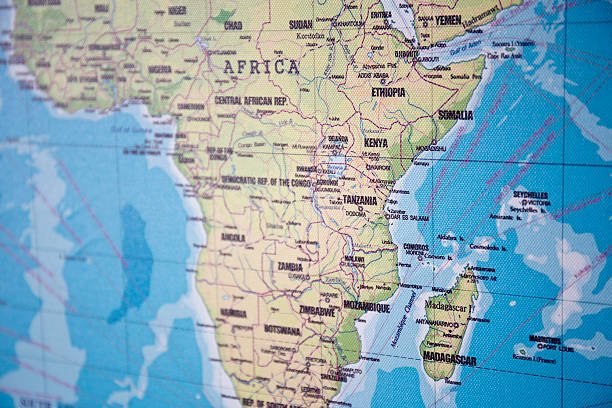
No, Africa is not a single 'Third World country'. This widely used term is not only outdated but also fundamentally inaccurate in describing a continent as vast and diverse as Africa. Africa is home to 54 recognized countries, each with its unique economic status, cultural heritage, political landscape, and development trajectory. Labeling the entire continent as 'Third World' oversimplifies its complexity, ignores significant progress, and perpetuates harmful stereotypes.
The term 'Third World' originated during the Cold War era to categorize countries that were not aligned with either the 'First World' (developed, capitalist, industrialized nations like the US and Western Europe) or the 'Second World' (communist-socialist industrialized states like the Soviet Union and its allies). It broadly referred to nations that were non-aligned, often newly independent, and generally considered developing or economically less advanced. Today, this geopolitical classification is obsolete and has been largely replaced by more nuanced terms such as developing countries, emerging economies, or low- and middle-income countries, which better reflect the varied stages of development across the globe, including within Africa.
Understanding the Term 'Third World': An Outdated Concept
The historical context of the 'Third World' term is crucial for understanding why it is no longer appropriate. Born out of the post-World War II geopolitical landscape, it served as a simple, albeit crude, way to divide the world. However, the collapse of the Soviet Union and the end of the Cold War rendered this classification irrelevant. Furthermore, the term often carried negative connotations, implying backwardness or inferiority, which obscured the rich histories, cultures, and potential of the nations it described.
Modern socio-economic indicators, such as Gross Domestic Product (GDP) per capita, Human Development Index (HDI), and life expectancy, reveal a much more complex and varied picture. Countries once grouped under the 'Third World' umbrella now display a wide spectrum of development. Some have achieved significant economic growth and improved living standards, while others continue to face substantial development challenges. Therefore, relying on such a simplistic and outdated label like Africa third world status is misleading and fails to acknowledge the genuine progress and inherent diversity within the continent.
Africa's Immense Diversity: A Continent of Contrasts
To truly grasp why Africa defies the 'Third World' label, one must appreciate its unparalleled diversity. It is the second-largest continent in the world, encompassing a vast array of geographies, climates, cultures, and economic realities.
Geographical and Cultural Richness
From the Sahara Desert in the north to the tropical rainforests of Central Africa, the savannas of East Africa, and the temperate climates of the south, the continent's landscapes are incredibly varied. This geographical diversity supports a wide range of ecosystems and human settlements. Culturally, Africa is a mosaic of over 3,000 distinct ethnic groups and thousands of languages. This richness is reflected in its diverse music, art, cuisines, and traditions, making any attempt to homogenize it a disservice to its vibrant heritage. The notion of a singular African identity is a misconception; instead, it is a tapestry woven from countless unique threads.
Economic Disparities and Growth Stories
Economically, Africa presents a striking range of development levels. While some nations grapple with poverty, conflict, and underdevelopment, many others are experiencing robust economic growth and significant development. For instance:
- South Africa boasts the continent's most industrialized economy, with sophisticated financial and telecommunications sectors.
- Nigeria, a major oil producer, has Africa's largest economy by GDP, driven by energy, services, and a booming tech scene.
- Egypt has a diverse economy rooted in tourism, agriculture, and manufacturing.
- Kenya is a hub for innovation, particularly in mobile money and technology.
- Rwanda has demonstrated remarkable progress in governance, economic stability, and social development.
- Ghana, driven by cocoa, gold, and oil, has shown consistent economic expansion.
These examples highlight the stark contrast between various African economies and underscore the inappropriateness of a blanket 'Third World' categorization. The economic status of African countries varies dramatically, making generalizations inaccurate and misleading.
Economic Progress and Emerging Strengths
Despite ongoing challenges, Africa has demonstrated remarkable economic progress and is increasingly recognized for its dynamic growth and innovation. Many countries are shedding the old narratives and forging new paths.
Rapid Urbanization and a Growing Middle Class
Africa is experiencing rapid urbanization, with cities expanding at an unprecedented rate. This demographic shift is fueling the growth of a substantial and aspirational African middle class, particularly in countries like South Africa, Nigeria, Kenya, and Ghana. This growing consumer base is driving demand for goods and services, stimulating local economies, and attracting foreign investment. The rise of this demographic challenges the outdated image of widespread poverty and highlights new market opportunities.
Technological Advancement and Innovation
The continent has emerged as a fertile ground for technological innovation. Mobile phone penetration is high, leading to widespread adoption of mobile money services like M-Pesa in Kenya, which has revolutionized financial inclusion. Tech hubs in Africa, such as Silicon Lagoon in Lagos, Nigeria, and Silicon Savannah in Nairobi, Kenya, are burgeoning centers for startups, software development, and digital solutions addressing local and global challenges. From agritech to health tech, African innovators are leveraging technology to leapfrog traditional development stages.
Investment Opportunities and Infrastructure Development
Foreign Direct Investment (FDI) into Africa has seen significant growth in recent decades, driven by opportunities in natural resources, infrastructure, manufacturing, and services. Governments across the continent are prioritizing African infrastructure development, investing in roads, railways, ports, and energy projects to facilitate trade and economic activity. Renewable energy, in particular, is an area of massive potential and investment, with many countries harnessing solar, wind, and hydro power to meet growing energy demands sustainably.
Diversification Efforts Beyond Resources
While many African economies have historically relied on natural resources, there is a concerted effort towards diversifying African economies. Countries are investing in manufacturing, tourism, and services to create more resilient and sustainable growth models. For example, Rwanda is focusing on becoming a regional tech and conference hub, while Ethiopia is building a strong manufacturing base. This strategic shift aims to reduce vulnerability to commodity price fluctuations and create broader employment opportunities.
Persistent Challenges and Development Hurdles
It is crucial to acknowledge that despite progress, Africa still faces significant development challenges. These challenges are often localized and vary widely between countries, underscoring the continent's complexity rather than a uniform 'Third World' state.
Poverty and Inequality
While poverty rates have declined in many regions, a substantial portion of Africa's population still lives in extreme poverty. Income inequality remains a significant issue, with wealth often concentrated among a small elite. Addressing poverty in Africa requires sustained efforts in job creation, equitable resource distribution, and social safety nets.
Governance and Stability
Some regions within Africa continue to grapple with issues of governance, including corruption, political instability, and conflict. These factors can hinder economic development, deter investment, and displace populations. Strengthening democratic institutions, promoting transparency, and ensuring peace and security are vital for sustained progress. The challenges related to governance in Africa are complex and demand tailored solutions for each affected nation.
Health and Education Disparities
Access to quality healthcare and education remains uneven across the continent. While improvements have been made, many areas lack adequate medical facilities, skilled healthcare professionals, and access to quality schooling. High disease burdens, including HIV/AIDS, malaria, and tuberculosis, continue to strain health systems. Bridging these gaps is essential for human capital development and long-term economic growth.
Climate Change Vulnerability
African nations are disproportionately vulnerable to the impacts of climate change, including droughts, floods, and desertification. These environmental challenges threaten agricultural productivity, food security, and livelihoods, particularly for rural populations. Adapting to and mitigating these impacts requires significant investment and international cooperation.
Debunking Common Misconceptions About Africa
The persistent use of terms like 'Third World' contributes to widespread misconceptions about Africa. These include:
- Africa as a Single Country: This is perhaps the most pervasive misconception. Africa is a continent of 54 diverse countries, each with its own sovereignty and identity.
- Africa as a Continent of Perpetual Crisis: While challenges exist, the narrative often overemphasizes conflict and poverty while ignoring stories of resilience, innovation, and progress.
- Homogeneous Culture and People: The continent is incredibly diverse culturally, ethnically, and linguistically. There is no single 'African culture' or 'African language.'
- Lack of Modernity and Technology: As discussed, Africa is a hub of technological innovation and rapid urbanization, with modern cities and growing infrastructure.
Challenging these misconceptions about Africa is crucial for fostering a more accurate and respectful understanding of the continent's true nature and potential.
The Path Forward: Opportunities and Potential
Africa's future is characterized by immense potential and significant opportunities, driven by its youthful population, abundant resources, and growing commitment to regional integration.
Regional Integration and the AfCFTA
The operationalization of the African Continental Free Trade Area (AfCFTA) is a landmark initiative aimed at creating a single market for goods and services across Africa. This will boost intra-African trade, foster economic integration, and unlock significant growth potential by creating one of the largest free trade areas in the world. The AfCFTA benefits include increased trade, job creation, and enhanced industrialization.
Youth Dividend and Human Capital
Africa has the youngest population globally, with a large and growing workforce. This 'youth dividend' presents an enormous opportunity for economic growth if investments are made in education, skills training, and job creation. Empowering youth in Africa through entrepreneurship and innovation is key to leveraging this demographic advantage.
Commitment to Sustainable Development Goals (SDGs)
African nations are actively engaged in achieving the United Nations' Sustainable Development Goals (SDGs), focusing on areas like poverty eradication, quality education, good health and well-being, gender equality, and climate action. This commitment reflects a continent-wide drive towards sustainable and inclusive development.
Innovation in Addressing Local Challenges
From developing drought-resistant crops to implementing decentralized renewable energy solutions and leveraging AI for healthcare, African innovators are creating context-specific solutions to local challenges. This problem-solving ethos is a powerful engine for development and positions Africa as a source of innovation for the world.
Conclusion
To ask 'Is Africa a 3rd world country?' is to rely on an obsolete and deeply flawed categorization that fails to capture the reality of a dynamic, diverse, and rapidly evolving continent. Africa is not a monolith of underdevelopment; it is a vibrant continent comprising 54 distinct nations, each on its unique path of development, grappling with its own set of challenges and celebrating its own achievements. While some African countries indeed face significant development hurdles, many others are experiencing robust economic growth, technological innovation, and improving living standards.
Understanding Africa requires moving beyond simplistic labels and embracing a nuanced perspective that acknowledges its incredible diversity, immense potential, and ongoing journey of progress. Dismissing it with an outdated term not only overlooks its strengths but also perpetuates harmful stereotypes. Africa is a continent of contrasts, resilience, and boundless opportunity, demanding respect for its complexity and recognition of its pivotal role in the global future.
Enjoyed this read?
Share it with your friends and colleagues.