Does Africa Have 911

BSC Insights Admin
September 30, 2026
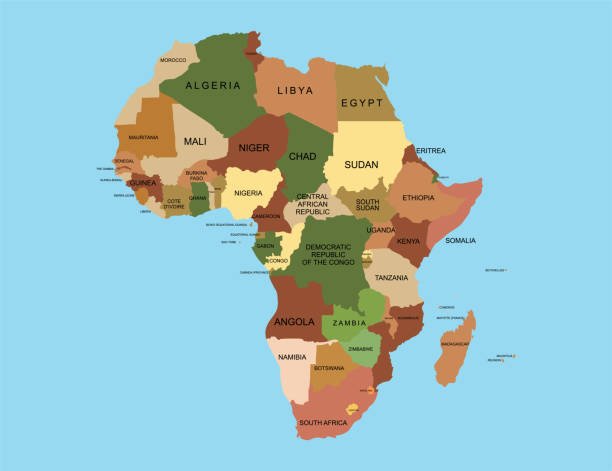
When thinking about emergency services, many people instantly recall the 911 system prominent in North America. However, the question "Does Africa have 911?" reveals a more complex and varied reality. The straightforward answer is no, Africa does not have a single, universal 911 emergency number that operates across all its 54 diverse countries. Instead, each nation, and sometimes even regions within them, operates its own unique set of emergency contact numbers for police, ambulance, and fire services, reflecting the continent's vast geographical, cultural, and infrastructural differences.
This article delves into the intricate landscape of African emergency services, exploring the various systems in place, the challenges they face, and the ongoing efforts to improve response times and accessibility. Understanding the specific African emergency numbers for each country is crucial for residents and travelers alike, highlighting the importance of being informed and prepared.
The Diverse Landscape of Emergency Services in Africa
Africa is a continent of immense diversity, and its approach to public safety and emergency response is no exception. Unlike a continent-wide standard like the European 112 or North American 911, emergency numbers in Africa vary significantly from one country to another. This lack of a unified system is largely due to several factors, including colonial legacies that introduced different administrative structures, varying levels of economic development, and distinct national priorities in building public infrastructure.
The existence of multiple systems means that what might be an emergency number in South Africa is entirely different in Nigeria or Egypt. This necessitates a proactive approach for anyone living in or traveling to an African nation: you must research and know the specific local emergency contacts for that particular country. For instance, while some countries might adopt numbers like 112 (which is gaining traction as a global standard for mobile phones), others retain older, distinct three-digit or even longer numbers for specific services.
Why No Universal 911 in Africa?
- Colonial History: Many African nations inherited their emergency service frameworks from former colonial powers, leading to a patchwork of systems.
- Sovereignty and Autonomy: Each of the 54 countries independently develops its own public services and infrastructure.
- Infrastructure Development: The capacity and modernization of telecommunication and emergency response infrastructure vary greatly, making a universal system impractical without significant, coordinated investment.
- Funding and Resources: Establishing and maintaining a centralized, continent-wide emergency system would require immense financial and logistical resources that are currently not available or prioritized.
Common Emergency Services and How They Work Across Africa
Despite the lack of a universal number, the core types of emergency services – police, medical (ambulance), and fire – are present in virtually every African country. The way these services are accessed and operate can differ dramatically.
Police Emergency Numbers
The police emergency number Africa often reflects a country's historical ties or its current technological adoption. For example:
- In South Africa, the police emergency number is 10111.
- Egypt uses 122 for police assistance.
- Many countries, like Nigeria and Rwanda, are moving towards 112 for a unified emergency line, which often includes police services.
- In Kenya, 999 or 112 can connect you to police.
Calling these numbers typically connects you to a dispatch center where operators can then direct the nearest police unit. Challenges often include language barriers, accurate location identification, and response times, especially in rural areas.
Ambulance and Medical Emergency Numbers
Access to prompt medical assistance during an emergency can be life-saving. The ambulance Africa numbers are equally diverse:
- South Africa uses 10177 for ambulance services.
- In Morocco, dial 15 for an ambulance.
- Egypt has 123 dedicated to ambulance services.
- Kenya, like with police, often uses 999 or 112 for medical emergencies.
The effectiveness of ambulance services can be heavily influenced by road infrastructure, traffic congestion, availability of trained paramedics, and the proximity of medical facilities. In many regions, private ambulance services operate alongside or in place of public ones, sometimes requiring upfront payment.
Fire Department Emergency Numbers
Fire incidents, whether structural or bushfires, require immediate and coordinated response. The fire department Africa contacts are also country-specific:
- South Africa shares 10177 for fire services with ambulances.
- Egypt uses 180 for fire emergencies.
- In Ghana, dial 192 for fire services.
- Morocco, like its ambulance service, uses 15 for fire brigade.
Challenges here include access to adequate water sources, specialized equipment, and the training levels of firefighters. Urban areas generally have better-equipped and faster-responding fire departments compared to rural or informal settlements.
Challenges and Improvements in African Emergency Response
While dedicated emergency numbers exist, the efficiency and accessibility of emergency services Africa face several systemic challenges:
- Inadequate Infrastructure: Poor road networks, especially in rural areas, can hinder rapid response. Reliable communication networks (landlines, mobile coverage) are also critical.
- Limited Funding and Resources: Many emergency services operate with stretched budgets, leading to shortages of vehicles, equipment, fuel, and personnel.
- Training and Capacity Gaps: A consistent need for more highly trained paramedics, firefighters, and police officers, along with continuous professional development.
- Public Awareness: A significant portion of the population may not know the correct emergency numbers or how to effectively communicate their location and emergency type.
- Technological Integration: The adoption of modern dispatch systems, GPS tracking for emergency vehicles, and Caller Location Information (CLI) is uneven.
- Language Barriers: With hundreds of languages spoken across Africa, communicating effectively with emergency operators can be a challenge.
Despite these hurdles, significant improvements are being made. Many countries are investing in infrastructure, training programs, and technology. The adoption of 112 as a unified emergency number, particularly for mobile phones, is a positive step towards standardization and ease of access in several nations, including Nigeria, Rwanda, and parts of East Africa. Public-private partnerships are also emerging to enhance service delivery, particularly in medical emergencies.
Country-Specific Emergency Numbers: A Snapshot
To illustrate the diversity, here's a brief overview of emergency numbers in some key African countries. It's vital to remember these can change, so always verify current numbers upon arrival or before travel.
| Country | Police | Ambulance | Fire Department | Unified/General |
|---|---|---|---|---|
| South Africa | 10111 | 10177 | 10177 | 112 (mobile) |
| Nigeria | 112 | 112 | 112 | 112 |
| Kenya | 999 / 112 | 999 / 112 | 999 / 112 | 999 / 112 |
| Egypt | 122 | 123 | 180 | N/A |
| Morocco | 19 | 15 | 15 | N/A |
| Ghana | 191 | 193 | 192 | N/A |
| Rwanda | 112 | 112 | 112 | 112 |
| Tanzania | 112 / 111 (Police) | 112 / 111 (Ambulance) | 112 / 111 (Fire) | 112 / 111 |
This table highlights how critical it is to understand the local context for emergency numbers in Africa. A number that works in one country will not necessarily work in a neighboring one.
Tips for Travelers and Residents in Africa
Given the diverse emergency call systems, preparation is key for anyone in Africa. Here are some actionable tips for emergency preparedness Africa:
- Research Ahead: Before traveling to any African country, research and note down all the essential emergency numbers for that specific location (police, ambulance, fire).
- Save to Your Phone: Store these numbers in your mobile phone's contacts under easily identifiable names like "Local Police" or "Emergency Medical."
- Know Your Location: In an emergency, being able to accurately describe your location is paramount. Note down street names, significant landmarks, or even GPS coordinates if available.
- Learn Key Phrases: Learn basic emergency phrases in the local language, such as "help," "emergency," "fire," "doctor," or "police."
- Travel Insurance: Always ensure you have comprehensive travel insurance that covers medical emergencies and potential evacuation.
- Local SIM Card: Consider purchasing a local SIM card, as some emergency numbers might be more easily accessible from a local network.
- Inform Others: If traveling in a group, ensure everyone knows the emergency procedures and numbers.
The Future of Emergency Services in Africa
The trend towards improved and more harmonized emergency response systems in Africa is undeniable. Many countries are learning from global best practices and investing in technology. The increasing adoption of 112 as an emergency number is a significant step, aligning with global standards and making it easier for international travelers to remember. Innovations in GIS (Geographic Information Systems) and mobile technology are also helping emergency services locate callers more accurately and dispatch help more efficiently.
Furthermore, there is a growing recognition of the need for robust public awareness campaigns to educate citizens on how to access and utilize emergency services effectively. International partnerships and support from non-governmental organizations are also playing a vital role in capacity building, training, and providing essential equipment to strengthen emergency response capabilities across the continent.
Conclusion
In conclusion, while the question "Does Africa have 911?" is met with a clear "no," it is not indicative of a lack of emergency services. Instead, it highlights the continent's rich diversity and the independent development paths of its nations. Each country has its own specific emergency numbers for police, medical, and fire services, and these are continually evolving and improving. The absence of a universal 911 system underscores the importance of individual preparedness and awareness. For anyone residing in or visiting an African country, understanding and having access to the correct local African emergency numbers is not just a convenience, but a critical aspect of personal safety and well-being. The ongoing efforts to modernize infrastructure, enhance training, and introduce unified numbers like 112 signal a promising future for more efficient and accessible emergency response across the African continent.
Enjoyed this read?
Share it with your friends and colleagues.