Does Africa Accept Felons

BSC Insights Admin
September 30, 2026
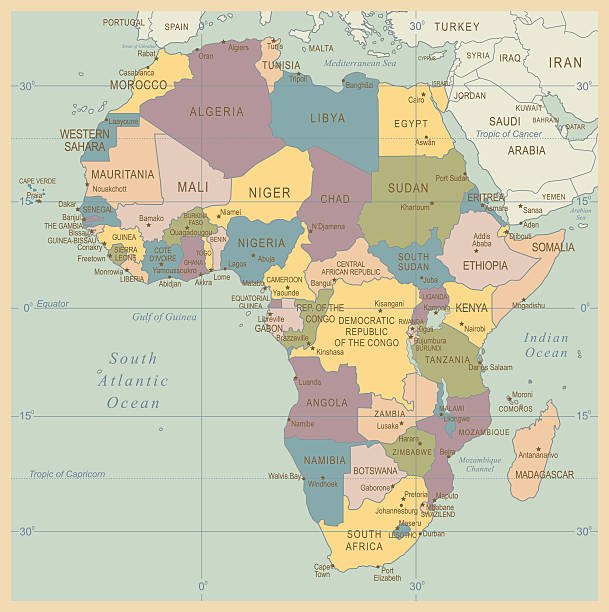
When considering international travel with a criminal record, a common question arises: Does Africa accept felons? The direct answer is complex and varies significantly by country, the nature of the felony, and the time elapsed since conviction. There is no blanket policy for the entire continent; instead, each of Africa's 54 diverse nations maintains its own sovereign immigration laws and entry requirements. Generally, while having a felony conviction can complicate the process, it does not automatically bar entry to all African countries, provided travelers undertake thorough research, adhere to legal procedures, and often, seek expert guidance.
Understanding the intricacies of travel to Africa with a criminal record requires a detailed examination of specific national policies, visa application processes, and the discretionary powers of immigration authorities. Many nations prioritize national security and public safety, making background checks a standard part of their visa application procedures. For those visiting Africa after a felony, transparency and meticulous preparation are paramount.
The Nuance of Travel to Africa with a Criminal Record
The idea that a continent as vast and varied as Africa would have a singular stance on accepting individuals with criminal records is a misconception. Each of the 54 countries has its own independent legal system and immigration policies. These policies are often influenced by various factors, including:
- National Security Concerns: Many nations conduct rigorous background checks to prevent entry of individuals deemed a threat to national security or public order.
- Type and Severity of Offense: Violent crimes, sexual offenses, drug trafficking, and offenses involving national security are almost universally treated with extreme prejudice. Lesser felonies, especially those committed long ago, might be viewed differently.
- Time Elapsed Since Conviction: Countries often consider the time that has passed since the conviction and the completion of the sentence. A significant period of law-abiding behavior post-conviction can be a mitigating factor.
- Purpose of Travel: Whether the individual intends to travel for tourism, work, study, or permanent residency can also influence the decision.
- Diplomatic Relations and Reciprocity: The nationality of the traveler and existing agreements between their home country and the African nation can sometimes play a role.
Therefore, any individual with a criminal record looking into African countries travel for felons must understand that what applies to one country, such as Morocco, might not apply to another, like South Africa or Kenya.
General Principles Governing Entry for Felons
While specific rules differ, some overarching principles guide immigration Africa criminal record policies across the continent.
Visa Requirements and Background Checks
A significant number of African countries require visas for citizens of many Western nations. During the visa application process, applicants are typically asked to declare any past criminal convictions. It is crucial to be truthful on these applications. Deliberately providing false information or omitting a conviction can lead to immediate visa denial, future travel bans, or even deportation if the lie is discovered after entry.
- Application Questions: Visa forms often include questions such as, "Have you ever been convicted of a crime or offense involving moral turpitude?" or "Have you ever been arrested or convicted for any offense or crime, even though subject of a pardon, amnesty, or other similar legal action?"
- Background Checks: Immigration authorities have the right to conduct background checks through international law enforcement databases (like INTERPOL) or by directly contacting the applicant's home country authorities.
Discretionary Powers of Immigration Officials
Even if a visa is granted, entry into any country is ultimately at the discretion of the immigration officer at the port of entry. These officials have the authority to deny entry if they believe the individual poses a risk, regardless of a pre-approved visa. This highlights the importance of having all necessary documentation and being prepared to answer questions honestly and respectfully.
Types of Felonies and Their Impact
The severity and nature of the felony are significant factors. Generally:
- Serious Felonies: Crimes such as murder, rape, child molestation, terrorism, major drug trafficking, and espionage are almost certainly grounds for immediate denial in virtually all African countries. These offenses often fall under "moral turpitude" clauses.
- Less Severe Felonies: Certain financial crimes, minor assault charges, or non-violent property crimes may be viewed with more flexibility, especially if significant time has passed and evidence of rehabilitation is provided.
- Rehabilitation: Demonstrating genuine rehabilitation, completion of sentence, and a commitment to a law-abiding life can be crucial for some countries, though not universally accepted as sufficient.
Navigating Specific African Regions and Countries
Understanding regional tendencies can provide a starting point for individuals researching African visa requirements for felons.
North Africa (Egypt, Morocco, Tunisia)
- Morocco travel for felons: Morocco is generally considered relatively open for tourism, and its visa application process may not be as stringent in terms of criminal record checks for minor offenses, especially if traveling from visa-exempt countries. However, serious felonies will still likely lead to denial.
- Egypt visa for felons: Egypt's visa application does typically ask about criminal convictions. The focus is often on crimes that could pose a security risk. Honesty is crucial, and supporting documents explaining the situation might be beneficial.
- Tunisia: Similar to Morocco, Tunisia is quite tourist-friendly. However, their immigration officials retain discretion at the border.
East Africa (Kenya, Tanzania, Uganda, Rwanda)
- Kenya visa criminal record: Kenya's e-visa system asks about criminal convictions. The Kenyan government is strict on maintaining public safety and order, especially in popular tourist areas. Serious crimes or recent convictions are likely to result in denial.
- Tanzania and Uganda: Similar to Kenya, these countries value their tourism industries but uphold national security. Visa applications will inquire about criminal history, and any serious conviction could hinder entry.
- Rwanda: Known for its progressive governance, Rwanda also maintains strict entry controls. While welcoming to tourists, integrity and transparency regarding one's past are expected.
Southern Africa (South Africa, Botswana, Namibia)
Southern Africa is a popular destination, but some countries, particularly South Africa, have very specific requirements.
- Entering South Africa with a felony: South Africa is known for having some of the strictest immigration laws regarding criminal records. Their Immigration Act includes specific provisions that can deem individuals "undesirable" based on past convictions. Even minor offenses, depending on how they are classified, can cause issues. If you have a serious felony, you may require a waiver or face significant hurdles. Proof of rehabilitation and a detailed explanation are often required.
- Botswana and Namibia: These countries often follow similar principles to South Africa but may have slightly less stringent processes for less severe, older convictions. However, they are still vigilant about serious offenses.
West Africa (Ghana, Nigeria, Senegal)
- Ghana: Ghana's visa application process is thorough and includes questions about criminal history. The country is generally welcoming but expects honesty.
- Nigeria: Nigeria has a complex visa application process, and details regarding criminal records are usually requested. Due to various security concerns, Nigerian immigration can be particularly cautious.
- Senegal: Similar to other West African nations, Senegal requires honesty on visa applications regarding criminal history. The outcome depends heavily on the nature and recency of the offense.
Essential Steps for Felons Planning to Travel to Africa
For anyone with a criminal record considering Africa travel restrictions, a methodical approach is vital to maximize your chances of success.
Step 1: Research Individual Country Requirements Meticulously
Do not assume that rules for one African country apply to another. Visit the official embassy or consulate website of each specific country you plan to visit. Look for sections on visa requirements, inadmissibility, and special conditions for those with criminal records. This is the first and most critical step in navigating felony friendly African nations.
Step 2: Obtain Official Documentation of Your Conviction and Sentence Completion
Gather all official court documents related to your conviction, including the verdict, sentence, and proof of completion of parole or probation. A letter of good standing from your probation officer or a court clerk confirming your sentence is served can be highly beneficial. Ensure these documents are translated into English or French (depending on the destination country's official language) by a certified translator and, if required, apostilled or notarized.
Step 3: Be Honest on Visa Applications
Always declare your criminal conviction if asked on a visa application. Attempting to conceal information will almost certainly lead to a permanent ban or other severe penalties if discovered. Transparency, while potentially daunting, demonstrates integrity.
Step 4: Seek Legal Counsel Specializing in International Immigration Law
For complex cases, especially those involving serious felonies or recent convictions, consulting an immigration lawyer experienced in international travel for felons is highly recommended. They can advise on specific country laws, help prepare your application, and potentially intervene with authorities. This is particularly relevant when dealing with countries known for strict African immigration laws.
Step 5: Consider a Letter of Explanation/Rehabilitation
Draft a concise and truthful letter explaining the circumstances of your conviction, the lessons learned, and any steps you've taken towards rehabilitation. Include details about employment, education, community service, or counseling. This letter should demonstrate remorse and a commitment to being a law-abiding citizen. This forms part of a robust felon travel advice Africa strategy.
Step 6: Apply for Visas Well in Advance
The processing time for visa applications for individuals with criminal records can be significantly longer due to additional scrutiny. Apply far in advance of your intended travel dates to allow ample time for processing and to respond to any requests for further information.
Factors That Can Influence Your Chances
Several factors can significantly impact whether an African nation will grant entry to a felon:
- Type and Severity of Crime: As mentioned, violent and serious offenses are highly restrictive.
- Time Elapsed: The longer the period since the conviction and release, the better. Some countries might have specific "look-back" periods.
- Evidence of Rehabilitation: Active participation in rehabilitation programs, steady employment, and community involvement can be strong positive indicators.
- Purpose of Travel: Tourists are sometimes viewed differently from those seeking employment or long-term residency.
- Nationality: Some countries have reciprocal agreements or specific policies based on the applicant's nationality.
- Proof of Financial Stability: Demonstrating you can support yourself and will not become a public charge is always important.
Understanding these aspects is vital for individuals considering criminal history Africa entry.
What to Do if Denied Entry or Visa
If your visa application is denied or you are refused entry at the border:
- Understand the Reason: Politely ask for the specific reason for denial. This information is crucial for any subsequent appeals or future applications.
- Do Not Argue or Conceal: Arguing with immigration officials or attempting to re-enter through different means without addressing the underlying issue will only worsen your situation.
- Seek Legal Advice: Consult an immigration lawyer immediately. They can advise on potential appeal processes or alternative strategies.
- Re-evaluate Plans: If one country denies you, research other potential destinations or postpone your travel until you can address the issues that led to the denial.
Conclusion
In conclusion, the question, "Does Africa accept felons?", does not have a simple yes or no answer. It is a highly nuanced issue, with policies varying greatly among the continent's many sovereign nations. While a felony conviction can undoubtedly complicate international travel, it does not automatically preclude entry to all African countries. The key to successful travel to Africa with a criminal record lies in exhaustive research into the specific requirements of your intended destination, absolute honesty in all applications, meticulous preparation of all supporting documentation, and often, professional legal consultation. By taking these proactive steps, individuals with a criminal past can significantly improve their chances of fulfilling their travel aspirations to Africa, navigating the often complex landscape of African immigration laws with confidence and integrity.
Enjoyed this read?
Share it with your friends and colleagues.