Does Africa Accept Gay People

BSC Insights Admin
September 30, 2026
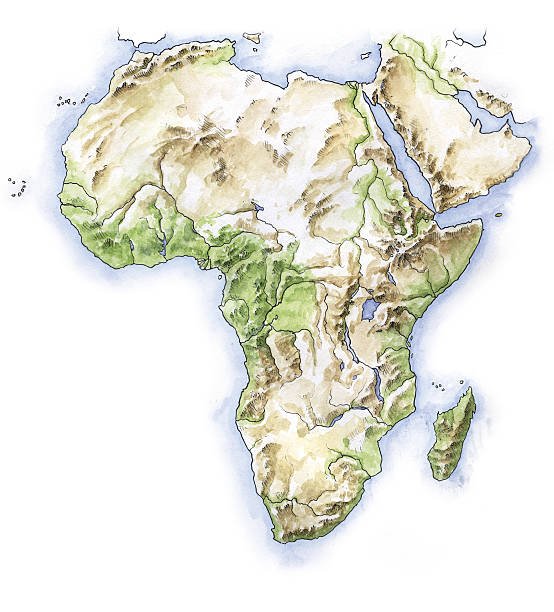
The question, "Does Africa accept gay people?", is complex and cannot be answered with a simple yes or no. Africa is a continent of 54 diverse countries, each with its own unique legal frameworks, cultural norms, religious influences, and societal attitudes towards homosexuality and LGBTQ+ individuals. While some African nations have made strides in protecting gay rights, many others retain colonial-era laws criminalizing same-sex relations, leading to widespread discrimination and social rejection.
Understanding the varied landscape of LGBTQ+ rights in Africa requires looking beyond broad generalizations and examining the specific situations in different regions and countries. This article will delve into the legal status, social acceptance, challenges, and progress concerning homosexuality in Africa, providing a comprehensive overview for those seeking to understand this nuanced issue.
The Legal Landscape of Homosexuality Across Africa
The legal status of LGBTQ+ individuals in Africa varies dramatically, ranging from constitutional protection to the death penalty for consensual same-sex acts. This legal diversity is a critical factor in determining the level of acceptance and safety for gay people on the continent.
Countries with Legal Protections
A few African nations have advanced legal frameworks that protect LGBTQ+ rights, demonstrating significant progress for LGBTQ+ Africa:
- South Africa: Stands out as the only African nation that has fully legalized same-sex marriage and enshrined non-discrimination based on sexual orientation in its constitution. Its Constitutional Court famously ruled in 2005 that denying same-sex couples the right to marry was discriminatory.
- Botswana: In 2019, Botswana’s High Court decriminalized consensual same-sex sexual acts, ruling that colonial-era laws were unconstitutional.
- Angola: Decriminalized same-sex relations in 2019 and passed a new penal code prohibiting discrimination based on sexual orientation.
- Mozambique: Decriminalized homosexuality in 2015 by repealing archaic penal code provisions.
Countries Where Homosexuality is Criminalized
A significant number of African countries' gay laws still criminalize same-sex sexual acts. These laws often carry severe penalties, including lengthy prison sentences:
- Nigeria: Imposes up to 14 years in prison for same-sex acts in the south, while in northern states operating under Sharia law, penalties can include the death penalty for married individuals and public flogging for unmarried ones.
- Uganda: Passed the controversial Anti-Homosexuality Act in 2023, which includes provisions for the death penalty for "aggravated homosexuality" and lengthy prison sentences for consensual same-sex acts. This has drawn widespread international condemnation, highlighting significant challenges for LGBTQ+ Africa.
- Kenya: Same-sex acts are punishable by up to 14 years in prison.
- Ghana: Laws criminalizing "unnatural carnal knowledge" are still in effect, carrying prison sentences.
- Egypt: While not explicitly criminalized, LGBTQ+ individuals are often arrested under "debauchery" or "public indecency" laws, facing social stigma and legal harassment.
Countries with Death Penalty for Same-Sex Acts
In a few countries, Sharia law permits the death penalty for same-sex relations, often alongside other forms of severe punishment:
- Mauritania: Under Sharia law, same-sex acts can be punishable by death.
- Northern Nigeria: Several northern states apply Sharia law, which includes the death penalty for married men engaged in same-sex acts.
- Somalia: Certain regions under Al-Shabaab control apply Sharia law, which can impose the death penalty.
- Uganda: The 2023 Anti-Homosexuality Act includes the death penalty for certain categories of same-sex acts deemed "aggravated."
The roots of many of these criminalization laws can be traced back to colonial-era legislation, primarily introduced by the British Empire. These laws have been retained and, in some cases, even strengthened post-independence, often fueled by conservative religious ideologies.
Social and Cultural Views on Homosexuality in Africa
Beyond legal frameworks, societal attitudes and cultural norms play a profound role in determining social acceptance of gay people in Africa. These attitudes are shaped by a complex interplay of traditional beliefs, religious doctrines, and post-colonial influences.
Influence of Religion
Christianity and Islam are dominant religions in many parts of Africa, and conservative interpretations of their sacred texts often condemn homosexuality. Religious leaders wield significant influence in public discourse, frequently shaping public opinion against LGBTQ+ rights.
- Evangelical Christianity: Particularly in East and West Africa, conservative evangelical movements, sometimes funded by foreign organizations, have been instrumental in promoting anti-LGBTQ+ narratives.
- Islam: In North Africa, parts of West Africa, and East Africa, Islamic teachings are often interpreted as forbidding same-sex relations, contributing to low social acceptance and, in some areas, the implementation of Sharia law.
Traditional African Perspectives
There is a growing body of academic research and activism challenging the notion that homosexuality is "un-African." Many scholars argue that diverse forms of non-heterosexual relationships and gender expressions existed in various pre-colonial African societies, often integrated into the social fabric without the moralistic condemnation seen today. The idea that homosexuality is solely a Western import is increasingly being refuted by historical and anthropological evidence.
However, modern interpretations of "tradition" are often invoked by political and religious leaders to reject LGBTQ+ rights, asserting that same-sex relationships are alien to African culture. This challenges efforts to foster inclusive cultural views on homosexuality Africa.
Public Opinion and Stigma
Public opinion polls across various African countries consistently show low levels of social acceptance for homosexuality. This pervasive stigma leads to significant challenges for LGBTQ+ individuals, including:
- Family Rejection: Many face ostracization from their families and communities upon coming out or being discovered.
- Workplace Discrimination: Difficulty in finding and retaining employment, leading to economic vulnerability.
- Social Exclusion: Being denied housing, services, or participation in community life.
The combination of punitive laws and deep-seated social stigma creates a climate of fear and marginalization for many gay people and other LGBTQ+ individuals across the continent.
Challenges Faced by LGBTQ+ People in Africa
The legal and social environment in many African nations presents significant obstacles and dangers for LGBTQ+ individuals. These challenges are multifaceted and impact every aspect of life, demonstrating the severe nature of LGBTQ+ discrimination Africa.
- Violence and Harassment: Physical assaults, mob violence, "corrective" rape (especially against lesbians), and blackmail are common. Police often fail to protect victims or, in some cases, actively participate in harassment.
- Healthcare Disparities: Stigma and discrimination in healthcare settings lead to poor access to essential services, including HIV/AIDS prevention and treatment. Fear of exposure prevents many from seeking help.
- Mental Health Issues: The constant fear, discrimination, and lack of support contribute to high rates of depression, anxiety, and suicide among LGBTQ+ individuals.
- Refugee Status: Many LGBTQ+ individuals are forced to flee their home countries due to persecution, seeking asylum in more tolerant nations or within other African countries, facing further uncertainty and danger.
- Freedom of Expression and Assembly: LGBTQ+ organizations and activists often face restrictions, threats, and bans on their gatherings, hindering their ability to advocate for their rights.
These challenges underscore the urgent need for improved human rights in Africa for all citizens, including those of diverse sexual orientations and gender identities.
LGBTQ+ Activism and Progress in Africa
Despite the formidable challenges, vibrant LGBTQ+ movements are active across Africa, working tirelessly to advocate for rights, provide support, and challenge discriminatory laws and attitudes. These movements are critical drivers of progress for LGBTQ+ Africa.
Local Advocacy and Grassroots Movements
From South Africa's well-established organizations to underground networks in more repressive countries, local activists are at the forefront of the struggle. They engage in:
- Legal Challenges: Pursuing cases in national courts to challenge discriminatory laws, as seen in Botswana and Kenya (though Kenya's challenge was unsuccessful).
- Community Support: Establishing safe spaces, support groups, and healthcare initiatives for LGBTQ+ individuals who face ostracism.
- Public Awareness Campaigns: Working to educate the public, challenge stereotypes, and foster dialogue about sexual diversity, often in culturally sensitive ways.
- Documentation of Abuses: Recording human rights violations to hold perpetrators accountable and inform international bodies.
International Support and Pressure
International human rights organizations and some foreign governments play a role in supporting African LGBTQ+ activists and pressuring governments to respect human rights. This often involves funding local organizations, diplomatic advocacy, and, in some cases, conditional aid. However, this external involvement can also sometimes fuel narratives that portray homosexuality as a "Western import," hindering local efforts.
Signs of Hope and Incremental Changes
While progress is slow and often met with backlash, there have been notable positive developments:
- Decriminalization Victories: The decriminalization of homosexuality in countries like Botswana, Angola, and Mozambique offers hope and sets legal precedents, marking steps towards broader decriminalization of homosexuality Africa.
- Increased Visibility: Despite risks, more LGBTQ+ individuals and their allies are speaking out, sharing their stories, and challenging the narrative of invisibility.
- Regional Recognition: The African Commission on Human and Peoples' Rights (ACHPR) has adopted resolutions condemning violence and discrimination based on sexual orientation and gender identity, providing a regional human rights framework.
Economic Implications and Gay Tourism in Africa
The legal and social environment regarding LGBTQ+ rights can also have tangible economic consequences, influencing foreign investment, international relations, and tourism. The concept of gay tourism Africa is largely limited to specific, more progressive regions.
Foreign Investment and Aid
Countries with severe anti-LGBTQ+ laws can face economic repercussions, including reduced foreign investment and withdrawn or conditioned aid from international donors who link development assistance to human rights records. For instance, the US and other Western nations have often reviewed aid to countries like Uganda in response to its anti-homosexuality laws.
Impact on Tourism
For a continent rich in natural beauty and cultural heritage, tourism is a vital economic driver. Countries that criminalize homosexuality may deter LGBTQ+ tourists and their allies, potentially missing out on significant revenue.
- South Africa: Actively promotes itself as a welcoming destination for LGBTQ+ travelers, with vibrant gay scenes in cities like Cape Town and Johannesburg, catering to gay tourism Africa.
- Other Destinations: While individual hotels or tour operators in other countries might be privately welcoming, the overarching legal and social climate often makes official "gay-friendly" branding difficult or risky. Travelers are generally advised to exercise caution and research local laws and customs extensively.
This economic aspect adds another layer to the discussion of does Africa accept gay people, as governments must weigh human rights against potential economic isolation.
Navigating the Nuance: A Look Ahead for LGBTQ+ Rights in Africa
The situation for LGBTQ+ individuals across Africa is profoundly nuanced. It is incorrect and simplistic to paint the entire continent with a single brushstroke. Instead, it is a tapestry woven with threads of deep-seated conservatism, resilient activism, colonial legacies, and emerging calls for human rights and equality.
While the path towards universal acceptance and legal protection for LGBTQ+ people in Africa is long and fraught with challenges, there are undeniable signs of change. The unwavering efforts of local activists, coupled with growing global awareness, continue to push for a future where all Africans, regardless of sexual orientation or gender identity, can live free from discrimination and fear. The conversation around homosexuality in Africa is evolving, albeit slowly and with significant regional differences.
Understanding these complexities is crucial for anyone seeking to engage with or support the advancement of LGBTQ+ rights in Africa. It requires acknowledging the diversity of experiences, respecting local agency, and recognizing that progress, where it occurs, is often the result of courageous domestic advocacy.
Conclusion: A Continent of Contrasts Regarding LGBTQ+ Acceptance
In conclusion, the question of "Does Africa accept gay people?" reveals a continent of stark contrasts. There is no single African stance on homosexuality; rather, a spectrum ranging from robust legal protection and growing social acceptance in countries like South Africa, to severe criminalization and widespread societal condemnation in others, such as Uganda and Nigeria.
The legal status of African countries' gay laws, the prevailing cultural views on homosexuality Africa, and the active struggle for LGBTQ+ rights in Africa are deeply intertwined with colonial histories, religious influences, and ongoing human rights advocacy. While significant challenges for LGBTQ+ Africa persist, including violence, discrimination, and lack of legal recourse, there is also a vibrant and resilient movement working towards a future of greater acceptance and equality. The journey towards full social acceptance of gay Africa is ongoing, marked by both setbacks and hard-won victories, reflecting the continent's dynamic and diverse social fabric.
Enjoyed this read?
Share it with your friends and colleagues.