Did Africa Used To Have Bears

BSC Insights Admin
September 30, 2026
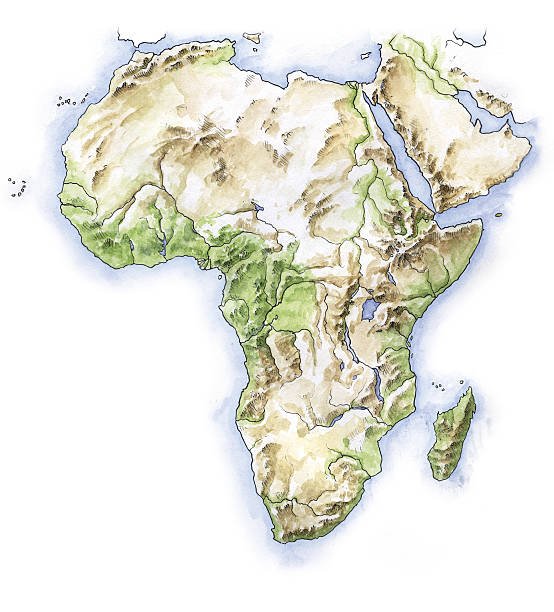
Did Africa used to have bears? Yes, the continent of Africa was indeed once home to a native bear species, the magnificent Atlas bear (Ursus arctos crowtheri), a subspecies of the brown bear. This fascinating creature roamed the mountains and forests of North Africa for thousands of years before its unfortunate extinction in the late 19th century, leaving Africa without any indigenous bear populations today.
The Atlas Bear: Africa's Native Ursid
The concept of bears in Africa might seem alien to many, as modern African wildlife is typically associated with lions, elephants, and rhinos. However, historical records, fossil evidence, and cultural accounts paint a vivid picture of the Atlas bear, a unique ursid adapted to the diverse landscapes of the Maghreb region. As a subspecies of the widely distributed brown bear, the Atlas bear shared ancestry with its European and Asian cousins but evolved distinct characteristics suited to its North African environment.
Physical Characteristics and Habitat of the Atlas Bear
Descriptions of the extinct African bear suggest it was smaller than many European brown bear subspecies, though still a formidable predator. It reportedly had a reddish-brown to dark brown coat, often with a white patch on its chest. Its fur was generally shaggier than its European counterparts, perhaps an adaptation to the varied temperatures of the Atlas Mountains, its primary habitat. This mountain range, stretching across modern-day Morocco, Algeria, and Tunisia, provided a rich environment of forests, shrublands, and rocky outcrops, offering both food and shelter.
- Size: Believed to be medium-sized for a brown bear, possibly weighing between 200-500 kg.
- Diet: Omnivorous, consuming roots, acorns, fruits, nuts, insects, and small mammals. It would also likely prey on larger animals when opportunities arose.
- Range: Historically, its distribution extended from Morocco to Libya, concentrating in the more rugged and forested areas of the Atlas Mountains.
Historical Records and Evidence of the Atlas Bear
The existence of the North African bear is not merely a paleontological theory; it is well-documented through various historical accounts. Ancient Roman texts frequently mention these bears, often describing their capture for use in gladiatorial games and public spectacles in amphitheatres across the Roman Empire. Thousands of Atlas bears were reportedly shipped to Rome, a testament to their abundance in the region during antiquity. Roman mosaics and historical writings provide invaluable insights into the appearance and presence of these bears in Africa.
Beyond Roman accounts, evidence also comes from:
- Fossil Records: Skeletal remains found in caves and archaeological sites in North Africa confirm the physical presence of the Atlas bear.
- Local Folklore: Indigenous peoples of the Atlas Mountains had their own oral traditions and stories about these bears, indicating a long co-existence.
- Early European Explorers: During the 18th and 19th centuries, European naturalists and explorers recorded sightings and even hunted the last remaining individuals, contributing to the historical record of the last bears in Africa.
The Tragic Decline and Extinction of the Atlas Bear
The story of the Atlas bear's extinction is a poignant example of human impact on wildlife. Several interconnected factors led to the demise of this unique African bear species, culminating in its disappearance by the late 19th century.
Factors Leading to Extinction
The primary drivers of the Atlas bear's decline were:
- Excessive Hunting: The most significant factor. From Roman times, Atlas bears were heavily hunted for entertainment, sport, and hides. As firearms became more advanced, hunting became even more efficient and devastating.
- Habitat Loss and Fragmentation: As human populations grew, forests were cleared for agriculture, logging, and settlement. This destroyed the bears' natural habitat, fragmenting their populations and making them more vulnerable.
- Resource Competition: With expanding pastoralism, bears were often seen as competitors for grazing lands and a threat to livestock, leading to retaliatory killings by herders.
- Limited Gene Pool: As populations dwindled and became isolated, the genetic diversity of the Atlas bear likely decreased, making it more susceptible to disease and less adaptable to environmental changes.
- Lack of Conservation Efforts: In the era before modern conservation biology, there was little understanding or will to protect species like the Atlas bear from extinction.
The exact date of the Atlas bear's disappearance is debated, but the last confirmed sighting is generally cited around 1870, with the last specimen reportedly killed by hunters in the Rif Mountains of Morocco. By the turn of the 20th century, the extinct bear in Africa was no more.
Modern Africa: The Absence of Native Bears Today
Today, Africa stands as the only continent, apart from Antarctica, that does not host any native wild bear species. This absence often leads to the question, "Are there any bears in Africa now?" The definitive answer is no, not indigenous ones. While zoos across Africa house various bear species from other continents, no wild bears roam the savannas, jungles, or mountains of Africa presently.
Why No Bears in Modern African Ecosystems?
The lack of native bears in contemporary Africa is a direct consequence of the Atlas bear's extinction and broader biogeographical factors. The continent's ecological niches that might otherwise be filled by bears are now occupied by other large carnivores and omnivores. For instance:
- Large Predators: Lions, leopards, cheetahs, and hyenas dominate the apex predator roles, hunting large ungulates.
- Omnivores and Scavengers: Baboons, wild dogs, and various smaller carnivores fill roles related to foraging for fruits, insects, and smaller prey.
- Geographical Isolation: The Sahara Desert acts as a significant geographical barrier, separating sub-Saharan Africa from the historical range of the Atlas bear and preventing natural re-colonization from Eurasia even if suitable habitat existed.
The ecological landscape of Africa has been shaped over millennia by a unique set of fauna, and the brief tenure of the Atlas bear in North Africa represents a fascinating, albeit concluded, chapter in its biodiversity.
The Ecological Significance of the Atlas Bear's Presence and Loss
Understanding the role of the Atlas bear in its ecosystem provides insight into the continent's past biodiversity and the impact of its loss. As a large omnivore, the Atlas bear would have been an important component of the North African ecosystem.
Role in the Ecosystem
The Atlas bear likely performed several vital ecological functions:
- Seed Dispersal: By consuming fruits and berries, bears aid in dispersing seeds, contributing to forest regeneration and plant diversity.
- Predator/Scavenger: While largely herbivorous, they would have preyed on small animals and scavenged carcasses, helping to regulate prey populations and clean the environment.
- Soil Aeration: Their foraging habits, digging for roots and insects, would have contributed to soil aeration and nutrient cycling.
The removal of such a large mammal from an ecosystem invariably leaves a void. While other species may adapt to fill some of these roles, the specific ecological contributions of the extinct African bear are irreplaceable. Its absence marks a permanent change in the ecological dynamics of the Atlas Mountains region, a powerful reminder of biodiversity loss.
Lessons from the Atlas Bear's Extinction: A Call for Conservation
The story of whether Africa used to have bears is more than just a historical anecdote; it serves as a crucial lesson for modern conservation efforts. The fate of the Atlas bear highlights the fragility of even robust species in the face of relentless human pressure.
Key Takeaways for Conservation
The tragic end of the Atlas bear underscores several important principles for protecting endangered species today:
- Habitat Protection is Paramount: The destruction and fragmentation of the Atlas bear's forest habitat were critical factors in its decline. Protecting natural spaces is fundamental for species survival.
- Sustainable Hunting Practices: Unregulated and excessive hunting, driven by sport or Roman spectacles, proved unsustainable. Modern wildlife management emphasizes regulated hunting and anti-poaching measures.
- Human-Wildlife Coexistence: Addressing conflicts between humans and wildlife, such as livestock predation, is essential to prevent retaliatory killings and foster tolerance.
- Understanding Ecological Roles: Recognizing the importance of each species within its ecosystem helps us understand the wider consequences of extinction.
- Early Intervention: The lack of awareness and conservation action in the 19th century meant no efforts were made to save the Atlas bear. Today, early intervention is critical for species facing decline.
The Atlas bear is a stark reminder that extinction is a permanent loss, not just of a species, but of a unique evolutionary path and an integral part of an ecosystem. Its legacy urges us to safeguard the diverse wildlife that still graces our planet.
Conclusion
To answer the question, "Did Africa used to have bears?" unequivocally: yes, Africa proudly hosted the Atlas bear, a native brown bear subspecies, for millennia. This remarkable creature, once abundant across the North African landscape, played an important ecological role before succumbing to extinction in the late 19th century due to extensive hunting and severe habitat loss. While no wild bears inhabit Africa today, the history of the extinct Atlas bear remains a vital chapter in the continent's natural history, offering profound lessons on biodiversity, human impact, and the critical importance of conservation for future generations. Its story serves as a poignant testament to the ever-changing tapestry of life on Earth and the responsibility we bear in preserving it.
Enjoyed this read?
Share it with your friends and colleagues.