How Africa Became Christian

BSC Insights Admin
September 30, 2026
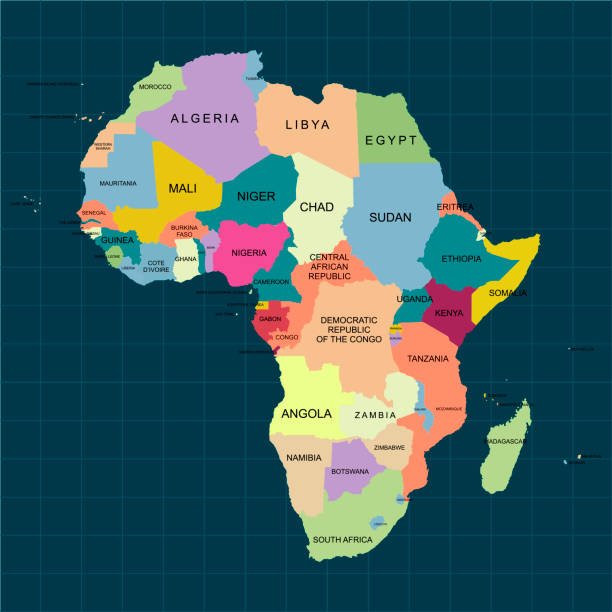
Africa's embrace of Christianity is a rich, multifaceted story spanning two millennia, beginning with early apostolic missions and evolving through indigenous adaptation, colonial influences, and vibrant modern movements. Today, Africa stands as a global powerhouse of Christian faith, a testament to its deep historical roots and dynamic contemporary growth, making it a critical region for understanding the future of global Christianity.
Early Roots: Apostolic Beginnings and North Africa
The journey of Christianity in Africa commenced remarkably early, predating its widespread adoption in many parts of Europe. This early phase laid the foundational stones for what would become a deeply embedded religious tradition.
The Apostolic Era and Egypt
Tradition holds that Christianity first arrived in Egypt through the Apostle Saint Mark in the mid-1st century AD. He is credited with establishing the Church in Alexandria, which quickly became a pivotal center of Christian thought and scholarship. The Coptic Orthodox Church, one of the oldest Christian denominations globally, traces its lineage directly back to this apostolic foundation. Early Egyptian Christians, including figures like Origen and Clement of Alexandria, played crucial roles in developing theological doctrines and biblical interpretation. Their intellectual contributions significantly shaped early Christian theology, making Alexandria a beacon of learning and faith.
North African Latin Christianity
Simultaneously, Christianity flourished in the Roman provinces of North Africa, encompassing modern-day Tunisia, Algeria, and Libya. Cities like Carthage became vibrant hubs of Christian activity. This region produced some of the most influential thinkers and martyrs of early Christianity. Figures such as Tertullian (c. 160–220 AD), the first great Latin Christian writer, laid the groundwork for Latin theology. Cyprian (c. 200–258 AD), Bishop of Carthage, was a significant theologian and martyr during periods of intense persecution. Most famously, Augustine of Hippo (354–430 AD), one of the most profound theologians in Christian history, hailed from North Africa. His writings on grace, sin, and the nature of the Church continue to influence Christian thought across denominations globally. The North African church faced severe persecutions under Roman emperors but demonstrated remarkable resilience, solidifying its presence and influencing the broader Christian world.
The Ancient Kingdoms of East Africa
While North Africa was establishing its Christian identity, the faith was also taking root in the ancient kingdoms along the Nile and the Horn of Africa, developing unique characteristics that endure to this day.
Ethiopia: A Unique Trajectory
Ethiopia's conversion to Christianity is perhaps one of the most remarkable stories in African Christian history. The Kingdom of Axum officially adopted Christianity as its state religion in the 4th century AD under King Ezana. This makes Ethiopia one of the earliest Christian nations in the world. Its distinct form of Christianity, the Ethiopian Orthodox Tewahedo Church, developed largely independently, influenced by Egyptian Coptic traditions but also integrating local cultural elements. The Ethiopian church possesses a rich liturgical tradition, including ancient Ge'ez language scriptures, unique ecclesiastical music, and a strong monastic tradition. Its claim to house the Ark of the Covenant in Axum is a powerful symbol of its deep historical and spiritual significance. Ethiopia's Christian heritage has been a defining aspect of its national identity for over 1,600 years.
Nubia and the Nile Valley
Christianity also spread south of Egypt into the ancient kingdoms of Nubia, located along the Nile River in what is now Sudan. By the 6th century AD, three Nubian kingdoms—Nobatia, Makuria, and Alodia—had officially converted to Christianity. These kingdoms flourished as Christian states for centuries, developing a distinctive blend of Coptic and Byzantine traditions, characterized by impressive cathedral architecture and vibrant murals depicting biblical scenes and saints. Nubian Christianity maintained strong ties with the Coptic Church in Egypt. However, with the gradual expansion of Islam from the 7th century onwards, these Christian kingdoms eventually declined, though vestiges of their faith persisted for some time.
The Rise of Islam and Christian Resilience
The advent of Islam in the 7th century marked a significant turning point, reshaping the religious landscape of North Africa and the Middle East, and profoundly impacting the trajectory of African Christianity.
Impact on North Africa and Egypt
The rapid Islamic conquests starting in the 7th century led to the gradual decline of Latin Christianity in North Africa. While some communities persisted for centuries, the majority eventually converted to Islam or emigrated. The vibrant Christian intellectual centers like Carthage faded. In Egypt, the Coptic Church faced new challenges under Islamic rule. Despite periods of persecution and the imposition of the jizya (tax on non-Muslims), the Coptic community managed to survive and maintain its faith, albeit as a religious minority. Their resilience is a powerful testament to their deep commitment and organizational strength, preserving a direct link to the earliest days of African Christianity.
Ethiopia's Isolation and Persistence
In contrast to North Africa, Ethiopia largely remained isolated from direct Islamic conquest. Surrounded by Muslim states, it became an "island of Christianity", developing its unique culture and religious practices without significant external interference for centuries. This isolation strengthened its distinct identity but also limited its interaction with other Christian traditions. The Ethiopian Church thus preserved ancient forms of worship and theology, fostering a profound sense of continuity with early Christian faith.
Missionary Expansion and Colonialism
The modern era saw a dramatic resurgence and expansion of Christianity across the African continent, heavily intertwined with European exploration and colonial rule.
The Age of Exploration and Early Missions
During the 15th and 16th centuries, Portuguese explorers and missionaries brought Catholicism to parts of West and Central Africa. The most notable early success was in the Kingdom of Kongo, where King Nzinga a Nkuwu (later João I) converted to Catholicism in 1491, establishing diplomatic and religious ties with Portugal. While this led to the adoption of Christianity by many Kongolese, the initial spread was often superficial and heavily reliant on royal patronage, struggling to indigenize beyond the elite. These early attempts often faced challenges due to disease, cultural misunderstandings, and the devastating impact of the transatlantic slave trade, which ironically was facilitated by European powers.
19th and 20th Century Missionary Waves
The 19th century witnessed a massive surge in missionary activity, driven by European and American Protestant and Catholic societies. This wave coincided with the scramble for Africa and the establishment of European colonial empires. Missionaries often arrived alongside colonial administrators and traders, and their work was intrinsically linked to the colonial project. They established schools, hospitals, and churches, introducing Western education and healthcare alongside Christian doctrine. While colonial powers sometimes saw missionaries as agents of civilization and control, many missionaries were genuinely committed to spreading the gospel and improving lives. They played a significant role in literacy, translating the Bible into numerous indigenous languages, and laying the groundwork for widespread conversion. This period is critical for understanding Christianity's growth in Africa, as it introduced the faith to vast new populations and regions.
African Agency and Independent Churches
Despite the colonial context, Africans were not passive recipients of Christianity. Their agency in adapting, interpreting, and leading the faith led to the emergence of powerful indigenous movements.
African Initiated Churches (AICs)
A crucial development in African Christian history was the rise of African Initiated Churches (AICs) from the late 19th century onwards. These churches emerged as responses to perceived limitations, cultural insensitivity, or racial discrimination within mission-founded churches. AICs, also known as Independent African Churches, were founded and led by Africans, often incorporating indigenous cultural elements, spiritual practices, and addressing local concerns more directly than their Western counterparts. Examples include the Kimbanguist Church in Congo, founded by Simon Kimbangu, and various Aladura churches in West Africa, emphasizing divine healing and prophecy. These churches represent a powerful expression of African spiritual autonomy and have become significant forces in African Christianity, often characterized by vibrant worship, community focus, and a contextualized theology that speaks to African experiences.
Post-Independence Growth
Following political independence in the mid-20th century, Christianity in Africa continued its rapid expansion, largely driven by internal African leadership. The post-colonial era saw an explosion of Pentecostal and Charismatic movements, which resonated deeply with African spiritualities and offered a dynamic, experiential faith. These movements emphasized spiritual gifts, healing, and direct communication with God, attracting millions across the continent. This period solidified the Africanization of Christianity, moving away from its colonial associations and asserting a distinct African identity within the global Christian community. The growth of these indigenous-led churches has been a primary engine for Christianity's growth in Africa, transforming the continent into a major global Christian demographic.
Modern African Christianity: Demographics and Dynamics
Today, Africa is not just a continent with many Christians; it is a vital center of global Christianity, profoundly influencing the faith worldwide.
Rapid Growth and Global Impact
Africa is now home to the largest Christian population of any continent, with over half a billion Christians. Projections indicate this number will continue to grow rapidly due to high birth rates and continued conversions. This demographic shift means that Africa is increasingly shaping global Christian trends, sending missionaries to traditionally Christian nations in Europe and North America, and contributing new theological perspectives. African worship styles, music, and spiritual dynamism are influencing churches worldwide. The continent hosts a diverse array of denominations, from ancient Orthodox traditions to thriving Pentecostal mega-churches, reflecting the multifaceted nature of Christianity's growth in Africa.
Challenges and Opportunities
Despite its remarkable growth, African Christianity faces significant challenges. These include issues of poverty, political instability, corruption, and interfaith relations in religiously diverse countries. Furthermore, some African churches grapple with internal divisions, the prosperity gospel, and adapting traditional doctrines to modern societal issues. However, these challenges also present opportunities for the church to play a crucial role in advocating for justice, providing social services, fostering reconciliation, and developing contextualized theologies that address unique African realities. African Christian leaders are increasingly contributing to global theological discourse, offering fresh perspectives on mission, community, and social engagement.
In conclusion, the story of how Africa became Christian is a testament to enduring faith, remarkable resilience, and profound indigenous agency. From the ancient Coptic and Ethiopian Churches that stood as beacons of faith for millennia, through the complex interplay of colonialism and missionary efforts, to the explosion of vibrant African Initiated Churches and Pentecostal movements, Christianity has taken deep root in the continent. Africa is no longer merely a mission field but a global center of Christian dynamism, shaping the future of the faith with its unique spirit, demographic strength, and theological contributions. This journey underscores a continuous process of adaptation, growth, and indigenization that has made Christianity an integral part of Africa's identity and global influence.
Enjoyed this read?
Share it with your friends and colleagues.