Facts On How Africa Was Prior To Colonization

BSC Insights Admin
September 30, 2026
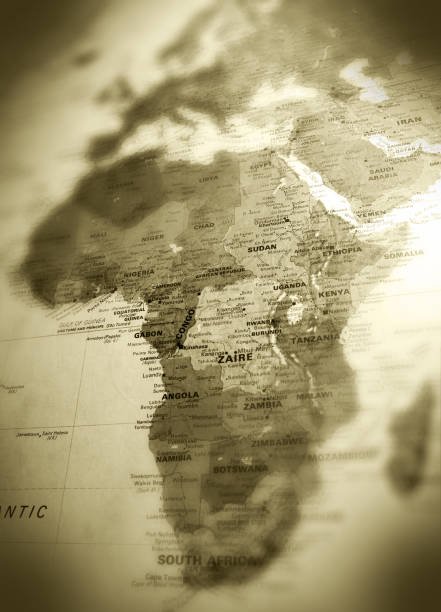
Long before European powers began their extensive colonization efforts, Africa was a continent teeming with diverse, sophisticated, and thriving societies. Far from being a "dark continent," pre-colonial Africa was a tapestry of powerful empires, intricate trade networks, advanced intellectual centers, and rich cultural traditions that rivaled, and in some cases surpassed, those in other parts of the world. Understanding Africa prior to colonization means appreciating a continent that was fully developed, self-sufficient, and deeply interconnected, with its own unique trajectories of political, economic, and social advancement.
Challenging the "Dark Continent" Myth
The misconception of Africa as a land devoid of history, civilization, or development before European arrival is a harmful colonial narrative that has been thoroughly debunked by historical and archaeological research. In reality, Africa boasts one of the longest continuous histories of human civilization, marked by innovation, governance, and cultural richness.
Diverse Geographies and Peoples
Africa is the second-largest continent, home to an unparalleled diversity of ecosystems, languages, and ethnic groups. This vastness fostered a multitude of societies, from nomadic pastoralists and agricultural communities to bustling city-states and expansive empires. Each region developed unique ways of life, governance, and interaction with their environment, demonstrating remarkable adaptability and ingenuity.
Sophisticated Societies and Innovations
Prior to colonization, African societies developed complex legal systems, sophisticated agricultural practices, advanced metallurgy, intricate art forms, and profound spiritual beliefs. These achievements were homegrown, reflecting centuries of indigenous innovation and cultural evolution, rather than being imported or imposed.
Powerful Empires and Kingdoms
The continent was home to a succession of formidable empires and kingdoms, each contributing significantly to the continent's rich historical narrative. These entities were often characterized by strong central governance, vibrant economies, and significant cultural output.
West African Empires: Ghana, Mali, Songhai
- The Ghana Empire (c. 300–1200 CE): Often called the "Land of Gold," Ghana prospered through its control of the trans-Saharan gold and salt trade. Its rulers maintained a strong military and an efficient administration, enabling a peaceful and wealthy society.
- The Mali Empire (c. 1235–1600 CE): Founded by Sundiata Keita, Mali reached its zenith under Mansa Musa, renowned for his immense wealth and pilgrimage to Mecca. Timbuktu became a global center of Islamic scholarship, boasting universities, libraries, and mosques that attracted scholars from across the world. Mali's legal and administrative systems were highly developed, fostering stability across a vast territory.
- The Songhai Empire (c. 1464–1591 CE): Emerging from the decline of Mali, the Songhai Empire, under leaders like Sunni Ali and Askia Muhammad I, expanded its control over key trade routes and intellectual centers. It was known for its bureaucratic efficiency and commitment to education and justice.
Central and Southern African Kingdoms: Kongo, Great Zimbabwe
- The Kingdom of Kongo (c. 1390–1914 CE): Located in west-central Africa, the Kongo Kingdom was a highly organized state with a strong monarchy, advanced political structure, and a vibrant economy based on agriculture, mining, and trade. It had diplomatic relations with European powers before significant colonization.
- Great Zimbabwe (c. 11th–15th centuries): This impressive city was the capital of a powerful kingdom in Southern Africa, known for its massive stone architecture built without mortar. It was a hub for regional and international trade, connecting to the Swahili coast and beyond, demonstrating sophisticated engineering and social organization.
- Mapungubwe (c. 900–1300 CE): Pre-dating Great Zimbabwe, Mapungubwe in Southern Africa was a thriving city with a complex social structure, indicated by the discovery of gold artifacts and elaborate burial practices. It was a testament to early class-based society and a sophisticated understanding of metallurgy.
East African City-States: Swahili Coast
Along the coast, a network of independent Swahili city-states like Kilwa, Mombasa, Lamu, and Zanzibar flourished. These cities were cosmopolitan hubs, engaged in extensive maritime trade across the Indian Ocean, connecting Africa with the Middle East, India, and even China. They developed a unique Swahili culture, blending African Bantu traditions with Islamic and Arabic influences, evident in their language, architecture, and craftsmanship.
North African Civilizations: Nubia, Aksum
While ancient Egypt often takes center stage, other significant civilizations thrived in North and Northeast Africa. The Kingdom of Nubia (Kush), south of Egypt, was a powerful and independent state for millennia, known for its pyramids, elaborate temples, and skilled archers. Further east, the Kingdom of Aksum (modern-day Ethiopia and Eritrea) was a major naval and trading power, controlling a significant portion of the Red Sea trade and establishing Christianity as its state religion early on.
Thriving Economies and Trade Networks
Pre-colonial Africa was far from isolated; it was an integral part of global trade networks, boasting sophisticated economic systems and robust internal and external commerce.
Trans-Saharan Trade
For centuries, the trans-Saharan trade routes connected West African empires to North Africa, the Middle East, and Europe. Caravans transported vast quantities of gold, salt, kola nuts, textiles, and unfortunately, enslaved people. This trade facilitated not only economic exchange but also the spread of Islam, knowledge, and culture.
Indian Ocean Trade
The Swahili city-states were key players in the Indian Ocean trade, exchanging African gold, ivory, timber, and iron for goods like porcelain from China, textiles from India, and spices from Southeast Asia. This maritime network fostered a rich cultural fusion and significant economic prosperity for coastal communities.
Internal African Trade Routes
Beyond these major continental routes, a vast network of internal trade routes facilitated the exchange of goods like agricultural produce, livestock, iron tools, pottery, and local crafts between different regions and communities, ensuring economic self-sufficiency and interdependence.
Advanced Social, Political, and Cultural Structures
African societies prior to colonization demonstrated remarkable complexity in their organization and thought.
Governance and Law
From centralized monarchies with elaborate bureaucracies to decentralized systems based on kinship groups and councils of elders, African societies developed diverse and effective forms of governance. Many had sophisticated legal systems, often rooted in customary law, ensuring justice and social order. The Asante Kingdom, for instance, had a complex federal structure with a written constitution of sorts.
Education and Scholarship
Timbuktu, as mentioned, was a shining example of an intellectual hub, but learning was highly valued across the continent. Oral traditions played a crucial role in preserving history, ethics, and knowledge, passed down through generations by respected griots (storytellers and historians). Indigenous knowledge systems encompassed fields like medicine, astronomy, agriculture, and metallurgy, often integrating spiritual understanding with practical application.
Arts, Architecture, and Metallurgy
African art was incredibly diverse and sophisticated, ranging from the intricate Benin Bronzes and Ife heads to the rock art of the San people. Architecture, as seen in the stone structures of Great Zimbabwe or the mud-brick mosques of Djenné, demonstrated advanced engineering and aesthetic sensibilities. The mastery of metallurgy, particularly iron smelting, was widespread and transformative, allowing for the creation of tools, weapons, and ceremonial objects long before many parts of Europe.
Agriculture and Resource Management
African farmers developed diverse and sustainable agricultural practices, cultivating a wide array of crops adapted to various climates, including millet, sorghum, yams, and coffee. Indigenous knowledge of soil management, irrigation, and crop rotation ensured food security for large populations. Resource management was often communal, reflecting a deep connection to the land and a long-term perspective on sustainability.
Religion and Spirituality
Religion played a central role in pre-colonial African societies, providing frameworks for ethics, social cohesion, and understanding the world.
Indigenous African Religions
A vast array of indigenous spiritual beliefs and practices flourished, often characterized by a belief in a supreme creator, reverence for ancestors, a vibrant spiritual world, and the importance of communal rituals and ceremonies. These belief systems were deeply integrated into daily life and governance.
Islam and Christianity
Islam spread across North and West Africa through trade and conquest, establishing major centers of Islamic learning and culture. Christianity, having roots in Egypt (Coptic Church) and Ethiopia (Orthodox Tewahedo Church) since antiquity, also existed as an established religion in parts of the continent long before European missionary efforts of the colonial era. These faiths coexisted and interacted with indigenous beliefs in various ways.
Innovation and Technology
Innovation was a hallmark of pre-colonial Africa. African societies pioneered several technologies that were crucial for their development and, in some cases, were adopted globally.
- Iron Smelting: Evidence suggests that iron smelting emerged independently in Africa, perhaps as early as 1500 BCE, revolutionizing agriculture and warfare.
- Metallurgy: Beyond iron, Africans mastered the working of gold, copper, and bronze, producing not just tools but also exquisite art and jewelry.
- Agricultural Techniques: Indigenous knowledge led to the domestication of numerous plants and the development of sophisticated farming methods, including terracing and irrigation.
- Textile Production: Complex weaving techniques and dye processes were common, producing rich and varied fabrics.
- Navigation: Coastal communities and those along major rivers developed advanced boat-building and navigation skills for trade and transport.
The Eve of Colonization
By the 15th century, when European powers began to engage more directly with the African coast, many African societies were already experiencing complex internal dynamics, including periods of expansion and decline, alliances and conflicts. The arrival of Europeans, initially for trade, gradually shifted towards exploitation and, ultimately, military conquest and political subjugation, fundamentally altering the trajectory of the continent.
Conclusion
The facts on how Africa was prior to colonization paint a picture of a continent bustling with life, innovation, and self-determination. It was a land of sophisticated political systems, thriving economies integrated into global networks, renowned centers of learning, and profound cultural and artistic expression. Understanding this rich and diverse history is essential to dismantle colonial biases and recognize the immense contributions of African civilizations to human heritage. Africa was not a blank slate awaiting external intervention but a vibrant, dynamic continent with a proud and complex past, the legacy of which continues to shape its present and future.
Enjoyed this read?
Share it with your friends and colleagues.