Is Africa 7 Years Behind

BSC Insights Admin
October 07, 2026
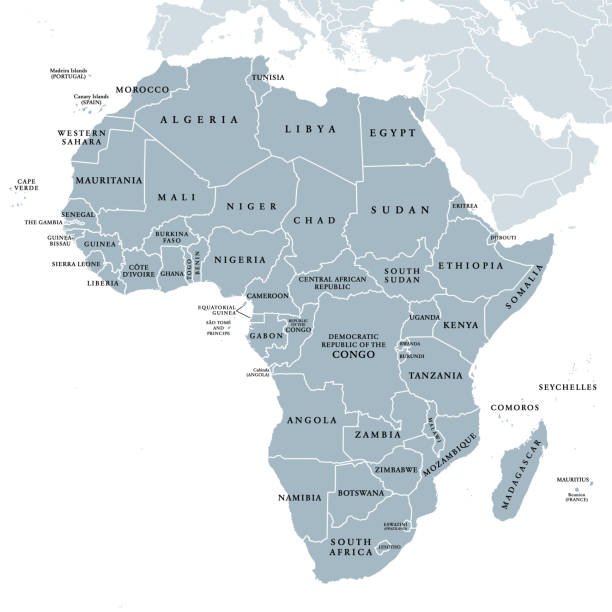
The question, "Is Africa 7 Years Behind?", often emerges from a simplified view of a continent far too diverse and dynamic for such a singular label. In reality, Africa is a continent of contrasts and rapid transformation, experiencing significant economic growth, technological leapfrogging, and social advancements while also grappling with persistent developmental challenges. Attributing a universal "behind" status ignores the incredible progress and future potential across its 54 unique nations.
Debunking the Myth: Why "Africa 7 Years Behind" is an Oversimplification
The notion of Africa being a monolithic entity lagging behind an arbitrary timeline fails to acknowledge its vast complexity. Such generalizations are not only inaccurate but also perpetuate outdated stereotypes, obscuring the continent's vibrant progress and diverse developmental trajectories. Africa's journey is multifaceted, characterized by different speeds and focuses across its regions and countries.
A Continent of Immense Diversity, Not a Single Country
Africa comprises 54 sovereign states, each with its own culture, economy, political system, and developmental stage. From the advanced economies of South Africa and Egypt to rapidly emerging markets like Kenya and Ghana, and nations still building foundational infrastructure, the variations are immense. This internal heterogeneity means that economic indicators, technological adoption, and social progress differ dramatically, rendering a universal "Africa 7 years behind" label fundamentally flawed. Understanding this diversity is crucial for any meaningful assessment of the continent's development.
For example, some countries boast sophisticated financial markets and innovative tech hubs, while others are still working to achieve basic access to clean water or electricity. To group them all under one lagging narrative ignores the tailored solutions and specific successes being achieved in various localities.
The Peril of Single Narratives and Outdated Perceptions
Historically, global media has often focused on issues like conflict, poverty, and disease in Africa, creating a skewed perception that overlooks the continent's resilience, innovation, and economic dynamism. Such narrow viewpoints fail to capture the entrepreneurial spirit, technological advancements, and rich cultural heritage that truly define contemporary Africa. Challenging these misconceptions is essential for fostering a more balanced and accurate global understanding, enabling true partnerships and investment opportunities based on reality, not stereotype.
The persistent questioning of whether Africa is 7 years behind often stems from these outdated narratives, which neglect to acknowledge the significant strides made in governance, healthcare, and education across many parts of the continent.
Economic Renaissance and Growth Drivers
Far from being behind, many African economies have consistently ranked among the world's fastest-growing over the past two decades. This economic resurgence is driven by robust internal factors and strategic policy shifts.
Sustained GDP Growth and Sectoral Diversification
Several African nations have demonstrated impressive Gross Domestic Product (GDP) growth rates, often outstripping global averages. This growth is propelled by a rapidly expanding young population, increasing urbanization, improved governance, and strategic investments in key sectors. Countries like Ethiopia, Rwanda, and Côte d'Ivoire have maintained strong economic expansion, attracting significant foreign direct investment (FDI). Economic diversification away from sole reliance on natural resources is also playing a critical role, with manufacturing, services, and modernized agriculture contributing significantly.
The burgeoning middle class across the continent is fueling domestic consumption, creating new markets and fostering internal economic resilience. This shift towards a broader economic base makes growth more sustainable and less vulnerable to external shocks, directly countering the idea of Africa lagging in economic terms.
The Promise of AfCFTA and Foreign Investment
The operationalization of the African Continental Free Trade Area (AfCFTA) marks a monumental step towards economic integration, aiming to create the world's largest free trade area. This initiative is projected to significantly boost intra-African trade, drive industrialization, and attract greater foreign investment. Such a forward-looking, continent-wide economic strategy underscores Africa's proactive approach to accelerating its own development, positioning it as a key player in global trade and investment, not as a region that is 7 years behind.
Global investors are increasingly recognizing Africa's untapped potential, pouring capital into diverse sectors ranging from digital infrastructure to renewable energy and consumer goods. This growing interest highlights confidence in Africa's economic trajectory.
Technological Advancement and Innovation Leadership
Perhaps the strongest rebuttal to the "Africa 7 years behind" narrative lies in its remarkable technological leapfrogging and innovation.
Africa's Mobile Money Phenomenon
Africa has pioneered and embraced the mobile money revolution, transforming financial inclusion for millions. Services like M-Pesa in Kenya have allowed vast segments of the unbanked population to access financial services—from payments and savings to micro-loans—directly through their mobile phones. This innovative approach has been globally recognized and replicated, showcasing Africa's leadership in financial technology (FinTech) and its ability to create solutions tailored to local needs, rather than merely adopting Western models.
The widespread adoption of mobile money has empowered small businesses, facilitated remittances, and significantly reduced transaction costs, proving to be a powerful engine for economic development across the continent.
Digital Transformation and Startup Ecosystems
Internet penetration is expanding rapidly, fueled by growing mobile broadband access. This digital transformation is fostering thriving e-commerce platforms, e-learning initiatives, and remote work opportunities. Innovation hubs like "Silicon Savannah" in Nairobi and Lagos's vibrant tech scene are incubating thousands of startups in Agri-tech, Health-tech, Clean-tech, and FinTech. These ecosystems are attracting significant global venture capital, demonstrating African innovation's global competitiveness. The continent is not just catching up but is actively shaping the future of digital solutions.
- FinTech: Leading in mobile payments and digital banking.
- Agri-tech: Innovating solutions for food security and agricultural efficiency.
- Health-tech: Developing telemedicine and remote diagnostic tools.
- Ed-tech: Expanding access to education through digital platforms.
Pioneering Renewable Energy Solutions
Blessed with abundant solar, wind, hydro, and geothermal resources, many African nations are aggressively pursuing renewable energy projects. Large-scale solar farms, wind parks, and hydroelectric dams are being developed, providing clean energy to communities and industries. This commitment positions Africa as a vital player in the global energy transition, often leapfrogging traditional fossil fuel-based infrastructure directly to sustainable solutions. The push for clean energy solutions is a clear indicator of forward-thinking development strategies.
Off-grid solar solutions, in particular, are transforming rural areas, providing power to homes and businesses that were previously unserved by conventional grids, showcasing innovative approaches to energy access.
Social Progress and Human Capital Development
Beyond economic and technological advancements, Africa is making significant strides in social development, directly impacting the quality of life for millions of its citizens.
Improving Health and Education Outcomes
While challenges remain, there have been notable improvements in public health indicators across Africa. Child mortality rates have fallen, life expectancy is increasing, and significant progress has been made in combating major diseases. Investments in healthcare infrastructure, professional training, and public health campaigns are yielding positive results. Similarly, access to education is expanding, with more children enrolling in primary and secondary schools. Efforts to improve literacy rates and vocational training are also gaining traction, equipping a youthful population with essential skills. Investing in human capital is a core strategy across the continent.
Digital learning platforms are bridging educational gaps in remote areas, and universities are producing a growing pool of skilled graduates ready to contribute to national development and drive innovation.
Harnessing the Youth Demographic Dividend
Africa has the youngest population globally, representing a powerful demographic dividend. This young workforce, if properly educated and employed, can fuel unprecedented economic growth and innovation. There is a strong emphasis on youth empowerment, entrepreneurship, and skill development programs, recognizing that young Africans are increasingly at the forefront of driving social and economic change. This vibrant youth demographic is a powerful engine for future growth, debunking any notion of the continent being 7 years behind. The African youth dividend is a critical asset and a source of immense optimism for the continent's future.
Navigating Persistent Challenges and Seizing Opportunities
Despite significant progress, it is vital to acknowledge the challenges many African nations still face. These include:
- Governance and Political Stability: While many countries have made democratic strides, political instability and conflict persist in some regions, hindering sustained development.
- Inequality and Poverty: Despite economic growth, significant income inequality and poverty remain prevalent. Inclusive growth strategies are crucial to ensure that development benefits all segments of society.
- Climate Change Vulnerabilities: African nations are disproportionately affected by climate change, requiring substantial investment in adaptation and resilience-building measures.
- Infrastructure Gaps: Deficits in critical infrastructure—energy, transport, and digital connectivity—continue to impede growth, necessitating massive investment and innovative financing.
- Quality of Services: Beyond access, ensuring the high quality of education and healthcare services remains a priority to truly uplift human capital and ensure long-term development.
However, these challenges are increasingly viewed as opportunities for innovative solutions. From developing climate-resilient agriculture to pioneering sustainable urban planning and leveraging digital tools for governance, African countries are finding creative ways to overcome hurdles and build a more resilient future. International partnerships focused on sustainable development are also key to addressing these complex issues effectively.
Africa's Future: A Global Powerhouse in the Making
The narrative of Africa being "7 years behind" is rapidly becoming a relic of the past, replaced by an understanding of its undeniable progress and immense future potential. The continent is poised to become an even more significant player on the global stage, driven by its youthful demographic, technological prowess, and strategic economic integration. Africa's role as a strategic global partner is growing, with increasing influence in international affairs, trade, and cultural exchange. The commitment to achieving the Sustainable Development Goals (SDGs) and the African Union's Agenda 2063 further solidifies a clear vision for a prosperous, integrated, and peaceful continent.
In conclusion, the idea that Africa is 7 years behind is a simplistic and inaccurate assessment that ignores the continent's profound diversity, rapid economic growth, technological innovation, and significant social advancements. While genuine challenges persist, Africa is a dynamic continent actively shaping its own destiny, with immense potential and a clear trajectory towards a future defined by progress, resilience, and global relevance. To truly understand Africa is to appreciate its complexity, celebrate its achievements, and recognize its pivotal role in the 21st century.
Enjoyed this read?
Share it with your friends and colleagues.