Does Africa Bigger Than Russia

BSC Insights Admin
September 30, 2026
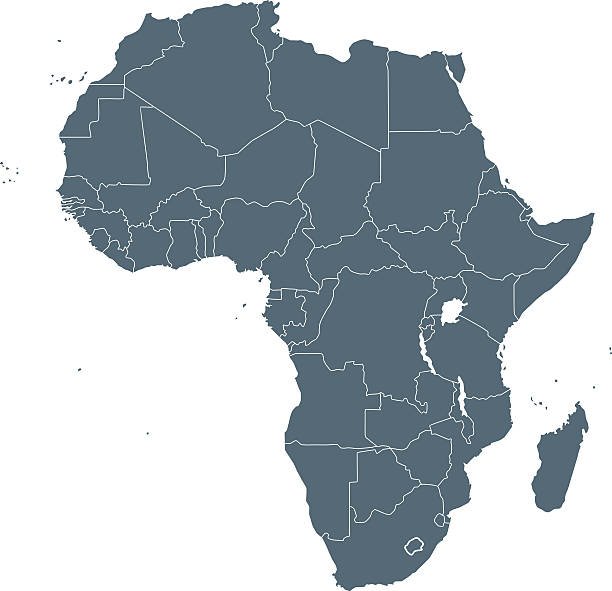
Does Africa Bigger Than Russia? The Definitive Geographic Comparison
Yes, Africa is significantly bigger than Russia. While Russia is renowned as the world's largest country by land area, the African continent collectively dwarfs Russia in sheer size and scale. This common misconception often arises from distorted map projections and a general underestimation of Africa's immense landmass.
Understanding the true scale of continents and countries is crucial for accurate geographical literacy and appreciating global diversity. In this comprehensive guide, we will delve into the precise measurements, explore why this misconception persists, and highlight the incredible vastness of Africa compared to Russia and other global entities.
Understanding the Scale: Africa vs. Russia
When comparing the land area of Africa and Russia, the numbers reveal a clear winner in terms of overall size. Africa is not just slightly larger; it is nearly twice the size of Russia.
The Definitive Answer: Africa's Vastness
Africa is the world's second-largest continent, both in land area and population. Its colossal size encompasses a staggering array of climates, ecosystems, and nations. To put its scale into perspective, consider these figures:
- Africa's Land Area: Approximately 30.3 million square kilometers (11.7 million square miles).
- This includes its continental landmass and associated islands.
- Africa is home to 54 recognized countries, each with its own unique geography and culture.
The sheer expanse of the African continent is often underestimated. Many people struggle to grasp its true dimensions due to the way it is typically represented on maps, which we will explore further.
Russia's Impressive Yet Smaller Footprint
Russia holds the undisputed title of the world's largest country by land area. Spanning Eastern Europe and Northern Asia, its territory covers a significant portion of the Earth's landmass. However, despite its impressive size, it remains considerably smaller than the entire continent of Africa.
- Russia's Land Area: Approximately 17.1 million square kilometers (6.6 million square miles).
- Russia's vastness makes it larger than Pluto in surface area and covers about 11% of the world's landmass.
While Russia's land area is undeniably enormous, it doesn't come close to matching the collective area of Africa. Here's a quick comparison:
| Entity | Approximate Land Area (Square Kilometers) | Approximate Land Area (Square Miles) |
|---|---|---|
| Africa (Continent) | 30,300,000 | 11,700,000 |
| Russia (Country) | 17,100,000 | 6,600,000 |
As the table clearly illustrates, Africa's landmass is approximately 1.77 times larger than that of Russia, reinforcing that Africa is bigger than Russia by a substantial margin.
Why the Confusion? Map Projections and Perception
The persistent belief that Russia is larger than, or at least comparable to, Africa stems largely from centuries-old cartographic choices that continue to influence our perception of the world.
The Mercator Projection: A Visual Deception
The most widely recognized and utilized world map, the Mercator projection, was developed in 1569 by Gerardus Mercator. While revolutionary for navigation because it preserves angles and shapes, it drastically distorts the sizes of landmasses, especially those farther from the equator.
- Exaggeration of Northern Latitudes: The Mercator projection makes countries near the poles appear much larger than they are in reality. This visual trick makes Greenland look similar in size to Africa (when Africa is 14 times larger) and makes Canada and Russia appear disproportionately vast.
- Russia's Perceived Size: Due to its high northern latitude, Russia appears stretched out and enormous on a Mercator map, creating the impression that it might rival or even surpass entire continents like Africa in size. The 'true size of Africa' is often lost in this distortion.
- Equatorial Compression: Conversely, landmasses near the equator, like Africa, are depicted more accurately in terms of shape but their relative size is visually diminished compared to the exaggerated northern countries.
This widespread visual representation has ingrained a skewed understanding of global geography in generations, making the answer to 'Does Africa bigger than Russia?' often surprising to many.
The True Size of Africa: A Continent Unveiled
When map projections that accurately represent land area (like the Gall-Peters projection) or interactive comparison tools are used, the immense scale of Africa becomes strikingly clear. These tools reveal that:
- Africa is so vast that you could comfortably fit the United States, China, India, Japan, and most of Europe within its borders, with room to spare.
- The combined area of several major countries pales in comparison to the single continent of Africa. For instance, the USA (approximately 9.8 million sq km), China (approximately 9.6 million sq km), and India (approximately 3.3 million sq km) together still don't match Africa's size.
This re-evaluation of scale helps to correct the visual biases ingrained by the Mercator projection and highlights the incredible geographical reality of the African continent.
A Closer Look at Geographic and Demographic Dimensions
Beyond simple land area, considering other dimensions further emphasizes the differences and unique characteristics of Africa and Russia.
Land Area and Coastlines: Beyond Simple Numbers
The sheer land area of Africa contributes to its unparalleled biodiversity and vast natural resources. Its expansive terrain includes:
- The Sahara Desert, the world's largest hot desert.
- The fertile Nile River basin, the longest river in the world.
- Dense rainforests, vast savannas, and majestic mountain ranges.
- Enormous mineral wealth, including significant deposits of diamonds, gold, platinum, and cobalt.
Despite having a land area nearly twice that of Russia, Africa's coastline (approx. 30,500 km or 19,000 miles) is surprisingly shorter than Russia's (approx. 37,653 km or 23,396 miles). This is due to Africa's relatively smooth, less indented coastline compared to Russia's highly irregular and diverse coastline, which features numerous gulfs, bays, and peninsulas, especially in its Arctic regions. This illustrates that 'bigness' isn't just about total area but also about geographical shape and features.
Population and Diversity: The Human Element
While land area is a primary metric for 'bigger,' population and diversity offer another lens through which to compare these global giants.
- Africa's Population: With over 1.4 billion people, Africa is the second-most populous continent. This population is spread across 54 countries, speaking thousands of languages and representing immense cultural, ethnic, and religious diversity.
- Russia's Population: Russia has a population of approximately 144 million people, making it the ninth-most populous country. While diverse, its population is significantly smaller than Africa's and concentrated in its western parts.
The vast number of independent nations within Africa, each with distinct governance, economies, and societies, further distinguishes it from Russia, which is a single, albeit massive, sovereign state. This immense human and cultural tapestry is another aspect where the African continent demonstrates its profound 'bigness' and complexity.
Implications of Size: Global Impact
The geographic scale of both Africa and Russia has profound implications for their global impact, resource potential, and geopolitical significance.
Economic and Resource Potential
Africa's immense size correlates with extraordinary natural wealth. Its vast land area holds a significant portion of the world's raw materials, including:
- Over 90% of the world's platinum reserves.
- Approximately 60% of the world's arable land that is currently uncultivated.
- Large reserves of oil, natural gas, and various metals essential for modern industries.
This abundant resource base presents both immense opportunities and complex challenges for development across the continent. Similarly, Russia's large land area is rich in natural resources, particularly oil, natural gas, timber, and various minerals, which underpin its economy and global influence.
Geopolitical Significance
The geographical expanse of Africa, with its 54 sovereign nations, contributes to its growing geopolitical importance. The collective voice and potential of the African continent are becoming increasingly influential on the world stage, especially in areas like climate change, global trade, and international diplomacy.
Russia's status as the largest country by area, spanning two continents, gives it a unique geopolitical position and leverage in international affairs, particularly in energy markets and security issues.
Conclusion
In conclusion, to answer the question, yes, Africa is significantly bigger than Russia. With a land area of approximately 30.3 million square kilometers, Africa nearly doubles Russia's 17.1 million square kilometers. This factual clarity debunks a widespread geographical misconception largely perpetuated by the distortions of the Mercator map projection.
Understanding the true size of Africa not only corrects a common error but also fosters a greater appreciation for the continent's immense geographical, biological, and cultural diversity. Africa's vastness, comprising 54 nations and a population of over 1.4 billion, underscores its growing importance and influence on the global stage. It is a continent of unparalleled scale and rich complexity, far surpassing any single country in overall landmass.
Enjoyed this read?
Share it with your friends and colleagues.