Is Africa Under British Rule

BSC Insights Admin
July 25, 2026
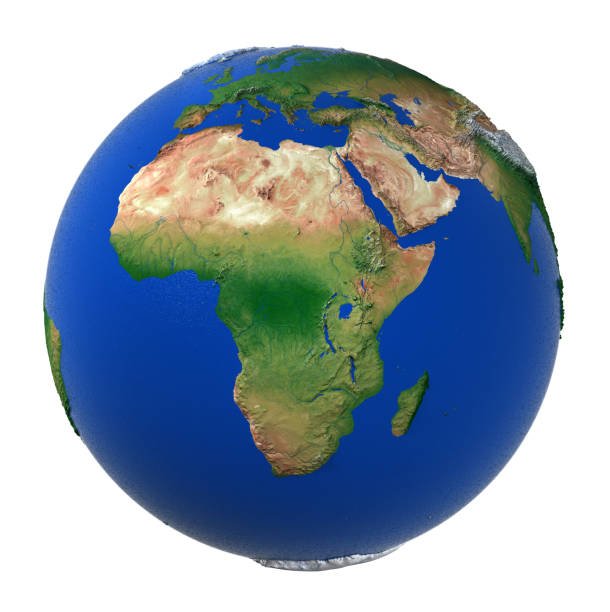
No, Africa is not under British rule. Every nation on the African continent is a sovereign and independent state, governing itself without direct political control from the United Kingdom or any other foreign power. While much of Africa was colonized by European powers, including Britain, during the 'Scramble for Africa' in the late 19th and early 20th centuries, this era officially ended with widespread decolonization movements that led to independence for African nations, primarily between the 1950s and 1970s.
The Legacy of Colonialism: Understanding Africa's Past
To fully understand the current political landscape of Africa, it is essential to delve into its colonial history. The notion of Africa under British rule stems from a period of intense European imperial expansion, which profoundly reshaped the continent.
The Scramble for Africa and British Dominance
The late 19th century witnessed a rapid proliferation of European claims on African territory, a phenomenon famously known as the Scramble for Africa. Driven by economic, political, and strategic interests, European powers carved up the continent with little regard for existing indigenous societies or geographical boundaries. The British Empire emerged as one of the largest colonial powers in Africa, establishing vast territories across different regions.
- East Africa: Kenya, Uganda, Tanganyika (modern-day Tanzania).
- Southern Africa: South Africa, Rhodesia (modern-day Zimbabwe and Zambia), Bechuanaland (modern-day Botswana), Basutoland (modern-day Lesotho), Swaziland (modern-day Eswatini).
- West Africa: Nigeria, Ghana (Gold Coast), Sierra Leone, Gambia.
- North Africa: Egypt and Sudan, though with varying degrees of control and influence.
British rule often involved imposing administrative structures, legal systems, and economic policies designed to benefit the imperial power. This period of direct foreign administration profoundly impacted African societies, economies, and political development.
The Mechanisms of British Colonial Rule
The British employed various methods to administer their vast African territories. One prominent strategy was indirect rule, particularly in West Africa, where existing traditional rulers were utilized as intermediaries to govern on behalf of the British. While seemingly less disruptive, indirect rule often undermined traditional authority structures and contributed to ethnic divisions.
Economically, colonies were exploited for their natural resources, including minerals, cash crops, and raw materials, which were then funneled to British industries. Infrastructure development, such as railways and ports, was primarily geared towards facilitating the extraction and export of these resources. Socially, colonial rule imposed European cultural norms, languages, and education systems, often leading to the suppression of indigenous cultures and languages.
The Wave of Decolonization: Africa's Quest for Sovereignty
The mid-20th century marked a pivotal turning point in African history: the decolonization of Africa. Following World War II, a combination of internal and external factors fueled a powerful movement for self-determination across the continent.
Key Factors Driving Independence
Several forces converged to dismantle European colonial empires. Internally, a rising tide of African nationalism and Pan-Africanism inspired leaders and movements to demand an end to foreign rule. Educated elites, labor unions, and veteran groups who had fought in the world wars became catalysts for change, advocating for the recognition of African rights and self-governance.
- Post-World War II Context: The war weakened European powers and exposed the hypocrisy of fighting for freedom abroad while denying it to colonies. The United States and the Soviet Union also pressured European nations to decolonize.
- Rise of Nationalist Movements: Charismatic leaders like Kwame Nkrumah (Ghana), Jomo Kenyatta (Kenya), Julius Nyerere (Tanganyika), and Nnamdi Azikiwe (Nigeria) mobilized their people.
- Pan-Africanism: The philosophy promoting the unity and solidarity of African peoples played a crucial role in fostering a collective identity and purpose against colonial oppression.
Prominent British Colonies Gaining Independence
The journey to independence for former British colonies in Africa began with Ghana in 1957, marking a symbolic start to the rapid decolonization process. Many others followed in quick succession, particularly in the early 1960s, often referred to as the "Year of Africa" (1960), when numerous nations gained their freedom.
| Country | Former British Colonial Name | Year of Independence |
|---|---|---|
| Ghana | Gold Coast | 1957 |
| Nigeria | Colony and Protectorate of Nigeria | 1960 |
| Sierra Leone | Colony and Protectorate of Sierra Leone | 1961 |
| Uganda | Uganda Protectorate | 1962 |
| Kenya | Kenya Colony and Protectorate | 1963 |
| Zambia | Northern Rhodesia | 1964 |
| Tanzania | Tanganyika (merged with Zanzibar) | 1961 (Tanganyika) |
| Botswana | Bechuanaland Protectorate | 1966 |
| Lesotho | Basutoland Protectorate | 1966 |
| Eswatini | Swaziland Protectorate | 1968 |
| Zimbabwe | Southern Rhodesia | 1980 |
| South Africa | Union of South Africa (Dominion status) | 1931 (Statute of Westminster), 1961 (Republic) |
Each nation's journey to independence was unique, some achieved through peaceful negotiations, others through armed struggle. However, the outcome was consistent: the establishment of fully independent, self-governing African states, marking the definitive end of Africa under British rule.
Africa Today: A Continent of Independent Nations
Today, Africa is a continent of 54 diverse and fully sovereign states, each with its own government, laws, and international relations. The idea that Africa is under British rule is a significant misconception that ignores decades of hard-won independence and self-governance.
Political Autonomy and National Governments
All African nations maintain their own national governments, whether they are republics or monarchies, parliamentary democracies or presidential systems. They participate fully in international affairs, holding membership in the United Nations, the African Union (AU), and various regional economic blocs. This demonstrates a complete political autonomy, where decisions about domestic policy, foreign relations, and economic development are made by African leaders for African people.
The current political status of African nations is defined by their sovereignty. They elect their own leaders, formulate their own laws, and manage their own resources. While many face ongoing challenges such as economic development, governance issues, and security concerns, these are internal matters or complex global dynamics, not indicative of external colonial control.
The Commonwealth of Nations: A Post-Colonial Link
It is important to address the role of the Commonwealth of Nations. Many former British colonies in Africa, along with other ex-British territories globally, are members of this voluntary association of independent sovereign states. The Commonwealth is explicitly not a political union or a continuation of the British Empire. Member states are equal and autonomous, cooperating on shared values, development goals, and cultural exchange.
- Voluntary Membership: Nations choose to join and can leave at any time.
- No Political Control: Membership does not imply any form of subordination or direct rule by the UK.
- Shared Values: Focuses on democracy, human rights, good governance, and economic development.
The existence of the Commonwealth helps to foster diplomatic ties and cooperation but in no way means that African nations are under British rule.
Addressing Lingering Influences: Economic Ties and Neocolonialism
While direct political rule is unequivocally over, some scholars and analysts discuss concepts like "neocolonialism." This term typically refers to the continuation of economic, cultural, or political influence by former colonial powers or other powerful nations over independent states, often through debt, trade imbalances, and foreign aid conditionalities, rather than direct military or political control. This is a complex topic distinct from direct colonial administration.
African nations actively seek diverse partnerships, not just with former colonial powers but with emerging global economies like China, India, and Brazil, further diversifying their international relationships and asserting their independence in the global economic landscape. The focus of modern Africa governance is on self-determination and sustainable development.
Differentiating Rule from Influence: Africa's Global Standing
The distinction between direct political rule and diplomatic, economic, or cultural influence is crucial when discussing Africa's relationship with former colonial powers. The answer to is Africa under British rule remains a firm no; however, the historical ties do create channels for ongoing influence, which is true for many nations globally.
Dispelling Misconceptions About African Governance
Misconceptions often arise from a lack of understanding of historical processes and the dynamic reality of modern Africa. While the historical legacy of the British Empire in Africa left an indelible mark on institutional structures, legal systems, and educational frameworks, these are adaptations and choices made by independent African governments, not mandates from a foreign power.
African leaders and institutions are at the forefront of tackling the continent's challenges and harnessing its vast potential. Organizations like the African Union play a vital role in promoting peace, stability, and integration across the continent, highlighting a strong commitment to pan-African solutions and sovereignty.
Africa's Role on the Global Stage
Far from being under foreign rule, Africa is increasingly asserting its collective voice and influence on the global stage. African nations are key players in international diplomacy, trade, and cultural exchange. The continent boasts some of the fastest-growing economies in the world, a burgeoning youth population, and immense natural resources. This dynamism underscores a future where African nations continue to shape their own destinies and contribute significantly to global progress.
The concept of African sovereignty is not merely a legal status but a lived reality, constantly being reinforced through independent foreign policy decisions, regional collaborations, and internal governance reforms. The journey has been challenging, but the trajectory is clear: a continent of independent, self-governing states.
Conclusion
In conclusion, the assertion that Africa is under British rule is factually incorrect and severely outdated. The era of direct British colonial control over African territories concluded decades ago with the widespread decolonization movement. Today, every nation on the African continent is an independent, sovereign state with its own government and full autonomy in international affairs. While historical legacies and membership in organizations like the Commonwealth exist, these do not equate to political rule. Africa stands as a diverse continent of independent nations, actively shaping its own future and playing an increasingly vital role in the global community.
Enjoyed this read?
Share it with your friends and colleagues.