Does Africa Celebrate Christmas

BSC Insights Admin
September 30, 2026
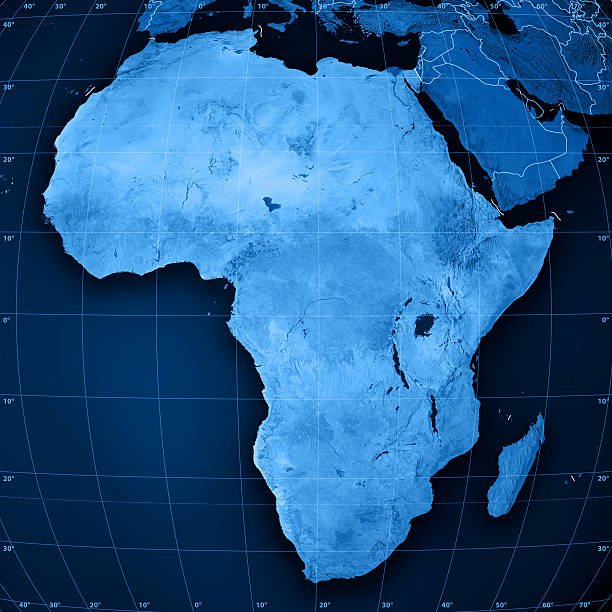
Does Africa Celebrate Christmas? A Vibrant Tapestry of Faith and Festivity
Yes, Africa absolutely celebrates Christmas, and it does so with immense diversity, deep spiritual significance, and vibrant communal joy across much of the continent. While the exact traditions vary significantly from one country and culture to another, reflecting Africa's rich tapestry of societies, the Christian holiday is widely observed by millions of Africans, making it a prominent annual event. This article delves into the fascinating ways Christmas traditions in Africa unfold, showcasing the unique blend of faith, local customs, and family gatherings that characterize African Christmas celebrations.
A Continent of Faith: The Strong Christian Presence in Africa
Understanding Does Africa celebrate Christmas begins with acknowledging the continent's significant Christian population. Christianity has a long and storied history in Africa, dating back to the 1st century AD in regions like Egypt and Ethiopia. Today, it is one of the two largest religions on the continent, with hundreds of millions of adherents spanning various denominations, including Catholicism, Protestantism, and indigenous African churches. This deep-rooted and ever-growing Christian faith forms the bedrock of Christmas celebrations in many African countries.
The spread of Christianity across Africa was influenced by several waves, from early missionary efforts in North and East Africa to the more widespread evangelization during the colonial era, and more recently, the flourishing of independent African churches. As a result, religious holidays in Africa, particularly Christmas, are celebrated with profound devotion and enthusiasm, often incorporating local customs and practices that give them a uniquely African flavor. This strong adherence to Christianity is why the question, "Is Christmas celebrated in Africa?" is met with a resounding yes across vast regions.
The Diverse Tapestry of African Christmas Traditions
Just as Africa is not a monolithic entity, neither are its Christmas traditions. The ways in which people celebrate Christmas are as varied as the continent's 54 countries and thousands of ethnic groups. However, several common themes emerge that distinguish how Christmas is celebrated in Africa from its Western counterparts.
Less Commercialism, More Community and Spirituality
Unlike many Western nations where Christmas has become heavily commercialized, Christmas in Africa often retains a stronger focus on its spiritual roots and communal bonding. While gift-giving does occur, it's typically more modest and emphasizes practical items or new clothing for children rather than expensive presents. The emphasis is overwhelmingly on gathering with family, attending church services, and sharing meals.
Vibrant Church Services and Festivities
Church attendance is central to African Christmas celebrations. Services are often long, joyful, and filled with enthusiastic singing, dancing, and drumming. Congregations don their finest clothes, often specially made for the occasion. Many churches hold special Christmas Eve or Christmas Day services, which can last for several hours, culminating in powerful sermons and community fellowship. These services are a cornerstone of African Christian celebrations.
Feasting and Family Gatherings
A significant aspect of African Christmas celebrations revolves around food and family. Families often travel long distances to be together, and special meals are prepared. The specific dishes vary by region – from roasted goat or chicken in East Africa to jollof rice and various stews in West Africa, or braais (barbecues) in Southern Africa. These feasts are not just about eating; they are profound acts of sharing, hospitality, and strengthening familial bonds. Learning about Christmas food in Africa reveals a culinary journey across the continent.
Music, Dance, and Processions
Music and dance are intrinsic to African culture, and Christmas is no exception. Choirs practice for months to perform during services, and spontaneous dancing often breaks out during celebrations. In some regions, there are street parades and processions, sometimes featuring masquerades, bringing the festive spirit directly to the community. These lively displays highlight the celebratory nature of African festive seasons.
Regional Spotlights: Unique Ways Christmas is Celebrated
To truly understand Does Africa celebrate Christmas, it’s essential to look at specific examples from different parts of the continent. The diversity is truly remarkable.
Ethiopia: Genna and the Ancient Traditions
One of the most distinct celebrations can be found in Ethiopia, where Christmas is celebrated on January 7th (or January 8th in a leap year), according to the ancient Julian calendar, aligning with the Eastern Orthodox Church. Known as Genna, Ethiopian Christmas is a deeply spiritual holiday. Many Orthodox Christians observe a strict fast for 43 days leading up to Genna, abstaining from meat and dairy products. On Christmas Eve, people attend all-night church services, often dressed in traditional white cotton clothes called shamma. The churches themselves are often ancient and rock-hewn, adding to the profound atmosphere.
After the long service, families return home to break their fast with a feast, typically featuring doro wat (a spicy chicken stew) and injera (a sourdough flatbread). Genna also involves a traditional game called Yagenna Chewata, similar to hockey, which legend says shepherds played on the night Christ was born. This deep historical and religious adherence makes Ethiopian Christmas traditions truly unique and a testament to early Christianity in Africa.
South Africa: A Summer Christmas Down Under
In South Africa, Christmas falls during the height of summer, offering a stark contrast to the snowy scenes often depicted in Western media. Celebrations often involve outdoor activities like swimming, picnics, and beach visits. The traditional Christmas dinner might still feature roast turkey or ham, but it’s just as common to have a braai (barbecue) with friends and family. Carols by candlelight events are popular, and families decorate their homes with festive lights and trees, often incorporating locally available flora. The blend of European colonial traditions with local summer customs creates a distinct South African Christmas celebration, characterized by warmth, sunshine, and communal outdoor fun.
West Africa: Ghana and Nigeria's Vibrant Celebrations
In countries like Ghana and Nigeria, Christmas is a major public holiday marked by intense preparations and lively festivities. Weeks before December 25th, towns and cities buzz with activity. People travel from urban centers back to their ancestral villages to celebrate with extended family. Churches hold special vigils and services, often running late into the night on Christmas Eve. On Christmas Day, new outfits are worn, and homes are filled with the aroma of special dishes like jollof rice, pounded yam, fufu, and various soups and stews. Gift-giving, though modest, is cherished, especially for children who receive new clothes, toys, or treats. Street parades, music, and impromptu dancing are common, demonstrating the vibrant communal spirit of Christmas in West Africa.
East Africa: Kenya and Tanzania's Safari Christmas
In East African nations like Kenya and Tanzania, Christmas is a time for family reunions and often travel. Many urban dwellers return to their rural homes. Church services are well-attended and lively, filled with singing and dancing. Special meals often include roasted goat or chicken, ugali (a maize flour porridge), and various local vegetables. For tourists, Christmas is also a popular time to visit national parks and reserves, experiencing a "safari Christmas" amidst wildlife. The emphasis remains firmly on family, faith, and community gatherings, making Christmas traditions in Kenya and Tanzania deeply personal and communal.
Egypt: Coptic Christmas Fasting and Feasting
Similar to Ethiopia, Egypt's Coptic Orthodox Christians celebrate Christmas on January 7th. This follows a strict 43-day fast (Advent fast or Nativity fast) where adherents abstain from meat, poultry, and dairy. Christmas Eve sees worshippers attending special church services that often last until midnight or beyond. Following the service, the fast is broken with a grand feast, often featuring meat, poultry, and dairy dishes, along with a special Christmas bread called Boureka, filled with meat. This deeply traditional and reverent observance highlights the ancient roots of Christianity in North Africa.
The Meaning Behind African Christmas Decorations and Gifts
When considering Does Africa celebrate Christmas, it’s also worth exploring the cultural nuances around decorations and gifts. These elements, while present, often reflect local resources and values, differing from mass-produced Western aesthetics.
Decorations: Simplicity and Local Flair
Christmas decorations in Africa often lean towards simplicity and the use of locally available materials. While string lights, tinsel, and plastic ornaments are increasingly common, especially in urban areas, many homes and churches incorporate natural elements. Palm fronds, fresh flowers, and brightly colored fabrics are used to adorn spaces. Christmas trees might be real or artificial, but they are typically decorated with less extravagance than in Western contexts. The focus is more on creating a festive atmosphere through light, color, and communal effort rather than expensive displays. This approach highlights resourcefulness and a connection to nature, characteristic of African holiday customs.
Gift-Giving: Thoughtful and Practical
Gift-giving is part of African Christmas celebrations, but it often takes a more practical and heartfelt form. New clothes, especially for children, are a common and much-appreciated gift, ensuring everyone looks their best for church services and family gatherings. Small toys, sweets, or educational items are also popular. For adults, gifts might include household essentials, food items, or sometimes money. The act of giving is seen as a gesture of love, support, and community solidarity, rather than a measure of material wealth. This focus on practical and meaningful exchanges underscores the communal spirit of Christmas in Africa.
Beyond Stereotypes: Understanding the True Spirit of African Christmas
It's crucial to move beyond simplistic stereotypes when discussing Does Africa celebrate Christmas. The continent is vast, and its festive season is not a monolithic experience, nor is it a mere replication of Western traditions.
Not a "White Christmas" Scenario
The popular image of Christmas often involves snow, fireplaces, and bundling up in warm clothes. This imagery is largely irrelevant for the majority of Africa, where Christmas falls during the summer or dry season. While some regions might experience cooler weather, the celebrations are predominantly warm, outdoors-oriented, and vibrant. Understanding this climatic difference is key to appreciating the unique flavor of African Christmas celebrations.
A Fusion of Faith and Culture
African Christmas is a beautiful fusion. It's where the universal message of Christianity meets the diverse, rich, and ancient cultures of Africa. This results in celebrations that are deeply spiritual yet expressed through local music, dance, attire, and culinary traditions. It’s a testament to how faith can be indigenized and made relevant within specific cultural contexts, reinforcing the idea of a truly global and adaptable Christmas. This blend creates truly authentic African festive experiences.
The Social and Economic Ripple Effects of Christmas in Africa
The annual observance of Christmas also has significant social and economic implications across the continent, contributing to local economies and fostering social cohesion.
Travel and Family Reunions
The Christmas period often sees a significant surge in domestic travel as people journey to their hometowns and villages to reunite with extended families. This mass movement of people, while sometimes challenging logistically, is a cherished tradition, reinforcing family ties and cultural heritage. It highlights the importance of kinship during African holiday seasons.
Local Economic Boost
From tailors making new clothes to farmers selling produce for festive feasts, and small businesses providing decorations or gifts, the Christmas season provides a considerable boost to local economies. Though often less commercialized than elsewhere, the demand for special goods and services ensures a period of increased economic activity, benefiting many communities involved in preparing for Christmas festivities in Africa.
Conclusion: A Continent United in Celebration
In conclusion, the answer to "Does Africa celebrate Christmas?" is an emphatic and resounding yes. From the ancient traditions of Ethiopia and Egypt to the sun-drenched celebrations of South Africa and the vibrant communal gatherings of West and East Africa, Christmas is a deeply cherished and widely observed holiday across the continent. While the specific customs, dates, and flavors vary dramatically, the core spirit of faith, family, community, and joyful reflection remains universal. African Christmas celebrations offer a rich and diverse tapestry of human experience, showcasing the continent's profound spirituality and its ability to weave global traditions into its unique cultural fabric. It is a time of immense joy, spiritual renewal, and shared humanity, celebrated in countless vibrant ways.
Enjoyed this read?
Share it with your friends and colleagues.