Which Country In Africa Celebrate Halloween

BSC Insights Admin
October 01, 2026
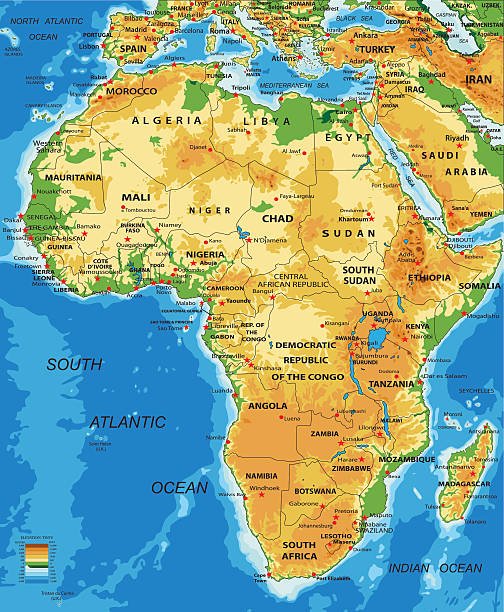
Many people often wonder which country in Africa celebrate Halloween as the holiday continues to gain popularity through global media and Western influence. While Halloween is not a traditional African holiday, several nations have embraced the festivities in major urban centers and among the youth population. This cultural adoption is most visible in countries with significant expatriate communities and a thriving nightlife scene that caters to international trends.
The spread of this October tradition is a fascinating example of cultural globalization across the various regions of the continent. Various African nations now host themed events, costume parties, and commercial promotions to cater to a growing interest in the spooky season among their citizens and visitors.
These are the Countries that celebrate Halloween in Africa
The celebration of Halloween across the African continent is primarily an urban and commercial phenomenon rather than a widespread national tradition. In many of these nations, the festivities are concentrated in high end hotels, international schools, and popular nightclubs that seek to offer a unique entertainment experience. While you may not see children going door to door for trick or treating in rural villages, the spirit of the holiday is very much alive in the bustling metropolises. The following list identifies the specific territories where the tradition has found a foothold, highlighting how each African country which celebrate Halloween does so in its own unique way.
1. South Africa
South Africa is undoubtedly the leading nation when it comes to Halloween festivities on the continent, with a very high level of commercial and social participation. In major cities like Cape Town and Johannesburg, the holiday is a significant event for the retail and entertainment sectors, with shops filled with costumes, decorations, and candy weeks in advance. Many residential suburbs, particularly those with a high concentration of families, have adopted the tradition of trick or treating, where neighbors coordinate to provide a safe environment for children. Cape Town is famous for its annual "South African Horrorfest," which includes film screenings and themed parties that attract thousands of enthusiasts. Additionally, many of the country's historic sites and wine estates host "ghost tours" and spooky dinners to capitalize on the October atmosphere. The country's deep ties to Western culture and its large expatriate population have made Halloween a permanent fixture on the social calendar.
2. Nigeria
Nigeria, particularly in the vibrant city of Lagos, has seen a massive surge in Halloween celebrations over the last decade, driven largely by the elite and the entertainment industry. In the upscale neighborhoods of Victoria Island and Lekki, nightclubs and lounges compete to host the most extravagant costume parties, often featuring celebrity guest appearances. The Nigerian youth, who are highly connected to global trends via social media, use the holiday as an opportunity to showcase creative and elaborate outfits, often blending Western horror themes with local folklore. While it is not a public holiday, the commercial impact is visible in shopping malls where special "Spooky Sales" are frequently organized to attract shoppers. Some private schools also organize Halloween themed fairs for their students, introducing the younger generation to the concepts of costumes and themed games. The influence of Nollywood, Nigeria's massive film industry, has also contributed to an interest in horror and costume play, further fueling the holiday's growth.
3. Egypt
Egypt has a thriving Halloween scene, particularly in Cairo and Alexandria, where the holiday is celebrated by both the local middle class and the large international community. In neighborhoods like Maadi and Zamalek, which host many embassies and international companies, the streets often come alive with decorated houses and children in costumes during the final days of October. Cairo’s major shopping malls and amusement parks, such as Zed Park, organize large scale events with haunted houses, live music, and costume competitions that draw huge crowds. Many restaurants and cafes also participate by offering themed menus and "spooky" decor to create a festive atmosphere for their patrons. Despite some traditionalists viewing it as a foreign imposition, the younger Egyptian generation views it as a fun, non-religious occasion for social gathering. The historical mystery of Egypt’s own ancient past often gets woven into the celebrations, with mummy and pharaoh costumes being perennial favorites among the celebrants.
4. Kenya
Kenya, specifically in its capital city of Nairobi, has embraced Halloween as a popular social event for the urban youth and the expatriate community. Shopping centers like Westgate and The Hub Karen often organize family friendly Halloween events, including pumpkin carving contests and face painting for children. The nightlife in Nairobi is also a major driver of the holiday, with popular clubs in Westlands hosting "Fright Night" parties that require costumes for entry. Kenyan social media influencers play a significant role in promoting the holiday, often sharing their costume preparations and party experiences with their large followings. While the tradition of trick or treating is not common in most residential areas, it is frequently practiced within gated communities and apartment complexes. The growing number of international schools in the country has also helped normalize the holiday, as they often host annual carnivals and parades for their students. Kenya’s status as a regional tech and tourism hub ensures that it remains a country in Africa celebrate Halloween with significant enthusiasm.
5. Ghana
Ghana has seen a notable increase in Halloween celebrations, particularly in Accra, where the "Returnee" community from the United States and United Kingdom has brought the tradition with them. During the month of October, many high end lounges and bars in areas like Osu and East Legon host themed nights that attract a mix of locals and visitors. The "Year of Return" and subsequent tourism initiatives have strengthened Ghana's ties to the African diaspora, leading to an exchange of cultural practices including the celebration of Halloween. Costume shops and makeup artists in Accra report a busy season as more people seek professional help to transform into ghouls, superheroes, and traditional figures. Some beach resorts along the coast also organize "Haunted Beach" parties, offering a unique Ghanaian twist to the spooky festivities. While the holiday remains largely a coastal and urban phenomenon, its visibility is growing as more young Ghanaians seek out diverse forms of entertainment. The spirit of celebration is infectious, and it is common to see themed displays in the windows of major supermarkets and boutiques.
6. Morocco
Morocco hosts a significant number of Halloween events, primarily centered in tourist hubs like Marrakech and Casablanca to cater to the international visitors and the local elite. In Marrakech, luxury hotels and villas often throw private, lavish costume balls that are among the most sought after invitations of the season. The city’s cosmopolitan atmosphere and its history as a destination for the global jet set make it a perfect environment for high end Halloween celebrations. In Casablanca, several international schools and English language centers use the holiday as a teaching tool and a way to build community among their students. While the general Moroccan population does not observe the holiday in their homes, the commercial presence in shopping centers like Morocco Mall is quite prominent. The fusion of Moroccan mystery and Halloween spookiness creates a unique vibe, with many events incorporating traditional music and food into the Western themed parties. It is a time when the modern and the traditional meet in a colorful display of costumes and creativity.
7. Mauritius
Mauritius is a country in Africa celebrate Halloween with a great deal of variety, thanks to its diverse population and its status as a world class tourism destination. The island's many luxury resorts go to great lengths to provide guests with a memorable Halloween experience, including elaborate decorations, themed buffets, and kids’ club activities. In the local towns, particularly in the northern and western coastal regions, many bars and restaurants host costume parties that are popular with both locals and tourists. Mauritius has a very strong culture of festivals and celebrations, and Halloween has easily integrated into the local entertainment scene as another reason for a social gathering. Some shopping malls in Ebène and Bagatelle also join in the fun with decorations and special promotions for shoppers during the last week of October. The island's multicultural background means that people are generally very open to adopting and enjoying festivals from different parts of the world. This makes Mauritius one of the most welcoming places on the continent for those looking to celebrate the spooky season.
8. Ethiopia
Ethiopia, particularly in the capital of Addis Ababa, has a growing niche for Halloween celebrations among the diplomatic community and the younger urban demographic. As the headquarters for the African Union and many international NGOs, the city has a large expatriate population that organizes private Halloween gatherings and school events. In recent years, a few popular lounges and hotels in the Bole area have started hosting public costume parties to cater to the local "Gen Z" population who are influenced by Western media. While the holiday is far from being a mainstream Ethiopian tradition, the visibility of pumpkins and spooky decor in international supermarkets is increasing. The celebration is often viewed as a purely secular and commercial event, separate from the country’s deep religious and traditional festivals. For young Ethiopians, it represents a chance to engage with a global cultural trend and express themselves through creative costuming. The rise of boutique costume rental shops in the city is a clear indicator of the growing demand for Halloween related items.
9. Rwanda
Rwanda has started to see more Halloween activity in Kigali as the city continues to position itself as a modern, international business and tourism hub. Many of the city's top hotels and restaurants now offer special Halloween dinners or cocktail nights with "creepy" themes to attract the growing middle class and foreign residents. Some of the international schools in Kigali have a long tradition of hosting Halloween parades and "trunk or treat" events in their parking lots for safety. While the holiday is not widely celebrated in the rural provinces, the urban youth in Kigali are increasingly aware of it through the internet and Hollywood films. The celebration in Rwanda is often low key compared to Nigeria or South Africa, focusing more on social gatherings and dinners than on large scale public parades. However, the trend is moving upward as the city’s entertainment industry looks for new ways to engage its audience during the month of October. The peaceful and organized nature of Kigali makes it an ideal place for small, well coordinated community events.
10. Namibia
Namibia, particularly in Windhoek and Swakopmund, celebrates Halloween with a significant amount of enthusiasm, partly due to its historical ties to Germany and a large expatriate community. In Windhoek, many bars and clubs host costume competitions with substantial prizes, encouraging people to put a lot of effort into their outfits. The coastal town of Swakopmund, with its foggy atmosphere and old colonial buildings, provides a perfect natural backdrop for spooky themed events and ghost walks. Some local organizations use Halloween as an opportunity for fundraising, hosting "haunted houses" or charity balls where the proceeds go to local causes. While trick or treating is not a national standard, it is increasingly seen in modern housing estates where neighbors have established a community spirit. The retail sector in Namibia also benefits from the holiday, with specialized shops importing decorations and costumes to meet the seasonal demand. This small but vibrant celebration shows how African countries that celebrate Halloween can adapt the tradition to fit their local context and community needs.
Reasons Why These Countries Celebrate Halloween in Africa
1. Influence of Western Media and Hollywood: The primary reason why several African countries that celebrate Halloween have adopted the tradition is the overwhelming influence of American movies, television shows, and music videos. Through platforms like Netflix and YouTube, the imagery of pumpkins, costumes, and spooky stories has become globally recognizable, especially to the younger generation in Africa. They see their favorite celebrities and characters participating in the holiday and wish to replicate that experience in their own social lives. This cultural export has turned Halloween from a localized Western tradition into a global pop culture event that transcends borders.
2. Economic and Commercial Opportunities: For many businesses in the hospitality and retail sectors, Halloween presents a perfect opportunity to boost sales during the month of October. Malls, supermarkets, and costume shops benefit from the demand for candy, decorations, and party supplies, creating a temporary but significant economic spike. Restaurants and bars use the "spooky" theme to create unique experiences that attract more customers and encourage spending on special menus and events. By promoting Halloween, these countries in Africa that celebrate Halloween are tapping into a profitable commercial trend that keeps their entertainment industries vibrant. The commercialization of the holiday is one of the strongest drivers of its continued growth across the continent.
3. Growth of the Urban Middle Class: The expansion of the middle class in cities like Lagos, Nairobi, and Johannesburg has created a demographic with more disposable income and a desire for diverse forms of entertainment. These urban residents are often more exposed to international lifestyles and are looking for new ways to socialize and celebrate. Halloween provides a fun and novel alternative to traditional festivities, allowing people to experiment with identity through costumes and themed events. This demographic shift has made the African country which celebrate Halloween a more common sight in the modern urban landscape. As cities continue to grow and modernize, the appetite for global cultural events like Halloween is expected to increase.
4. The Presence of International Schools: Many of the first instances of Halloween celebrations in Africa can be traced back to international schools that serve both expatriate and local elite families. These schools often include Halloween as part of their extracurricular activities to provide students with a multicultural education and a sense of fun. As the children of the local elite grow up with these traditions, they carry them into their adult social circles, further spreading the holiday's popularity. These schools act as "cultural incubators" where Western traditions are introduced and then gradually integrated into the local urban culture. This educational influence is a major reason why the holiday is often associated with the youth and the highly educated segments of society.
5. Social Media Trends and Digital Connectivity: Platforms like Instagram and TikTok have accelerated the spread of Halloween culture by allowing users to share their costumes and party experiences in real time. African youth see their peers in other parts of the continent and the world celebrating, which creates a sense of "FOMO" or fear of missing out. The digital space allows for the rapid sharing of costume ideas, makeup tutorials, and event announcements, making it easier for people to participate. Social media has effectively demolished the geographic barriers that once kept Halloween a strictly Western event, turning it into a digital cultural phenomenon. This connectivity ensures that trends in Lagos or Cape Town are mirrored in Nairobi or Accra almost instantly.
6. Tourism and Global Mobility: The constant movement of people through tourism and business travel has brought Halloween to various corners of Africa. Expatriates living in Africa often want to maintain their own traditions and organize parties, which local friends and colleagues then join and eventually start organizing themselves. Similarly, tourists visiting Africa during October often look for familiar celebrations, prompting hotels and resorts to host Halloween events to meet this demand. This cross cultural exchange is particularly evident in countries in Africa that celebrate Halloween as major holiday destinations. The global nature of the modern workforce and travel industry makes the transfer of such traditions almost inevitable in a connected world.
Conclusion
In summary, the question of **which country in Africa celebrate Halloween** points toward a growing list of nations where urban youth and commercial sectors have embraced the tradition for its fun and festive spirit. While South Africa, Nigeria, and Egypt remain the primary leaders in these celebrations, the holiday is increasingly visible in Kenya, Ghana, and many other parts of the continent. Halloween in Africa is a unique blend of global pop culture and local creativity, offering a platform for self expression and social gathering outside of traditional religious or national holidays. As digital connectivity and the urban middle class continue to grow, the presence of the "spooky season" is likely to become even more pronounced in the years to come. Ultimately, the adoption of Halloween is a testament to the continent's vibrant and cosmopolitan nature, where diverse cultures are welcomed and celebrated with enthusiasm. Whether through elaborate parties in Lagos or family festivals in Cape Town, the spirit of Halloween is finding a permanent home in the African countries that celebrate Halloween today.
Enjoyed this read?
Share it with your friends and colleagues.