Does Africa Celebrate Halloween

BSC Insights Admin
October 01, 2026
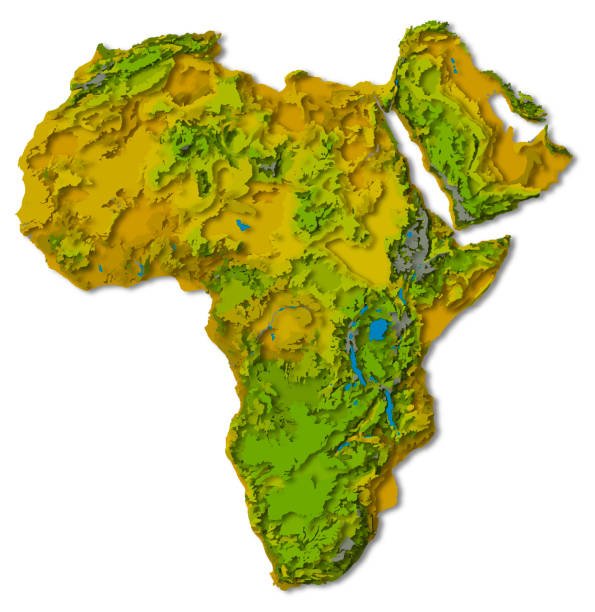
The straightforward answer to "Does Africa Celebrate Halloween" is generally no, not in the widespread, traditional sense observed in Western countries. However, Africa is a vast continent encompassing 54 diverse nations, each with its unique cultures, traditions, and historical contexts. While Halloween is not an indigenous African celebration, globalization, the presence of expatriate communities, and increasing cultural exchange mean that isolated, niche celebrations are emerging, particularly in urban areas and tourist hotspots.
For most of the continent, Halloween traditions like trick-or-treating, elaborate costumes, and spooky decorations are largely unfamiliar. Instead, African cultures boast a rich tapestry of indigenous festivals and ceremonies, many of which involve ancestral veneration, community gatherings, and spiritual observances, but with very different meanings and customs than the Western Halloween.
Understanding Traditional African Celebrations and Their Significance
To grasp why Halloween hasn't taken root in Africa, it is crucial to understand the continent's existing celebratory landscape. African societies are rich in traditions that honor harvest, commemorate ancestors, celebrate rites of passage, and express deep spiritual beliefs. These cultural celebrations across Africa are intrinsically linked to the community's history, spiritual well-being, and social structure.
Key Themes in African Festival Traditions
- Ancestral Veneration: Many traditional African festivals focus on honoring ancestors, believing they remain a part of the community and can offer guidance or protection. These observances are often profound and respectful, involving offerings, rituals, and ceremonies to maintain harmony between the living and the deceased. This contrasts sharply with Halloween's often playful or fear-based interaction with spirits.
- Harvest and Fertility: Numerous festivals are tied to agricultural cycles, giving thanks for bountiful harvests and praying for future fertility of land and people. These are often joyous occasions of feasting, dancing, and communal celebration.
- Rites of Passage: Celebrations marking significant life stages, such as birth, initiation into adulthood, marriage, and death, are common. These rituals strengthen cultural identity and transmit values across generations.
- Community and Unity: Most African festivals are highly communal events, fostering social cohesion and allowing entire villages or ethnic groups to participate in shared experiences through drumming, storytelling, and traditional performances.
Examples of Indigenous African Festivals
While not related to Halloween, these examples illustrate the depth and diversity of festival traditions in Africa:
- Ouidah Voodoo Festival (Benin): An annual event celebrating traditional Vodun (Voodoo) beliefs. It involves ceremonies, parades, and communion with spirits and deities, showcasing a deep spiritual connection rather than a playful "spooky" theme.
- Fête des Masques (Mask Festival) (West Africa): Various masquerade festivals, such as those in Burkina Faso, Ivory Coast, and Mali, feature elaborate masks representing ancestral spirits, deities, or forces of nature. These are powerful cultural expressions, often tied to rituals, social commentary, and protection.
- Homowo Festival (Ghana): Celebrated by the Ga people, this harvest festival involves rituals to "hoot at hunger" and remember ancestors, often with masked processions, traditional meals, and vibrant street celebrations.
- Umhlanga (Reed Dance) (eSwatini and South Africa): A cultural event where thousands of unmarried, childless women gather reeds, which are then presented to the Queen Mother. It is a coming-of-age ceremony that showcases deep cultural traditions, community gathering, and respect for royalty.
- Intwasa (First Fruits Ceremony) (Zulu, Southern Africa): Historically a ceremony to taste the first fruits of the harvest and celebrate the king's power, reflecting themes of renewal and authority.
Western Influence and the Emergence of Halloween in Africa
Despite the lack of traditional roots, Halloween in Africa is slowly gaining a foothold, primarily due to globalization, media exposure, and the presence of expatriate communities. This growing interest is not uniform across the continent but is more visible in specific contexts.
Role of Expatriate Communities
In major urban centers and capital cities across Africa, such as Johannesburg, Nairobi, Lagos, Accra, and Cairo, large expatriate communities from Western countries often organize Halloween parties and events. These are typically private gatherings, embassy functions, or events held in international schools, allowing expats to continue their cultural traditions abroad. These celebrations often involve:
- Costume Parties: Adults and children dress up in various costumes, ranging from spooky to pop culture references.
- Trick-or-Treating: Often confined to gated communities or specific neighborhoods with high expat populations.
- Decorations: Homes and venues might be adorned with Halloween-themed decorations like pumpkins, cobwebs, and skeletons.
Impact of Media and Popular Culture
The increasing reach of global media, including satellite television, streaming services, and the internet, exposes younger generations in Africa to Western holidays and trends. Movies, TV shows, and social media platforms frequently showcase Halloween, leading to curiosity and occasional adoption among tech-savvy youth in urban areas. This exposure contributes to a nascent Halloween popularity in Africa, albeit on a small scale.
Niche Celebrations and Commercial Opportunities
In some metropolitan areas, a few local businesses, particularly upscale restaurants, hotels, or nightlife venues catering to a more international clientele, might host Halloween-themed events or parties. These are often marketed as novelty events, sometimes with costume contests and special promotions. Supermarkets in affluent areas might even stock limited Halloween-themed candies or decorations, signaling a minor commercial interest, particularly in countries with stronger Western ties like South Africa.
Regional Variations in Halloween Celebrations Across Africa
The extent of Halloween awareness and celebration varies significantly across the diverse regions of Africa:
Southern Africa
South Africa, with its diverse population and historical ties to Europe, arguably has the most visible, albeit still niche, Halloween presence. Expatriate communities are large, and there is greater exposure to Western media. Some private schools, residential estates, and even a few public venues in cities like Johannesburg and Cape Town might host Halloween events. However, it remains far from a mainstream national holiday and is not deeply ingrained in local African Halloween traditions.
North Africa
Countries in North Africa, such as Egypt, Morocco, Algeria, and Tunisia, are predominantly Muslim, and their cultural calendar is shaped by Islamic holidays like Eid al-Fitr and Eid al-Adha. Halloween has virtually no traditional presence here, beyond a few highly localized events in tourist resorts or among specific expat groups. The themes of Halloween do not align with local religious or cultural observances.
West and East Africa
In regions like West and East Africa, Halloween remains largely unknown or irrelevant to the general population. Major cities like Lagos, Accra, Nairobi, and Dar es Salaam might see a handful of expat-driven parties or themed nights in international hotels. Among the local population, any awareness is typically superficial, derived from Western media, and rarely translates into active participation. Indigenous African culture festivals continue to dominate the celebratory calendar.
Central Africa
Central African nations generally have the least exposure to Halloween. Cultural and economic ties to Western countries are often less pronounced compared to other regions, and traditional customs hold strong sway, leaving little room for foreign celebrations like Halloween.
Halloween vs. African Ancestral Commemoration: A Contrast in Context
It is important to differentiate Halloween's playful and often commercialized themes from the serious and respectful ways many African cultures commemorate their ancestors. While both involve a focus on the spiritual realm or the deceased, their intentions and practices are vastly different.
- Halloween: Traces its roots to ancient Celtic festivals marking the end of summer and harvest, believed to be a time when the boundary between the living and the dead blurred. Modern Halloween has largely evolved into a secular holiday centered on costumes, candy, and "spooky" fun, often devoid of its original spiritual gravity.
- African Ancestral Practices: In many African spiritual systems, ancestors are revered as guardians, intercessors, and sources of wisdom. Commemoration ceremonies are acts of deep respect, continuity, and maintaining spiritual balance. They often involve elaborate rituals, offerings, and prayers, reflecting a profound spiritual relationship rather than a recreational engagement with the supernatural.
Therefore, while some Western observers might draw superficial parallels due to the "spirit" theme, the cultural context, purpose, and execution of ancestral veneration in Africa bear no resemblance to a Halloween celebration.
The Commercial Aspect and Future Trends
A significant driver of Halloween's global spread in Western countries is its massive commercial appeal, from costumes and decorations to candy and themed merchandise. This commercialization is largely absent for Halloween in Africa. The economic infrastructure and consumer demand to support such an industry are simply not there for this particular holiday. Retailers focus on local holidays and religious festivals, which have established commercial cycles.
Looking ahead, it is unlikely that Halloween will become a mainstream celebration across Africa in the foreseeable future. While awareness may continue to grow, particularly among urban youth influenced by global trends, it will likely remain a niche event, primarily adopted by expatriates or by a small segment of the local population seeking modern, globally-inspired entertainment. African societies have strong cultural identities and a wealth of their own meaningful African culture festivals that continue to be the cornerstone of their celebratory lives.
Conclusion
In summary, the answer to "Does Africa Celebrate Halloween" is largely no, in the traditional Western sense. The continent is characterized by a rich tapestry of indigenous celebrations deeply rooted in ancestral veneration, harvest cycles, and community cohesion. While globalization and expatriate communities have introduced niche Halloween events in some urban centers, particularly in South Africa, these are not representative of widespread African Halloween traditions. Africa maintains its unique cultural heritage, where local festivals and religious observances hold paramount importance, reflecting profound spiritual and communal values that differ significantly from the commercialized, playful nature of Western Halloween.
Enjoyed this read?
Share it with your friends and colleagues.