Does Africa Celebrate Hanukkah

BSC Insights Admin
September 30, 2026
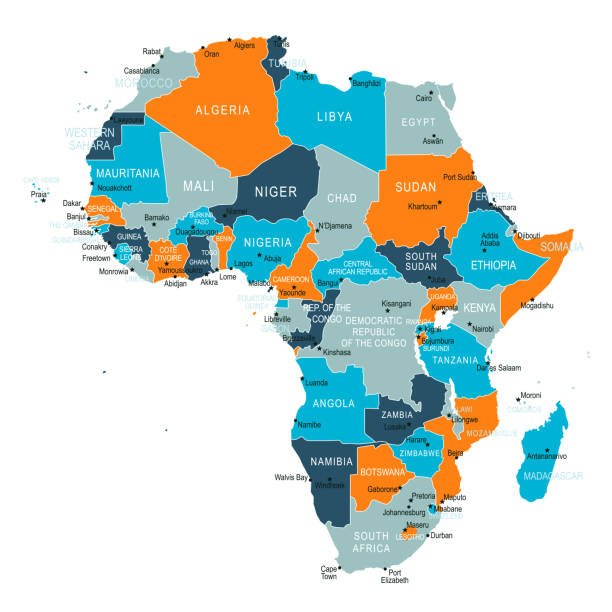
Yes, Hanukkah is indeed celebrated in Africa by various Jewish communities across the continent. While often less visible on a global scale than celebrations in North America or Europe, the Festival of Lights holds significant meaning and is observed with traditional customs, often infused with local cultural nuances, in countries with established Jewish populations, such as South Africa, Ethiopia, Morocco, Tunisia, and Uganda, among others.
A Rich History: Judaism's Enduring Roots in Africa
The presence of Jewish people in Africa is not a recent phenomenon but a story woven into the very fabric of the continent's ancient history, predating many other major religions. This long and complex history has led to diverse communities with unique traditions and experiences.
Ancient Origins and Migrations
Judaism's journey to Africa began millennia ago, with early settlements documented in Egypt dating back to biblical times. The story of the Exodus itself is intrinsically linked to Africa. Over centuries, various waves of Jewish migration and settlement shaped the demographic and cultural landscape:
- Early Settlements: Jewish communities thrived in ancient Egypt, particularly in Alexandria, becoming major centers of Jewish life and scholarship during the Hellenistic period.
- Sephardic and Mizrahi Jews: Following the expulsion from Spain and Portugal in 1492, many Sephardic Jews found refuge along the North African coast, particularly in Morocco, Algeria, and Tunisia, where they joined existing Mizrahi (Eastern) Jewish communities. These communities flourished for centuries, contributing significantly to the region's commerce, crafts, and intellectual life.
- Beta Israel (Ethiopian Jews): One of the most unique and historically significant Jewish communities is the Beta Israel of Ethiopia, whose origins are debated but widely believed to be ancient, possibly tracing back to the Tribe of Dan or early migrations from ancient Israel. Their observance of Judaism developed somewhat independently, leading to distinct practices.
These historical movements laid the groundwork for the celebration of Jewish holidays, including Hanukkah, in various parts of the African continent.
Where Do Jewish Communities Live in Africa Today?
While the overall Jewish population in Africa is significantly smaller than in past centuries due to emigration, particularly to Israel, vibrant and active communities persist across different regions.
Southern Africa: A Stronghold of Jewish Life
South Africa hosts the largest and most well-established Jewish community in Africa. Primarily Ashkenazi Jews who arrived from Eastern Europe in the late 19th and early 20th centuries, this community has built robust institutions, including synagogues, schools, and cultural centers. Cities like Johannesburg and Cape Town are hubs of Jewish life.
North Africa: Enduring Heritage
Despite significant emigration, small but culturally rich Jewish communities remain in Morocco and Tunisia. These communities, predominantly Sephardic, maintain ancient traditions and often have strong historical ties to their local cultures. Their numbers have dwindled from hundreds of thousands to a few thousand, but their presence is a testament to centuries of coexistence.
East Africa: Unique Stories of Resilience
- Ethiopia: The Beta Israel community has a fascinating history. While many have made Aliyah (immigrated to Israel), a smaller community still exists in Ethiopia, often reconnecting with and preserving their heritage.
- Uganda: The Abayudaya (meaning 'People of Judah') are a community in eastern Uganda who converted to Judaism in the early 20th century. Their numbers have grown, and they observe Jewish law and customs, including Hanukkah, with great fervor.
Other African Nations
Smaller, sometimes less visible, Jewish communities and individuals can be found in various other African nations, including Zimbabwe, Kenya, and even some West African countries, often comprising expatriates or small, indigenous groups reclaiming their heritage.
Celebrating Hanukkah Across the Continent
Hanukkah, the Festival of Lights, commemorates the rededication of the Second Temple in Jerusalem following the Maccabean Revolt. Its central theme of light triumphing over darkness, and the miracle of the oil, resonates deeply across diverse communities in Africa, much as it does worldwide. The core observances remain consistent, but local flavors often add a unique touch.
Universal Hanukkah Traditions
Across Africa, Jewish communities observe the fundamental Hanukkah traditions:
- Lighting the Menorah (Hanukkiah): This is the central ritual, with a candle lit each night for eight nights, symbolizing the miracle of the oil that lasted eight days. Families gather to recite blessings and sing traditional Hanukkah songs.
- Playing Dreidel: A four-sided spinning top game often played with chocolate coins (gelt) or nuts, particularly popular with children.
- Eating Fried Foods: Foods fried in oil are traditional, commemorating the oil miracle. Common treats include sufganiyot (jelly-filled doughnuts) and latkes (potato pancakes).
- Exchanging Gifts and Gelt: Especially for children, these traditions add to the festive atmosphere.
- Reciting Hallel and Al HaNissim: Special prayers are added to daily services to acknowledge the miracles of Hanukkah.
Regional Flavors and Community Celebrations
While the core rituals are universal, the way Hanukkah is experienced can reflect local culture and community dynamics.
South Africa: Large-Scale Community Events
In South Africa, with its robust Jewish infrastructure, Hanukkah is celebrated with significant community involvement. Synagogues and Jewish schools organize large public menorah lightings, often in prominent public spaces, attracting both Jewish and non-Jewish observers. Family gatherings are common, featuring abundant food, gifts, and a strong sense of communal joy. Many families make their own latkes and sufganiyot, while bakeries also supply these seasonal treats. The summer weather (Hanukkah falls in early summer in the Southern Hemisphere) allows for outdoor celebrations and a festive atmosphere.
Morocco and Tunisia: Blending Tradition with Local Culture
In North African countries like Morocco and Tunisia, Hanukkah is observed by the remaining, albeit smaller, Jewish communities. The celebrations are often more intimate, centered around families and synagogues. While the core rituals are observed, there can be a unique blend of Sephardic customs. For example, specific Sephardic Hanukkah songs or variations of fried foods might be prevalent. The strong cultural ties mean that Jewish families often interact with their Muslim neighbors during holidays, sometimes exchanging greetings or sweets, embodying a historical tradition of mutual respect, despite political challenges.
Ethiopia: The Beta Israel's Unique Observance
The Beta Israel's historical practice of Judaism, which developed largely independently until modern times, had some differences from Rabbinic Judaism. Traditionally, their calendar didn't always align with standard Hanukkah observance, as it was based on different textual interpretations. However, with increased interaction with broader Jewish communities and the mass aliyah to Israel, those Beta Israel remaining in Ethiopia and those in the diaspora have largely adopted the traditional Hanukkah celebration, integrating it into their spiritual life as they reconnect with wider Jewish customs. For those still in Ethiopia, it's a testament to their enduring faith and a link to global Jewry.
Uganda: The Abayudaya's Vibrant Rediscovery
The Abayudaya community in Uganda, whose members formally converted to Judaism, celebrates Hanukkah with profound enthusiasm. For them, each holiday is a reaffirmation of their chosen path and a joyous expression of their faith. Their celebrations are often communal, vibrant, and feature singing, dancing, and heartfelt prayers. They embrace all traditional Hanukkah elements, from menorah lighting to fried foods, often adapting recipes with local ingredients, creating their unique version of latkes or doughnuts using available produce.
| Country/Region | Key Characteristics of Hanukkah Celebration | Community Size (Approx.) |
|---|---|---|
| South Africa | Large, organized public menorah lightings, family gatherings, community events, summer weather. | ~50,000 |
| Morocco/Tunisia | Intimate family/synagogue-centered, Sephardic traditions, historical cultural ties. | ~2,000 / ~1,000 |
| Ethiopia | Reconnecting with wider Jewish customs, a link to global Jewry, deep historical significance. | ~150-200 (remaining Beta Israel) |
| Uganda (Abayudaya) | Vibrant, communal, enthusiastic celebration of a rediscovered faith, local culinary adaptations. | ~2,000 |
| Zimbabwe | Smaller, family-focused or expatriate gatherings. | ~150 |
Challenges and Resilience of African Jewish Communities
Jewish communities in Africa face a unique set of challenges, often impacting their ability to celebrate holidays openly or maintain their numbers.
Emigration and Demographic Shifts
A significant challenge has been emigration, particularly to Israel, North America, and Europe. Factors like political instability, economic opportunities, and the desire to live in larger Jewish communities have led to a decline in population numbers in many African countries, especially in North Africa. This brain drain often leaves aging communities with fewer young people to carry on traditions.
Maintaining Identity and Institutions
Despite dwindling numbers, the resilience of these communities is remarkable. They strive to maintain their synagogues, schools, and cultural heritage, often relying on strong internal bonds and support from international Jewish organizations. Celebrating Hanukkah, with its themes of perseverance and light in darkness, becomes an act of affirming identity and continuity.
Religious Freedom and Security
While most African nations offer religious freedom, some communities have faced periods of insecurity or discrimination, impacting their ability to practice their faith openly. However, in many places, like South Africa and Uganda, Jewish communities thrive within a framework of religious tolerance and mutual respect.
The Future of Jewish Life and Hanukkah in Africa
The future of Jewish life in Africa is a dynamic and evolving story. While some older communities continue to shrink, there are also areas of surprising growth and revival, particularly among newly emerging Jewish groups like the Abayudaya. The internet and increased global connectivity also play a role, allowing African Jewish communities to connect with the broader Jewish world, access educational resources, and share their unique Hanukkah celebrations.
Hanukkah in Africa is a powerful reminder of the global diversity of Jewish life and the enduring spirit of a people who have maintained their faith and traditions across continents and through centuries of change. From the bustling cities of South Africa to the remote villages of Uganda, the menorah lights continue to shine, symbolizing hope, perseverance, and the timeless message of the Festival of Lights.
In conclusion, Hanukkah is indeed celebrated in various parts of Africa, reflecting the continent's deep and diverse Jewish heritage. From ancient communities with centuries-old traditions to newer groups embracing Judaism, the Festival of Lights is observed with universal customs alongside unique local adaptations. These celebrations are a testament to the resilience, faith, and vibrant cultural expression of African Jewish communities, symbolizing their enduring presence and their connection to the global Jewish family.
Enjoyed this read?
Share it with your friends and colleagues.