Does Africa Celebrate Kwanzaa

BSC Insights Admin
September 30, 2026
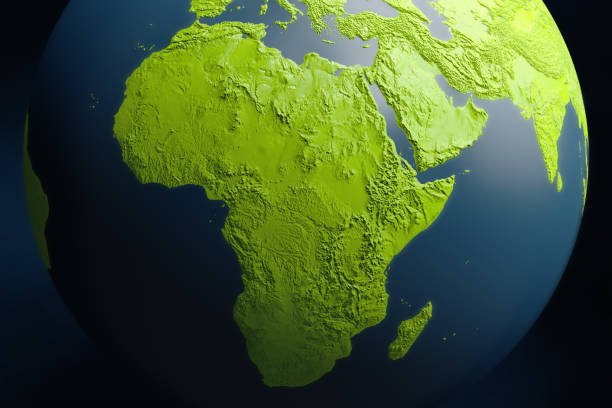
When considering the rich tapestry of global cultural celebrations, a common question arises regarding Kwanzaa and its presence on the African continent. To answer directly: No, Africa does not widely celebrate Kwanzaa as a traditional or indigenous holiday. Kwanzaa is primarily an African-American cultural holiday, created in the United States to celebrate African heritage and identity within the diaspora, distinct from the myriad of ancient and diverse festivals observed across the 54 nations of Africa.
While Kwanzaa draws inspiration from various African traditions and cultural elements, its genesis and widespread observance are rooted in the African-American experience, offering a unique opportunity for people of African descent in the West to connect with their ancestral roots and affirm their cultural pride. Understanding this distinction is key to appreciating both the significance of Kwanzaa and the incredible diversity of authentic African celebrations.
What is Kwanzaa? Unpacking Its Origins and Purpose
To fully grasp why Africa does not celebrate Kwanzaa, it's essential to understand what Kwanzaa is and where it comes from. Kwanzaa is a week-long celebration observed primarily in the United States, from December 26th to January 1st. It was created in 1966 by Dr. Maulana Karenga, a professor of Africana Studies at California State University, Long Beach, and a prominent figure in the Black Power movement.
The holiday emerged during a period of significant social upheaval and a burgeoning awareness of Black cultural identity in America, particularly in the aftermath of the Watts Riots in Los Angeles. Dr. Karenga conceived Kwanzaa as a way to unite and empower the African-American community by providing a cultural holiday that affirmed their heritage, history, and values, distinct from mainstream American and Christian holidays.
The Seven Principles of Kwanzaa (Nguzo Saba)
The core of Kwanzaa revolves around the Nguzo Saba, which are the Seven Principles. Each day of Kwanzaa is dedicated to one of these principles, fostering reflection and communal commitment:
- Umoja (Unity): To strive for and maintain unity in the family, community, nation, and race.
- Kujichagulia (Self-Determination): To define ourselves, name ourselves, create for ourselves, and speak for ourselves.
- Ujima (Collective Work and Responsibility): To build and maintain our community together and make our brothers' and sisters' problems our problems, and to solve them together.
- Ujamaa (Cooperative Economics): To build and maintain our own stores, shops, and other businesses and to profit from them together.
- Nia (Purpose): To make our collective vocation the building and developing of our community in order to restore our people to their traditional greatness.
- Kuumba (Creativity): To do always as much as we can, in the way we can, in order to leave our community more beautiful and beneficial than we inherited it.
- Imani (Faith): To believe with all our heart in our people, our parents, our teachers, our leaders, and the righteousness and victory of our struggle.
These principles are reinforced through daily rituals, including the lighting of the Kinara (candle holder) and discussing the principle of the day. The celebration culminates in a feast (Karumu) and gift-giving, with emphasis on educational and cultural gifts.
Why Kwanzaa is Not a Traditional African Celebration
The primary reason Kwanzaa is not celebrated in Africa is its distinct origin as a modern, diaspora-specific holiday. While it draws inspiration from Pan-African ideals and various African harvest festivals, it is not an ancient tradition passed down through generations on the continent itself.
Africa's Diverse Cultural Landscape
Africa is an immense continent comprising 54 sovereign countries, thousands of ethnic groups, and over 2,000 languages. Each nation and often, each specific ethnic group within those nations, possesses its own unique and deeply rooted cultural traditions, festivals, and spiritual practices that have evolved over centuries, if not millennia.
These indigenous festivals are intrinsically linked to the specific histories, agricultural cycles, religious beliefs, and social structures of their respective communities. They predate the transatlantic slave trade and the subsequent formation of an African-American identity. Examples include:
- New Yam Festival (Nigeria, Ghana): An ancient harvest festival celebrating the bountiful yam crop, vital for many West African communities.
- Incwala Ceremony (Eswatini): A revered first fruits ceremony and kingship ritual that dates back hundreds of years.
- Homowo Festival (Ghana): Celebrated by the Ga people, meaning 'hooting at hunger,' it commemorates their historic migration and triumph over famine.
- Fête du Djidja (Benin): A traditional festival dedicated to ancestors and local deities, showcasing vibrant cultural heritage.
- Festival of Lights (Zimbabwe): A spiritual celebration often involving ancestral veneration and community gathering.
These are just a few examples among countless traditional celebrations that form the fabric of African societies. Kwanzaa holiday in Africa, therefore, doesn't have a place within these established, ancient cultural frameworks.
Kwanzaa's Specific Purpose for the Diaspora
Dr. Karenga created Kwanzaa specifically for African Americans, whose historical experience of slavery and systemic oppression severed their direct ties to their ancestral lands and cultural practices. Kwanzaa serves as a crucial bridge, allowing those in the diaspora to reconstruct and reaffirm a collective cultural identity. It fills a void created by centuries of cultural disruption.
In contrast, people living on the African continent generally have unbroken connections to their specific ethnic traditions, languages, and belief systems. They do not face the same challenge of reconnecting with a lost heritage in the same way that African Americans do. They have their own vibrant, living traditions that are celebrated with pride and continuity.
The Resonating Spirit: Pan-Africanism and Cultural Identity
While Africa does not celebrate Kwanzaa, the underlying spirit and principles of Kwanzaa resonate with the broader ideals of Pan-Africanism. Pan-Africanism is a worldwide intellectual and political movement that aims to encourage and strengthen bonds of solidarity between all indigenous and diaspora ethnic groups of African descent. It advocates for unity, cultural pride, and the economic, social, and political empowerment of people of African descent globally.
Kwanzaa, through its focus on unity (Umoja), self-determination (Kujichagulia), collective work (Ujima), and purpose (Nia), perfectly embodies these Pan-African ideals. It promotes a sense of shared heritage and destiny among people of African descent, regardless of their current geographical location.
Cultural Exchange and Awareness
Although Kwanzaa is not a traditional African festival, there is a growing awareness of the holiday in certain circles on the continent, particularly among those interested in diaspora relations, academia, and cultural studies. African scholars and cultural leaders understand Kwanzaa's significance as a modern expression of African cultural pride in the diaspora. This awareness, however, does not translate into widespread celebration.
Similarly, many African Americans celebrating Kwanzaa are deeply interested in contemporary African cultural celebrations and traditions, seeking to learn from and connect with the diverse peoples and cultures of the continent. This mutual interest fosters dialogue and cultural exchange, strengthening the bonds between Africa and its diaspora.
African-American vs. African Identity: A Key Distinction
It is crucial to differentiate between African-American identity and African identity. African-American heritage festivals like Kwanzaa are designed to affirm a distinct cultural identity shaped by unique historical experiences in the Americas.
African identity, on the other hand, is incredibly diverse and rooted in specific ethnic groups, nations, and regional cultures within Africa. An individual in Nigeria identifies as Yoruba, Igbo, or Hausa, and Nigerian; an individual in Kenya identifies as Maasai, Kikuyu, or Luo, and Kenyan. Their cultural celebrations, rites of passage, and belief systems are directly tied to these specific lineages and geographies.
Kwanzaa, while drawing on general African concepts and Swahili terms, is a synthesis created for a specific community with a particular history. It is a powerful affirmation of Black identity in the context of the Western world, providing a framework for cultural continuity and communal values.
Limited Observance by Diaspora Communities in Africa
While Kwanzaa is not an indigenous African holiday, there might be isolated instances of its observance in Africa. These instances are typically limited to:
- African-American Expatriate Communities: Some African Americans who have relocated to African countries might continue to observe Kwanzaa as part of their personal or family traditions, much like any expatriate community might celebrate holidays from their home country.
- Academic or Cultural Institutions: Occasionally, a university or cultural center with a focus on diaspora studies might host an event related to Kwanzaa to educate about its origins and significance.
- Tourism/Cultural Exchange: Tourists or cultural groups from the diaspora might bring elements of Kwanzaa to Africa, but these are generally brief, private observances rather than widespread public celebrations.
These instances are not indicative of widespread adoption or integration into the local cultural fabric. They are exceptions rather than the norm, and they highlight the global reach of Kwanzaa as a symbol of diaspora identity, rather than an indigenous African tradition.
Kwanzaa's Global Reach Beyond Africa
While the focus here is on Does Africa Celebrate Kwanzaa, it's worth noting that Kwanzaa's influence extends beyond just the United States. Communities of African descent in other parts of the diaspora, including the Caribbean, Brazil, Canada, and parts of the United Kingdom, also observe Kwanzaa. This further underscores its role as a unifying cultural celebration for descendants of Africans grappling with identity and heritage outside of Africa.
The shared historical experiences of the transatlantic slave trade and colonialism have created a common need for cultural affirmation and reconnection among diaspora communities worldwide. Kwanzaa provides a framework for this, offering a modern, accessible way to engage with and celebrate African cultural heritage.
Conclusion: Kwanzaa, A Diaspora Celebration, Not an African One
In summary, while deeply inspired by African principles and cultural elements, Kwanzaa is not a holiday celebrated across the continent of Africa. It is a relatively modern creation, founded in the United States by Dr. Maulana Karenga in 1966, specifically to provide African Americans with a cultural anchor and a means to celebrate their heritage and identity. The African continent, with its astounding array of ancient cultures, traditions, and indigenous festivals, has its own rich tapestry of celebrations that have evolved over millennia.
Understanding the distinction between Kwanzaa as an African-American holiday and the thousands of unique, traditional African festivals is crucial. Kwanzaa serves as a powerful testament to the resilience and cultural ingenuity of the African diaspora, fostering unity and pride among those reconnecting with their ancestral roots. Its existence underscores the unique challenges and triumphs of African Americans in defining their cultural identity, while respecting the diverse and unbroken cultural legacies that thrive independently throughout Africa.
Enjoyed this read?
Share it with your friends and colleagues.