Does Africa Change Their Clocks

BSC Insights Admin
September 30, 2026
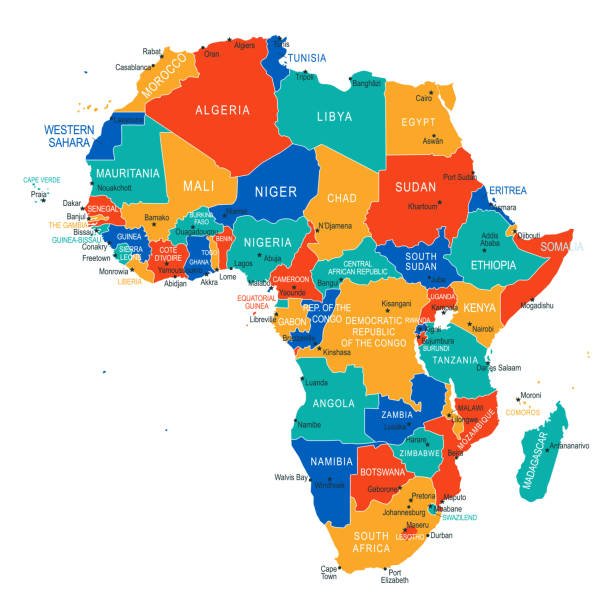
Africa, a vast continent spanning multiple time zones and diverse cultures, presents an interesting case study when discussing global timekeeping practices. The straightforward answer to the question, does Africa change their clocks, is largely no. The vast majority of African nations do not observe Daylight Saving Time (DST), a practice common in many parts of Europe, North America, and other regions, where clocks are adjusted forward by one hour in spring and back in autumn. This consistency in timekeeping is attributed to a combination of geographical, historical, and socio-economic factors unique to the continent, offering stability to daily routines and business operations across its diverse landscapes.
Understanding Daylight Saving Time (DST)
Before delving deeper into Africa's approach, it's crucial to understand what Daylight Saving Time entails. DST, often referred to as "summer time," is the practice of advancing clocks during warmer months so that evening daylight lasts longer, and an hour of daylight is "saved" in the morning. The primary motivations behind its adoption, first proposed in the early 20th century, were multifaceted:
- Energy Conservation: The initial premise was that more daylight in the evening would reduce the need for artificial lighting, thereby saving energy.
- Economic Benefits: Longer evenings were thought to boost retail sales and outdoor leisure activities.
- Agricultural Advantages: Providing more daylight for farmers, though this has been a point of contention and debate over the years.
- Road Safety: Some studies suggest that more daylight during evening commutes could reduce traffic accidents.
However, the effectiveness and benefits of DST have been subjects of ongoing debate globally, with many countries either abolishing it or constantly reviewing its utility. This global discussion contextually frames Africa's predominant decision to maintain a fixed clock system year-round.
Why Most African Countries Do Not Observe DST
The reasons behind Africa's widespread non-observance of Daylight Saving Time are compelling and rooted in the continent's geography and societal structures.
Geographical Proximity to the Equator
One of the most significant factors is Africa's geographical position. A substantial portion of the continent lies close to the Equator. In equatorial regions, the length of daylight hours remains relatively consistent throughout the year, with little seasonal variation. Unlike countries at higher latitudes, where daylight hours can swing dramatically between summer and winter, countries near the Equator experience roughly 12 hours of daylight and 12 hours of darkness every day, year-round. This natural consistency negates the primary purpose of DST, which is to maximize usable daylight in regions experiencing significant seasonal shifts.
Economic and Social Considerations
For many African nations, the economic and social benefits often cited for DST do not align with their unique circumstances:
- Agricultural Lifestyles: A significant portion of the African population is engaged in agriculture, where daily rhythms are intrinsically tied to the sun's actual position rather than a clock adjustment. Shifting clocks could disrupt traditional farming schedules without providing tangible benefits.
- Implementation Costs and Complexity: The logistics of implementing and maintaining DST across an entire nation, especially one with vast rural areas, can be complex and costly. This includes updating infrastructure, adjusting public transportation schedules, and educating the populace. For nations focusing on fundamental development, these resources might be better allocated elsewhere.
- Minimal Energy Savings: Studies in various regions have cast doubt on the energy-saving claims of DST, particularly in warmer climates where extended daylight might lead to increased air conditioning usage. In many African contexts, where residential energy consumption patterns differ significantly from Western nations, the energy benefits might be negligible or even negative.
- Disruption to Daily Routines: Changing clocks twice a year can lead to disruption in sleep patterns, work schedules, and public services. For societies already managing various challenges, adding this complexity might be seen as an unnecessary burden.
Historical Context and Policy Choices
While some African countries have historically experimented with DST, most have either abandoned it or never adopted it. Many nations inherited standard time zone systems during colonial periods, and post-independence, choices were made to maintain simplicity and consistency. The decision not to observe DST reflects a deliberate policy choice that prioritizes stability and aligns with the natural solar rhythms of the region.
African Countries with DST (Past and Present)
Despite the general trend, a few African countries have notable histories with Daylight Saving Time. These exceptions often highlight specific national circumstances or historical affiliations.
Morocco: A Current Observer of DST
One prominent exception is Morocco, which currently observes Daylight Saving Time. Morocco advances its clocks by one hour during certain periods of the year. The decision to implement DST is often tied to economic relations with European partners, aiming to reduce the time difference and facilitate business interactions. However, even Morocco has seen adjustments to its DST policy, including temporarily suspending it during the holy month of Ramadan to ease fasting for its citizens, demonstrating a responsiveness to cultural and religious considerations.
Egypt: A History of Fluctuation
Egypt has a complex and fluctuating history with DST. The country has repeatedly adopted and then abolished the practice over several decades. Its most recent reintroduction of DST occurred in April 2023, after a seven-year hiatus, citing energy-saving benefits. Previously, DST was abolished in 2011, reinstated in 2014, and then abolished again in 2016. This back-and-forth illustrates the ongoing debate and differing perspectives on the utility of DST, even within a single nation.
Other Historical Mentions
Other African nations have also briefly experimented with DST:
- Tunisia: Historically observed DST but has largely abandoned the practice since 2009.
- South Africa: While generally not observing DST, South Africa did briefly use it during World War II.
- Namibia: Historically used "Winter Time" (a form of time adjustment) where clocks were set back by an hour for part of the year, effectively the reverse of DST, to better align daylight hours with school and work schedules. This practice was discontinued in 2017.
- Sudan: Also had periods of observing DST in the past.
These historical instances underscore that while the norm in Africa is non-observance, national circumstances, economic imperatives, or specific historical periods can lead to temporary deviations.
The Impact of Consistent Timekeeping in Africa
The general absence of DST across Africa contributes to several significant benefits, promoting consistency and reducing logistical complexities.
Simplicity and Predictability
Maintaining a fixed time year-round simplifies daily life for individuals and businesses. There is no need for twice-yearly adjustments, which can cause confusion, disrupt sleep cycles, and require updates to electronic devices and public schedules. This predictability is particularly valuable for intra-continental travel and communication.
Harmonized Regional Interactions
For regions sharing borders and engaging in cross-border trade, consistent time zones without DST reduce the complexity of scheduling meetings, transportation, and logistical operations. This fosters smoother economic and social interactions between neighboring countries.
Alignment with Natural Rhythms
For many communities, especially in rural areas, life revolves around the natural cycles of sunrise and sunset. Fixed clock times allow for a more natural alignment with these rhythms, which is often culturally and practically preferred over artificial clock adjustments.
Time Zones Across the African Continent
While most of Africa doesn't observe DST, the continent is still divided into several standard time zones due to its vast east-to-west expanse. These time zones are typically referenced against Coordinated Universal Time (UTC), formerly known as Greenwich Mean Time (GMT).
Major African Time Zones:
- Western Africa Time (WAT): UTC+1. Includes countries like Nigeria, Cameroon, and Angola.
- Central Africa Time (CAT): UTC+2. Includes countries like Democratic Republic of Congo (eastern parts), Zambia, Zimbabwe, and Botswana.
- Eastern Africa Time (EAT): UTC+3. Includes countries like Kenya, Tanzania, Ethiopia, and Somalia.
- South African Standard Time (SAST): UTC+2. Applies to South Africa, Lesotho, and Eswatini (formerly Swaziland). Note that SAST aligns with CAT.
- Greenwich Mean Time (GMT) / Western European Time (WET): UTC+0. Includes countries like Morocco (when not on DST), Mauritania, Senegal, and Côte d'Ivoire.
- Egypt Standard Time (EGT): UTC+2.
This mosaic of time zones requires careful consideration for international business and travel, but the stability of these zones (without DST changes) simplifies long-term planning.
Examples of Time Zones in African Countries:
| Country | Standard Time Zone (UTC Offset) | Observes DST? |
|---|---|---|
| Algeria | UTC+1 | No |
| Angola | UTC+1 | No |
| Egypt | UTC+2 | Yes (as of 2023) |
| Ethiopia | UTC+3 | No |
| Ghana | UTC+0 | No |
| Kenya | UTC+3 | No |
| Morocco | UTC+0 (Standard), UTC+1 (DST) | Yes |
| Nigeria | UTC+1 | No |
| South Africa | UTC+2 | No |
| Tanzania | UTC+3 | No |
The Future of Timekeeping in Africa
While the global discussion around Daylight Saving Time continues, with some regions debating its abolition and others its implementation, it is unlikely that there will be a widespread shift towards DST adoption across Africa in the near future. The continent's geographical realities, socio-economic priorities, and the established consistency of its timekeeping systems provide little incentive for such a change.
However, individual nations, like Egypt and Morocco, might continue to adjust their policies based on specific national interests, such as optimizing energy consumption, facilitating international trade, or responding to public sentiment. These instances, though exceptions, highlight the sovereignty of each nation in determining its time policy.
For travelers, businesses, and anyone interacting with African countries, understanding that most nations maintain a stable, year-round standard time is key. This simplifies scheduling and reduces the potential for confusion associated with seasonal clock changes observed elsewhere in the world.
Conclusion
In summary, the answer to the question "does Africa change their clocks" is predominantly no. The vast majority of African countries do not observe Daylight Saving Time. This widespread practice is primarily due to the continent's proximity to the Equator, which results in consistent daylight hours throughout the year, coupled with practical socio-economic considerations and a preference for consistent timekeeping. While notable exceptions like Morocco currently implement DST and Egypt has a history of fluctuating policies, these remain specific to their national contexts. Africa's approach to time emphasizes stability, aligns with natural solar rhythms, and simplifies daily life for its diverse populations, contributing to a predictable time landscape across its numerous time zones.
Enjoyed this read?
Share it with your friends and colleagues.