How Africa Celebrate Christmas

BSC Insights Admin
September 30, 2026
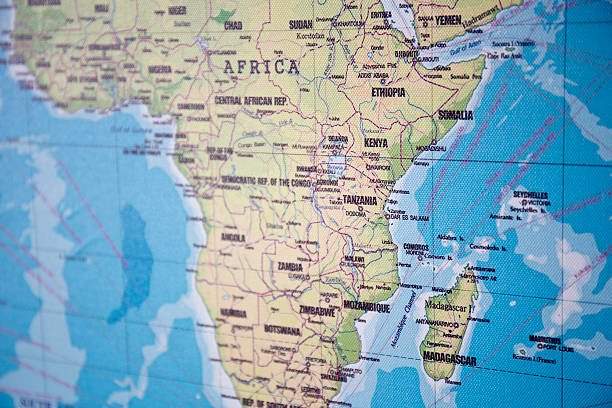
How Africa Celebrate Christmas: A Continent of Vibrant Traditions
How Africa celebrate Christmas is a truly unique and diverse experience, reflecting the continent's rich tapestry of cultures, languages, and religious practices. Far from a single, monolithic celebration, African Christmas celebrations are a vibrant mosaic of deeply rooted traditions, strong community bonds, and heartfelt religious observance, often blending Christian faith with indigenous customs. Across the continent, the festive season is typically marked by church services, family reunions, special meals, music, and dance, creating an atmosphere of joy and togetherness.
While many common themes resonate throughout, the specific customs and festivities vary significantly from North to South, East to West, offering a fascinating glimpse into the continent's profound cultural wealth. Whether it's the warm summer Christmas of South Africa, the distinctive Genna in Ethiopia, or the bustling family gatherings in West Africa, Christmas in Africa is invariably a time for giving, sharing, and communal celebration.
The Enduring Heart of African Christmas: Faith, Family, and Community
At the core of African Christmas celebrations lies a profound emphasis on two pillars: faith and family. Christianity is a dominant religion in many African nations, and Christmas, as the celebration of the birth of Jesus Christ, holds immense spiritual significance.
Strong Religious Observance
For millions across Africa, Christmas begins and centers around church. Christmas Eve and Christmas Day services are meticulously planned and enthusiastically attended, often stretching for several hours. Congregations dress in their finest attire, frequently adorned in new, brightly colored traditional fabrics. Choirs rehearse for months to perform moving carols and gospel music, filling the air with joyful sounds. The atmosphere inside the churches is typically vibrant, dynamic, and deeply spiritual, characterized by fervent prayers, uplifting sermons, and spirited singing. Many communities organize special nativity plays, recreating the biblical story with local flair and traditional music.
Countries with a large Christian population, such as Nigeria, Ghana, Kenya, and South Africa, see this religious devotion amplified. In Ethiopia and Egypt, Coptic and Orthodox Christians observe Christmas (known as Genna in Ethiopia and Coptic Christmas in Egypt) on January 7th, following the Julian calendar, with unique fasting periods and distinct liturgical traditions that highlight their ancient Christian heritage.
Family Reunions and Community Spirit
Christmas is perhaps the most important time for family reunions in Africa. People often travel long distances, sometimes across borders, to return to their ancestral homes and celebrate with extended family. This emphasizes the strong communal fabric that underpins African societies. The idea of Ubuntu – a philosophy emphasizing interconnectedness and humanity towards others – often manifests during the festive season, where sharing, generosity, and mutual support are paramount.
Preparations begin weeks in advance, with families saving up to ensure a memorable celebration. Homes are cleaned, decorated, and stocked with special ingredients for festive meals. Gift-giving, while present, often takes a secondary role to the collective experience of spending time together, sharing food, and strengthening family bonds. Communities often come together for large gatherings, street parties, and charitable acts, ensuring that no one is left out during this special time. This focus on kinship and community is a defining characteristic of African holiday customs.
Vibrant Traditions Across the Continent
The sheer geographical and cultural diversity of Africa means that African Christmas traditions are incredibly varied. Let's explore some regional highlights:
West Africa: Ghana, Nigeria, and Beyond
In West African nations like Ghana and Nigeria, Christmas is a major public holiday, characterized by immense joy and fanfare.
- Nigeria: Often referred to as the 'Giant of Africa,' Nigeria's Christmas is a grand affair. Families, often large and extended, gather from far and wide. New clothes are a must, with vibrant 'Ankara' fabrics being a popular choice for custom-made outfits. Streets buzz with activity, markets are flooded with shoppers, and fireworks (often called 'knockouts') light up the night sky. Special church services are followed by elaborate feasts featuring dishes like
Jollof rice, fried rice, grilled chicken, goat meat pepper soup, and pounded yam with various stews. Music, dancing, and visiting relatives are central to the celebration.
- Ghana: Christmas in Ghana also involves elaborate church services, often followed by vibrant parades. Like Nigeria, new clothes, festive food, and family gatherings are key. Community parties are common, and the exchanging of small gifts, especially for children, is a cherished tradition. Many Ghanaians travel to their villages to celebrate with relatives, reinforcing family ties.
East Africa: Kenya, Ethiopia, and Tanzania
East Africa offers its own distinct charm during the festive season.
- Kenya: Christmas in Kenya is a time for family, faith, and fun. Many Kenyans travel from urban centers to their rural homes. Christmas Day begins with church services, often followed by a grand outdoor meal. Popular festive foods include nyama choma (grilled meat, usually goat or beef), chapati, pilau, and various stews. Beaches in coastal areas like Mombasa are popular destinations for those seeking a warmer Christmas. Decorations, though often simpler, include balloons, ribbons, and sometimes even mango leaves or local flowers.
- Ethiopia: As mentioned, Ethiopia celebrates Genna (Ethiopian Christmas) on January 7th. The 43-day Advent fast (Tsome Nebiyat) precedes it, during which no meat, dairy, or eggs are consumed. On Christmas Eve, people attend all-night church services, often dressed in traditional white cotton clothing called 'shamma.' Christmas Day involves breaking the fast with a large feast, usually featuring 'doro wat' (spicy chicken stew) and 'injera' (sourdough flatbread). A traditional game similar to hockey, also called Genna, is often played, echoing ancient practices.
- Tanzania: Similar to Kenya, Christmas in Tanzania is a deeply religious and family-oriented holiday. Swahili influence is evident, especially along the coast. Church services are paramount, followed by communal meals featuring dishes like rice, pilau, grilled chicken or goat, and various vegetable preparations. Gift-giving is modest, with emphasis on shared experiences and togetherness. Zanzibar, with its stunning beaches, becomes a popular spot for both locals and tourists during this time.
Southern Africa: South Africa and Zimbabwe
Southern Africa presents a different climate for Christmas – it's summer!
- South Africa: South African Christmas is unique as it falls during the peak of summer. This means braais (barbecues) are a popular alternative to traditional roasts. Many families head to beaches, national parks, or go camping. Traditional European influences are visible in decorations like Christmas trees and carols, often blended with local customs. Meals can range from a traditional roast turkey to grilled seafood, often accompanied by local desserts like malva pudding. Carols by candlelight events are also popular, creating a magical atmosphere.
- Zimbabwe: In Zimbabwe, Christmas is a major family holiday. People travel to their rural homes to celebrate with relatives. Church services are a focal point, followed by lavish meals featuring sadza (a staple porridge), various relishes, grilled meats, and often fizzy drinks. New clothes are highly anticipated, especially by children, and small gifts are exchanged, particularly sweets and toys.
North Africa: Egypt (Coptic Christmas)
In North Africa, particularly in Egypt, the Christian minority, predominantly Coptic Orthodox, observes Christmas on January 7th.
- Egypt: Coptic Christmas in Egypt follows a rigorous 43-day fast leading up to Christmas Day. On Christmas Eve, Coptic Christians attend a special church service that can last until the early hours of Christmas morning. The fast is broken with a festive meal featuring specific dishes such as 'fattah' (rice, bread, and meat soup) and various other meat and vegetable dishes. Families visit each other and exchange gifts, with children often receiving new clothes and toys.
Feasts, Flavors, and Festive Attire
Food and fashion play crucial roles in African Christmas celebrations, reflecting the celebratory spirit and cultural pride.
Culinary Delights
The Christmas feast is a highlight of the season. While specific dishes vary regionally, the emphasis is always on abundance and flavor. Key staples and popular choices include:
- Jollof Rice: A West African favorite, often served with chicken or fish.
- Grilled Meats:
From nyama choma in East Africa to braais in South Africa and 'suya' skewers in West Africa, grilled meats are a staple.
- Stews and Soups: Rich stews made with various meats, vegetables, and groundnuts are common across the continent, often served with fufu, injera, or sadza.
- Breads and Pastries:
Chapati, mandazi, and different types of homemade breads feature prominently on many tables.
- Fresh Fruits: Given the warm climate, fresh tropical fruits are abundant and add a refreshing touch to the festive spread.
The preparation of these meals is often a communal effort, bringing generations together in the kitchen.
Fashion and Decorations
New clothes are a significant part of Christmas. People dress in their finest, often opting for tailor-made outfits from vibrant traditional fabrics like Kente from Ghana or Ankara from Nigeria. These garments are a visual representation of the festive spirit and cultural identity.
Home decorations are often simpler and more organic than in Western countries. While some families might put up artificial Christmas trees, many opt for natural greenery, balloons, tinsel, and homemade ornaments. The focus is less on commercial glitz and more on creating a welcoming, festive atmosphere within the home and community spaces.
Music, Dance, and Merriment
Music and dance are integral to African culture, and Christmas is no exception. They are central to expressing joy, gratitude, and communal spirit.
Rhythmic Celebrations
Christmas services and gatherings often feature vibrant choirs singing gospel hymns and traditional carols. Drumming, a cornerstone of African music, accompanies many celebrations, setting a rhythmic backdrop for joyous dancing. Traditional dances are performed, and modern music also fills the air as families and communities come together to celebrate. The energy is infectious, with everyone encouraged to participate in the festivities, making African Christmas music a truly unique experience.
This combination of spiritual devotion, communal feasting, vibrant fashion, and rhythmic celebration makes how Africa celebrate Christmas a truly unforgettable and heartwarming experience, rich in cultural significance and personal connection.
Challenges and Unique Aspects of Christmas in Africa
While Christmas is a time of joy, it also presents unique challenges and offers distinct perspectives compared to other parts of the world.
Economic Realities
For many families, especially in rural areas, Christmas can bring economic pressure. There's a strong desire to provide new clothes, abundant food, and sometimes small gifts, which can be a financial strain. However, the strong community support networks often come into play, with families pooling resources and sharing generously to ensure everyone can partake in the festivities.
Climate and Setting
Unlike the snowy, cold Christmases depicted in Western media, Christmas in most of Africa occurs during the warm, often dry, season. This influences celebrations, favoring outdoor gatherings, beach trips in coastal regions, and open-air church services. The natural beauty of the African landscape often serves as a backdrop to the holiday, from savannahs to bustling cityscapes.
Blend of Cultures
African Christmas traditions are a fascinating blend of indigenous African customs, Christian faith, and influences from colonial history. This fusion creates a dynamic and evolving set of practices that are uniquely African, reflecting a continent that embraces modernity while holding steadfast to its heritage.
Conclusion
In conclusion, how Africa celebrate Christmas is a testament to the continent's vibrant spirit, deep-rooted faith, and powerful sense of community. From the solemn church services and spiritual reflection to the boisterous family reunions, elaborate feasts, and rhythmic music and dance, Christmas is celebrated with an unparalleled zest for life. While traditions vary widely from country to country and even within regions, the core themes of faith, family, generosity, and shared joy resonate universally. It's a time when differences are set aside, and the bonds of kinship and community are strengthened, creating a truly unique and heartwarming festive season across this magnificent continent. The diversity of African Christmas celebrations underscores the richness of its cultures and the enduring power of its people to find joy and unity.
Enjoyed this read?
Share it with your friends and colleagues.