Is Africa Ever Cold

BSC Insights Admin
September 30, 2026
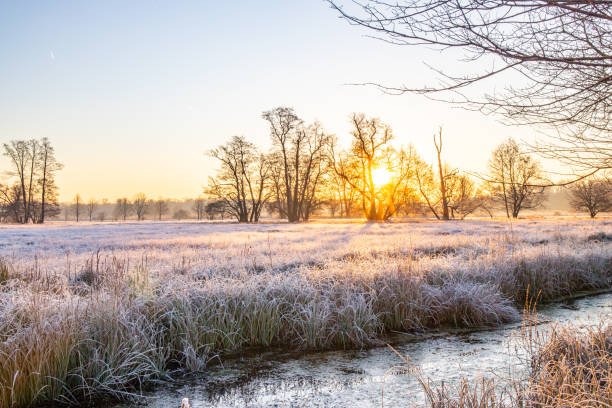
Contrary to a widespread misconception, Africa is not uniformly hot; the continent absolutely experiences cold temperatures, significant seasonal variations, and even regular snowfall in numerous regions. While vast swathes of Africa are indeed characterized by tropical heat and arid deserts, its immense size and diverse geography, which includes towering mountain ranges, high plateaus, and temperate zones at its northern and southern extremities, create a remarkable spectrum of climates where the mercury frequently dips, sometimes well below freezing.
The Myth of a Uniformly Hot Africa
The popular image of Africa often conjures scenes of scorching deserts, steamy rainforests, and relentless sunshine. This perception is largely due to the fact that the equator runs directly through the middle of the continent, leading many to assume a consistently tropical or subtropical climate across the board. However, this generalized view overlooks the continent's staggering geographical and climatic diversity. Africa is the world's second-largest continent, encompassing 54 sovereign countries, each with its own unique weather patterns and topographical features that significantly influence local temperatures. To truly understand Is Africa ever cold, one must look beyond the equator and explore its diverse landscapes.
Where and When Does Africa Get Cold?
The idea of coldest places in Africa might seem counterintuitive to some, but these regions are quite real and offer stunning contrasts to the continent's warmer areas. From snow-capped peaks to crisp desert nights, cold conditions are a regular feature in several parts of the continent.
High-Altitude Regions: Mountains and Plateaus
Mountainous areas are undeniably the most consistent sources of cold weather in Africa. The higher the altitude, the lower the temperature, a fundamental principle of meteorology that holds true here as anywhere else. These elevated landscapes receive regular snow in Africa, creating breathtaking winter scenes.
- Atlas Mountains (North Africa): Stretching across Morocco, Algeria, and Tunisia, the Atlas Mountains are a prime example. These peaks frequently receive heavy snowfall during winter months (roughly November to March), with ski resorts operating in places like Oukaimeden in Morocco. Temperatures can easily drop below freezing, making for surprisingly cold winters in these northern African countries.
- Drakensberg Mountains (Southern Africa): Located primarily in South Africa and Lesotho, the Drakensberg, or "Dragon's Mountains," are renowned for their dramatic landscapes and significant winter snowfalls. Lesotho, often called the "Kingdom in the Sky" due to its high average elevation, experiences severe winters with widespread frost and snow, making it one of the genuinely coldest places in Africa.
- East African Rift Mountains: Iconic peaks like Mount Kilimanjaro (Tanzania), Mount Kenya (Kenya), and the Rwenzori Mountains (Uganda/DRC) are so high that their summits host permanent glaciers and snowfields, despite their equatorial proximity. While the bases of these mountains might be warm, temperatures plunge dramatically with elevation. The summit of Kilimanjaro, for instance, can experience temperatures as low as -20°C (-4°F) or even colder.
- Ethiopian Highlands: This vast plateau in Ethiopia, with many peaks exceeding 4,000 meters (13,000 feet), enjoys a much cooler climate than the lower-lying areas of the country and surrounding regions. Frost is common during the dry season (October to February), and night-time temperatures can be quite chilly.
Desert Nights and Winters
While deserts are famous for their scorching daytime heat, they are equally notorious for their dramatically cold nights. This extreme diurnal temperature variation is due to the lack of humidity and cloud cover. During the day, the sun's energy heats the sand quickly, but at night, without atmospheric moisture to trap it, the heat radiates rapidly back into space.
- Sahara Desert (North Africa): The world's largest hot desert experiences vast temperature swings. While summer days can exceed 50°C (122°F), winter nights, especially in the central Sahara, can drop to below freezing (0°C or 32°F). Instances of snow in the Sahara, though rare, have been recorded, underscoring the potential for extreme cold.
- Kalahari Desert (Southern Africa): Similarly, the Kalahari Desert, spanning Botswana, Namibia, and South Africa, experiences very cold winter nights. During June, July, and August, night-time temperatures can routinely fall below 0°C (32°F), with frost common. This is a crucial aspect of Kalahari winter conditions that wildlife and local communities must adapt to.
Southern Africa's Temperate Climates
Many parts of Southern Africa, particularly South Africa itself, lie outside the tropical zone and experience distinct four-season weather, including genuinely cold winters. The latitude, coupled with specific geographical features, contributes to this.
- South Africa: The country's interior plateau, including cities like Johannesburg and Pretoria, experiences cold, dry winters from June to August. Frost is widespread, and night-time temperatures often hover around freezing. The Karoo region and higher elevations can even see occasional snow. The Western Cape, with its Mediterranean climate, has cool, wet winters. Even coastal cities like Cape Town can feel quite chilly, especially with winter rains and strong winds. Understanding South Africa climate diversity is key to appreciating African cold.
- Lesotho: As mentioned, this landlocked country is entirely above 1,400 meters (4,593 feet) and is the only country in the world situated entirely above 1,000 meters (3,281 feet) in elevation. It experiences extremely cold winters with heavy snow and ice, making it a unique destination for winter sports in Africa.
North Africa's Mediterranean Influence
The coastal regions of North Africa—including parts of Morocco, Algeria, Tunisia, Libya, and Egypt—are influenced by the Mediterranean climate. While not as extreme as mountain regions, these areas experience cool, wet winters that are a stark contrast to the persistent heat associated with the continent. Temperatures in cities like Tunis, Algiers, or Casablanca can drop to 5-10°C (41-50°F) during winter nights, with daytime highs around 15°C (59°F), requiring warm clothing.
Factors Contributing to Cold in Africa
Several key geographical and climatic factors explain why Africa gets cold in various locations and at different times of the year:
- Altitude: This is arguably the most significant factor. For every 1,000 meters (3,281 feet) increase in elevation, the temperature generally drops by about 6.5°C (11.7°F). This is why Africa's highest peaks are always cold, regardless of their proximity to the equator.
- Latitude: Areas further away from the equator, towards the northern and southern extremes of the continent, naturally experience more distinct seasonal variations and cooler temperatures, especially during their respective winter months. This is evident in the temperate zones of North Africa and Southern Africa.
- Ocean Currents: The Benguela Current, an cold ocean current flowing northwards along the west coast of Southern Africa (from the Cape of Good Hope to Angola), significantly cools the coastal regions of Namibia and South Africa. This cold current brings cool air and coastal fog, contributing to lower average temperatures in these areas.
- Continental Effect: Large landmasses tend to experience greater temperature extremes than coastal areas. Inland regions, especially those far from the moderating influence of oceans, can heat up intensely during summer and cool down dramatically during winter. This is particularly true for the interior plateaus of Southern Africa.
- Dry Air and Clear Skies: In desert environments, the air is very dry, and skies are typically clear. This lack of humidity and cloud cover means that heat absorbed during the day can rapidly escape into the atmosphere at night, causing dramatic drops in temperature.
Surviving the Cold: Adaptations and Challenges
For both humans and wildlife, coping with African cold weather presents unique challenges and has led to various adaptations.
Human Adaptations: In regions like the Atlas Mountains or Lesotho, people build homes from stone or adobe to provide insulation against the cold. Traditional clothing often involves layered woolens, thick blankets, and specific garments designed for warmth. Heating methods, while perhaps not as ubiquitous as in colder continents, are essential in winter. Communities in these areas are well-versed in preparing for frost and snow.
Wildlife Adaptations: Animals in cold African regions employ a range of strategies.
- Migration: Some bird species migrate away from colder high-altitude or southern regions during winter.
- Nocturnal Activity/Burrowing: Desert animals often burrow deep underground during the day to escape heat, but these burrows also provide insulation from the cold night air. Many are nocturnal, active when temperatures are cooler.
- Thicker Coats: Certain mountain animals, like some species of mountain antelope or even wild dogs in the Drakensberg, develop thicker coats for winter warmth.
- Huddling: Social animals, such as meerkats in the Kalahari, will huddle together for warmth during frigid desert nights.
- Aestivation/Torpor: While less common for extreme cold, some animals can enter states of reduced metabolic activity (torpor or aestivation) to conserve energy during harsh conditions, including cold periods.
Agricultural Challenges: Frost and snow can pose significant threats to agriculture in cold African regions. Farmers in the Ethiopian Highlands or parts of South Africa must choose cold-resistant crops or employ protective measures to safeguard their yields. Livestock also requires protection and additional feed during harsh winters.
Infrastructure: Roads can become impassable due to snow and ice in mountainous regions, affecting transport and access to remote communities. This necessitates specific infrastructure planning and maintenance, much like in other parts of the world that experience cold snaps.
Debunking Misconceptions: Africa is Not Just Hot
The persistent stereotype of Africa as a uniformly hot continent does a disservice to its incredible diversity. It overshadows the fascinating variations in its climate, ecosystems, and human experiences. To ask "Is Africa ever cold?" is to open a door to a richer understanding of this vast landmass. From the permanent glaciers of equatorial mountains to the annual snowfalls in the Atlas and Drakensberg ranges, and the surprisingly frigid desert nights, Africa unequivocally demonstrates that it is not solely a land of heat. Its varied climate zones support a wide array of life and human cultures, each adapted to their specific environmental conditions, whether hot, wet, dry, or indeed, cold.
In conclusion, the answer to "Is Africa ever cold?" is a resounding yes. While the image of a hot, sunny continent persists, the reality is far more nuanced. High-altitude regions like the Atlas, Drakensberg, and East African mountains regularly experience freezing temperatures and heavy snowfall. Deserts, though scorching by day, can drop below freezing at night. Furthermore, large parts of Northern and Southern Africa, especially during their respective winter months, experience distinct cold seasons. This rich climatic diversity means that travelers and residents alike can find incredibly varied weather conditions across this magnificent continent, from tropical warmth to genuine winter chill.
Enjoyed this read?
Share it with your friends and colleagues.