Which Country Are In Africa Continent

BSC Insights Admin
October 01, 2026
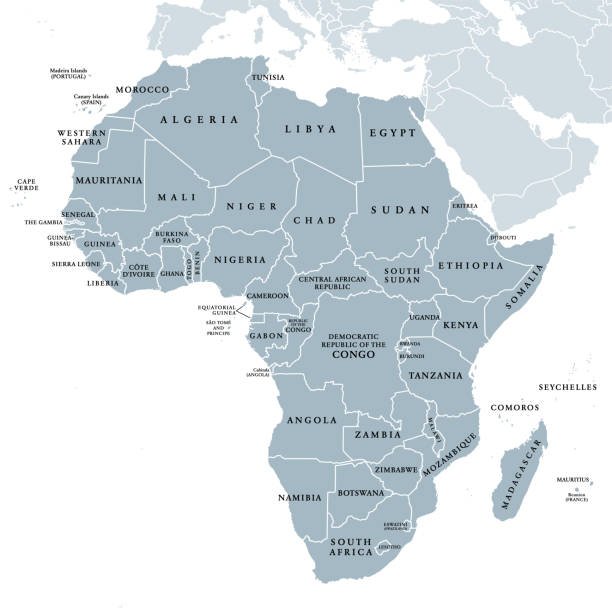
There are 54 sovereign nations that are in the African continent, each recognized by the United Nations and the African Union as independent states. These countries range from the vast Mediterranean landscapes of the north to the lush tropical regions of the center and the temperate zones in the south. Knowing which country are in Africa continent allows for a deeper appreciation of the world second largest and second most populous landmass.
The diversity of these nations is reflected in their varied histories, languages, and economic structures that define the modern African landscape. This comprehensive guide provides a detailed look at the sovereign states that form the geopolitical fabric of the continent today.
These are the Countries that are in the African Continent
Exploring the list of nations within this vast region requires an understanding of five major subregions which are North, West, Central, East, and Southern Africa. Each territory possesses its own unique geographic features, from the Sahara Desert to the Great Rift Valley and the sprawling savannas. Below is the full list of countries categorized by their recognized status and geographical significance across the region.
1. Algeria
Algeria is currently the largest nation on the continent by total land area, situated in the North with a long Mediterranean coastline. The vast majority of its territory is occupied by the Sahara Desert, yet it remains a major exporter of natural gas and oil to global markets. Its capital city is Algiers, which serves as a major cultural and political hub in the Maghreb region. The country has a population of approximately 45 million people who primarily speak Arabic and Berber. It is a founding member of many regional organizations and plays a significant role in Mediterranean security and trade.
2. Angola
Angola is located on the western coast of Southern Africa and is known for its vast mineral and petroleum reserves. Luanda, the capital, is one of the most expensive and fastest growing cities on the continent due to the oil boom. The country has successfully moved past a long civil war to become a major economic player in the region. Its landscape includes a mix of tropical rainforests in the north and arid deserts in the south. With over 35 million people, Angola continues to invest heavily in infrastructure and urban development projects.
3. Benin
Benin is a relatively small West African nation that holds great historical significance as the birthplace of the Vodun religion. Its political capital is Porto Novo, but the seat of government and largest economic center is the bustling port city of Cotonou. The country relies heavily on agriculture, particularly cotton production, which accounts for a large portion of its export earnings. Benin is known for its stable democratic transitions and a rich cultural heritage that includes the historic kingdom of Dahomey. Its palm fringed coastline attracts tourists interested in the history of the trans Atlantic trade.
4. Botswana
Botswana is a landlocked country in Southern Africa that is often cited as a model for economic stability and democratic governance. The nation is home to the Kalahari Desert and the stunning Okavango Delta, which is one of the world largest inland water systems. Diamond mining is the primary driver of the economy, transforming the country from one of the poorest in the world at independence to a middle income state. Gaborone serves as the capital and is a hub for regional trade and wildlife conservation efforts. The country maintains a small population of about 2.6 million people and a high standard of living.
5. Burkina Faso
Burkina Faso is situated in the heart of West Africa and is known for its vibrant artistic culture and cinema industry. The capital, Ouagadougou, hosts the biannual FESPACO film festival, which is the largest event of its kind on the continent. The country is mostly a plateau landscape and faces environmental challenges related to the encroaching Sahara Desert. Gold and cotton are the main exports, providing a livelihood for many of its 22 million citizens. Despite recent political shifts, the people remain resilient and are famous for their hospitality and traditional music.
6. Burundi
Burundi is a small, mountainous country located in the Great Lakes region of East Africa. Its economy is primarily agricultural, with coffee and tea being the main products exported to the international market. The capital was recently moved to Gitega, while Bujumbura remains the largest city and primary economic port on Lake Tanganyika. The nation has a high population density and a rich oral tradition that has preserved its history through generations. Burundi continues to work with regional partners to improve its infrastructure and connect its landlocked territory to the coast.
7. Cabo Verde
Cabo Verde is a volcanic archipelago consisting of ten islands located in the central Atlantic Ocean, west of Senegal. Since its independence from Portugal, the nation has become one of the most stable democracies in the region. The culture is a unique blend of African and European influences, especially evident in its world famous Morna music. Because it lacks significant natural resources, the economy relies heavily on tourism, shipping, and remittances from its large diaspora. The islands are known for their beautiful beaches and a high level of social development and literacy.
8. Cameroon
Cameroon is often referred to as Africa in Miniature because it contains every major climate and landscape of the continent within its borders. It features beaches, deserts, mountains, rainforests, and savannas, providing a habitat for a vast array of wildlife. The country is bilingual, with French and English as official languages, reflecting its dual colonial history. Yaounde is the administrative capital, but Douala is the largest city and serves as the main economic gateway. Cameroon is famous for its successful national football team and its production of cocoa, coffee, and timber.
9. Central African Republic
The Central African Republic is a landlocked nation positioned at the geographic center of the continent. It possesses immense natural wealth in the form of diamonds, gold, and uranium, although it has faced challenges in fully developing these resources. Much of the country is covered by savanna, but the south contains dense tropical forests that are home to rare western lowland gorillas. Bangui is the capital and is situated on the banks of the Ubangi River, which is a vital transport link. The country is currently working toward long term stability to unlock its massive agricultural and mining potential.
10. Chad
Chad is a large, landlocked country in North Central Africa that bridges the gap between the Saharan north and the tropical south. Lake Chad was once one of the largest lakes in the world and remains a critical water source for millions of people. The country began exporting crude oil in the early 2000s, which has significantly altered its economic landscape. N'Djamena is the capital and serves as a major military and diplomatic center in the Sahel region. The nation features a diverse ethnic makeup with over 200 different groups contributing to its national identity.
11. Comoros
The Comoros is an island nation located in the Indian Ocean between Madagascar and Mozambique. It consists of three major volcanic islands and is known for its production of perfume essences like ylang ylang and vanilla. Moroni is the capital city and reflects a unique mix of Arab and African cultural influences. The economy is largely based on subsistence agriculture and fishing, with a growing interest in developing its tourism sector. The islands are surrounded by coral reefs and offer a peaceful environment for those interested in marine biodiversity and volcanic landscapes.
12. Democratic Republic of the Congo
The Democratic Republic of the Congo is the second largest country in Africa and is incredibly rich in natural resources such as cobalt, copper, and diamonds. It contains the majority of the Congo Rainforest, which is the world second largest tropical forest. Kinshasa, the capital, is one of the largest francophone cities in the world and a major center for African music. Despite its wealth, the nation has faced significant infrastructure challenges and is working to stabilize its various regions. The Congo River provides massive potential for hydroelectric power that could theoretically supply the entire continent.
13. Republic of the Congo
The Republic of the Congo, often called Congo Brazzaville, is located to the west of its larger namesake and has a much smaller population. The country is a significant oil producer in the Gulf of Guinea, which drives most of its national budget. Brazzaville is the capital and is situated directly across the river from Kinshasa, making them the two closest capital cities in the world. Much of the northern territory is pristine rainforest, protected in national parks that house forest elephants and gorillas. The government is focused on diversifying the economy through sustainable forestry and ecotourism.
14. Cote d'Ivoire
Cote d'Ivoire is a West African powerhouse and is the world leading producer of cocoa beans used in chocolate. The country has seen rapid economic growth in recent years, with Abidjan serving as a major financial and industrial hub. While Yamoussoukro is the official political capital, Abidjan remains the heart of the nation economic and social life. The country features a well developed infrastructure, including modern ports and a growing network of highways. Its diverse population and stable business environment have attracted significant foreign investment from around the globe.
15. Djibouti
Djibouti is a small but strategically vital country located on the Horn of Africa at the entrance to the Red Sea. Its location makes it a critical hub for international shipping and a host to several foreign military bases. The landscape is mostly volcanic desert, including Lake Assal, which is the lowest point on the African landmass. The economy is almost entirely based on its port services, which serve as the main sea outlet for landlocked Ethiopia. Despite the harsh climate, Djibouti is investing heavily in becoming a regional digital and transport gateway for East Africa.
16. Egypt
Egypt is a transcontinental nation linking Northeast Africa with the Middle East and is home to one of the world oldest civilizations. It is famous for its ancient monuments, including the Pyramids of Giza and the Great Sphinx, which draw millions of tourists annually. The Nile River is the lifeblood of the country, with nearly the entire population of 110 million people living along its banks. Cairo is a massive metropolis that serves as a cultural and political center for the entire Arab world. Egypt also controls the Suez Canal, which is one of the most important shipping lanes for global maritime trade.
17. Equatorial Guinea
Equatorial Guinea is one of the smallest countries in Africa but has one of the highest per capita incomes due to massive offshore oil reserves. The country consists of a mainland territory and several islands, including Bioko where the capital Malabo is located. It is the only country in Africa where Spanish is an official language, a legacy of its colonial history. The government has used oil wealth to build modern infrastructure, including new highways and administrative cities like Oyala. However, the nation continues to work on ensuring that its wealth is distributed more equitably across its population.
18. Eritrea
Eritrea is located along the Red Sea in the Horn of Africa and gained its independence in 1993. The capital, Asmara, is renowned for its well preserved Italian modernist architecture and was designated a UNESCO World Heritage site. The country has a long coastline that is strategically important for regional trade and fishing industries. Its economy is largely based on subsistence agriculture and mining, with significant deposits of gold and copper. Eritrea maintains a policy of national self reliance, which has shaped its unique social and political development over the last few decades.
19. Eswatini
Eswatini, formerly known as Swaziland, is a small landlocked monarchy in Southern Africa bordered by South Africa and Mozambique. It is one of the world few remaining absolute monarchies, where traditional customs and modern governance exist side by side. The country is known for its beautiful mountainous landscapes and vibrant cultural festivals like the Umhlanga reed dance. Its economy is closely linked to South Africa and is based on agriculture, particularly sugar production, and textile manufacturing. Eswatini has made significant strides in public health in recent years, improving life expectancy for its citizens.
20. Ethiopia
Ethiopia is the most populous landlocked country in the world and is unique for never having been formally colonized by a European power. It is often considered the cradle of humanity due to the discovery of ancient hominid fossils like Lucy within its borders. The capital, Addis Ababa, serves as the headquarters for the African Union and is a major diplomatic hub. Ethiopia has seen rapid economic growth driven by massive infrastructure projects, such as the Grand Ethiopian Renaissance Dam. The nation possesses a rich religious history, being home to ancient Christian and Islamic traditions that have coexisted for centuries.
21. Gabon
Gabon is located on the equator in Central Africa and is covered by dense rainforests that occupy about 85 percent of its land area. The country has a relatively small population and significant oil wealth, allowing it to maintain a higher standard of living than many neighbors. It is a leader in environmental conservation, with a large network of national parks designed to protect its unique biodiversity. Libreville is the coastal capital, known for its modern amenities and vibrant markets. Gabon is currently focusing on sustainable forestry and ecotourism as it prepares for a future with less reliance on petroleum exports.
22. Gambia
The Gambia is the smallest country on mainland Africa and is almost entirely surrounded by Senegal, except for its short Atlantic coastline. The nation is defined by the Gambia River, which flows through its center and provides essential water for agriculture and transport. Its economy is primarily based on tourism, with many visitors arriving to enjoy its beaches and birdwatching opportunities. Farming is also a major activity, particularly the cultivation of peanuts, which are the main export crop. The Gambia has recently undergone a democratic transition, leading to increased international cooperation and investment.
23. Ghana
Ghana was the first sub Saharan African nation to gain independence from colonial rule in 1957, making it a pioneer for liberation movements. It is known for its stable democracy, vibrant culture, and its status as a top producer of cocoa and gold. The capital, Accra, is a fast growing city that has become a center for technology and the arts in West Africa. Ghana is also an oil producing nation, further diversifying its already robust economy. The country commitment to education and regional leadership has made it a favorite for international partnerships and tourism from the global diaspora.
24. Guinea
Guinea possesses the world largest reserves of bauxite, the primary ore used to produce aluminum, as well as significant deposits of gold. The country is often called the water tower of West Africa because several major rivers, including the Niger and the Senegal, originate in its highlands. Conakry is the capital city, located on a peninsula that juts into the Atlantic Ocean. While it has immense mineral potential, the country is working to improve its infrastructure and political stability to fully benefit from its resources. Agriculture also plays a vital role, with farmers growing rice, coffee, and tropical fruits.
25. Guinea-Bissau
Guinea-Bissau is a small tropical country on the West African coast known for its diverse ethnic groups and the Bijagos archipelago. The economy is heavily dependent on the export of cashew nuts, making it one of the top producers in the world. Bissau is the capital and largest city, featuring colonial era architecture and a relaxed atmosphere. The country has faced periods of political instability, but it continues to work toward strengthening its democratic institutions. Its coastal waters are rich in fish, providing both a food source for locals and potential revenue from international fishing licenses.
26. Kenya
Kenya is a major economic and transport hub for East Africa, boasting a diverse economy that includes agriculture, manufacturing, and tourism. It is famous for its wildlife safaris in the Maasai Mara and its stunning Indian Ocean beaches along the coast. Nairobi, the capital, is a global city that hosts the United Nations Environment Programme and a burgeoning tech sector. The country is a leading exporter of tea and fresh flowers to markets in Europe. Kenya also has a rich athletic history, producing some of the world finest long distance runners who dominate international competitions.
27. Lesotho
Lesotho is a unique mountain kingdom that is entirely landlocked by South Africa, with its territory situated at high altitudes. It is often called the Kingdom in the Sky because it contains the highest low point of any country in the world. The economy is based on agriculture, textile manufacturing, and the export of water and hydroelectric power to South Africa. Maseru is the capital and largest city, located on the border with the Free State province. The traditional Basotho culture is very strong, with the iconic conical hat and wool blankets being symbols of national identity.
28. Liberia
Liberia is the oldest modern republic in Africa, having been founded by freed slaves from the United States in the 19th century. Its capital, Monrovia, was named after the American President James Monroe, reflecting the deep historical ties between the two nations. The country is rich in iron ore, rubber, and timber, which are the mainstays of its export economy. After overcoming a period of civil conflict, Liberia has made significant progress in rebuilding its institutions and promoting peace. It was also the first African nation to elect a female head of state, highlighting its progressive steps in gender representation.
29. Libya
Libya is a large North African nation with some of the largest proven oil reserves in the world, which historically gave it a high standard of living. Most of the country is covered by the Libyan Desert, with the majority of the population living in coastal cities like Tripoli and Benghazi. The nation has ancient roots, featuring some of the best preserved Roman ruins in the world at sites like Leptis Magna. Since 2011, Libya has been working to reestablish a unified government and stabilize its economy following a period of political transition. Its strategic location on the Mediterranean makes it a vital partner for regional security.
30. Madagascar
Madagascar is a massive island nation located off the coast of East Africa, famous for its unique biodiversity, including lemurs and baobab trees. Over 90 percent of its wildlife is found nowhere else on Earth, making it a top priority for global conservation efforts. The culture is a distinct blend of Southeast Asian and African influences, evident in the Malagasy language and traditional rice based cuisine. Antananarivo is the capital, located in the central highlands and characterized by its colorful houses. The economy relies on agriculture, particularly the production of vanilla, of which Madagascar is the world leading supplier.
31. Malawi
Malawi is often called the Warm Heart of Africa because of the friendliness of its people and its beautiful, tranquil landscapes. The country is dominated by Lake Malawi, which stretches along much of its eastern border and is home to hundreds of species of fish. Agriculture is the backbone of the economy, with tobacco being the primary export, followed by tea and sugar. Lilongwe is the capital city, while Blantyre serves as the main commercial and industrial center. Malawi has remained a peaceful nation since independence and is increasingly focusing on diversifying its economy through tourism and irrigation projects.
32. Mali
Mali is a landlocked nation in West Africa with a glorious history as the center of the Mali Empire, once one of the wealthiest states in the world. It is home to legendary sites like Timbuktu, which was a historic center for Islamic learning and trans Saharan trade. The Niger River flows through the heart of the country, providing a vital source of water for irrigation and transport. Mali is one of Africa largest gold producers, which contributes significantly to its national revenue. Despite current security challenges in some regions, the country continues to be celebrated for its influential traditional music and architecture.
33. Mauritania
Mauritania is a vast country that acts as a bridge between the Arab Maghreb of North Africa and the sub Saharan West African nations. The landscape is predominantly desert, but the country possesses a long coastline with some of the richest fishing grounds in the world. Iron ore mining is the most significant industrial activity, providing the bulk of the nation export earnings. Nouakchott is the capital, having grown from a small village to a bustling city since independence in 1960. Mauritania has recently begun developing large offshore natural gas reserves, which are expected to transform the nation economic future.
34. Mauritius
Mauritius is an Indian Ocean island nation known for its white sandy beaches, coral reefs, and high level of economic development. It has successfully diversified its economy from sugar production into tourism, textiles, and financial services, becoming one of Africa wealthiest nations. The population is multi ethnic and multi religious, with roots in India, Africa, Europe, and China, creating a rich cultural mosaic. Port Louis is the capital and a major regional financial hub with a modern skyline. The country is a leader in environmental protection and has consistently ranked high in global indices for ease of doing business.
35. Morocco
Morocco is a kingdom in North Africa that features a unique blend of Berber, Arab, and European influences. It is famous for its historic imperial cities like Marrakech, Fes, and Rabat, which are renowned for their vibrant markets and architecture. The country has a diverse economy that includes a strong tourism sector, phosphate mining, and a growing automotive industry. Morocco has invested heavily in renewable energy, home to one of the world largest solar power plants in the Sahara. Its location just miles from Spain makes it a key gateway between Africa and Europe for trade and cultural exchange.
36. Mozambique
Mozambique is located on the southeastern coast of Africa and possesses one of the longest coastlines on the continent, dotted with beautiful islands. Its capital, Maputo, is a vibrant port city known for its Mediterranean style architecture and seafood markets. The country is rich in natural resources, including massive offshore natural gas deposits that are currently being developed for export. Agriculture and fishing provide a living for the majority of the population, while the transport sector serves landlocked neighbors. Mozambique is working to build a more resilient economy by investing in infrastructure and education.
37. Namibia
Namibia is a vast, sparsely populated country in Southern Africa characterized by the stunning red dunes of the Namib Desert and the Skeleton Coast. It was the first country in the world to incorporate environmental protection into its national constitution, leading to a successful conservation system. The economy is driven by mining, particularly diamonds and uranium, as well as a robust commercial fishing industry. Windhoek is the capital, featuring a clean, organized urban environment with a strong German colonial influence. Namibia dramatic landscapes and diverse wildlife make it a popular destination for photographers and adventure travelers.
38. Niger
Niger is a landlocked nation in the Sahel region, named after the Niger River which flows through its southwestern part. It is one of the world largest producers of uranium, which is a major component of its export economy. Most of the territory is covered by the Sahara Desert, and the majority of the population lives in the south where farming is possible. Niamey is the capital city, serving as the political and cultural center of the nation. Despite environmental challenges like frequent droughts, Niger has a rich cultural heritage, including the famous Cure Salee festival celebrated by nomadic groups.
39. Nigeria
Nigeria is the most populous country in Africa, with over 220 million people, and possesses the continent largest economy. It is a major global oil producer and has a rapidly growing technology sector centered in the sprawling metropolis of Lagos. The nation is culturally diverse, with over 250 ethnic groups, the largest being the Hausa, Yoruba, and Igbo. Nigeria film industry, known as Nollywood, is one of the largest in the world, producing thousands of movies annually. Abuja is the planned capital city, located in the center of the country to serve as a neutral ground for its different groups.
40. Rwanda
Rwanda is a small, landlocked country in East Africa known as the Land of a Thousand Hills due to its stunning mountainous geography. Since the mid 1990s, the nation has undergone a remarkable transformation, becoming one of the cleanest and safest countries on the continent. Its capital, Kigali, is celebrated for its orderliness and has become a hub for international conferences and technology startups. The economy is based on coffee and tea exports, as well as a growing tourism sector centered on gorilla trekking. Rwanda is also a global leader in female representation in parliament, consistently ranking at the top of world standings.
41. Sao Tome and Principe
Sao Tome and Principe is a two island nation located in the Gulf of Guinea, known for its lush rainforests and historic cocoa plantations. It is one of Africa smallest countries, offering a peaceful and laid back atmosphere for those who visit its volcanic shores. The economy has traditionally been based on cocoa, but the discovery of offshore oil reserves has the potential to change its economic landscape. The islands are a haven for birdwatchers and nature lovers, featuring many species that are endemic to the archipelago. Sao Tome is the capital and largest town, where Portuguese colonial influence remains evident.
42. Senegal
Senegal is located at the westernmost point of the African continent and is known for its stable democracy and vibrant cultural life. Its capital, Dakar, is a major regional port and was historically the terminus for the famous Paris Dakar Rally. The country has a diverse economy that includes fishing, agriculture, and a growing mining sector focused on gold and phosphates. Senegal is famous for its hospitality, known locally as Teranga, and its influential music and cinema scenes. The island of Goree, located just off the coast of Dakar, serves as a poignant memorial to the Atlantic slave trade and is a major historical site.
43. Seychelles
Seychelles is an archipelago of 115 islands in the Indian Ocean, famous for having some of the most beautiful beaches and luxury resorts in the world. It has the highest per capita income in Africa and is a leader in marine conservation, having protected a huge portion of its territorial waters. The economy is heavily dependent on high end tourism and industrial tuna fishing. Victoria is the capital city, located on the largest island of Mahe, and is one of the smallest capitals in the world. Seychelles is known for its unique granite rock formations and rare species like the giant Aldabra tortoise and the coco de mer palm.
44. Sierra Leone
Sierra Leone is a West African nation known for its beautiful coastline and its history as a haven for freed slaves in the 18th century. The capital, Freetown, has one of the world largest natural harbors and remains the heart of the country economic and social life. The nation is rich in diamonds, gold, and bauxite, which are the primary drivers of its export market. After overcoming a period of civil conflict, Sierra Leone has made significant progress in national reconciliation and economic rebuilding. Its people are known for their resilience and religious tolerance, with Muslims and Christians living harmoniously across the country.
45. Somalia
Somalia is located on the Horn of Africa and has the longest coastline on the mainland, strategically positioned along major global shipping routes. The nation has a rich history of trade with the Arab world and India, which has shaped its culture and Islamic heritage. Mogadishu is the capital and largest city, currently undergoing a period of reconstruction and urban renewal. The Somali people are known for their entrepreneurial spirit and a strong tradition of oral poetry and literature. While agriculture and livestock are the mainstays of the economy, the country is also exploring its potential for offshore oil and gas development.
46. South Africa
South Africa is a major regional power with a highly diversified economy that includes mining, manufacturing, finance, and tourism. It is famously known as the Rainbow Nation for its diverse population and its successful transition to a multi racial democracy in 1994. The country has three capitals: Pretoria, Cape Town, and Bloemfontein, representing different branches of government. It is a top global producer of platinum and gold, and its wine industry in the Western Cape is world renowned. South Africa also features iconic landmarks like Table Mountain and the Kruger National Park, making it a most visited country.
47. South Sudan
South Sudan is the world newest country, having gained independence from Sudan in 2011 following a long struggle for sovereignty. It is a landlocked nation in East Central Africa with a landscape dominated by the Nile River and the Sudd, one of the world largest wetlands. The economy is almost entirely dependent on oil exports, which provide nearly all of the government revenue. Juba is the capital and is growing rapidly as the nation works to build its infrastructure and national institutions. The country possesses vast agricultural potential and diverse wildlife populations that could eventually support a significant tourism industry.
48. Sudan
Sudan is a large country in Northeast Africa with a history that includes the ancient Kingdom of Kush and centuries of interaction with Egypt. It is home to more pyramids than Egypt, located at the archaeological sites of Meroe and Jebel Barkal. The Nile River runs through the country, with the Blue Nile and White Nile meeting at the capital city of Khartoum. Sudan economy is based on agriculture and oil, although it has faced significant economic challenges in recent years. The nation is culturally rich, blending Arab and African traditions in its music, food, and social customs that define its unique identity.
49. Tanzania
Tanzania is a top destination for tourism in East Africa, home to Mount Kilimanjaro, the highest peak on the continent, and the Serengeti National Park. The country was formed by the union of Tanganyika and the islands of Zanzibar, which is famous for its spices and historic Stone Town. Dodoma is the official political capital, while Dar es Salaam remains the largest city and a critical port for regional trade. Swahili is the national language, serving as a unifying force among the country different ethnic groups. Tanzania economy is growing through investments in mining, natural gas, and large scale infrastructure projects.
50. Togo
Togo is a narrow country in West Africa with a diverse landscape that includes palm lined beaches and hilly inland forests. The capital, Lome, is a major regional trading hub and the only city in West Africa with a deep water port that can accommodate large modern ships. The economy is based on agriculture, with phosphate mining also providing a significant portion of national income. Togo is known for its vibrant markets and its role as a center for regional diplomacy and commerce. The country has a rich cultural heritage, including unique traditional architecture in the northern Koutammakou region, which is a UNESCO World Heritage site.
51. Tunisia
Tunisia is the northernmost country in Africa and has a rich history that includes the ancient city of Carthage and centuries of Roman and Islamic rule. Its capital, Tunis, features a well preserved medina that is a UNESCO World Heritage site alongside modern Mediterranean neighborhoods. The economy is diversified, with strong sectors in tourism, agriculture, and manufacturing for European markets. Tunisia was the birthplace of the Arab Spring protests, which led to a significant democratic transition. Its Mediterranean climate and beautiful coastal resorts make it a popular destination for visitors from around the world looking for history and sunshine.
52. Uganda
Uganda is often called the Pearl of Africa because of its lush green landscapes, diverse wildlife, and friendly people. It is a landlocked country that contains a large portion of Lake Victoria, the source of the White Nile. The capital, Kampala, is a vibrant city built on several hills and serves as a major center for education and trade. Uganda is one of the few places in the world where you can see mountain gorillas, and its national parks are also home to lions and elephants. The economy is primarily agricultural, with coffee being the most important export crop for international markets, alongside a growing energy sector.
53. Zambia
Zambia is a landlocked country in Southern Africa famous for the Victoria Falls, one of the seven natural wonders of the world, which it shares with Zimbabwe. The nation is one of the world top producers of copper, which has been the mainstay of its economy for decades. Lusaka is the capital and largest city, characterized by its rapid urban growth and friendly atmosphere. Zambia is also known for its extensive national parks, such as South Luangwa, which offer some of the best walking safaris in Africa. The country has a long history of political stability and has recently been working to modernize its mining sector.
54. Zimbabwe
Zimbabwe is a landlocked nation in Southern Africa known for its dramatic landscapes, ancient ruins, and resilient people. The Great Zimbabwe ruins are a testament to the powerful kingdom that existed there centuries ago and give the country its name. Harare is the capital and a major hub for commerce and education in the region. The country has significant mineral wealth, including gold, platinum, and diamonds, and its fertile lands were once known as the breadbasket of the region. Despite past economic challenges, Zimbabwe continues to attract tourists to its world class national parks and the majestic Victoria Falls on its northern border.
Reasons Why These Countries Are in the African Continent in Africa
1. Geological Tectonic Processes: The formation of the African continent as a distinct landmass is the result of millions of years of plate tectonics. The breaking up of the supercontinent Pangaea eventually left Africa as a massive, central plate surrounded by oceans, defining its unique geographical boundaries. These African nations now occupy a territory that is rich in diverse minerals and topographical features created by these ancient shifts.
2. Historical Colonial Agreements: Many of the modern borders of the countries in the African continent were established during the Berlin Conference of 1884. European powers drew lines on maps to divide the territory among themselves, which largely defined the sovereign entities we recognize today after they gained independence. While these borders often split ethnic groups, they became the legal basis for the 54 sovereign states that exist on the continent today.
3. Post Colonial Sovereignty Movements: The mid 20th century saw a massive wave of independence movements that transformed colonial territories into the sovereign nations we see today. These countries fought for the right to self govern, leading to the current political map of the continent. The establishment of these independent states allowed for the creation of the African Union, which promotes cooperation among all 54 member nations on the continent.
4. Regional Integration and the African Union: The grouping of these countries into a single continental body reinforces their identity as part of the African landmass. The African Union provides a platform for these 54 nations to address shared challenges such as trade, security, and climate change. This collective organization helps define the geopolitical reality of which country are in Africa continent by providing a clear framework for membership and cooperation.
5. Shared Cultural and Linguistic Heritage: Despite the diverse borders, many of these nations share deep cultural and linguistic ties that cross national lines. The migration patterns of Bantu speaking peoples and the spread of major religions have created a sense of continental unity among these distinct countries. This shared heritage contributes to a collective African identity that transcends individual national boundaries and links all 54 states together as part of the same continent.
6. Topographical and Environmental Boundaries: Natural features like the Sahara Desert and the major river systems have historically grouped certain territories together within the African landmass. These geographical landmarks influenced how populations settled and how different nations eventually formed their unique cultural and political identities. The physical structure of the continent itself dictates the placement of these 54 countries and their unique environmental characteristics from the Mediterranean to the Cape.
Conclusion
Understanding which country are in Africa continent provides a gateway to exploring the incredible diversity and potential of the world second largest landmass. Each of the 54 sovereign nations contributes a unique cultural, economic, and historical perspective to the collective identity of the continent. From the desert landscapes of the North to the lush rainforests of the Center and the vibrant cities of the South, Africa remains a central player in global affairs. As these nations continue to work together toward regional integration and sustainable development, the future of the continent looks bright and full of opportunity. Recognizing the individual strengths of these 54 countries is essential for any true understanding of the modern African landscape.
Enjoyed this read?
Share it with your friends and colleagues.