Did Africa Get Covid

BSC Insights Admin
September 30, 2026
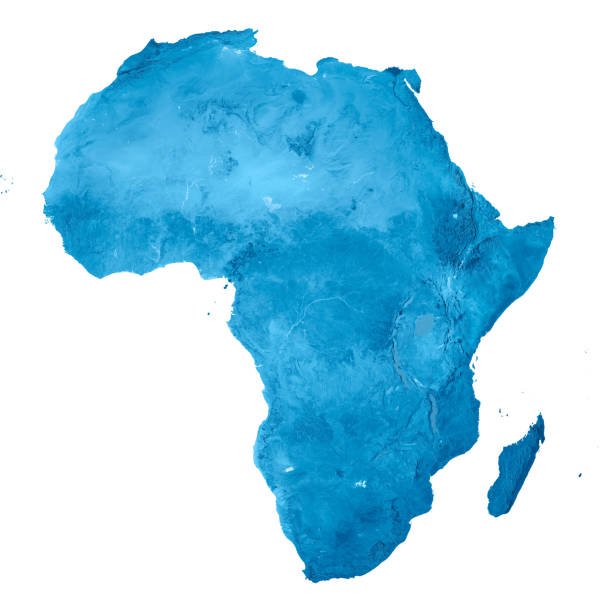
Yes, Africa unequivocally experienced the COVID-19 pandemic, just like every other continent across the globe. From its initial detection in early 2020, COVID-19 spread across all 54 African countries, prompting a continent-wide public health emergency. While initial global predictions often painted a dire picture for Africa, the continent demonstrated remarkable resilience and unique epidemiological patterns, though not without significant health, economic, and social repercussions. This comprehensive article delves into the reality of COVID-19 in Africa, examining its arrival, unique influencing factors, multifaceted impacts, and the continent's adaptive responses.
The Reality of COVID-19's Arrival in Africa
The first confirmed case of COVID-19 in Africa was reported in Egypt on February 14, 2020. Shortly thereafter, the virus rapidly spread, with most countries reporting cases within weeks. The continent faced the immediate challenge of preparedness with varying levels of healthcare infrastructure and resources. Organizations like the Africa Centres for Disease Control and Prevention (Africa CDC) and the World Health Organization (WHO) Africa played crucial roles in coordinating responses, providing guidance, and supporting surveillance efforts across member states.
Early on, there was significant global concern that Africa, with its large populations, often dense urban areas, and existing health challenges (such as HIV/AIDS, TB, and malaria), would be overwhelmed. However, contrary to many initial forecasts, Africa generally recorded lower infection and mortality rates compared to other continents. This is not to say that the impact was negligible or that data collection was without its challenges, but the widespread catastrophic predictions did not fully materialize in terms of direct epidemiological outcomes.
The virus manifested in waves, with different regions experiencing peaks at various times. South Africa, for instance, often led in reported cases and became an epicenter for tracking new variants due to its robust genomic sequencing capabilities. Understanding the COVID-19 statistics Africa presented required careful analysis, accounting for testing capacities, reporting mechanisms, and demographic specifics.
Factors Influencing COVID-19's Trajectory in Africa
Several unique factors have been proposed to explain the specific trajectory of COVID-19 in Africa. These factors highlight the complex interplay of demographics, environmental conditions, and socio-cultural dynamics.
Demographics and a Youthful Population
One of the most frequently cited factors is Africa's significantly younger population. The median age across the continent is considerably lower than in Europe, North America, or parts of Asia. Given that COVID-19 disproportionately affects older individuals and those with underlying comorbidities, a younger population might have contributed to lower rates of severe illness and mortality. Younger individuals are generally more likely to experience asymptomatic or mild infections, which could have also influenced reported case numbers.
Prior Exposure to Infectious Diseases
Some theories suggest that populations with frequent exposure to other infectious diseases, such as malaria, tuberculosis, or various endemic viruses, might possess a broader immune response that could offer some degree of cross-protection against SARS-CoV-2. While this remains a subject of ongoing scientific research and debate, it's a hypothesis considered by experts examining Africa's COVID experience.
Early Public Health Responses and Community Action
Many African governments acted swiftly, implementing stringent public health measures early in the pandemic. These included:
- Early Border Closures: Restricting international travel helped to slow the initial import and spread of the virus.
- Lockdowns and Curfews: Many countries implemented strict movement restrictions, often with community enforcement.
- Mask Mandates: Widespread adoption and enforcement of face mask wearing in public spaces.
- Aggressive Contact Tracing: Leveraging existing infrastructure for managing diseases like Ebola and HIV/AIDS, some countries swiftly implemented contact tracing protocols.
- Community Mobilization: Drawing on experiences from previous epidemics, communities were often engaged directly in public health campaigns, emphasizing hygiene and social distancing.
The leadership of institutions like the Africa CDC in providing continental coordination, along with strong local leadership, played a pivotal role in shaping these responses. These proactive measures were critical in delaying the spread and flattening initial curves.
Environmental and Climatic Factors
While not definitively proven, some research has explored the potential role of climate. The continent's generally warmer temperatures and higher humidity levels were speculated to potentially influence the transmission and viability of the virus, though this area requires further conclusive studies.
The Impact Beyond Health: Socio-Economic Repercussions
While Africa's direct health outcomes from COVID-19 were, in many ways, less catastrophic than initially feared, the socio-economic impacts were profound and far-reaching. The impact of COVID on African economies was severe, exacerbating existing vulnerabilities.
Economic Downturn and Livelihoods
- Reduced Trade and Tourism: Border closures and international travel restrictions devastated sectors reliant on global trade and tourism, leading to job losses and revenue declines.
- Supply Chain Disruptions: Global supply chain disruptions affected imports of essential goods, including medicines and food, leading to price volatility.
- Informal Sector Strain: A significant portion of Africa's workforce operates in the informal sector. Lockdowns and movement restrictions severely hampered daily earnings for millions, pushing many into poverty.
- Increased Debt Burden: Governments faced increased spending on health and social protection, often leading to higher national debt.
Many countries experienced their first recessions in decades, with significant reversals in poverty reduction efforts.
Education Disruption
School closures across the continent disrupted the education of millions of children. While some countries attempted to implement remote learning, the lack of access to electricity, internet connectivity, and digital devices for many students meant that learning gaps widened significantly, particularly for children in rural and marginalized communities. This disruption poses a long-term threat to human capital development.
Strain on Healthcare Systems
Despite lower severe case numbers, healthcare systems in Africa were still placed under immense strain. Resources were diverted to combat COVID-19, impacting routine health services. This led to:
- Disruption of Essential Services: Immunization campaigns, maternal and child health services, and treatment programs for diseases like HIV/AIDS, tuberculosis, and malaria faced interruptions.
- Shortages of Medical Supplies: A global scramble for PPE, oxygen, and other medical equipment highlighted Africa's dependence on imports and the vulnerability of its supply chains.
- Healthcare Worker Burnout: Frontline healthcare workers faced unprecedented challenges, risking their own health while dealing with resource limitations.
The pandemic underscored the urgent need for investment in strengthening public health infrastructure Africa-wide.
Vaccination Efforts and Challenges Across Africa
The rollout of COVID-19 vaccines presented a new set of challenges and opportunities for Africa. While global vaccine development was rapid, equitable access became a major concern.
Access and Distribution
Africa initially lagged significantly behind other continents in vaccine acquisition. Initiatives like COVAX Africa aimed to ensure equitable access, but supply remained limited for many months. Logistical challenges included:
- Cold Chain Requirements: Many early vaccines required ultra-cold storage, which was not readily available in all parts of the continent.
- Distribution Networks: Reaching remote populations required robust transportation and distribution networks.
- Funding for Rollout: Beyond vaccine procurement, funding was needed for operational costs like transportation, healthcare worker training, and public awareness campaigns.
Despite these hurdles, many African nations demonstrated remarkable efficiency in administering doses once they became available, often leveraging existing immunization programs.
Vaccine Hesitancy
Like other parts of the world, Africa also contended with vaccine hesitancy, fueled by misinformation, historical distrust, and religious beliefs. Targeted public awareness campaigns, community engagement, and transparent communication were crucial in building confidence and increasing uptake.
By late 2022 and into 2023, vaccination coverage increased substantially across the continent, though disparities between countries persisted. The experience highlighted the need for greater local vaccine manufacturing capacity to reduce reliance on external supplies and enhance global health security.
Lessons Learned and Africa's Resilience
The Africa pandemic response offers invaluable lessons for global health preparedness and future crises. The continent's ability to adapt, innovate, and leverage existing community structures was a testament to its resilience.
Key Takeaways Include:
- Strengthening Public Health Infrastructure: The pandemic underscored the critical importance of investing in robust surveillance systems, diagnostic capabilities, and laboratory networks at national and regional levels.
- Importance of Community Engagement: Effective communication and engagement with communities are vital for successful public health interventions, fostering trust and compliance.
- Local Manufacturing Capacity: The reliance on external supply chains for essential medical products highlighted the strategic imperative for Africa to develop its own pharmaceutical and vaccine manufacturing capabilities.
- Regional Collaboration: Institutions like the Africa CDC proved invaluable in coordinating a unified continental response, sharing data, and harmonizing strategies.
- Leveraging Digital Solutions: Many countries utilized mobile technology for contact tracing, data collection, and disseminating health information, showcasing the potential of digital health.
- Addressing Socio-Economic Vulnerabilities: Future pandemic responses must integrate strategies to mitigate economic shocks and protect vulnerable populations.
Africa's experience with COVID-19 demonstrates a profound capacity for collective action and innovation, providing a valuable case study in global health management.
Conclusion
To definitively answer the question, Did Africa get Covid? Yes, the continent was unequivocally affected by the COVID-19 pandemic, experiencing widespread transmission, significant health challenges, and profound socio-economic disruption. However, Africa's journey through the pandemic was characterized by unique factors, including a youthful population and proactive public health measures, which contributed to a different epidemiological trajectory than initially feared. Despite navigating severe economic downturns, educational setbacks, and strained healthcare systems, Africa demonstrated remarkable resilience, adaptability, and a strong commitment to collective action. The lessons learned from this period are crucial for strengthening health systems, fostering local innovation, and enhancing global preparedness for future health crises, highlighting the continent's pivotal role in the ongoing pursuit of global health security.
Enjoyed this read?
Share it with your friends and colleagues.