Did Africa Create Their Own Internet

BSC Insights Admin
October 08, 2026
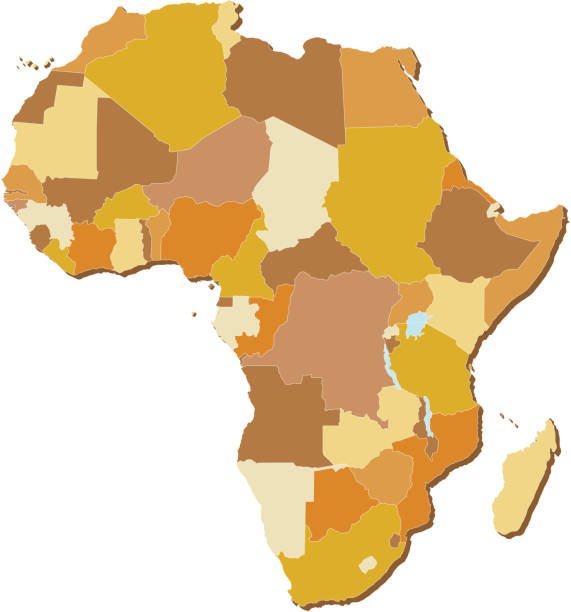
The internet, in its foundational global sense, was not created by a single continent, including Africa. Instead, the internet is a vast, interconnected network of computer networks spanning the entire globe. However, this does not diminish Africa's significant and rapidly growing role in building, operating, and innovating within its own internet infrastructure and digital ecosystem. Africa is actively constructing robust national and regional networks, fostering local content, and driving digital transformation across the continent.
Understanding Africa's relationship with the internet requires looking beyond its origins to its current development, ownership, and future trajectory. While the underlying protocols and core infrastructure are globally shared, the deployment, accessibility, and unique applications of the internet in Africa are distinct and rapidly evolving, driven by significant investment and local innovation.
The Global Foundation of the Internet
To address the question of whether Africa created its own internet, it's essential to first grasp the internet's global nature. The internet is a decentralized system of interconnected computer networks that uses the Internet Protocol (IP) suite to link devices worldwide. It originated from research in the United States in the late 1960s and early 1970s and has since evolved through collaborative efforts from institutions and companies across various continents.
No single country or continent “owns” the internet. It relies on a global web of submarine fiber optic cables, terrestrial networks, satellites, data centers, and Internet Exchange Points (IXPs) that collectively enable communication and data transfer. Africa, like all other continents, connects to and contributes to this global infrastructure.
Africa's Rapidly Expanding Internet Infrastructure
While the internet's core architecture is global, Africa has made monumental strides in developing its own robust infrastructure to connect its populations and economies. This development is crucial for improving internet connectivity in Africa and fostering African internet development.
Submarine Fiber Optic Cables: Africa's Connection to the World
The primary arteries connecting Africa to the global internet backbone are high-capacity submarine cables Africa. These undersea fiber optic cables encircle the continent, linking it to Europe, Asia, and the Americas. The landing of these cables has dramatically increased bandwidth, reduced latency, and lowered the cost of international internet access for African nations.
- Key Cables: Prominent examples include SEACOM, EASSy (Eastern Africa Submarine Cable System), WACS (West Africa Cable System), SAT-3/WASC, and ACE (Africa Coast to Europe). More recently, cables like 2Africa and Google's Equiano are further expanding capacity and resilience.
- Impact: Before these cables, many African countries relied on expensive and slow satellite connections for international traffic. The introduction of fiber optics has been a game-changer, fueling significant digital transformation Africa.
Terrestrial Fiber Optic Networks: Bridging the Digital Divide
Once international traffic lands on Africa's shores via submarine cables, it is distributed inland through extensive terrestrial fiber optic networks. Governments, national telecom operators, and private infrastructure providers are investing heavily in building these national and regional backbones. This is critical for connecting landlocked countries and extending internet access Africa beyond major coastal cities.
- National Initiatives: Many African countries have national broadband plans focused on expanding fiber reach to rural and underserved areas.
- Cross-Border Connectivity: Projects aimed at linking neighboring countries through fiber improve regional connectivity and foster economic integration.
Satellite Internet: Reaching Remote Areas
Despite the rapid expansion of fiber, large parts of Africa, particularly remote and sparsely populated regions, still rely on satellite internet. While typically more expensive and with higher latency than fiber, satellite technology provides essential connectivity where terrestrial infrastructure is not yet viable. Innovations in satellite technology, such as low Earth orbit (LEO) constellations, promise to make satellite internet faster and more affordable, further extending African internet development.
Building the African Internet Ecosystem: Localizing the Internet
Beyond simply connecting to the global internet, Africa is actively “localizing” the internet, making it more efficient, robust, and relevant for its users. This involves creating critical infrastructure components that keep local traffic local.
Internet Exchange Points (IXPs)
Internet Exchange Points (IXPs) Africa are vital facilities where different Internet Service Providers (ISPs), content providers, and enterprise networks can interconnect and exchange internet traffic locally. Before IXPs, local traffic (e.g., an email from one user in Nairobi to another in Nairobi) would often travel to Europe or North America and back, increasing latency and costs. By peering at an IXP, local traffic stays within the country, leading to:
- Reduced Costs: ISPs save on international transit costs.
- Improved Performance: Lower latency and faster access to local content.
- Enhanced Resilience: The internet becomes less reliant on international links.
- Fostering Local Content: Encourages the hosting and creation of content within Africa.
Organizations like the Africa Internet Exchange Association (AF-IX) and the Internet Society have championed the growth of IXPs across the continent. Countries like Kenya (KIXP), Nigeria (IXPN), and South Africa (JINX, CINX) have thriving IXPs that significantly contribute to their African internet development.
African Data Centers and Cloud Infrastructure
The proliferation of African data centers is another critical step in localizing the internet. These facilities house servers, storage systems, and networking equipment, bringing computing power and data closer to end-users. This supports:
- Data Residency: Addressing concerns about where data is stored and processed.
- Cloud Computing: Facilitating the growth of cloud services tailored for African businesses and users.
- Content Hosting: Enabling local content providers and global companies to host their services within Africa, leading to faster access for local users.
Major global cloud providers (e.g., Microsoft Azure, Amazon Web Services, Google Cloud) have established regions and points of presence in Africa, alongside growing numbers of local and regional data center operators, indicating a maturing digital infrastructure landscape.
Content Delivery Networks (CDNs)
Content Delivery Networks (CDNs) play a crucial role in bringing popular internet content (websites, videos, applications) closer to users by caching it on servers located geographically nearer to them. Many global CDNs have established points of presence (PoPs) in major African cities, further enhancing the user experience and contributing to the efficiency of the African internet ecosystem.
Ownership and Governance of Africa's Internet
The ownership and operation of Africa's internet infrastructure are diverse, involving a mix of private, public, and pan-African entities.
Private Sector Investment
The bulk of investment in submarine cables, terrestrial fiber, data centers, and mobile networks comes from private companies. This includes:
- Telecom Operators: MTN, Safaricom, Vodacom, Orange, Airtel, Maroc Telecom, and others are major players in building and operating mobile and fixed-line networks.
- Infrastructure Providers: Companies specializing in building and managing fiber networks (e.g., Liquid Intelligent Technologies, WIOCC) and data centers (e.g., Teraco, Africa Data Centres).
- Global Tech Giants: Companies like Google (Equiano cable), Facebook (2Africa cable), and major cloud providers (Microsoft, AWS) are making significant investments in African infrastructure.
Government Initiatives and Public-Private Partnerships
African governments play a critical role through policy, regulation, and direct investment:
- National Broadband Policies: Setting targets and frameworks for universal internet access.
- Universal Service Funds: Using levies on telecom operators to subsidize connectivity in underserved areas.
- Public-Private Partnerships (PPPs): Collaborating with the private sector to fund and deploy infrastructure, especially in areas deemed less commercially viable.
Pan-African Organizations
Several pan-African organizations are crucial for the self-governance and development of the internet on the continent:
- AFRINIC: The African Network Information Centre is one of the five Regional Internet Registries (RIRs) responsible for allocating and managing IP addresses and autonomous system numbers (ASNs) in Africa. This means that internet ownership Africa, in terms of its unique identifiers, is managed by an African entity.
- African Union (AU): The AU has strategic initiatives like the Agenda 2063, which emphasizes digital transformation and the development of a knowledge economy.
- AF-IX: As mentioned, this association promotes the establishment and growth of IXPs across Africa.
Challenges and Opportunities in African Internet Development
Despite remarkable progress, African internet development faces unique challenges and presents immense opportunities.
Key Challenges
- Affordability: While costs have fallen, internet access remains expensive for many Africans relative to income levels, hindering widespread adoption.
- Last-Mile Connectivity: Connecting users in remote and rural areas remains a significant hurdle due to geographical dispersion and lack of infrastructure.
- Power Infrastructure: Reliable and affordable electricity is essential for network infrastructure. Power outages and high energy costs can impede development.
- Digital Literacy: A significant portion of the population lacks the skills to effectively use the internet, creating a digital divide even where connectivity exists.
- Policy and Regulation: Inconsistent or restrictive regulatory environments can deter investment and slow innovation.
- Security Concerns: Cybersecurity threats pose risks to users and critical infrastructure.
Immense Opportunities
- Large Youth Population: Africa has the youngest population globally, driving demand for digital services, education, and entertainment.
- Mobile-First Continent: Mobile technology is the primary means of internet access for most Africans, leading to innovations in mobile applications and services.
- Growing Digital Economy: E-commerce, fintech, e-health, and e-learning are booming, creating new economic opportunities.
- Tech Innovation Hubs: Cities like Lagos, Nairobi, Cape Town, and Kigali are emerging as vibrant tech hubs, fostering local innovation and attracting investment.
- Increased Investment: Both local and international investors recognize Africa's potential, leading to continuous infrastructure development.
African Innovation and Digital Transformation
Africa is not just a consumer of global internet technologies; it is a significant innovator, adapting and creating solutions that address local challenges and opportunities. This demonstrates how Africa is shaping its own digital future, distinct from simply inheriting a global system.
Pioneering Mobile Money
Perhaps Africa's most globally recognized digital innovation is mobile money, exemplified by M-Pesa in Kenya. This service, which allows users to send, receive, and store money using basic mobile phones, has revolutionized financial inclusion and has been emulated worldwide. It's a testament to African tech innovation and the power of adapting technology to local contexts.
Local Tech Startups and Content
Across the continent, thousands of tech startups are developing innovative solutions in various sectors, from agriculture (agri-tech) and healthcare (health-tech) to education (ed-tech) and logistics. These companies are building platforms and services designed specifically for African markets, creating relevant local content and applications that drive further internet usage.
Digital Skills Development
Efforts to enhance digital skills development Africa are underway through various initiatives, including government programs, NGOs, and private sector training centers. These initiatives aim to empower the workforce with the necessary skills for the digital economy, bridging the existing digital literacy gap.
The Future of Internet in Africa
The trajectory of internet connectivity in Africa is one of continuous growth and transformation. Key trends shaping its future include:
- 5G Deployment: Many African countries are rolling out or planning 5G networks, promising faster speeds and lower latency, essential for advanced applications like IoT and smart cities.
- IoT (Internet of Things): The adoption of IoT devices in sectors like agriculture, logistics, and utilities is set to grow, leveraging existing and new network infrastructure.
- Further Infrastructure Expansion: Continued investment in submarine cables, terrestrial fiber, and satellite solutions will further enhance coverage and reduce costs.
- Cloud Adoption: The shift towards cloud computing will accelerate, driving demand for local data centers and specialized services.
- Policy Harmonization: Increased regional cooperation on policy and regulation will facilitate cross-border data flow and investment.
- Cybersecurity Focus: As the digital landscape expands, strengthening cybersecurity frameworks and capabilities will become even more critical.
| Metric | Early 2000s | Mid 2010s | Early 2020s |
|---|---|---|---|
| Internet Penetration Rate | <5% | ~25% | ~40-45% |
| Number of Internet Users | ~10-20 Million | ~300 Million | ~600 Million+ |
| Mobile Internet Adoption | Minimal | Significant | Dominant |
Note: Specific numbers vary by source and year but illustrate a consistent upward trend in internet access Africa.
Conclusion
In conclusion, while the internet's foundational technologies and global architecture were not solely created by Africa, the continent has become an increasingly vital and self-reliant player in the global digital landscape. Africa is not merely a recipient of internet technology; it is actively engaged in building, owning, and innovating within its segment of this global network. From investing in vast networks of submarine and terrestrial fiber optic cables to fostering a vibrant ecosystem of Internet Exchange Points and data centers, Africa is localizing its internet infrastructure. Furthermore, through unique innovations like mobile money and a burgeoning tech startup scene, African nations are shaping their digital future, creating relevant content and services for their populations. The ongoing commitment to expanding infrastructure, enhancing digital literacy, and fostering a supportive regulatory environment underscores Africa's profound and continuous contribution to its own internet development and the global digital transformation.
Enjoyed this read?
Share it with your friends and colleagues.