Did Africa Cut Ties With France

BSC Insights Admin
September 30, 2026
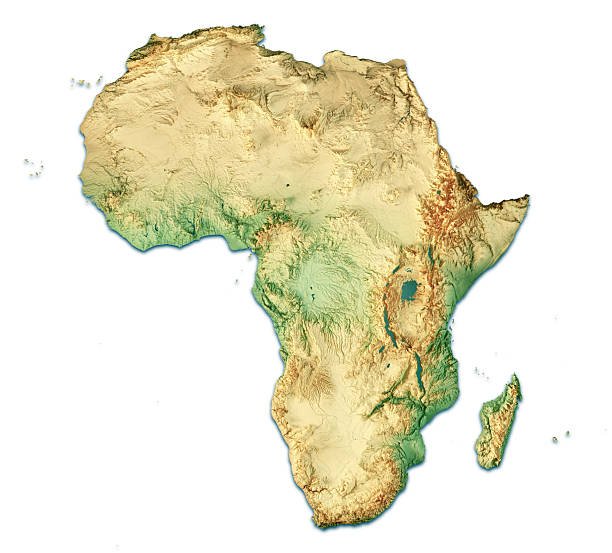
No, Africa has not entirely cut ties with France, but the relationship between many African nations and their former colonial power is undergoing a profound and complex transformation. This evolution is marked by shifting geopolitical landscapes, a fervent push for greater African sovereignty, and a reevaluation of historical legacies that have long defined their interactions.
The Evolving Landscape of Franco-African Relations
The relationship between the African continent and France is historically deep, rooted in centuries of colonial rule and post-independence dynamics. For decades, the concept of Francafrique characterized a complex web of political, economic, and military influence that France maintained over its former colonies. However, the 21st century has witnessed a significant shift, driven by a new generation of African leaders and citizens demanding greater autonomy and diversified international partnerships.
While a complete severing of ties across the entire continent is an oversimplification, there's an undeniable trend of certain African countries, particularly in the Sahel region, actively reducing or restructuring their engagements with France. This phenomenon is not monolithic; various nations approach their relationships with France differently, ranging from active decoupling to nuanced rebalancing of power dynamics.
Historical Context: Understanding the Deep Roots
To grasp the current state of Africa France relations, one must acknowledge the enduring impact of colonialism. French colonial rule, which spanned vast territories from West Africa to Central Africa, left an indelible mark on political systems, economic structures, educational institutions, and cultural identities. Even after independence in the 1960s, France often maintained a significant presence through:
- Economic Ties: Preferential trade agreements, control over key industries, and the controversial CFA Franc currency, which many critics view as a vestige of economic control.
- Military Presence: French military bases and intervention capabilities, often justified by security agreements but increasingly seen as an infringement on sovereignty.
- Political Influence: Informal networks and close relationships with ruling elites, allowing France to exert considerable leverage over domestic and foreign policy.
- Cultural Hegemony: The dominance of the French language and educational systems, fostering a cultural connection but also sparking debates about identity.
This historical framework is crucial for understanding the current pushback and the growing desire for true African sovereignty and self-determination.
Key Drivers Behind the Shifting Dynamics
Several interconnected factors are fueling the re-evaluation of Franco-African relations. These drivers reflect a continent asserting its agency on the global stage and seeking to redefine its partnerships based on mutual respect and benefit.
Growing Anti-French Sentiment and Demand for Sovereignty
Perhaps the most visible driver is the palpable rise of anti-French sentiment in Africa. This sentiment is particularly strong among younger generations who feel disconnected from the colonial past but deeply resent what they perceive as continued French interference or paternalism. Public demonstrations, often amplified by social media, regularly call for the withdrawal of French troops, the end of perceived neocolonial practices, and a complete redefinition of post-colonial ties.
This widespread demand for national sovereignty isn't merely symbolic; it translates into concrete policy decisions, such as the termination of military agreements and the exploration of new economic models independent of traditional French influence. Nations are increasingly prioritizing national interests over historical allegiances.
Economic Diversification and New Global Partnerships
African nations are actively pursuing economic diversification, moving beyond their historical reliance on France. The continent is attracting significant investment from new global players, including China, Russia, Turkey, the UAE, and various Asian economies. These new partnerships often come with fewer historical burdens and offer alternative models of development cooperation.
The debate around the CFA Franc future is a prime example of this economic re-evaluation. Critics argue that the currency, pegged to the Euro and backed by the French treasury, limits monetary policy independence and hinders economic growth. While reforms have been proposed, the long-term goal for many African economies is greater financial autonomy and integration into regional currency blocks, reducing the long-standing French economic influence.
Table: Shifting Economic Partnerships in Africa
| Traditional Partner | Emerging Partners | Impact on Franco-African Ties |
|---|---|---|
| France | China, Russia, Turkey, UAE, India, Brazil | Decreased reliance on French investment; increased competition for projects and trade deals. |
| EU (as a bloc) | BRICS nations, other developing economies | Diversification of export markets and import sources, reducing singular dependence. |
Reevaluation of Security Alliances and French Military Presence
For years, France has maintained a significant military presence in several African countries, ostensibly to combat terrorism and maintain regional stability. Operations like Operation Barkhane in the Sahel aimed to counter jihadist groups. However, the effectiveness of these interventions has been increasingly questioned, especially in light of persistent insecurity and the rise of extremist groups.
The public perception in many host nations is that French military presence has not delivered stability and, in some cases, exacerbates the problem or serves French interests rather than purely African ones. This has led to widespread calls for French military withdrawal from Africa, particularly prominent in countries like Mali, Burkina Faso, and Niger. These nations are now seeking to bolster their own defense capabilities and forge new security partnerships, notably with Russia, to address their security challenges.
Cultural and Linguistic Debates
Beyond politics and economics, there's also a growing debate about cultural identity and the role of the French language. While French remains an official language in many African countries and a medium for education and administration, there's a push to promote indigenous languages and explore linguistic diversification. The perceived dominance of French culture is being challenged by a renewed appreciation for African traditions and a desire for cultural exchange on more equitable terms.
Case Studies: Nations Leading the Shift
While the overall trend is toward rebalancing, specific countries have taken more decisive steps, often at the forefront of the perceived "cutting of ties."
The Sahel Region: Mali, Burkina Faso, and Niger
The most prominent examples of ruptured or severely strained Africa France relations come from the Sahel. Following a series of military coups in Mali, Burkina Faso, and Niger, the new governments have systematically distanced themselves from France.
- Mali France relations: After two coups in 2020 and 2021, Mali expelled the French ambassador, terminated defense agreements, and demanded the withdrawal of French troops, ending Operation Barkhane's presence. Bamako has since pivoted towards Russia for military support and training.
- Burkina Faso France: Similarly, Burkina Faso, which experienced coups in 2022, ordered France to withdraw its troops and terminated a military accord. Strong anti-French protests fueled these decisions, emphasizing sovereign control over security.
- Niger France relations: The 2023 coup in Niger saw the junta revoke military agreements with France and demand the departure of French forces and ambassador. This move ignited a diplomatic crisis and solidified the regional trend of diminishing French influence in the Sahel.
These actions, driven by a combination of public discontent over security failures and a strong nationalist agenda, represent the most overt instances of African nations actively seeking to sever specific ties with France.
Beyond the Sahel: Nuanced Shifts
While the Sahel nations represent the more extreme end of the spectrum, other countries maintain more nuanced relationships:
- Senegal: Remains an important partner for France but is also diversifying its economic and diplomatic ties. There's a growing internal debate about the legacy of French influence and the future of the CFA Franc.
- Ivory Coast: Historically one of France's closest allies, it continues to have strong economic and cultural links. However, even here, there's a gradual movement towards greater independence and new partnerships, albeit less overtly confrontational than in the Sahel.
- Gabon: Another former French colony with significant French business interests. The recent coup in Gabon in 2023 also led to questions about the future of its relationship with France, although the new military government has been less overtly anti-French than its Sahel counterparts so far.
These examples illustrate that the phenomenon is not a uniform "cutting of ties" across the continent but rather a complex, multi-speed process of redefinition, with some nations taking more radical steps than others.
The Future of Franco-African Engagements
The current dynamics suggest a future where Franco-African engagements will be fundamentally different. France, under President Emmanuel Macron, has acknowledged the need to reset relations, advocating for more balanced partnerships and an end to perceived paternalism. Macron's speeches and initiatives have attempted to address African grievances, but the historical weight and current geopolitical shifts present significant challenges.
The future is likely to be characterized by:
- Increased African Agency: African nations will continue to assert greater independence in their foreign policy, economic decisions, and security strategies.
- Diversified Partnerships: Expect to see an acceleration in Africa's engagement with a wider array of global actors, moving away from a singular focus on former colonial powers.
- Shift to Mutual Respect: Any enduring relationship with France will need to be built on principles of equality, mutual benefit, and non-interference, moving past the remnants of neocolonialism in Africa.
- Economic Competition: French businesses will face stiffer competition from other international players eager to invest in Africa's burgeoning markets.
It's less about a complete cessation of relations and more about a strategic recalibration. Africa is not severing all ties, but it is unequivocally reshaping them on its own terms.
Summary: A Continent Redefining Its Future
In conclusion, the assertion that Africa has cut ties with France is an oversimplification of a much more intricate and dynamic process. While several nations, particularly in the Sahel, have taken significant steps to reduce or end specific military and diplomatic engagements with France, the broader continent is engaged in a nuanced rebalancing of its international relationships. This shift is driven by a powerful desire for true sovereignty, economic diversification, a reevaluation of historical legacies, and the emergence of a more assertive African agency on the global stage. The era of unilateral influence is waning, making way for a future where Franco-African relations, if they are to thrive, must be founded on mutual respect, shared interests, and a recognition of Africa's growing power and independence.
Enjoyed this read?
Share it with your friends and colleagues.