Is Africa Dangerous Right Now

BSC Insights Admin
September 30, 2026
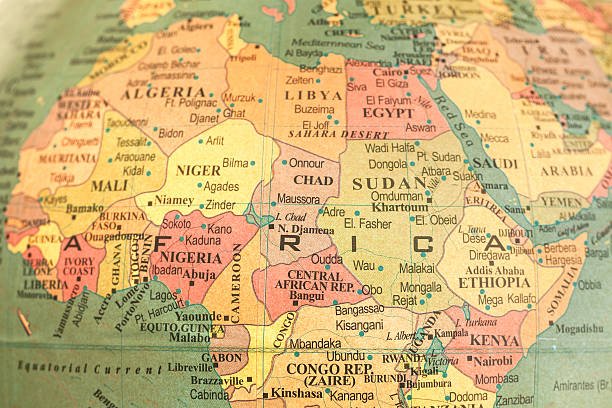
When asking "Is Africa dangerous right now?", the simple, direct answer is: no, not as a whole continent. Africa is a vast, incredibly diverse continent comprising 54 unique countries, each with its own political landscape, cultural nuances, economic conditions, and, consequently, its own safety profile. Generalizing the entire continent as dangerous is not only inaccurate but also overlooks the incredible opportunities for safe, enriching, and awe-inspiring travel experiences available across much of its breathtaking expanse.
Media portrayals often highlight isolated incidents of conflict or crisis, leading to a skewed perception of Africa travel safety. While certain regions or specific countries may indeed face challenges such as political instability, elevated crime rates, or health concerns, countless others are remarkably peaceful, welcoming, and well-equipped for tourism. Understanding the continent's immense diversity is the first step in assessing African security concerns and planning a secure trip.
Understanding Africa's Immense Diversity
Imagine comparing Canada and Mexico and applying the same safety assessment to both; it's a similar fallacy when considering Africa. From the ancient pyramids of Egypt to the vibrant markets of Morocco, the iconic wildlife reserves of East and Southern Africa, and the pristine beaches of Mauritius, the continent offers an unparalleled range of experiences. Therefore, the question should always be: "Is [specific country or region] in Africa dangerous right now?"
Geographic and Political Landscape
- North Africa: Countries like Morocco, Tunisia, and Egypt are popular tourist destinations with established infrastructure. While political shifts and isolated incidents can occur, major tourist areas are generally well-protected.
- East Africa: Home to world-renowned safaris in Kenya, Tanzania, and Rwanda. These countries heavily rely on tourism and prioritize visitor safety in designated travel zones.
- Southern Africa: Botswana, Namibia, Zambia, Zimbabwe, and parts of South Africa offer stunning natural beauty and well-developed tourism sectors. Crime can be an issue in urban centers of some countries, but rural and safari areas are generally very safe.
- West Africa: Countries like Ghana, Senegal, and Gambia are known for their rich culture and hospitality. While some areas face socioeconomic challenges, many destinations offer safe cultural immersion.
- Central Africa: Often less visited by international tourists due to political instability or less developed infrastructure, though exceptions exist.
Factors Influencing Safety and Security in Africa
When evaluating is it safe to travel to Africa, several factors come into play. A comprehensive understanding of these aspects allows for informed decision-making and preparedness.
Political Stability and Conflict Zones
Some areas in Africa do experience political unrest, internal conflicts, or cross-border insurgencies. Regions like parts of the Sahel (e.g., Mali, Burkina Faso, Niger), the eastern Democratic Republic of Congo, and isolated parts of the Horn of Africa have ongoing security challenges. It is crucial to check specific travel advisories Africa issued by your government before planning a trip to these areas. However, these zones represent a small fraction of the continent.
Crime Rates
As with any global destination, crime exists in Africa. Petty crime, such as pickpocketing or bag snatching, is more common in crowded urban areas, particularly in large cities. Violent crime, though less frequent, can occur. Tourists are often targets of opportunity. However, understanding local risks, taking sensible precautions, and avoiding displaying wealth can significantly mitigate these risks. For instance, while South Africa faces challenges with urban crime, millions of tourists visit safely each year, particularly in its many protected wildlife reserves and well-guarded tourist hotspots.
Health Risks
Health is a significant aspect of Africa safety tips. Risks include:
- Malaria: Prevalent in many tropical and subtropical regions. Prophylaxis, mosquito nets, and repellents are vital.
- Yellow Fever: Vaccination is required for entry into many African countries.
- Other Diseases: Cholera, typhoid, hepatitis, and HIV/AIDS are present. Practicing good hygiene, drinking bottled water, and being mindful of food choices are crucial.
- Medical Facilities: Quality varies significantly. Comprehensive travel insurance with medical evacuation coverage is highly recommended.
Wildlife Encounters
For those embarking on a safari, wildlife safety Africa is paramount. While incredible, wild animals are unpredictable. Reputable safari operators prioritize guest safety through experienced guides, strict rules, and well-maintained vehicles. Listen to your guide, maintain distance, and never approach wild animals on foot unless specifically instructed during a guided walk.
Natural Disasters and Environmental Concerns
Certain regions of Africa are susceptible to natural phenomena like droughts, floods, or cyclones, particularly during specific seasons. Staying informed about local weather patterns and conditions is part of a responsible Africa travel guide.
Safest Countries for Travelers in Africa
Many African nations boast excellent safety records and thriving tourism industries. Here are a few examples:
Botswana
Known for its stable democracy, low crime rates, and commitment to high-end, low-impact tourism. It's a premier destination for safaris in the Okavango Delta and Chobe National Park, offering incredible wildlife safety Africa experiences. Botswana consistently ranks among the safest countries in Africa.
Rwanda
A remarkable success story of recovery and stability. Rwanda is incredibly safe, with very low crime rates, and is famous for gorilla trekking in Volcanoes National Park. The country is meticulously clean and its people are warm and welcoming.
Mauritius
An island paradise in the Indian Ocean, Mauritius is renowned for its stunning beaches, luxurious resorts, and exceptionally low crime rate. It's a fantastic destination for relaxation and water sports, exemplifying safe and serene tourism in Africa.
Namibia
Offers vast, dramatic landscapes, including the Namib Desert, and excellent wildlife viewing opportunities. Namibia is generally very safe for self-drive tours and adventure travel, with good infrastructure and hospitable locals.
Ghana
Often cited as one of West Africa's most stable and peaceful nations. Ghana offers rich cultural experiences, historical sites like Cape Coast Castle, and vibrant markets. It's a welcoming country where tourists can feel secure exploring.
Morocco
A popular North African destination with a long history of tourism. Major cities like Marrakech, Fes, and Casablanca, along with the Sahara Desert tours, are generally safe for visitors, though petty theft can occur in crowded areas.
Other notable mentions include: Tanzania (for safaris and Kilimanjaro), Seychelles, Cape Verde, and parts of Kenya and Zambia.
Essential Africa Safety Tips for Travelers
Even in the safest destinations, preparedness is key. Here are actionable tips for safe travel:
| Category | Safety Tip |
|---|---|
| Research & Planning | Thoroughly research your specific destination, including local customs, political climate, and current travel advisories Africa. |
| Health | Consult a travel doctor well in advance for recommended vaccinations and malaria prophylaxis. Pack a comprehensive first-aid kit. |
| Documentation | Carry copies of your passport, visa, and important documents separate from the originals. Register your travel with your embassy or consulate. |
| Valuables | Avoid displaying expensive jewelry, cameras, or large sums of cash. Use hotel safes. |
| Awareness | Be aware of your surroundings, especially in crowded markets or public transport. Avoid walking alone at night, particularly in unfamiliar areas. |
| Transportation | Use reputable taxi services or ride-sharing apps. Avoid overcrowded public transport if it feels unsafe. Verify tour operators are licensed and insured. |
| Local Customs | Respect local traditions and dress codes. Learning a few basic phrases in the local language can greatly enhance your experience and safety. |
| Food & Water | Drink only bottled or purified water. Be cautious with street food; ensure it's freshly cooked and hot. |
| Insurance | Invest in comprehensive travel insurance that covers medical emergencies, evacuation, trip cancellations, and lost luggage. |
| Communication | Keep your phone charged and have local emergency numbers handy. Consider purchasing a local SIM card for easier communication. |
Dispelling Myths and Embracing the Real Africa
The narrative that "Is Africa Dangerous Right Now" is a continent-wide truth is a harmful myth. While challenges exist, as they do on every continent, they are often localized and manageable with proper precautions. Africa offers some of the most profound and unique travel experiences on Earth, from witnessing the Great Migration to exploring ancient civilizations, meeting diverse cultures, and enjoying pristine coastlines.
Millions of tourists visit African countries safely every year, contributing significantly to local economies and fostering cross-cultural understanding. The warmth and hospitality of the African people are legendary, and many communities rely heavily on responsible tourism.
Conclusion: Informed Travel to a Remarkable Continent
To conclude, the question "Is Africa dangerous right now" is fundamentally flawed. Africa is not a country but a vast and varied continent. While it is true that certain areas may present elevated risks due to political instability, conflict, or crime, the vast majority of popular tourist destinations are safe, welcoming, and offer unparalleled experiences. By conducting thorough research, adhering to Africa safety tips, and consulting official travel advisories Africa for your specific destination, you can confidently plan a secure and unforgettable adventure. Embrace the opportunity to explore its incredible diversity, rich cultures, and stunning natural wonders, knowing that with informed planning, safe travel Africa is not just possible, but highly rewarding.
Enjoyed this read?
Share it with your friends and colleagues.