Is Africa Democratic

BSC Insights Admin
October 09, 2026
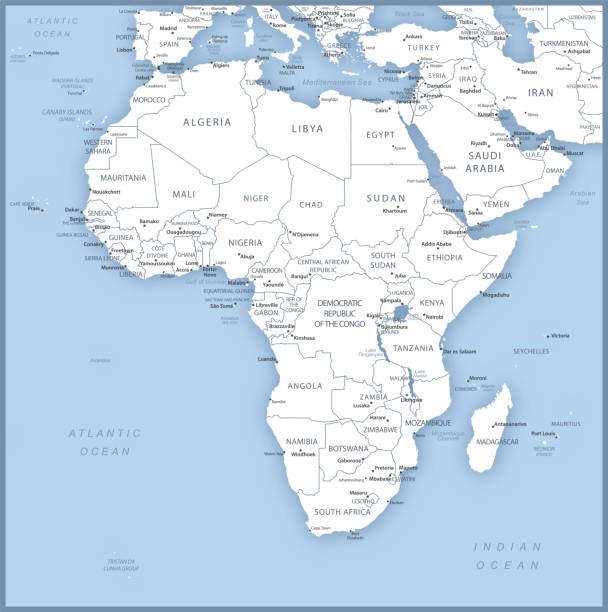
The question, Is Africa Democratic, elicits a highly nuanced and complex answer: no, Africa is not uniformly democratic, but rather a continent characterized by immense political diversity, featuring a dynamic interplay of democratic advancements, significant challenges, and persistent authoritarian tendencies. While many African nations have adopted multi-party systems and hold regular elections, the quality and consolidation of these democracies vary dramatically across the continent. Understanding this complexity requires a deep dive into historical context, institutional strengths, socio-economic factors, and the ongoing struggles for good governance.
The Diverse Political Landscape of Africa
Africa comprises 54 recognized countries, each with its unique political trajectory, cultural heritage, and socio-economic conditions. This inherent diversity means that any generalization about the continent's democratic status is inherently flawed. Some nations have made considerable strides towards democratic consolidation, while others grapple with fragility, civil unrest, and authoritarian reversals. The journey towards democracy in Africa is not linear but rather a series of advancements and setbacks, often influenced by internal and external pressures.
Many African states transitioned from one-party rule or military dictatorships to multi-party systems in the 1990s, often spurred by global shifts and popular demands. This period, often referred to as the 'third wave of democratization,' brought optimism and the promise of greater accountability and citizen participation. However, the subsequent decades have revealed the formidable challenges in embedding democratic norms and institutions deeply within society.
Waves of Democratization and Persistent Challenges
Africa's political history since independence can broadly be characterized by several waves. The initial post-colonial period often saw the rise of one-party states or military rule, justified by the need for national unity and development. The late 1980s and 1990s marked a significant shift, as many countries held their first multi-party elections, drafting new constitutions and embracing democratic rhetoric. This push for democracy in Africa was met with varying degrees of success.
Key Democratic Pillars and Their Erosion
For a political system to be truly democratic, it typically relies on several core pillars. In Africa, the strength of these pillars is often tested:
- Elections and Electoral Integrity: While most African countries hold regular elections, concerns over fairness, transparency, and the independence of electoral commissions are common. Voter intimidation, ballot stuffing, and manipulation of results undermine the legitimacy of these processes, turning them into mere rituals rather than genuine expressions of popular will.
- Constitutionalism and Rule of Law: Many African nations have robust constitutions on paper, guaranteeing rights and freedoms. However, the practical application of these laws is often weak. Executive overreach, judicial politicization, and selective enforcement of laws erode the principle of rule of law, making citizens vulnerable to arbitrary power.
- Civil Society and Media Freedom: A vibrant civil society and independent media are crucial for holding governments accountable. While many African countries boast active civil society organizations and a growing independent media landscape, these actors frequently face harassment, censorship, and restrictions on their operations, limiting their ability to scrutinize power.
- Separation of Powers: The theoretical separation of executive, legislative, and judicial powers is often compromised by the dominance of the executive branch. Parliaments may lack the independence and capacity to effectively legislate and oversee the executive, while judiciaries can be pressured or corrupted.
Major Obstacles to Democratic Consolidation in Africa
The journey to solidifying African democracy challenges many deeply entrenched issues. These obstacles prevent many nations from fully realizing their democratic aspirations:
Corruption and Weak Institutions
Corruption remains one of the most debilitating factors hindering democratic progress. It siphons off resources meant for public services, undermines trust in government, and distorts policy-making. Weak state institutions, often characterized by clientelism and patronage networks, struggle to provide basic services and uphold the rule of law, exacerbating disillusionment with democratic processes.
Economic Inequality and Poverty
High levels of economic inequality and widespread poverty often fuel political instability and make populations vulnerable to manipulation. When citizens are struggling for survival, the promise of immediate material gains can outweigh long-term democratic ideals. Furthermore, a small elite often captures state resources, creating a system where economic power translates directly into political influence, undermining equitable participation.
Ethnic and Regional Divisions
The colonial legacy of arbitrarily drawn borders often resulted in states comprising diverse ethnic and regional groups. While diversity can be a strength, it can also be exploited by political leaders who mobilize support along ethnic lines, leading to exclusionary politics, conflict, and a weakening of national cohesion. This can manifest in discriminatory policies, resource allocation imbalances, and even violence, all of which challenge the universality required for a strong democracy.
Security Threats and Conflict
In many parts of Africa, security threats such as terrorism, insurgencies, and organized crime pose significant challenges to democratic governance. Governments often invoke security concerns to justify repressive measures, restrict civil liberties, and postpone elections, thereby eroding democratic space. The Sahel region, the Horn of Africa, and parts of Central Africa are particularly affected by these security dilemmas, making stable political systems in Africa incredibly difficult to maintain.
Coups and Unconstitutional Changes of Government
Despite regional and international condemnation, Africa has witnessed a troubling resurgence of military coups and unconstitutional changes of government in recent years. Countries like Mali, Guinea, Burkina Faso, and Niger have experienced military takeovers, highlighting the fragility of nascent democratic institutions and the persistent allure of authoritarian solutions to complex problems. These events undermine years of democratic progress Africa has made.
Pockets of Success and Hope for Democratic Progress
Despite the challenges, it is crucial to acknowledge the significant strides made in many African countries towards strengthening democratic governance. Several nations stand out as examples of relative stability and commitment to democratic principles:
- Botswana: Often cited as a beacon of democracy in Africa, Botswana has a long history of multi-party elections, respect for the rule of law, and a robust economy built on prudent resource management and good governance.
- Ghana: Ghana has successfully conducted several peaceful transfers of power through credible elections, demonstrating a maturing democratic culture and strong institutional frameworks.
- Senegal: Known for its vibrant political pluralism and strong civil society, Senegal has largely maintained democratic stability, though recent political tensions highlight ongoing challenges.
- South Africa: Despite its complex socio-economic issues, South Africa's constitutional democracy, independent judiciary, and active civil society are cornerstones of its post-apartheid political system.
Furthermore, regional organizations like the African Union (AU) and the Economic Community of West African States (ECOWAS) play an increasingly important role in promoting democratic norms, condemning coups, and deploying election observers. These bodies, while facing their own limitations, are vital in shaping the continent's commitment to African governance.
The Role of Economic Development and External Influence
The relationship between economic development and democracy is complex. While economic growth can create a middle class that demands greater political freedoms, resource-rich nations sometimes fall prey to the 'resource curse,' where vast natural wealth fuels corruption and authoritarianism rather than democratic accountability. However, countries that focus on diversifying their economies, investing in human capital, and promoting good governance tend to see more sustained democratic progress Africa-wide.
External actors also play a significant role. Donor countries and international organizations often tie aid to democratic reforms, encouraging improvements in electoral processes and human rights. However, geopolitical rivalries and strategic interests can sometimes lead external powers to support authoritarian regimes, complicating the democratic landscape and strengthening tendencies towards authoritarianism in Africa.
Future Outlook for Democracy in Africa
The future of democracy in Africa is a dynamic and ongoing narrative. While the recent wave of coups is concerning, there are also powerful counter-narratives of vibrant youth activism, growing digital engagement, and persistent demands for accountability and good governance.
- Youth Engagement: Africa has the youngest population in the world. This demographic dividend represents a powerful force for change, as young people, often connected through social media, are increasingly demanding better governance, economic opportunities, and greater political participation. Their role in shaping future elections in Africa will be critical.
- Technological Impact: The proliferation of mobile phones and internet access has transformed communication and activism. Social media platforms enable citizens to organize, share information, and hold leaders accountable in ways that were previously impossible, bolstering civil society Africa.
- Sustained Reforms: Continued efforts to strengthen state institutions, promote judicial independence, combat corruption, and ensure credible electoral processes are essential for democratic consolidation.
Conclusion
In conclusion, the question, Is Africa Democratic, requires a multifaceted answer that acknowledges both significant democratic gains and formidable challenges. Africa is a continent of paradoxes, where democratic aspirations frequently clash with the realities of weak institutions, socio-economic inequalities, and persistent power struggles. While the path to full democratic consolidation remains arduous and uneven, the enduring resilience of African citizens, coupled with the increasing role of regional bodies and a vibrant civil society, offers hope for continued progress. Understanding Africa's political landscape means recognizing its rich diversity and the continuous, often challenging, journey towards more inclusive, accountable, and democratic governance across its many nations.
Enjoyed this read?
Share it with your friends and colleagues.