Is Africa Developed

BSC Insights Admin
October 01, 2026
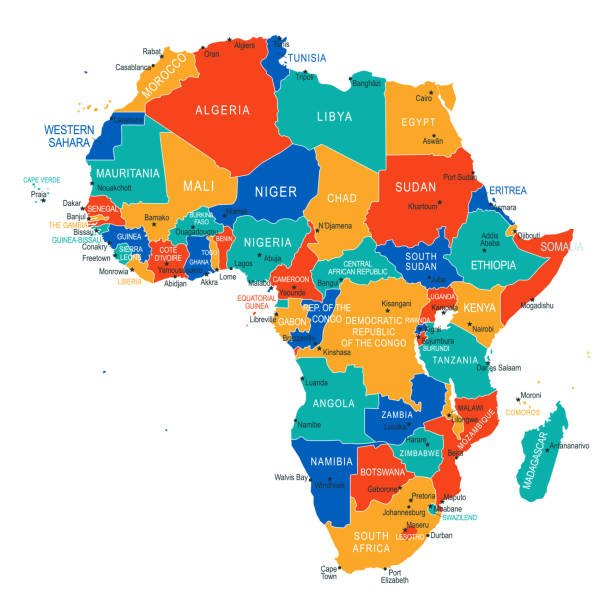
Is Africa Developed? Understanding a Continent of Diversity and Progress
The question, "Is Africa developed?" cannot be answered with a simple yes or no. Africa is a vast continent comprising 54 incredibly diverse nations, each with its unique economic, social, and political landscape. While many African countries continue to grapple with significant development challenges, numerous others have demonstrated remarkable progress, robust economic growth, and advancements in various sectors, challenging outdated stereotypes and showcasing a complex, dynamic reality.
To accurately assess Africa's development status, one must move beyond a monolithic view and consider a range of indicators, including economic stability, infrastructure, education, healthcare, and governance. The continent is characterized by a rich tapestry of developing economies, emerging markets, and nations striving for sustainable growth, making a singular label inadequate.
Defining Development: What Metrics Matter?
Before diving into Africa's specific context, it's crucial to understand what "development" entails. It's not solely about economic output but a holistic concept encompassing various aspects of human well-being and societal progress. Key indicators often include:
- Gross Domestic Product (GDP) and Income Per Capita: Measures of economic size and average wealth.
- Human Development Index (HDI): A composite statistic of life expectancy, education, and per capita income indicators.
- Infrastructure: Access to reliable electricity, clean water, sanitation, transportation networks (roads, ports, airports), and digital connectivity.
- Education: Literacy rates, school enrollment (primary, secondary, tertiary), and quality of education.
- Healthcare: Life expectancy, infant mortality rates, access to medical facilities, and disease prevalence.
- Governance and Stability: Political stability, rule of law, control of corruption, and human rights.
- Poverty Reduction: The percentage of the population living below the international poverty line.
Judging Africa's progress requires examining these metrics across its diverse regions and nations.
Africa's Unmistakable Progress: A Continent on the Rise
Contrary to persistent misconceptions, many parts of Africa have experienced significant positive transformations, contributing to an evolving narrative of growth and opportunity.
Economic Growth and Emerging Markets
Over the past two decades, several African economies have recorded impressive economic growth rates, often surpassing global averages. This growth has been driven by a combination of factors:
- Resource Endowment: Many nations benefit from abundant natural resources like oil, gas, minerals, and agricultural land, which have attracted significant foreign direct investment.
- Diversification Efforts: Beyond traditional commodities, countries are increasingly investing in manufacturing, services, and technology sectors, reducing reliance on single exports.
- Growing Consumer Markets: A burgeoning middle class in many urban centers is fueling domestic demand and creating vibrant consumer economies.
- Improved Macroeconomic Management: Better fiscal policies, reduced debt, and efforts to create a more attractive business environment have contributed to stability.
Nations like Ethiopia, Rwanda, Ghana, and Côte d'Ivoire have frequently been cited for their sustained high GDP growth, making them compelling examples of African economic development.
Technological Advancements and Digital Transformation
Africa has rapidly embraced digital transformation, leapfrogging traditional development stages in many areas. Technological advancements in Africa are particularly evident in:
- Mobile Banking and FinTech: Platforms like M-Pesa in Kenya have revolutionized financial services, providing access to millions who were previously unbanked. Africa leads the world in mobile money adoption.
- Internet Penetration: While still lower than global averages, internet access is expanding rapidly, driving e-commerce, digital education, and telecommuting.
- Innovation Hubs: Cities like Lagos, Nairobi, Cape Town, and Kigali are emerging as vibrant tech hubs, fostering startups and attracting investment in local solutions.
These innovations are not just economic drivers but also powerful tools for social inclusion and improving service delivery.
Infrastructure Development
Massive investments in infrastructure are changing the landscape of the continent. Infrastructure development in Africa includes:
- Transportation Networks: Construction of new roads, railways (e.g., standard gauge railway in East Africa), modernized ports, and expanded airports are improving connectivity and trade.
- Energy Projects: Significant investments in power generation, including renewable energy sources like solar and wind, are addressing historical energy deficits.
- Urbanization: Rapid growth of modern cities with new housing, commercial centers, and public amenities.
While challenges remain, the pace of infrastructure development is a clear indicator of a continent building for the future.
Social Indicators and Human Capital
Improvements in social indicators are also noteworthy:
- Health Outcomes: Life expectancy has increased across the continent, while child and maternal mortality rates have declined in many countries due to better healthcare access and public health campaigns.
- Education Access: Primary school enrollment rates have risen significantly, and efforts are underway to improve secondary and tertiary education, fostering a more skilled workforce.
- Poverty Reduction: While a significant challenge, extreme poverty rates have declined in several nations, lifting millions out of destitution.
These gains underscore a commitment to improving human development in Africa.
Persistent Challenges: The Road Ahead
Despite significant strides, Africa still faces considerable hurdles that impact its overall development trajectory. Acknowledging these challenges is crucial for a balanced understanding of Africa's development challenges.
Poverty and Inequality
Even with economic growth, high levels of poverty and income inequality persist in many regions. Wealth distribution remains uneven, and a large portion of the population continues to live in precarious conditions, particularly in rural areas.
Governance and Political Instability
Issues such as political instability, conflict in certain regions, corruption, and weak governance structures hinder development progress. These factors deter investment, disrupt social services, and undermine the rule of law.
Infrastructure Gaps and Energy Deficits
While improving, significant gaps remain in critical infrastructure, especially in rural areas. Access to reliable electricity, clean water, and adequate sanitation facilities is still a challenge for millions, impacting health, education, and economic productivity.
Climate Change Vulnerability
Many African countries are highly vulnerable to the impacts of climate change, including droughts, floods, and desertification. These events severely affect agriculture, food security, and livelihoods, posing a substantial threat to sustainable development.
Healthcare and Education Disparities
Despite overall improvements, disparities in healthcare and education access and quality between urban and rural areas, and among different socioeconomic groups, remain pronounced. Brain drain also affects the retention of skilled professionals.
Dependence on Commodities
Many African economies are still heavily reliant on the export of raw commodities, making them vulnerable to global price fluctuations. This dependence can hinder industrialization and economic diversification.
Diverse Realities Across the Continent
It is vital to recognize that "Africa" is not a single country or a homogenous entity. The development status varies dramatically from one nation to another, and even within countries.
For instance, countries like South Africa, Egypt, Morocco, and Kenya boast relatively advanced infrastructure, diversified economies, and significant industrial bases. These nations often have established institutions, robust private sectors, and a higher standard of living for a substantial portion of their population, aligning more closely with characteristics of emerging or even developed nations in some aspects.
Conversely, some landlocked nations or those recovering from conflict face more profound challenges in poverty reduction, institutional capacity building, and basic service delivery. The vast differences highlight why any broad generalization about Africa's development is inaccurate.
Consider the varying Human Development Index (HDI) scores across the continent:
| Region/Country Example | Typical Development Characteristics |
|---|---|
| North Africa (e.g., Egypt, Morocco) | Higher HDI, strong tourism, industrial base, historical ties to Europe/Middle East. |
| Southern Africa (e.g., South Africa) | Most industrialized, significant infrastructure, strong financial sector, but high inequality. |
| East Africa (e.g., Kenya, Ethiopia, Rwanda) | Rapid economic growth, tech innovation (FinTech), improving social indicators, tourism. |
| West Africa (e.g., Nigeria, Ghana, Côte d'Ivoire) | Large economies (Nigeria), resource-rich, growing services, trade hubs. |
| Central Africa (e.g., DR Congo) | Rich in resources but often hampered by conflict, governance issues, and lower HDI. |
This regional overview underscores the mosaic of development trajectories.
Key Drivers of Future Development and Opportunities
Looking ahead, several factors are poised to accelerate sustainable development in Africa and reshape its global standing:
- Youth Dividend: Africa has the world's youngest population. Investing in education, skills training, and job creation for this demographic is critical for future economic growth and innovation.
- Digital Transformation: The continued expansion of digital infrastructure and services will unlock new economic opportunities, enhance public service delivery, and foster greater connectivity.
- Intra-African Trade: The African Continental Free Trade Area (AfCFTA) represents a monumental opportunity to boost regional trade, industrialization, and value chain development, reducing reliance on external markets.
- Renewable Energy Potential: Africa has vast untapped potential for solar, wind, and geothermal energy, offering a pathway to sustainable power generation and green industrialization.
- Urbanization: Managed urbanization can drive economic growth through agglomeration effects, innovation, and improved infrastructure, provided it is planned sustainably.
- Increased Investment: Growing interest from both local and international investors, coupled with private sector growth, is injecting capital and expertise into various sectors.
These drivers suggest a future where Africa's potential is increasingly realized.
The Verdict: A Continent in Dynamic Transition
So, is Africa developed? The most accurate answer is that Africa is a continent in dynamic transition, with many of its nations actively developing at varying paces. While it is not "developed" in the same vein as Western Europe or North America, it is certainly not uniformly underdeveloped either.
The narrative of a "developing" Africa is far more nuanced, acknowledging both remarkable achievements and ongoing struggles. Significant progress has been made in economic growth, technological adoption, infrastructure, and social indicators. Yet, persistent challenges like poverty, inequality, and governance issues require sustained attention and concerted efforts.
Ultimately, Africa is a continent of immense promise, resilience, and diversity, forging its own path to development. Understanding its complex realities, celebrating its successes, and addressing its challenges with targeted, context-specific solutions are essential to appreciating the true picture of Africa's future development.
Enjoyed this read?
Share it with your friends and colleagues.