Does Africa Drive On The Left Or Right

BSC Insights Admin
September 30, 2026
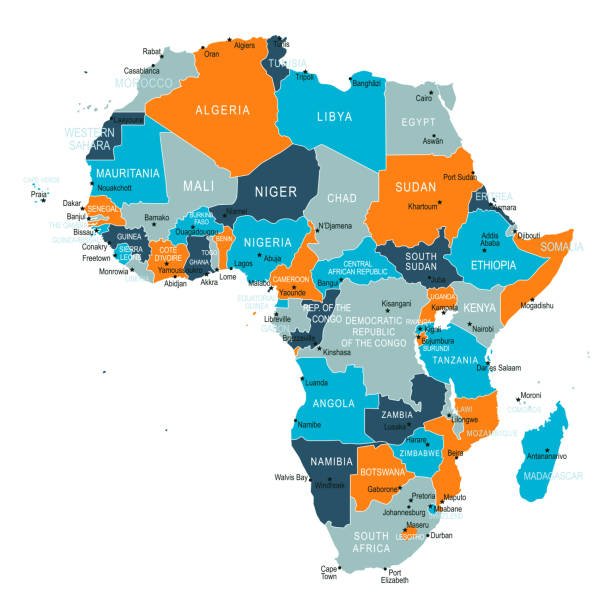
The question, "Does Africa drive on the left or right?", doesn't have a single, universal answer. Instead, Africa is a continent of diverse driving rules, with countries adopting both left-hand traffic (LHT) and right-hand traffic (RHT) systems. This fascinating split is primarily a legacy of colonial history, combined with regional economic and practical considerations that have influenced subsequent decisions.
While many may assume a continent-wide standard, the reality is a rich tapestry of driving conventions, demanding awareness from travelers and drivers. Understanding which side of the road countries drive on is crucial for anyone planning to navigate Africa's vast and varied road networks, ensuring safety and compliance with local regulations.
Africa's Driving Divide: A Continental Mix
Africa's driving landscape is a direct reflection of its historical ties, with the majority of countries falling into one of two categories based on their colonial past. This leads to a distinct geographical distribution of left-hand traffic Africa and right-hand traffic Africa countries.
Countries That Drive on the Left
The prevalence of left-hand traffic (LHT) in Africa is largely attributed to the enduring influence of the British Empire. Nations that were once British colonies or mandates often adopted and maintained the British system of driving on the left. This means that vehicles in these countries are typically right-hand drive (RHD), with the steering wheel on the right side of the car.
Prominent examples of African countries where you will drive on the left include:
- South Africa: Perhaps the most well-known LHT country in Africa, with a highly developed road network.
- Kenya: A major East African nation where traffic keeps to the left.
- Tanzania: Neighboring Kenya, also an LHT country.
- Uganda: Another East African country following the left-hand rule.
- Zambia: Located in Southern Africa, it drives on the left.
- Zimbabwe: Sharing borders with South Africa and Zambia, it also adheres to LHT.
- Botswana: A landlocked country in Southern Africa, driving on the left.
- Namibia: Formerly a German colony, but influenced by South Africa, it drives on the left.
- Malawi: A small landlocked country in Southeast Africa with LHT.
- Mauritius: An island nation in the Indian Ocean, driving on the left.
- Seychelles: Another Indian Ocean island nation, also with LHT.
- Mozambique: Despite Portuguese colonial history, it adopted LHT due to neighbors like South Africa and Zimbabwe.
- Lesotho and Eswatini (Swaziland): Enclaved or bordered by South Africa, these countries also drive on the left.
These nations largely form a contiguous block in Southern and Eastern Africa, making cross-border travel relatively straightforward in terms of driving side, though other traffic laws and road conditions will vary significantly.
Countries That Drive on the Right
Conversely, the majority of African countries, particularly those with strong historical ties to France, Portugal, Belgium, or Germany, operate under right-hand traffic (RHT) rules. This means vehicles in these nations are typically left-hand drive (LHD), with the steering wheel on the left side of the car. Many countries also switched to RHT to align with neighboring RHT nations, even if their colonial past suggested otherwise.
Some of the most significant African countries where you will drive on the right include:
- Egypt: A major North African country, driving on the right.
- Morocco: In North Africa, it follows RHT.
- Algeria: Another North African nation with right-hand traffic.
- Tunisia: Located in North Africa, it also drives on the right.
- Nigeria: The most populous country in Africa, it drives on the right despite being a former British colony (it switched in 1972).
- Ghana: Another former British colony that switched to RHT in 1974.
- Senegal: A prominent West African country with RHT.
- Côte d'Ivoire (Ivory Coast): Also in West Africa, following RHT.
- Cameroon: A Central African nation driving on the right.
- Democratic Republic of Congo (DRC): One of the largest countries in Africa, it drives on the right.
- Angola: A former Portuguese colony, driving on the right.
- Ethiopia: An East African nation with a unique history, it drives on the right.
- Sudan: Also in North-East Africa, it drives on the right.
- Libya: A North African country, driving on the right.
The vast expanse of West, Central, and North Africa largely adheres to the RHT system. This means that travelers moving through these regions will encounter consistent driving rules regarding which side of the road to use, though road quality and enforcement can differ greatly.
The Historical Roots of Africa's Driving Rules
The current mosaic of driving rules across Africa is not random but deeply entrenched in history and geopolitical shifts. Understanding these historical roots provides crucial context to the question, "Does Africa drive on the left or right?".
The Legacy of British Colonialism
The primary reason for left-hand traffic in Africa stems from the era of European colonization, particularly the influence of the British Empire. Britain historically drove on the left, a practice dating back to feudal times when knights preferred to keep to the left, keeping their sword arm free to joust with oncoming riders. As the British Empire expanded, so did this custom. Countries that were part of the British Commonwealth or were administered by Britain during colonial times typically adopted British traffic laws.
This includes nations like South Africa, Kenya, Tanzania, Zimbabwe, and others predominantly located in Southern and East Africa. These countries not only adopted the driving side but also often inherited the associated infrastructure, vehicle standards (right-hand drive vehicles), and legal frameworks. The decision to retain LHT after independence was often a matter of continuity, established infrastructure, and alignment with regional neighbors who also drove on the left.
European Continental Influence
In contrast, countries colonized by other major European powers—France, Portugal, Belgium, and Germany—generally adopted right-hand traffic. Most of continental Europe (with some exceptions like Ireland) transitioned to RHT, largely influenced by Napoleon's conquests in the 18th and 19th centuries, which propagated the French custom of driving on the right.
Thus, former French colonies like Morocco, Algeria, Tunisia, Senegal, and Côte d'Ivoire, along with former Belgian colonies such as the Democratic Republic of Congo, and former Portuguese territories like Angola and Mozambique (though Mozambique later switched to LHT due to neighbors), primarily drive on the right. This widespread adoption of RHT in these regions means that a significant portion of West, North, and Central Africa conforms to the right-hand rule.
The Role of Bordering Countries and Economic Ties
Beyond direct colonial legacies, some African nations have made pragmatic decisions to switch their driving side to align with their neighbors, particularly for economic and logistical reasons. The most notable examples are Nigeria and Ghana, both former British colonies that originally drove on the left. However, due to their geographical proximity and increasing trade with predominantly French-speaking RHT countries in West Africa, both nations made the significant and costly switch to driving on the right in 1972 and 1974, respectively.
This illustrates the powerful influence of regional integration and cross-border traffic. Driving on different sides of the road at international borders can create significant bottlenecks, safety hazards, and logistical challenges for freight and passenger transport. The desire for smoother transitions at border crossings and better integration into regional economic blocs has sometimes overridden historical traditions, making the answer to "Does Africa drive on the left or right?" even more complex.
Navigating Africa's Roads: What Drivers Need to Know
For anyone planning to drive or simply travel across Africa, understanding the driving rules in Africa is paramount. The mix of LHT and RHT countries presents unique challenges and considerations for both locals and international visitors. This section offers practical advice on what to expect and how to prepare.
Vehicle Requirements and Imports
The side of the road a country drives on directly impacts vehicle design, specifically the position of the steering wheel. Countries with left-hand traffic (LHT) require right-hand drive (RHD) vehicles, while those with right-hand traffic (RHT) use left-hand drive (LHD) vehicles. This becomes a critical factor for vehicle imports, rentals, and cross-border travel.
- Driving a personal vehicle across borders: If you're undertaking a long overland journey, you might find yourself crossing from an LHT country to an RHT country. While generally permitted, driving a vehicle designed for one system in the other can be challenging and less safe, particularly for overtaking and judging distances. Some countries may have restrictions or require specific permits for vehicles with the "wrong" steering wheel position.
- Vehicle Imports: Many African countries have strict regulations regarding the import of vehicles with a steering wheel on the "incorrect" side for their traffic system. For instance, importing an LHD vehicle into South Africa (LHT) is generally restricted to diplomatic personnel or for special purposes, and vice-versa. This is a crucial consideration for expats or long-term residents.
- Rental Cars: When renting a car in Africa, ensure you are provided with a vehicle appropriate for the local driving side. Rental companies will naturally provide the correct type, but it’s an important mental note for drivers unfamiliar with the local system.
Road Safety and Awareness
Regardless of whether a country drives on the left or right, road safety in Africa requires extra vigilance. Changing driving sides can be disorienting, and coupled with varying road conditions, signage, and driving cultures, it demands heightened awareness.
- Mental Adjustment: For drivers accustomed to one system, switching to the other requires constant mental recalibration. Remember to always think: "Keep to the left" or "Keep to the right." This applies not just to driving, but also to pedestrian behavior (looking the correct way when crossing roads).
- Intersections and Roundabouts: These are particularly challenging. In LHT countries, traffic approaches from the right on roundabouts. In RHT countries, traffic approaches from the left. Always yield to traffic already in the roundabout from the appropriate side.
- Overtaking: Overtaking maneuvers become significantly different depending on the steering wheel position relative to the driving side. If you're in an RHD car in an RHT country, overtaking can be very dangerous as visibility of oncoming traffic is severely limited.
- Road Conditions: Many African roads, especially outside major cities, can be poorly maintained, unlit, or prone to hazards like potholes, roaming livestock, and pedestrians. Defensive driving is always recommended.
- Local Driving Culture: Be aware that horn usage, signaling, and adherence to traffic laws can vary widely. Expect the unexpected and drive cautiously.
Public Transport Considerations
Even if you're not driving yourself, the driving side affects public transport. Buses and taxis will operate according to the local traffic rules. Passengers will typically board and alight from the curb side, which will be the left side in LHT countries and the right side in RHT countries. This also impacts the flow of pedestrian traffic at bus stops and public transport hubs.
Future Outlook: Is Unification on the Horizon?
Given the complexities and occasional inconveniences caused by the diverse driving systems, one might wonder if Africa is moving towards a unified driving standard. The reality is that a continental switch for either left-hand traffic or right-hand traffic is highly improbable in the foreseeable future, and for very practical reasons.
The cost of converting an entire country from one driving side to another is astronomical. It involves not just changing road signs and markings, but also redesigning intersections, traffic lights, and public transport infrastructure. Furthermore, it would require a massive public awareness campaign and would render a significant portion of the existing vehicle fleet (e.g., LHD vehicles in a newly LHT country) less safe or obsolete, causing immense economic disruption.
While regional efforts may continue to see some countries align with their neighbors, a continent-wide conversion is not a realistic prospect. Instead, the focus will likely remain on:
- Regional Harmonization: Countries within existing economic blocs (e.g., ECOWAS in West Africa, SADC in Southern Africa) will likely continue to encourage their members to maintain consistent driving rules to facilitate trade and movement of people.
- Improved Border Infrastructure: Rather than switching sides, investment in smarter border crossings that can safely manage the transition between LHT and RHT zones (where they exist) is more likely.
- Driver Education: For international travelers and freight drivers, education and clear signage will remain crucial to navigate the existing diverse driving landscape safely.
The continent's historical legacy is too deeply embedded in its infrastructure and social norms for a wholesale change to occur. Therefore, the question of "Does Africa drive on the left or right?" will continue to yield a mixed answer for decades to come.
Summary: A Continent of Dual Driving Standards
In conclusion, when asking "Does Africa drive on the left or right?", the definitive answer is that Africa employs both left-hand and right-hand traffic systems, making it a continent of diverse driving standards. This unique split is predominantly a direct result of colonial heritage, with former British territories largely adhering to left-hand traffic and areas influenced by other European powers (such as France, Portugal, Belgium, and Germany) primarily adopting right-hand traffic. Furthermore, pragmatic decisions by some nations to align with their neighbors for economic and logistical benefits have added to this complex mosaic.
For drivers and travelers, understanding which side of the road to drive on is crucial for safety and legal compliance. While a continental unification of driving rules remains a distant and economically unfeasible prospect, awareness of these regional differences and adherence to local traffic laws are paramount for navigating Africa's fascinating and varied road networks successfully.
Enjoyed this read?
Share it with your friends and colleagues.