Is Africa Dry Or Humid

BSC Insights Admin
September 30, 2026
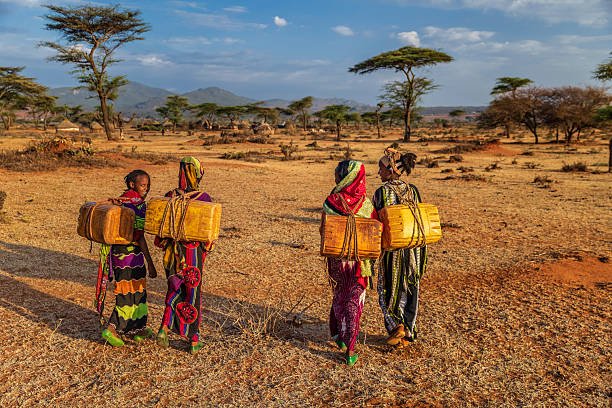
Africa's climate is far from uniform, meaning it is neither exclusively dry nor entirely humid. Instead, the continent boasts an extraordinary range of climates, from some of the driest deserts on Earth to dense, perpetually humid rainforests, alongside vast savannas and temperate zones. Understanding whether Africa is dry or humid requires appreciating its immense size and geographical diversity, which results in a mosaic of distinct climate zones, each with its own characteristic rainfall and temperature patterns.
Africa's Diverse Climate Zones
Africa spans both hemispheres, stretching across the equator, which fundamentally influences its climate. The continent's vastness ensures a wide array of ecosystems and weather conditions. From north to south, and east to west, the African climate zones shift dramatically, dictating local humidity levels and rainfall. This makes the question "Is Africa dry or humid?" complex, as the answer depends entirely on the specific region being discussed.
Equatorial/Tropical Rainforest Climate
Regions near the equator, such as the Congo Basin and parts of West Africa, experience a tropical rainforest climate. These areas are characterized by high temperatures and significant rainfall throughout the year, leading to consistently humid regions of Africa. The humidity often remains above 80%, and annual rainfall can exceed 2,000 mm. This abundant moisture supports dense vegetation and rich biodiversity.
Tropical Savanna Climate
Flanking the rainforests are the expansive savanna zones, prevalent across East, Central, and Southern Africa. This tropical savanna climate is defined by distinct wet and dry seasons. The wet season brings considerable rainfall, supporting lush grasslands and wildlife, while the dry season can be prolonged and quite arid, leading to lower humidity. This cyclical pattern is a key characteristic of much of the continent's interior.
Desert Climate
Africa is home to the world's largest hot desert, the Sahara, in the north, and the Kalahari and Namib deserts in the south. These dry regions of Africa receive extremely low and infrequent rainfall, often less than 100 mm annually. Temperatures can fluctuate wildly between day and night, and humidity levels are consistently very low. Life in these areas is adapted to extreme aridity.
Semi-Arid/Steppe Climate
Between the deserts and the savannas lie the semi-arid or steppe regions, like the Sahel band south of the Sahara. These zones are transition areas, receiving more rainfall than deserts but less than savannas. Rainfall is typically erratic and seasonal, making these areas vulnerable to drought and desertification. While not as bone-dry as deserts, they are generally considered dry to moderately dry.
Mediterranean Climate
The northernmost and southernmost tips of Africa experience a Mediterranean climate. This includes areas like the Maghreb region (Morocco, Algeria, Tunisia) and the Western Cape of South Africa. Characterized by hot, dry summers and mild, wet winters, these areas offer a stark contrast to the tropical and desert climates. While summers are dry, the winters bring sufficient moisture to support agriculture and unique ecosystems.
Highland Climate
Mountainous regions, such as the Ethiopian Highlands and parts of East Africa's Great Rift Valley, have highland climates that vary significantly with altitude. Higher elevations tend to be cooler and can receive more rainfall, creating pockets of relative humidity even within generally drier regions. The microclimates found in these areas support unique flora and fauna.
Factors Influencing Africa's Climate
Several geographical and meteorological factors contribute to the complex distribution of African rainfall patterns and humidity levels:
- Latitude: Africa's position across the equator ensures high solar radiation and drives the Intertropical Convergence Zone (ITCZ), a band of low pressure and intense rainfall that shifts seasonally, bringing wet seasons to different parts of the continent.
- Ocean Currents: The warm Agulhas Current along the southeastern coast brings moisture, while the cold Benguela Current along the southwestern coast contributes to the aridity of the Namib Desert by stabilizing the atmosphere and preventing rainfall.
- Topography and Altitude: Mountain ranges create rain shadows, where one side receives abundant rain (humid) and the other remains dry. For instance, the Atlas Mountains affect rainfall in North Africa, and the Eastern Highlands of Madagascar trap moisture, making the eastern side humid and the western side drier.
- Prevailing Winds and Monsoons: Seasonal wind patterns, particularly the West African Monsoon, are crucial for bringing moisture from the Atlantic Ocean inland, influencing the wet seasons across much of West and Central Africa.
- Vegetation Cover: Large rainforests, like those in the Congo Basin, generate much of their own rainfall through evapotranspiration, creating a highly humid environment that recycles moisture within the ecosystem. Deforestation can impact this delicate balance.
Key Dry Regions in Africa
When considering "Is Africa dry or humid?", the prevalence of extensive dry areas is undeniable. These regions pose significant challenges for water management and agriculture.
The Sahara Desert
Covering over 9 million square kilometers, the Sahara is the world's largest hot desert, dominating North Africa. It is characterized by extreme aridity, vast sand dunes, and sparse vegetation, making it one of the planet's least hospitable environments. Rainfall is exceptionally rare and sporadic, with some areas going years without precipitation. Humidity levels are consistently very low.
Kalahari Desert
Located in Southern Africa, spanning parts of Botswana, Namibia, and South Africa, the Kalahari is often described as a semi-desert or fossil desert. While it receives slightly more rainfall than the Sahara, it is still exceptionally dry, supporting unique desert-adapted wildlife and vegetation. Its sandy plains and sparse scrublands are indicative of its arid nature.
Sahel Region
The Sahel is a semi-arid belt stretching across Africa south of the Sahara. It experiences a short rainy season and a long dry season, making its climate highly variable and susceptible to drought. The Sahel's delicate ecosystem is under immense pressure from climate change and human activity, leading to concerns about desertification.
Namib Desert
Found along the Atlantic coast of Namibia and Angola, the Namib Desert is unique for its coastal fog, which provides a crucial source of moisture for its adapted plants and animals. Despite the fog, overall rainfall is extremely low, making it one of the driest regions globally, particularly further inland.
Key Humid Regions in Africa
Conversely, Africa also harbors some of the most consistently humid and wet environments on Earth.
Congo Basin
The Congo Basin is home to the second-largest rainforest in the world, covering a significant portion of Central Africa. This region experiences high temperatures and abundant rainfall throughout the year, resulting in very high humidity. The dense forest plays a vital role in global climate regulation and supports unparalleled biodiversity.
West African Coast
Countries along the Gulf of Guinea, such as Sierra Leone, Liberia, and parts of Nigeria, experience a consistently humid tropical climate. These areas receive heavy annual rainfall, particularly during the monsoon season, supporting lush vegetation and diverse ecosystems.
East African Coast and Madagascar
While much of East Africa is characterized by savanna, its coastal strip, influenced by the warm Indian Ocean, can be quite humid, especially during certain seasons. The eastern side of Madagascar, facing the ocean and its prevailing winds, receives significant rainfall and supports humid rainforests, contrasting sharply with its drier western side.
The Impact of Climate Variability on Africa
The extreme variations between dry and humid conditions, often exacerbated by climate change Africa, have profound implications for the continent and its inhabitants. Understanding these impacts is crucial for assessing Africa's environmental and socio-economic landscape.
Agriculture and Food Security
Much of Africa relies on rain-fed agriculture. Extended droughts in dry regions lead to crop failures and food shortages, while increased intensity of rainfall and flooding in humid areas can also destroy crops and infrastructure. This variability significantly impacts food security in Africa.
Water Resources
Water scarcity is a critical issue in arid and semi-arid regions, affecting human populations, livestock, and ecosystems. Even in humid areas, irregular rainfall patterns can lead to challenges in water management, including issues with storage and distribution. Effective water management in Africa is paramount for future resilience.
Ecosystems and Biodiversity
Shifting climate patterns threaten Africa's unique ecosystems. Desertification is a severe problem in the Sahel and other dry zones, while changes in rainfall and temperature can alter habitats, impacting iconic wildlife and biodiversity across savannas and rainforests alike. The integrity of these ecosystems is vital for the planet.
Human Settlements and Health
Extreme weather events, such as heatwaves, droughts, and floods, displace communities and pose health risks. Changes in rainfall patterns can also influence the spread of vector-borne diseases. The human cost of climate variability is significant, leading to migration and increased vulnerability.
Addressing Climate Challenges in Africa
Mitigating and adapting to Africa's diverse and changing climate requires comprehensive strategies:
- Adaptation Strategies: Implementing drought-resistant crops, improving water harvesting techniques, developing early warning systems for extreme weather, and promoting sustainable land management practices are essential for building resilience in vulnerable communities.
- Mitigation Efforts: While Africa contributes relatively little to global greenhouse gas emissions, efforts to transition to renewable energy sources, promote reforestation, and protect carbon-sinks like the Congo Basin rainforest are crucial for global climate action.
- International Cooperation: Supporting African nations through technology transfer, capacity building, and financial aid is vital for enabling them to address the disproportionate impacts of climate change, especially in their most vulnerable climate zones.
Conclusion
In conclusion, the question "Is Africa dry or humid?" does not have a simple answer because Africa is a continent of immense climatic diversity. From the scorching, hyper-arid expanse of the Sahara Desert to the perpetually wet and steamy jungles of the Congo Basin, Africa encompasses a full spectrum of climatic conditions. Its climate is shaped by a complex interplay of latitude, ocean currents, topography, and atmospheric patterns. While large portions of the continent are indeed dry or semi-arid, vast regions also experience significant humidity and rainfall, supporting rich ecosystems and diverse human cultures. Therefore, it is most accurate to describe Africa as a continent characterized by a striking mosaic of both dry and humid environments, each contributing to its unique geographical and ecological identity, with climate variability being a defining characteristic and a critical challenge for its future.
Enjoyed this read?
Share it with your friends and colleagues.