Does Africa Allow Dual Citizenship

BSC Insights Admin
October 01, 2026
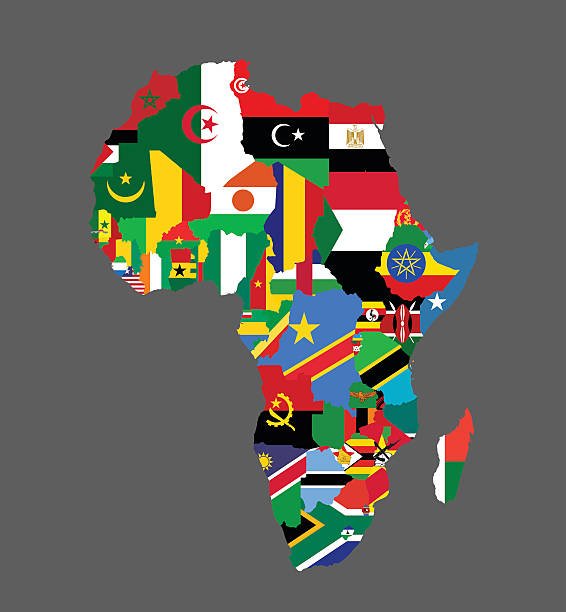
The question "Does Africa allow dual citizenship?" doesn't have a simple yes or no answer, as the continent is home to 54 diverse countries, each with its own sovereign nationality laws. While historically many African nations restricted or prohibited dual citizenship, there has been a significant shift in recent decades, with a growing number of countries now permitting it under various conditions. This evolving landscape reflects changing political, economic, and social dynamics, recognizing the valuable contributions of their diaspora. Understanding the specific laws of each nation is crucial for anyone considering or holding dual nationality in Africa.
What is Dual Citizenship?
Dual citizenship, also known as dual nationality, is a legal status where an individual is concurrently regarded as a citizen of two or more countries under the laws of those nations. This typically arises in several ways: by birth in a country different from one's parents' nationality, through naturalization in a new country without renouncing original citizenship, or by marriage to a foreign national. It signifies that a person holds full rights and responsibilities in more than one state, including the right to hold passports, vote, own property, and access social services in each. The concept is central to understanding the complexities of citizenship laws in Africa.
The Evolving Landscape of Dual Citizenship in Africa
Historically, many African countries, particularly in the post-independence era, adopted strict single citizenship policies. This was often driven by a desire to foster national unity, prevent perceived divided loyalties, and assert sovereignty. The idea was that full allegiance to the newly independent state was paramount. However, over the last few decades, this stance has progressively softened. The primary drivers for this change include:
- Diaspora Engagement: African nations increasingly recognize the immense economic contributions of their diaspora through remittances, investments, and skills transfer. Allowing African countries dual citizenship helps retain these valuable ties and encourages expatriates to contribute more directly to national development.
- Globalization: Increased international travel, migration, and interconnectedness have made dual nationality a practical reality for many, making it less feasible for governments to strictly enforce single citizenship.
- Economic Benefits: Dual citizens often invest more readily, facilitate trade, and bring diverse expertise, boosting national development and fostering stronger international business ties.
- Human Rights: There's a growing international recognition of individuals' rights to maintain their heritage and multiple national ties, influencing policy changes across the continent.
This evolution means that the answer to does Africa allow dual citizenship is increasingly tending towards 'yes' for many key players on the continent, though always with specific legal frameworks that must be meticulously understood.
African Countries That ALLOW Dual Citizenship
A significant and growing number of African countries now permit dual citizenship, either unconditionally or with specific stipulations. This policy shift often aims to embrace their globalized populations and leverage the diaspora's resources and influence. It’s important to research specific national laws as conditions can vary widely, even among countries that generally allow it.
Examples of Allowing Countries
Here are some notable examples of African nations that permit dual citizenship, highlighting the diverse approaches to dual citizenship across Africa:
| Country | Dual Citizenship Status | Notes on Conditions |
|---|---|---|
| Nigeria | Allowed | Generally allowed by birth or naturalization, provided applicants meet residency and other legal requirements. Nigeria's constitution explicitly recognizes dual nationality. |
| Ghana | Allowed | Permitted for citizens by birth who acquire another nationality. Naturalized Ghanaians may also retain original citizenship if allowed by their former country. Requires a 'Dual Citizenship Card'. |
| South Africa | Allowed with Restrictions | Citizens by birth can hold dual nationality. Naturalized citizens usually need prior permission from the Minister of Home Affairs to retain South African citizenship upon acquiring another, or they risk losing it. |
| Kenya | Allowed | Kenyan citizens who acquire citizenship of another country automatically become dual citizens. Foreigners can also naturalize as Kenyan citizens without renouncing their original citizenship, if their original country permits. |
| Egypt | Allowed with Permission | Egyptian citizens wishing to acquire a foreign nationality must obtain prior permission from the Ministry of Interior to retain their Egyptian citizenship. Those born with dual nationality can retain both without permission. |
| Morocco | Allowed | Moroccan nationality is generally considered indefeasible. Individuals born Moroccan remain Moroccan citizens even if they acquire another nationality, reflecting a strong emphasis on ancestral ties. |
| Rwanda | Allowed | Fully embraced dual citizenship in 2003 to engage its diaspora and promote development, a move that has significantly impacted its economic growth. |
| Uganda | Allowed | Uganda allows dual citizenship for its citizens, with specific provisions for those who acquire other nationalities, requiring formal application and registration. |
| Sierra Leone | Allowed | Permitted for citizens by birth, recognizing the importance of its diaspora community. |
| Tunisia | Allowed | Generally recognized, particularly for those who acquire foreign citizenship by birth or through naturalization without explicit renunciation of Tunisian citizenship. |
Conditions and Nuances
Even in countries that permit dual citizenship, there can be specific conditions:
- Citizenship by Birth vs. Naturalization: Often, individuals who acquire dual citizenship at birth (e.g., born in one country to parents of another nationality) face fewer restrictions than those who seek to naturalize in a second country.
- Prior Permission: Some countries, like South Africa and Egypt, require citizens to obtain explicit permission from governmental authorities before acquiring foreign citizenship to avoid losing their original nationality.
- Renunciation Clauses: A foreign national naturalizing in an African country that allows dual citizenship may not be required to renounce their original citizenship, provided their original country's laws also permit dual nationality.
African Countries That RESTRICT or PROHIBIT Dual Citizenship
Despite the growing trend, some African countries still restrict or outright prohibit dual citizenship. These nations often maintain a stricter interpretation of national loyalty and may have specific provisions requiring citizens to renounce their previous nationality upon acquiring new citizenship, or vice-versa. Understanding these prohibitions is critical for anyone considering their citizenship status.
Examples of Restricting/Prohibiting Countries
Nations where dual citizenship is generally not permitted or is heavily restricted include:
- Tanzania: Generally does not allow dual citizenship for adults, requiring individuals to choose one nationality. However, there are considerations for children born with dual nationality, who may need to make a choice upon reaching adulthood.
- Eritrea: Known for its strict stance against dual citizenship, often requiring renunciation of other nationalities, particularly for those living abroad.
- Equatorial Guinea: Typically does not recognize dual nationality, reflecting a more traditional approach to national identity.
- Cameroon: Generally adheres to a single nationality principle, though specific details can be complex and may involve some exceptions for minors.
- Mauritania: While not absolute, typically requires citizens to renounce foreign nationality upon naturalization, emphasizing singular national allegiance.
Reasons for Restrictions
The reasons behind these restrictions often stem from deeply held national policies and concerns, including:
- National Loyalty: A belief that holding one nationality ensures undivided loyalty to the state, preventing perceived conflicts of interest.
- Security Concerns: Preventing potential conflicts of interest, especially in sensitive government or military roles, and maintaining a clear national security posture.
- Administrative Simplicity: Avoiding the complexities that can arise from managing individuals with multiple legal allegiances, which can complicate legal and administrative processes.
- Historical Context: Echoes of post-colonial nation-building efforts that prioritized singular national identity as a cornerstone of national cohesion and sovereignty.
Benefits of Dual Citizenship in Africa
For individuals who hold dual nationality in Africa, the advantages can be substantial, impacting various aspects of their lives and offering a unique blend of opportunities.
- Enhanced Mobility and Travel: Holding two passports can significantly ease travel between countries, reducing visa requirements and bureaucratic hurdles, making international movement more fluid.
- Economic Opportunities and Investment: Dual citizens can more easily own property, establish businesses, and invest in both countries, contributing to economic development and personal wealth. This is a major benefit for the African diaspora looking to re-engage with their home countries.
- Maintaining Cultural and Family Ties: It allows individuals to retain deep connections with their ancestral homeland, participate in local customs, and visit family freely without fear of losing their original nationality.
- Political and Social Participation: Dual citizens can often vote, hold public office (subject to specific country laws), and access social services, healthcare, and education as a citizen in both nations.
- Property Rights: Ability to inherit and own land or other assets in both nations without being treated as a foreign national, often bypassing restrictions placed on foreign ownership.
- Security and Options: Provides a fallback option in times of political instability or economic hardship in either country, offering greater personal security.
Challenges and Considerations
While the benefits are clear, obtaining dual citizenship in Africa, or simply holding it, comes with its own set of challenges and important considerations that prospective or current dual nationals must be aware of.
- Legal Complexities: Navigating two distinct legal systems, especially regarding inheritance, family law, and criminal justice, can be intricate and may require specialized legal advice.
- Tax Obligations: Dual citizens may be subject to tax laws in both countries, potentially leading to double taxation if not managed correctly. It's crucial to understand the tax implications for dual citizenship holders in Africa, including income, property, and inheritance taxes.
- Military Service Requirements: Some countries require citizens to perform military service, and dual nationals may find themselves obligated in both nations, depending on specific laws and bilateral agreements.
- Political and Civil Rights Restrictions: In some instances, dual nationals might be barred from holding certain high-level government or security positions to avoid perceived conflicts of interest, particularly in sensitive areas.
- Administrative Burdens: Managing two passports, complying with differing regulations, and understanding varying legal frameworks can be administratively demanding and time-consuming.
- Potential for Conflict of Laws: In times of international dispute or personal legal issues, determining which country's jurisdiction applies can be problematic, requiring careful legal navigation.
How to Determine a Country's Stance on Dual Citizenship
Given the diversity across the continent, it is paramount to conduct thorough research for specific African countries' dual citizenship laws. Relying on general information is not sufficient, as laws are subject to change and specific interpretations. Here’s how to get accurate information:
- Consult Legal Professionals: An immigration lawyer or legal expert specializing in nationality law for the specific African country is the most reliable source. They can provide tailored advice based on individual circumstances and the latest legal updates.
- Official Government Websites: Check the official websites of the relevant country's Ministry of Interior, Ministry of Home Affairs, or Immigration Department. Look for detailed citizenship acts or nationality laws, which are the primary legal documents.
- Embassies and Consulates: The embassy or consulate of the African country in your current country of residence can provide official guidance, application forms, and clarify specific requirements for retaining citizenship in Africa.
Navigating the Process: Key Steps
For those considering or pursuing dual nationality in Africa, following a structured approach is essential to ensure compliance with all legal requirements and to avoid potential pitfalls. This process often involves significant paperwork and adherence to strict guidelines.
- Thorough Research: Understand the specific nationality laws of the African country in question. This includes eligibility criteria, application procedures, required documentation, and any conditions for retaining or renouncing previous citizenship. Search for specific phrases like "how to get dual citizenship in [country name]" for detailed guides.
- Gather Necessary Documentation: Prepare all required documents, which typically include birth certificates, marriage certificates, passports, proof of residency, character references, and sometimes language proficiency certificates. Ensure all documents are certified, apostilled, and translated if necessary, according to official requirements.
- Fulfill Residency and Other Requirements: Many countries require a certain period of continuous legal residency, good conduct, and sometimes a demonstration of integration into society (e.g., knowledge of local languages or culture, a passing civic test).
- Submit Application: Follow the prescribed application process, which may involve interviews, oaths of allegiance, and payment of processing fees. Adhere strictly to submission deadlines and instructions.
- Seek Legal Counsel: Especially for complex cases or if there is any ambiguity in the legal requirements, engaging a qualified immigration attorney or legal expert can streamline the process and prevent costly mistakes. They can help navigate the nuances of citizenship laws in Africa and represent your interests.
Conclusion
In conclusion, the question of "Does Africa allow dual citizenship?" reveals a continent in transition. While some nations still adhere to single nationality policies, a predominant and growing trend sees African countries embracing dual citizenship. This significant shift is largely driven by a desire to foster stronger ties with their diaspora, harness crucial economic benefits, and align with global mobility trends. For individuals considering or holding dual citizenship involving an African nation, it is absolutely critical to understand the specific laws of the countries involved. Due diligence, coupled with expert legal advice, is essential to navigate the diverse and sometimes intricate legal landscapes of dual citizenship across Africa. As globalization continues, the allowance of dual nationality is likely to expand further, reflecting a more interconnected and inclusive vision of citizenship on the African continent, benefiting both individuals and nations alike.
Enjoyed this read?
Share it with your friends and colleagues.