Does Africa Have Esim

BSC Insights Admin
October 08, 2026
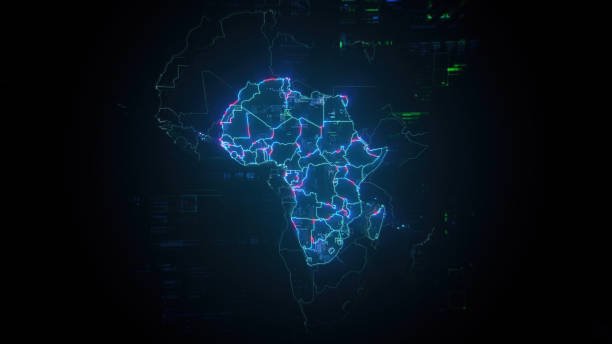
Yes, eSIM technology is increasingly available across various parts of Africa, though its adoption and prevalence can differ significantly from country to country. While not universally supported by every mobile network operator in every nation, major economies and popular tourist destinations in Africa are seeing a growing presence of eSIM services. This innovative digital SIM offers numerous benefits for both residents and international travelers seeking seamless mobile connectivity without the need for a physical SIM card.
Understanding eSIM Technology
An eSIM, or embedded Subscriber Identity Module, is a digital SIM that allows you to activate a cellular plan from your network provider without needing a physical SIM card. Instead of a removable plastic chip, the eSIM is built directly into your device, such as a smartphone, tablet, or smartwatch. This technology fundamentally changes how mobile subscriptions are managed, offering unparalleled flexibility and convenience.
The primary function of an eSIM remains the same as a traditional SIM: it securely authenticates your device to a mobile network, granting you access to calls, texts, and mobile data. However, with an eSIM, you can store multiple mobile profiles on a single device and switch between them digitally, often within minutes. This capability is particularly advantageous for individuals who travel frequently or wish to maintain separate personal and business lines on one device.
eSIM Availability Across Africa: A Diverse Landscape
The landscape of eSIM adoption in Africa is dynamic and varied. While some nations have embraced the technology with multiple operators offering services, others are still in the early stages of implementation or have yet to introduce it widely. This disparity often reflects factors such as economic development, regulatory frameworks, technological infrastructure, and market demand.
Pioneering Countries: Where eSIM is Flourishing
Several African countries have emerged as leaders in eSIM adoption, with multiple major mobile network operators (MNOs) actively supporting the technology. These nations typically have more advanced telecommunications infrastructures and a higher penetration of modern smartphones.
- South Africa: As one of Africa's most technologically advanced nations, South Africa has robust eSIM support. Major operators like Vodacom, MTN, and Telkom have embraced eSIM, making it widely accessible for both local subscribers and international visitors.
- Kenya: East Africa's economic powerhouse, Kenya, also boasts significant eSIM availability. Safaricom, the dominant mobile network operator, along with Airtel Kenya, offers eSIM services, catering to a large user base in the region.
- Nigeria: Africa's most populous country, Nigeria, is rapidly expanding its eSIM offerings. Operators such as MTN Nigeria and Airtel Nigeria are at the forefront, providing eSIM options to a growing segment of their millions of subscribers.
- Egypt: In North Africa, Egypt has seen good adoption of eSIM technology. Orange Egypt and Vodafone Egypt are among the key players providing eSIM services to their customers.
- Morocco: Another North African nation, Morocco, has also seen the introduction of eSIM. Operators like Maroc Telecom and Orange Maroc are offering these digital SIM solutions.
- Tunisia: With a progressive telecommunications sector, Tunisia's Ooredoo Tunisia and Orange Tunisia are notable providers of eSIM services.
- Other Emerging Markets: Countries such as Ghana, Rwanda, and Uganda are also seeing nascent or growing eSIM support from their respective mobile network operators, signaling a continent-wide trend towards digital connectivity.
Regions with Limited or Emerging eSIM Support
In contrast, certain regions and countries across Africa may have limited or no widespread eSIM support. This can be due to various reasons, including:
- Infrastructure Challenges: Implementing eSIM requires significant investment in network infrastructure and IT systems by operators.
- Regulatory Environment: Some countries may have slower regulatory processes for new technologies.
- Market Demand: In areas with lower smartphone penetration or where feature phones are still dominant, the demand for eSIM may be lower.
- Operator Priorities: Smaller operators or those in less competitive markets might prioritize other areas of network development.
Travelers planning to visit these areas are advised to check the latest information from local operators or consider international roaming options or physical SIM cards as alternatives.
Benefits of Using eSIM in Africa for Travelers and Residents
The advantages of eSIM technology are particularly pronounced in a diverse continent like Africa, where seamless connectivity can significantly enhance experiences for both tourists and local populations.
Seamless Connectivity for Tourists
- Instant Activation: Travelers can purchase and activate an eSIM plan before even arriving in an African country, ensuring immediate connectivity upon landing. This eliminates the need to search for local SIM card vendors or deal with language barriers.
- Avoid Physical SIM Hassle: No more fumbling with tiny physical cards, trays, or worries about losing your primary SIM. eSIMs are digital and embedded.
- Local Rates Without Roaming: By purchasing an eSIM from a local African operator (or an international eSIM provider offering African plans), travelers can access local data, call, and text rates, significantly cheaper than expensive international roaming charges.
- Multi-Country Travel: For those on multi-country African safaris or tours, an eSIM allows easy switching between different country-specific plans or the use of a regional eSIM plan, simplifying connectivity across borders.
Enhanced Flexibility for Residents
- Managing Multiple Numbers: Residents can easily manage personal and business numbers on a single device, or subscribe to different plans from various operators for optimal coverage or pricing.
- Effortless Operator Switching: Should a resident wish to change network providers, they can do so digitally without needing to obtain a new physical SIM card.
- Dual SIM Functionality: Many eSIM-compatible devices allow for a combination of a physical SIM and an eSIM, or even multiple eSIM profiles, providing ultimate flexibility for users.
Improved Security and Durability
eSIMs are less susceptible to physical damage, loss, or theft compared to traditional SIM cards. Since they are embedded, removing or tampering with them is difficult, adding a layer of security to your mobile identity.
Challenges and Considerations for eSIM Adoption in Africa
Despite the numerous benefits, the widespread adoption of eSIM in Africa faces several challenges that need to be addressed for full potential realization.
Device Compatibility
One of the primary hurdles is device compatibility. eSIM functionality is typically found in newer, high-end smartphones, smartwatches, and tablets. While smartphone penetration is increasing across Africa, a significant portion of the population still uses older models or feature phones that do not support eSIM technology. This limits the addressable market for eSIM services.
Operator Support and Infrastructure
For mobile network operators, implementing eSIM technology requires substantial investment in upgrading their core network infrastructure, billing systems, and customer service platforms. Not all operators, especially smaller ones or those in less profitable markets, may have the capital or technical expertise to make these necessary changes promptly.
Regulatory Hurdles and Customer Awareness
Governments and regulatory bodies in some African countries may have specific requirements for subscriber registration and identification, which might need adaptation to accommodate the digital nature of eSIM. Furthermore, there's a need to educate consumers about what eSIM is, how it works, and its benefits, as many may still be unfamiliar with the technology.
Cost Implications
While eSIM can reduce logistical costs for operators in the long run (no physical cards to manufacture or distribute), the initial setup costs can be significant. These costs might, in some cases, be passed on to consumers, potentially making eSIM plans seem less attractive in price-sensitive markets.
How to Check for eSIM Availability and Get Connected in Africa
If you're planning to use eSIM in Africa, here's a practical guide to ensure you stay connected:
1. Verify Device Compatibility
First, ensure your smartphone, tablet, or smartwatch supports eSIM. Most flagship devices released in the last few years from manufacturers like Apple (iPhone XS and newer), Samsung (Galaxy S20 and newer), Google (Pixel 3 and newer), and Huawei (P40 series and newer) are eSIM compatible. Check your device's settings or manufacturer's specifications.
2. Research Local Operators in Your Destination Country
Before traveling or if you're a resident, research the major mobile network operators in the specific African country you're interested in. Visit their official websites or contact their customer service to inquire about eSIM availability, plans, and activation procedures. Key operators include:
- South Africa: Vodacom, MTN, Telkom
- Kenya: Safaricom, Airtel Kenya
- Nigeria: MTN Nigeria, Airtel Nigeria
- Egypt: Orange Egypt, Vodafone Egypt
- Morocco: Maroc Telecom, Orange Maroc
- Tunisia: Ooredoo Tunisia, Orange Tunisia
3. Consider International eSIM Providers
Many international eSIM providers offer regional or country-specific plans for African destinations. These services can be incredibly convenient for travelers as they allow you to purchase and activate a data plan online before your trip. You typically receive a QR code or manual activation details via email, which you then scan or input into your eSIM-compatible device. These providers often aggregate services from local operators, offering competitive data bundles for tourists.
4. Understand the Activation Process
The activation process for an eSIM usually involves scanning a QR code provided by your operator or entering activation details manually through your device's settings. Follow the instructions carefully. Ensure you have a stable Wi-Fi connection during activation.
The Future of eSIM in Africa
The trajectory for eSIM in Africa is one of continued growth and expansion. As smartphone penetration increases and technological infrastructure improves, more mobile network operators are expected to launch or enhance their eSIM offerings. The benefits of eSIM, particularly its flexibility for travelers and potential for innovative applications in the Internet of Things (IoT) space, align well with Africa's rapidly evolving digital landscape.
Increased competition among operators is likely to drive down prices and improve service quality, making eSIM an even more attractive option. Furthermore, the role of eSIM in facilitating financial inclusion and digital services could grow, particularly as mobile money platforms continue to thrive across the continent. The future promises a more connected, flexible, and digitally empowered Africa, with eSIM playing a crucial role in this transformation.
In conclusion, Africa does indeed have eSIM capability, and its presence is growing robustly across key markets. While availability varies by country and operator, the technology offers significant advantages for both residents and international visitors, promising enhanced flexibility and seamless connectivity. As the continent continues its digital transformation, eSIM is set to become an increasingly integral part of the mobile experience, making it easier than ever to stay connected across Africa's diverse and vibrant nations.
Enjoyed this read?
Share it with your friends and colleagues.