Does Africa Ever Get Snow

BSC Insights Admin
September 30, 2026
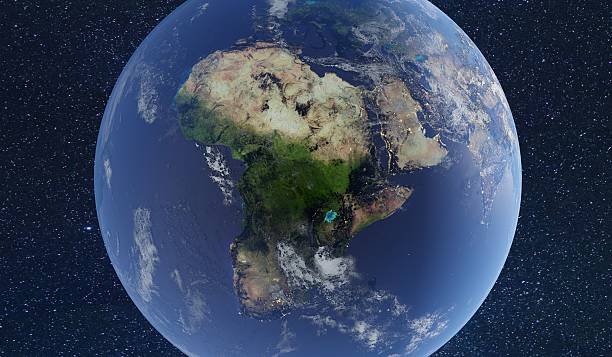
Does Africa Ever Get Snow? The Surprising Truth About the Continent's Diverse Climate
Yes, Africa absolutely gets snow! While often stereotyped as a uniformly hot continent, Africa is incredibly diverse geographically and climatically, with several regions experiencing regular snowfall, particularly in its high mountain ranges and elevated plateaus. From the towering peaks of Mount Kilimanjaro to the expansive Atlas Mountains, and the southern highlands of Lesotho, snow is a genuine, albeit localized, phenomenon that challenges common perceptions of African weather.
This surprising aspect of the continent's climate is primarily due to extreme altitude, which causes temperatures to drop significantly, allowing for precipitation to fall as snow rather than rain. Understanding where and why snow in Africa occurs reveals a fascinating layer of complexity to its geography and climate patterns.
Unveiling the Unexpected: Where Does it Snow in Africa?
While vast swathes of Africa are indeed warm or tropical, specific geographical features create the conditions necessary for African snow. These areas are typically characterized by high elevations that defy their proximity to the equator or generally warm latitudes.
High Mountain Ranges: Africa's Snowy Peaks
The most prominent locations for snowfall on the continent are its majestic mountain ranges, which stretch across various regions:
- The Atlas Mountains (North Africa): Spanning Morocco, Algeria, and Tunisia, the Atlas Mountains are perhaps the best-known region for significant snow in Africa. Peaks like Toubkal in Morocco (the highest in North Africa) regularly receive heavy winter snow, attracting skiers and winter sports enthusiasts. The climate here is more akin to Mediterranean mountain regions, with cold, wet winters and warm, dry summers. Moroccan ski resorts like Oukaïmeden are testament to the consistent snow cover found here.
- Mount Kilimanjaro (East Africa): Standing as Africa's highest peak in Tanzania, Mount Kilimanjaro is famous for its snow-capped summit, even though it's practically on the equator. Its iconic glaciers and snowfields are a stark visual reminder that Africa does get snow. While these glaciers are tragically receding due to climate change, the very top still receives snowfall, maintaining its majestic white crown.
- Mount Kenya (East Africa): Africa's second-highest mountain, located in Kenya, also boasts permanent glaciers and receives regular snowfall on its upper reaches. Despite being directly on the equator, its extreme altitude ensures alpine conditions, making it another remarkable example of snow in East Africa.
- The Ruwenzori Mountains (East-Central Africa): Often called the "Mountains of the Moon," this range on the border of Uganda and the Democratic Republic of Congo is a UNESCO World Heritage site known for its unique afro-alpine vegetation and permanent glaciers. These mountains are one of the few equatorial ranges with glaciers, confirming that snow can be found in central Africa at high elevations.
- The Drakensberg Mountains (Southern Africa): Forming a natural border between South Africa and the Kingdom of Lesotho, the Drakensberg range experiences reliable winter snowfall. Peaks like Thabana Ntlenyana often see substantial snow accumulation, creating stunning winter landscapes. This region provides an excellent example of snow in South Africa, impacting local ecosystems and attracting tourists.
High-Altitude Plateaus: Lesotho's Winter Wonderland
Beyond individual peaks, entire countries can be defined by their elevation and subsequent propensity for snow:
- Lesotho: The Mountain Kingdom: Uniquely, the entire country of Lesotho is situated above 1,000 meters (3,281 feet) in elevation, with its lowest point being the highest lowest point of any country in the world. This geographical characteristic makes Lesotho particularly susceptible to significant snowfall during the Southern Hemisphere's winter months (June to August). AfriSki, one of Africa's two operational ski resorts, is located here, demonstrating the reliable winter conditions that make Lesotho a snowy destination. The country frequently experiences heavy snow that can blanket vast areas, sometimes isolating villages and impacting transportation.
Rare Desert Snow: The Sahara's Icy Surprise
While extremely uncommon, there have been documented instances of snow in parts of the Sahara Desert. This is an exceptional event, as desert environments are characterized by their aridity. However, when a rare combination of exceptionally cold air and just enough moisture converges, usually at higher desert elevations, snow in the Sahara Desert can occur. Towns like Ain Sefra in Algeria have seen snow multiple times in recent years, creating surreal landscapes where red dunes meet white flakes. These events are truly remarkable and highlight the unpredictable extremes of Africa's climate.
Why Does Africa Get Snow? Understanding the Climatic Factors
The presence of snow across diverse African landscapes is not random but governed by specific meteorological and geographical principles. The interaction of these factors determines where and when snowfall in Africa will occur.
1. Altitude: The Primary Driver
The most crucial factor for snow in Africa is altitude. As elevation increases, atmospheric pressure decreases, and so does temperature. This phenomenon, known as the lapse rate, means that for every 100-meter (328-foot) increase in elevation, the temperature drops by approximately 0.65°C (3.5°F). Even in tropical or subtropical zones, mountains reaching sufficient heights will have summit temperatures below freezing, allowing precipitation to fall as snow.
2. Seasonal Variations: Winter's Chill
Just like elsewhere in the world, African snow regions experience distinct seasons. In the Northern Hemisphere (e.g., Atlas Mountains), snowfall typically occurs from late autumn through spring (November to April). In the Southern Hemisphere (e.g., Drakensberg, Lesotho), winter months from June to August bring the coldest temperatures and highest likelihood of snow. These seasonal shifts are vital for the formation of snow and ice.
3. Moisture Sources and Storm Systems
For snow to form, there must be not only cold temperatures but also sufficient moisture in the atmosphere. Coastal mountain ranges, like parts of the Atlas, can intercept moist air masses from the Atlantic Ocean or Mediterranean Sea. Similarly, winter storm systems tracking across southern Africa can bring enough moisture to the Drakensberg and Lesotho highlands. Even the rare desert snow events require a specific influx of cold, moist air, however fleeting.
4. Latitude vs. Elevation: A Balancing Act
While low latitudes generally mean warmer temperatures, the extreme elevation of mountains like Kilimanjaro and Mount Kenya overrides the effect of their equatorial position. Their peaks are so high that they protrude into atmospheric layers cold enough to sustain snow and ice, despite being close to the sun's direct overhead path for much of the year. This balance between latitude and elevation is key to understanding African climate diversity.
The Impact and Significance of Snow in African Regions
The presence of snow in Africa, while confined to specific areas, has several important implications:
- Tourism and Recreation: Snowy regions attract tourists and offer unique recreational opportunities. Skiing in Morocco or Lesotho, or mountaineering on Kilimanjaro and Mount Kenya, provides distinct experiences not typically associated with Africa. This boosts local economies and presents an alternative image of the continent.
- Water Resources: Snowmelt from mountain ranges contributes significantly to river systems, feeding reservoirs and providing crucial water for agriculture, hydroelectric power, and domestic use downstream. The Drakensberg, for instance, is often referred to as South Africa's "water factory."
- Ecosystems and Biodiversity: Alpine environments in Africa host unique ecosystems with specialized flora and fauna adapted to cold conditions. These areas are vital for biodiversity research and conservation.
- Cultural Significance: For local communities living near these snowy peaks, the presence of snow can hold cultural or spiritual significance, deeply embedded in their traditions and folklore.
Notable African Snowfall Events and Fascinating Facts
Throughout history, and even in recent memory, Africa has provided some incredible examples of snowfall:
- In January 2018, snow fell in the Sahara Desert near Ain Sefra, Algeria, for the third time in 40 years, with some areas seeing up to 40 cm (16 inches) of accumulation. This was a truly viral moment, showcasing the unexpected beauty of desert snow.
- The glaciers on Mount Kilimanjaro have been present for millennia but have shrunk by over 80% in the last century. Despite this, the summit continues to receive seasonal snowfall, albeit with less long-term accumulation.
- The highest waterfall in Africa, Tugela Falls in the Drakensberg, often freezes solid in winter, creating a spectacular ice climbing destination. This demonstrates the extreme cold that can grip these southern African mountains.
Here's a quick overview of some key snowy regions in Africa:
| Region/Mountain | Country(s) | Typical Elevation for Snow | Snowfall Frequency |
|---|---|---|---|
| Atlas Mountains | Morocco, Algeria, Tunisia | Above 1,500m (4,900 ft) | Regular (Winter) |
| Mount Kilimanjaro | Tanzania | Above 4,600m (15,000 ft) | Consistent (Year-round on summit) |
| Mount Kenya | Kenya | Above 4,500m (14,700 ft) | Consistent (Year-round on summit) |
| Drakensberg Mountains | South Africa, Lesotho | Above 1,800m (5,900 ft) | Regular (Winter) |
| Lesotho (Plateau) | Lesotho | Above 1,500m (4,900 ft) | Frequent (Winter) |
| Ruwenzori Mountains | Uganda, DR Congo | Above 4,500m (14,700 ft) | Consistent (Year-round on glaciers) |
| Sahara Desert (rare) | Algeria (e.g., Ain Sefra) | Variable (Higher desert elevations) | Extremely Rare (Ephemeral) |
Debunking Myths: Africa as a Uniformly Hot Continent
The widespread perception of Africa as a uniformly hot, sun-drenched continent is a significant oversimplification. This notion often arises from focusing solely on its vast tropical and desert zones while overlooking the continent's immense geographical scale and varied topography. Africa spans both the Northern and Southern Hemispheres, boasts vast coastlines, extensive deserts, lush rainforests, and crucially, towering mountain ranges and high plateaus. This incredible diversity means that while many parts are indeed hot, attributing this characteristic to the entire continent ignores the rich tapestry of climates it contains, including those that experience regular, heavy snowfall.
The existence of ski resorts, permanent glaciers, and consistent winter snowfall in various African countries serves as a powerful counter-narrative to this myth. It highlights the continent's ecological richness and its capacity for climatic extremes, from scorching desert heat to freezing mountain winds and glistening snowfields. Recognizing that Africa does get snow enriches our understanding of its true natural complexity.
Conclusion: Africa's Icy Secret Revealed
In conclusion, the answer to "Does Africa ever get snow?" is a resounding and fascinating yes. Far from being a continent of perpetual heat, Africa reveals a stunning climatic diversity that includes regular snowfall in its high mountain ranges like the Atlas and Drakensberg, on iconic peaks such as Kilimanjaro and Mount Kenya, and across the entire elevated nation of Lesotho. Even the Sahara Desert has witnessed rare, ephemeral flurries. These instances of snow in Africa are primarily driven by extreme altitude and seasonal temperature drops, demonstrating that geography plays a powerful role in shaping regional climates. This unexpected facet of Africa's weather not only supports unique ecosystems and tourism but also challenges common global perceptions, highlighting the continent's truly diverse and complex natural environment.
Enjoyed this read?
Share it with your friends and colleagues.