Is Africa Expensive To Visit

BSC Insights Admin
October 09, 2026
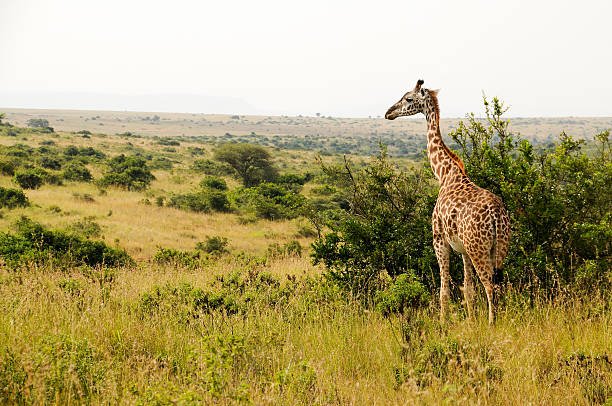
Is Africa Expensive To Visit? A Comprehensive Guide to Travel Costs
Is Africa expensive to visit? The simple answer is: it depends. Africa is a vast continent with 54 diverse countries, offering a spectrum of travel experiences from ultra-luxury safaris in the Serengeti to budget-friendly backpacking adventures through Morocco's vibrant souks or Ghana's bustling markets. While some iconic experiences, like an East African safari, can indeed be costly, many regions and travel styles offer incredible value, making an African adventure accessible to various budgets.
Understanding the myriad factors that influence travel expenses is paramount to planning your trip effectively. From international flights and local accommodation to thrilling activities and daily spending, costs can fluctuate dramatically based on your chosen destination, preferred travel style, and the time of year you choose to embark on your journey. This comprehensive guide will meticulously break down the true cost of an African adventure, offering invaluable insights into budgeting strategies and empowering you to plan your dream trip with confidence.
Key Factors Influencing African Travel Costs
The overall expense of a trip to Africa is a mosaic of several interconnected components. Being acutely aware of these elements allows for more precise budgeting and smarter, more informed planning decisions.
International Flights
Often the single largest expense, the cost of flights to Africa can vary wildly depending on your departure point, your destination airport (major hubs like Johannesburg, Nairobi, Cairo, and Addis Ababa often have more competitive pricing), the airline chosen, and how far in advance you book. Expect round-trip fares from major Western cities to range from $800 to $2,000+ USD, though persistent searching and flexibility can unearth significant deals.
- Booking in advance: Generally yields better prices, especially for popular routes during peak seasons.
- Flexibility with dates: Traveling during the shoulder or off-season can save hundreds of dollars, offering the same incredible experiences with fewer crowds.
- Layover cities: Direct flights are convenient but often pricier. Opting for flights with layovers can reduce costs.
Accommodation
Africa boasts an incredibly diverse range of accommodation options. You can find everything from basic hostels and guesthouses to mid-range hotels, opulent luxury lodges, and private villas. A bed in a clean hostel dorm might cost $10-30 per night, while a comfortable mid-range hotel could be $50-150. High-end safari lodges, particularly those in exclusive conservancies, can easily exceed $500-1,000+ per person per night, especially for all-inclusive packages that cover game drives and meals.
Activities and Tours
This category is often a major cost driver, especially for Africa's most iconic experiences. A multi-day safari can cost anywhere from $150-$500 per person per day for a budget-friendly group option to $1,000-$2,000+ per person per day for a luxurious, private, fly-in safari experience. Permits for highly sought-after activities like gorilla trekking in Rwanda or Uganda alone cost $700-$1,500, reflecting their conservation importance and exclusivity.
Conversely, exploring a city museum might cost a modest $5-20, and hiking in many national parks outside of primary safari zones can be quite affordable, often requiring only a basic entry fee.
Local Transportation
How you choose to move around within a country significantly impacts your budget. Public transport in Africa, such as inter-city buses, shared taxis (matatus, dala-dalas, kombis), and minivans, is often very cheap but can be less comfortable, slower, and less predictable. Private transfers, domestic flights between major cities or safari camps, or renting a 4x4 vehicle for self-driving (especially for safaris in countries like Namibia or South Africa) will escalate costs significantly.
Food and Drink
Eating like a local at street stalls, small eateries, and bustling markets is incredibly cheap and offers a genuine culinary experience, often costing just a few dollars per meal. Mid-range restaurants catering to tourists might charge $10-30 per meal. Dining in high-end tourist establishments or luxury hotels will be comparable to or even exceed Western prices.
Visas and Permits
Many African countries require visas for tourists, which can range from $20 to $150 or more per country, depending on your nationality and the specific destination. Researching specific visa requirements well in advance for your chosen destinations is crucial to avoid last-minute expenses or entry issues.
Travel Insurance
Travel insurance for Africa is not just recommended; it is virtually non-negotiable. Comprehensive coverage is essential, protecting you against unforeseen medical emergencies, trip cancellations, lost luggage, and other travel disruptions. Budget around 4-10% of your total trip cost for robust travel insurance.
Incidentals and Shopping
Always factor in a buffer for souvenirs, tips for guides and service staff, and unexpected expenses. A small daily allowance for these can prevent budget overruns.
Regional Breakdown: Where is Africa More or Less Expensive?
Africa's sheer vastness means that travel costs can fluctuate significantly between different regions and even countries within those regions. Here’s a general overview:
East Africa (Kenya, Tanzania, Uganda, Rwanda)
This region is often considered among the pricier destinations due to the global popularity of its unparalleled wildlife safaris (Masai Mara, Serengeti) and unique experiences like gorilla trekking. The high demand for these truly unique encounters drives up costs for national park permits, exclusive lodge accommodation, and specialized guided tours.
- Average Daily Cost (Safari-focused): $250 - $1000+ (Mid-range to Luxury)
- Key Expenses: National park entrance fees, conservancy fees, specialized safari vehicle rental, professional guide services, and high-end lodge accommodation.
Southern Africa (South Africa, Namibia, Botswana, Zimbabwe, Zambia)
Southern Africa offers a diverse mix of price points. South Africa can be relatively affordable, especially if you opt for self-driving and staying in guesthouses or Airbnb rentals outside major tourist hubs. Botswana and certain parts of Zimbabwe (like Victoria Falls) are known for their premium, high-end safari experiences, particularly in the Okavango Delta, which cater to a luxury market.
- Average Daily Cost (Mixed): $100 - $800+ (Budget to Luxury)
- Key Expenses: Self-drive 4x4 rentals, diverse accommodation options from campsites to luxury lodges, premium safari experiences, and adventure activities (e.g., bungee jumping at Victoria Falls, shark cage diving).
North Africa (Morocco, Egypt, Tunisia)
Generally among the most budget-friendly regions for international visitors, North Africa offers a rich tapestry of history, vibrant cultures, and delicious cuisine at significantly lower prices than sub-Saharan Africa. Accommodation, food, and local transport are considerably cheaper and more accessible.
- Average Daily Cost: $40 - $150 (Budget to Mid-range)
- Key Expenses: Souvenirs, guided tours of historical sites (e.g., pyramids, ancient medinas), desert excursions, and traditional hammam experiences.
West Africa (Ghana, Senegal, Benin, Togo)
West Africa can be very affordable for intrepid travelers who are willing to embrace local modes of transport and simpler, more authentic accommodations. Tourism infrastructure is generally less developed in many areas compared to East or Southern Africa, which can mean lower prices but often requires more flexibility and independent planning.
- Average Daily Cost: $30 - $100 (Budget to Mid-range)
- Key Expenses: Exploring bustling local markets, engaging in cultural experiences, basic guesthouses, and delicious street food.
Budgeting for Your African Adventure: A Cost Comparison
To provide a clearer, more practical picture of potential spending, let's look at hypothetical daily budgets for different travel styles, intentionally excluding the cost of international flights.
| Category | Budget Traveler | Mid-Range Traveler | Luxury Traveler |
|---|---|---|---|
| Accommodation | $15 - $30 (Hostel/Guesthouse/Camping) | $60 - $150 (3-4 Star Hotel/Mid-range Lodge) | $400 - $1500+ (Luxury Lodge/Boutique Resort) |
| Food & Drink | $10 - $20 (Local eateries/Street food/Self-catering) | $30 - $70 (Restaurant meals/Some fine dining) | $80 - $200+ (Fine dining/All-inclusive lodge packages) |
| Activities | $10 - $50 (Museums, hikes, local market visits) | $50 - $250 (Day trips, moderate safaris, cultural tours) | $300 - $1000+ (Private safaris, helicopter tours, unique experiences) |
| Local Transport | $5 - $15 (Public transport/Shared taxis) | $20 - $50 (Taxis/Shared private transfers) | $100 - $300+ (Private transfers/Domestic flights) |
| Miscellaneous | $5 - $10 (Small souvenirs, tips) | $10 - $20 (Shopping, personal care) | $30 - $50+ (High-end shopping, spa treatments) |
| Estimated Daily Total (Excl. Int. Flights) | $45 - $125 | $170 - $540 | $910 - $3050+ |
It's important to remember that these figures are rough estimates and can fluctuate significantly based on the specific country you visit, your negotiation skills in markets, and prevailing exchange rates.
Smart Strategies for Affordable Africa Travel
If you're wondering how to visit Africa on a budget, rest assured there are numerous smart ways to cut down on costs without compromising on incredible experiences or safety.
Travel During the Shoulder or Low Season
Peak tourist season (often coinciding with the dry season for safaris or major holidays in Europe/North America) invariably sees higher prices for flights, accommodation, and popular tours. Traveling just before or after peak season, during the 'shoulder season,' or even during the 'green season' (low season) can offer significantly lower rates, fewer crowds, and still fantastic weather or unique wildlife viewing opportunities (e.g., migratory bird populations).
Choose More Affordable Destinations
Instead of automatically defaulting to premium safari destinations like Botswana or the most luxurious lodges in Tanzania, consider more budget-friendly options. For excellent wildlife viewing, parts of South Africa (like Kruger National Park's public camps) or Kenya (Masai Mara conservancies outside the main reserve) can offer better value. For culture, history, and vibrant city life, Morocco, Egypt, or even Ethiopia can be significantly cheaper than a high-end wildlife adventure.
Opt for Self-Drive or Public Transport
In countries with good road infrastructure and relatively low crime rates, like South Africa and Namibia, renting a car (especially a well-equipped 4x4) and self-driving can be substantially cheaper and more flexible than organized guided tours. Elsewhere, embracing local buses, shared taxis, and mini-vans not only provides incredibly authentic cultural experiences but also slashes transportation costs dramatically.
Embrace Local Eateries and Markets
Street food, local restaurants (often called 'chop bars' in West Africa or 'restaurants' in East Africa), and bustling food markets are not only budget-friendly but also offer a genuine and delicious taste of the local culture and cuisine. Self-catering where possible, by purchasing groceries from local shops, can also lead to significant savings on food expenses.
Look for Package Deals or Group Tours
While often perceived as less flexible, well-researched package deals, particularly for multi-day safaris, can sometimes offer better value than booking everything individually. This is because tour operators often secure group discounts on lodges, transport, and park fees. Similarly, joining a group tour can split costs for guides and vehicles.
Utilize Reward Points and Miles
If you're a savvy traveler with airline miles, credit card points, or hotel loyalty points, Africa is an excellent continent to redeem them to offset major costs, especially for expensive long-haul flights or luxury accommodation segments of your trip.
Consider Camping or Budget Accommodation
Many national parks and reserves in Southern and East Africa have excellent public campsites or budget-friendly guesthouses which drastically reduce accommodation costs compared to staying in luxury lodges. Even outside parks, a proliferation of hostels and budget guesthouses caters to cost-conscious travelers.
Plan Your Activities Wisely
Prioritize 1-2 'big ticket' items that are must-dos for you (e.g., a multi-day safari, gorilla trekking, a hot air balloon ride) and balance them with free or low-cost activities. Examples include hiking in scenic areas, exploring local markets, relaxing on pristine beaches, visiting historical sites with minimal entry fees, or simply enjoying the local ambiance.
Is the Cost Worth the Experience? The Value of African Travel
While some African experiences can indeed be expensive, a vast majority of travelers agree that the value received from an African journey far outweighs the financial cost. Africa offers unparalleled opportunities for profound adventure, deep cultural immersion, and witnessing breathtaking natural beauty and iconic wildlife that simply cannot be replicated anywhere else on earth.
- Unique Wildlife Encounters: Witnessing the Great Migration across the Serengeti and Masai Mara, encountering habituated gorilla families in their misty mountain homes, or spotting the Big Five (lion, leopard, elephant, rhino, buffalo) in their natural habitat are transformative, once-in-a-lifetime experiences.
- Rich Cultural Heritage: From the ancient wonders of Egyptian temples and pyramids to the vibrant traditions of Maasai villages, the historical medinas of Morocco, and the poignant history of Ghana's slave castles, the continent offers deep, impactful cultural connections.
- Diverse and Awe-Inspiring Landscapes: Africa boasts an incredible array of natural beauty – the vastness of the Sahara Desert, the towering peaks of Kilimanjaro, the pristine white sands of Zanzibar's beaches, the lush rainforests of the Congo Basin, and the dramatic canyons of Fish River. These provide a stunning, ever-changing backdrop for any adventure.
- Authentic Encounters: The genuine warmth, hospitality, and resilience of African people often leave a lasting and profound impression on visitors, fostering connections that transcend language barriers.
Ultimately, the money spent on a well-planned trip to Africa isn't just for a vacation; it's an investment in creating indelible memories, fostering personal growth, gaining new perspectives, and often, contributing directly to vital local conservation efforts and empowering local communities through sustainable tourism.
Common Misconceptions About African Travel Costs
Many people harbor preconceived notions that Africa is universally expensive, which is far from the truth. Here are some common myths debunked:
- Myth: All Safaris are Exorbitantly Priced. While luxury, private safaris with high-end lodges are indeed pricey, numerous budget-friendly safari options exist. These often utilize public campsites, simpler tented camps, or guesthouses, and can be quite affordable for group tours. Self-driving safaris in countries like South Africa and Namibia also offer excellent value.
- Myth: Africa is Only for Luxury Travelers. This is simply untrue. A thriving community of backpackers and budget travelers regularly explores various parts of Africa, successfully utilizing hostels, local guesthouses, public transport, and street food to keep costs down.
- Myth: Getting Around Africa is Always Expensive. While domestic flights can be costly, in many urban areas and for inter-town travel, public transport is exceptionally cheap. Patience and an adventurous spirit are key.
- Myth: Everything is Negotiable. While haggling is a common and expected practice in local markets, prices for official tours, national park fees, reputable accommodation, and established services are generally fixed and non-negotiable. It's important to distinguish between the two.
Practical Tips for a Smooth and Budget-Conscious Trip
- Research Visas Early: Some countries require you to apply for a visa in advance, which can sometimes be cheaper or offer more options than a visa-on-arrival. Always check requirements for your nationality well ahead of time.
- Understand Currency Exchange: Familiarize yourself with local currencies and current exchange rates. Avoid exchanging large sums at airports where rates are typically unfavorable; seek out reputable banks or use ATMs for withdrawals.
- Prioritize Safety: Never compromise your safety for extreme savings. A cheap but unsafe area or transport option is simply not worth the risk. Invest in reliable transport and accommodation.
- Pack Smart: Avoid having to buy forgotten essentials at inflated tourist prices. Bring a comprehensive medical kit, a universal adapter, ample sun protection, and comfortable walking shoes.
- Stay Healthy: Consult your doctor about necessary vaccinations and preventative measures (e.g., malaria prophylaxis) weeks before your trip. Falling ill abroad can incur significant unexpected medical costs and disrupt your entire journey.
- Download Offline Maps: Essential for navigation in areas with limited or no internet connectivity. Apps like Google Maps or Maps.me allow you to download maps for offline use.
- Learn Basic Phrases: Learning a few common greetings and polite phrases in the local language (e.g., Swahili, Arabic, French) can open doors, enhance interactions with locals, and sometimes even assist with friendly negotiation in markets.
- Inform Your Bank: Notify your bank and credit card companies of your travel dates and destinations to avoid your cards being frozen due due to suspected fraudulent activity.
Conclusion: Is Africa Expensive? It's What You Make It
So, is Africa expensive to visit? The answer unequivocally is that it certainly can be, but it absolutely does not have to be. Africa offers an extraordinarily diverse range of travel experiences that genuinely cater to virtually every budget, from the most frugal backpacker traversing West African cities to the most discerning luxury traveler indulging in a private safari in the Okavango Delta.
While truly iconic and exclusive experiences like a high-end, all-inclusive safari or gorilla trekking can carry a significant price tag, countless other adventures across the continent are wonderfully affordable and equally enriching. By understanding the key cost drivers, diligently researching your chosen destinations, and employing smart budgeting strategies, you can meticulously tailor an unforgettable African journey that aligns perfectly with your financial comfort zone. The continent’s unparalleled natural beauty, profound history, and vibrant cultures truly offer an invaluable travel experience, promising memories that last a lifetime, regardless of the initial price tag.
Enjoyed this read?
Share it with your friends and colleagues.