Does Africa Experience Hurricanes

BSC Insights Admin
October 07, 2026
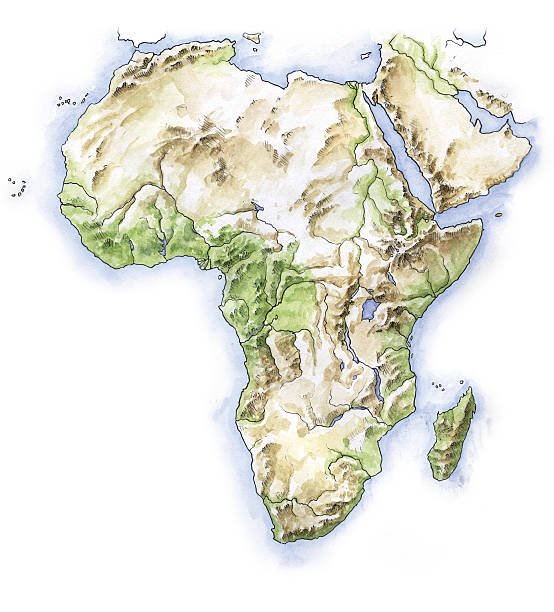
While the term "hurricane" is specifically used for powerful rotating storms that form over the Atlantic Ocean and Northeast Pacific, **Africa certainly experiences severe tropical storms, though they are technically called tropical cyclones** when they occur in the Indian Ocean, which is the primary basin affecting the continent. These weather phenomena are identical in nature and intensity to hurricanes, bringing devastating winds, torrential rainfall, and destructive storm surges to coastal and inland regions.
Understanding the terminology and the geographical distribution of these storms is crucial for comprehending Africa's vulnerability to extreme weather events. The eastern and southeastern coasts, along with the numerous island nations in the Indian Ocean, are particularly susceptible to these powerful systems, which can have profound humanitarian and economic impacts.
Understanding Tropical Cyclones: Africa's "Hurricanes"
The difference between a hurricane, typhoon, and tropical cyclone lies solely in their geographical location. All three terms refer to the same type of meteorological phenomenon: a rapidly rotating storm system characterized by a low-pressure center, a closed low-level atmospheric circulation, strong winds, and a spiral arrangement of thunderstorms that produce heavy rain.
- Hurricane: Forms in the Atlantic Ocean and the Northeast Pacific Ocean.
- Typhoon: Forms in the Northwest Pacific Ocean.
- Tropical Cyclone: Forms in the South Pacific Ocean and the Indian Ocean.
Given Africa's expansive coastline, particularly its eastern and southern parts bordering the Indian Ocean, the continent is regularly exposed to tropical cyclones. These storms derive their energy from warm ocean waters, typically above 26.5°C (80°F), and require specific atmospheric conditions, including low vertical wind shear and a moist atmosphere, to develop and intensify.
Regions of Africa Affected by Tropical Cyclones
The impact of tropical cyclones on Africa is not uniform across the continent. Specific regions bear the brunt of these powerful weather systems due to their proximity to the warm waters of the Indian Ocean.
East African Coast and Southern Africa
Countries along the southeastern African coastline are highly vulnerable. This includes:
- Mozambique: Frequently hit by devastating tropical cyclones, leading to widespread flooding, displacement, and infrastructure damage. Its long coastline and low-lying areas make it particularly susceptible.
- Madagascar: This large island nation is arguably the most affected African territory, often experiencing multiple landfalls or near-misses during a typical cyclone season. Its unique biodiversity and large rural population are severely impacted.
- Comoros, Mauritius, Reunion (France), Seychelles: These island nations in the Indian Ocean lie directly in the path of many tropical cyclones, facing direct impacts from strong winds, heavy rains, and storm surges. Their small size means that an entire island can be severely affected.
- Tanzania and Kenya: While less frequent than Mozambique or Madagascar, these countries can still experience significant rainfall and strong winds from tropical cyclones, especially those that track further north or weaken into tropical depressions upon reaching their latitudes.
- Malawi, Zimbabwe, Zambia: These landlocked southern African nations are often indirectly affected by tropical cyclones that make landfall on the coast. The storms, even when weakened, bring immense amounts of rainfall, leading to severe inland flooding and landslides, as tragically seen with Cyclone Idai.
- South Africa: The northeastern parts of South Africa can also experience the remnants of tropical cyclones, manifesting as heavy rainfall and localized flooding, particularly in provinces bordering Mozambique. Direct cyclone landfalls are rare but not unheard of.
West Africa and the Atlantic Basin
While the Indian Ocean is the primary source of tropical cyclones for Africa, it's important to address the situation in West Africa bordering the Atlantic Ocean:
- Direct Hurricane Landfall: A full-fledged hurricane making direct landfall on the West African coast is exceedingly rare. The prevailing atmospheric patterns and ocean currents typically steer nascent tropical systems westward, away from the African mainland and towards the Caribbean or the Americas.
- African Easterly Waves (AEW): However, West Africa plays a critical role in the formation of many Atlantic hurricanes. African Easterly Waves, troughs of low pressure that move westward across the Sahel region of Africa, can intensify over the warm waters of the Atlantic, eventually developing into tropical depressions, tropical storms, and sometimes powerful hurricanes. So, while West Africa doesn't get hit by hurricanes directly, it is the birthplace of many.
Therefore, when asking "Does Africa experience hurricanes?" the answer is a qualified yes, primarily through the lens of tropical cyclones in the Indian Ocean, and to a very limited extent, as a source region for Atlantic hurricanes.
The Seasonality of Tropical Cyclones in Africa
The tropical cyclone season in the Southwest Indian Ocean, which impacts East and Southern Africa, typically runs from **November to April**, with peak activity often observed between January and March. During this period, sea surface temperatures are warmest, and atmospheric conditions are most conducive to the formation and intensification of these powerful storms.
Understanding this seasonality is vital for preparedness and disaster risk reduction efforts across the affected nations. Early warning systems are crucial during these months to provide communities with sufficient time to prepare and evacuate if necessary.
Historical Impact and Notable Cyclones
Africa has a history of devastating tropical cyclones that have left lasting scars on communities and economies. These events underscore the urgent need for robust climate resilience strategies.
- Cyclone Idai (2019): One of the most destructive tropical cyclones on record for Africa. It made landfall in Mozambique, bringing catastrophic flooding to large parts of Mozambique, Malawi, and Zimbabwe. Idai caused over 1,000 fatalities, displaced millions, and devastated infrastructure and agriculture, highlighting the vulnerability of the region.
- Cyclone Kenneth (2019): Shortly after Idai, Kenneth became the strongest tropical cyclone to ever make landfall in Mozambique, hitting the northern province of Cabo Delgado. It brought unprecedented destruction to an area previously unaccustomed to such severe storms.
- Cyclone Freddy (2023): This cyclone achieved a record as the longest-lived tropical cyclone in recorded history, lasting over five weeks and traversing the entire South Indian Ocean. It made multiple landfalls in Madagascar and Mozambique, causing widespread damage, torrential rain, and landslides across both countries, impacting millions.
- Gafilo (2004): One of the most intense cyclones to affect Madagascar, causing widespread destruction and significant loss of life, particularly in the northern regions.
These examples illustrate the immense power of these storms and their capacity to set back development progress, exacerbate poverty, and trigger humanitarian crises.
Factors Influencing Tropical Cyclone Activity
Several large-scale climate phenomena influence the frequency, intensity, and tracks of tropical cyclones in the Indian Ocean, thereby affecting Africa's exposure.
Indian Ocean Dipole (IOD)
The IOD is an irregular oscillation of sea surface temperatures in the Indian Ocean. It has two main phases:
- Positive IOD: Characterized by warmer sea surface temperatures in the western Indian Ocean and cooler temperatures in the eastern Indian Ocean. This often leads to increased rainfall in East Africa and can influence tropical cyclone activity, potentially shifting formation zones.
- Negative IOD: The reverse pattern, with cooler western Indian Ocean waters, often leading to drier conditions in East Africa and potentially suppressing cyclone activity in the western basin.
El Niño-Southern Oscillation (ENSO)
ENSO, comprising El Niño and La Niña, is a major driver of global weather patterns, including those affecting Africa:
- El Niño: Often associated with a shift in tropical cyclone tracks towards the southeast, potentially increasing the risk for countries like Madagascar and Mozambique, and sometimes contributing to more intense storms in the Southwest Indian Ocean.
- La Niña: Can lead to slightly fewer or less intense tropical cyclones in the main basins affecting Africa, but its impacts are complex and can vary by region.
Climate Change
The overarching factor influencing tropical cyclone activity is global climate change. Scientific consensus suggests several trends:
- Increased Intensity: While the total number of tropical cyclones might not increase, there is a strong likelihood of an increase in the proportion of category 4 and 5 storms (the most intense ones) due to warmer ocean temperatures.
- Higher Rainfall: A warmer atmosphere holds more moisture, leading to more extreme rainfall rates associated with tropical cyclones, exacerbating flooding.
- Sea Level Rise: Combined with more intense storm surges, rising sea levels pose an even greater threat to low-lying coastal areas and island nations.
- Potential for Altered Tracks: Climate change may also influence the steering currents that guide tropical cyclones, potentially leading to new areas becoming more vulnerable.
These changes mean that African nations, particularly those already vulnerable, face an escalating risk from these powerful weather events.
Preparedness and Mitigation Strategies
Effective management of tropical cyclone risks in Africa requires a multi-faceted approach involving international cooperation, national governments, and local communities.
Key Strategies Include:
- Early Warning Systems: Enhancing meteorological forecasting capabilities and ensuring that warnings are disseminated effectively and promptly to remote communities through various channels (radio, SMS, community leaders).
- Infrastructure Resilience: Investing in climate-resilient infrastructure, such as storm-resistant housing, elevated roads, improved drainage systems, and robust flood defenses.
- Community Preparedness: Educating communities on cyclone preparedness, evacuation routes, and emergency kits. Establishing and strengthening local disaster management committees.
- Ecosystem-Based Adaptation: Protecting and restoring natural coastal defenses like mangrove forests and coral reefs, which can significantly reduce the impact of storm surges and coastal erosion.
- International Collaboration: Sharing data, expertise, and resources across regional meteorological organizations and with international partners to improve forecasting and response capabilities.
- Policy and Planning: Integrating climate risk assessments into national development plans, urban planning, and land-use policies to minimize exposure in vulnerable areas.
Conclusion
In conclusion, while the term "hurricane" is not typically applied to the storms affecting Africa, **the continent unequivocally experiences powerful and often devastating tropical cyclones, especially in its eastern and southern regions bordering the Indian Ocean.** These storms, identical in nature to hurricanes, bring immense challenges in the form of destructive winds, torrential rains, and catastrophic flooding. Island nations like Madagascar, Comoros, and Mauritius, along with coastal mainland countries such as Mozambique and Tanzania, are on the front lines of these natural disasters. With the added complexities of climate change, which is projected to increase storm intensity and rainfall, the imperative for enhanced preparedness, resilient infrastructure, and strong international cooperation becomes even more critical for safeguarding the lives and livelihoods of millions across Africa.
Enjoyed this read?
Share it with your friends and colleagues.