Does Africa Experience Snow

BSC Insights Admin
September 30, 2026
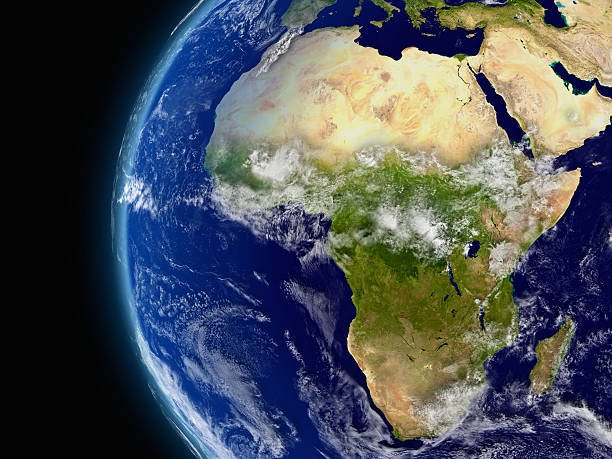
Yes, Africa absolutely experiences snow, a fact that often surprises many who envision the continent solely as a land of scorching deserts and tropical heat. While vast swathes of Africa are indeed warm or hot year-round, specific high-altitude regions, particularly majestic mountain ranges, regularly receive significant snowfall, transforming parts of the continent into unexpected winter landscapes. These areas are concentrated in North Africa, East Africa, and Southern Africa, where elevations soar high enough to drop temperatures below freezing, even near the equator.
Where Does Snow Fall in Africa? Pinpointing the Chilly Regions
The presence of snow in Africa is not a mere anomaly but a recurring seasonal event in several geographically distinct areas. Understanding these locations is key to grasping the continent's true climatic diversity.
The Majestic Atlas Mountains: North Africa's Winter Wonderland
Stretching across Morocco, Algeria, and Tunisia, the Atlas Mountains are arguably the most prominent snow-receiving region in Africa. Peaks like Mount Toubkal in Morocco, the highest peak in North Africa at over 4,167 meters (13,671 feet), are routinely covered in snow from late autumn through spring. The upper reaches of these mountains become genuine winter playgrounds, attracting trekkers, climbers, and even skiers. Moroccan resorts like Oukaïmeden, situated in the High Atlas, boast ski lifts and facilities, offering a unique opportunity for winter sports enthusiasts to hit the slopes on the African continent. The snowfall here is crucial for replenishing rivers and groundwater, supporting agriculture and local populations in the valleys below.
Mount Kilimanjaro: Tanzania's Iconic Snow-Capped Peak
Perhaps the most famous image of African snow is the iconic, snow-capped summit of Mount Kilimanjaro in Tanzania. As Africa's highest mountain, towering to 5,895 meters (19,341 feet), its peak is perpetually cold, leading to the formation of glaciers and permanent snowfields. While these glaciers have been dramatically receding due to global climate change, the summit still receives snowfall, especially during the wetter seasons. The sight of Kilimanjaro's white crown rising majestically above the African plains is a testament to the fact that even at the equator, extreme altitude can create an alpine environment.
The Drakensberg Mountains: Southern Africa's Alpine Gem
In Southern Africa, the magnificent Drakensberg Mountains, forming the eastern escarpment of South Africa and Lesotho, consistently experience snow during the winter months (June to August). Lesotho, often referred to as the "Kingdom in the Sky," is the only country in the world entirely above 1,000 meters (3,281 feet), with its highest peaks reaching over 3,482 meters (11,424 feet). This high altitude ensures regular and often heavy snowfall, particularly in areas like the Maloti Mountains. South Africa's only ski resort, Afriski Mountain Resort, is located in Lesotho's Maloti Mountains, offering skiing and snowboarding opportunities. The Drakensberg snow is vital for the region's water supply, feeding major rivers like the Orange River and the Tugela River.
Other Notable High-Altitude Areas
- Rwenzori Mountains (Mountains of the Moon): Straddling the border between Uganda and the Democratic Republic of Congo, these stunning mountains are high enough to support glaciers and receive consistent snowfall, especially on their highest peaks like Mount Stanley. They are one of the few equatorial mountain ranges with glaciers.
- Mount Kenya: Africa's second-highest peak, standing at 5,199 meters (17,057 feet), also has glaciers and experiences regular snowfall on its upper reaches.
- Simien Mountains, Ethiopia: While less common for significant snow accumulation, the highest peaks of the Ethiopian Highlands, such as Ras Dashen (4,550 meters or 14,928 feet), can occasionally see snowfall during unusually cold periods.
Understanding the Science: Why Snow in a Warm Continent?
The occurrence of African snow is not a meteorological mystery but a direct consequence of fundamental atmospheric principles interacting with specific geographical features. The primary factors at play are altitude, latitude, and prevailing weather patterns.
Altitude is Key: The Lapse Rate Effect
The most crucial factor determining the presence of snow in Africa is altitude. The atmosphere cools with increasing elevation, a phenomenon known as the environmental lapse rate. On average, for every 100 meters (328 feet) increase in altitude, the temperature drops by approximately 0.65°C (3.5°F). This means that even if the ground temperature at sea level is a balmy 30°C (86°F), a mountain peak at 5,000 meters (16,400 feet) could experience temperatures well below freezing, allowing precipitation to fall as snow rather than rain. This explains why mountains like Kilimanjaro, Mount Kenya, and the Rwenzoris, despite being close to the equator, are cold enough at their summits for snow and glaciers.
Latitude and Climate Zones
While altitude is dominant, latitude also plays a significant role, particularly in North and Southern Africa. The Atlas Mountains (North Africa) and the Drakensberg Mountains (Southern Africa) are situated in subtropical zones, which experience distinct cold seasons. During winter (December-February in the North, June-August in the South), these regions are influenced by cold air masses and frontal systems that bring lower temperatures and moisture. When these cold air masses encounter high mountains, the moisture is lifted, cools, and precipitates as snow. Equatorial mountain ranges, however, maintain cold summit temperatures year-round due to extreme altitude, though the amount of snowfall can vary with wet and dry seasons.
Weather Patterns and Atmospheric Conditions
The specific atmospheric conditions that lead to snowfall involve a combination of cold air, moisture, and a lifting mechanism. Cold fronts moving across North and Southern Africa during their respective winter months can bring the necessary freezing temperatures. When this cold, moist air is forced upwards by mountain ranges (a process called orographic lift), it cools further, condenses, and forms clouds that release precipitation. If temperatures are below freezing at the relevant altitudes, this precipitation falls as snow. For desert snow, exceptionally strong cold fronts combined with rare moisture events are required.
Beyond the Mountains: Rare and Unusual Snow Events
While most African snow is confined to high mountain ranges, there have been extraordinary instances of snowfall in much lower and unexpected areas, primarily deserts.
Desert Snow: A Glimpse of the Extraordinary
One of the most astonishing sights is snow in the Sahara Desert. Although incredibly rare, there have been documented cases, notably in and around Ain Sefra, Algeria, which is often referred to as "The Gateway to the Desert." In 2016, 2018, and again in 2021, parts of the Algerian Sahara experienced snowfall, with some areas receiving several centimeters that briefly covered the sand dunes. These events are exceptional, requiring a very unusual combination of extremely cold air flowing down from the north (often from Europe) and just enough moisture to create precipitation at temperatures low enough to form snow. Such occurrences highlight the extreme variability that even seemingly inhospitable climates can exhibit.
Low-Lying Areas: Exceptional Occurrences
Beyond the mountains and the Sahara, very rare and localized snow events can occur in other low-lying areas, particularly in parts of Southern Africa (like the Karoo region in South Africa) during intense cold fronts. These are typically fleeting dustings rather than significant accumulations, but they underscore the potential for unique weather phenomena across the continent.
The Impact of Climate Change on African Snow
The phenomenon of snow in Africa, particularly the existence of permanent glaciers on equatorial mountains, provides a stark barometer for global climate change. The evidence is alarming.
Receding Glaciers: A Stark Reality
The most visible and concerning impact is the rapid retreat of glaciers on mountains like Kilimanjaro and Mount Kenya, and to a lesser extent, the Rwenzoris. Scientific studies and photographic evidence reveal a dramatic reduction in ice cover over the past century. Experts predict that the remaining glaciers on Kilimanjaro could disappear entirely within decades if current warming trends continue. This loss has significant implications:
- Water Resources: While the direct contribution of glacier meltwater to river systems is minor compared to seasonal rainfall, the glaciers serve as symbolic and, to some extent, practical water towers for surrounding ecosystems and communities. Their disappearance affects local water cycles and potentially agricultural practices.
- Biodiversity: Unique alpine ecosystems dependent on these cold, moist environments are threatened as temperatures rise and habitats shrink.
- Cultural and Economic Impact: The iconic snows of Kilimanjaro attract tourists and hold cultural significance for local communities. Their loss represents a profound change to the natural heritage of the continent.
While seasonal snow in the Atlas and Drakensberg mountains is primarily driven by winter weather patterns and is not as immediately threatened as equatorial glaciers, shifts in temperature and precipitation patterns due to climate change could alter the frequency and intensity of snowfall in these regions as well, potentially impacting water availability and winter tourism.
African Snow: Tourism, Culture, and Ecosystems
The presence of snow in Africa, though geographically limited, creates unique opportunities and supports vital ecological functions.
Skiing and Winter Sports in Africa
The existence of ski resorts like Oukaïmeden in Morocco and Afriski in Lesotho offers a genuinely distinctive experience for winter sports enthusiasts. These resorts are not as expansive or as famous as their European or North American counterparts, but they provide a charming and often adventurous alternative, showcasing the unexpected diversity of African landscapes and activities. This niche tourism contributes to local economies and offers a different perspective on the continent's offerings.
Ecological Significance
The mountains that receive snow act as crucial "water towers." The melting snow and ice contribute to river systems, feeding reservoirs, sustaining agriculture, and providing drinking water for millions. The high-altitude alpine zones also harbor unique and often endemic flora and fauna adapted to cold, harsh conditions. These ecosystems are vital for biodiversity conservation.
Consider the table below highlighting key snow regions and their characteristics:
| Region/Mountain | Country/Countries | Typical Snow Season | Significance |
|---|---|---|---|
| Atlas Mountains | Morocco, Algeria | Late Autumn - Spring (Nov-May) | Ski tourism, water source for North Africa |
| Mount Kilimanjaro | Tanzania | Year-round (glaciers), seasonal snowfall | Highest peak, receding glaciers, climate change indicator |
| Drakensberg Mountains | South Africa, Lesotho | Winter (June-Aug) | Ski resort (Afriski), major water catchment |
| Rwenzori Mountains | Uganda, DRC | Year-round (glaciers) | Equatorial glaciers, unique biodiversity |
| Mount Kenya | Kenya | Year-round (glaciers), seasonal snowfall | Second highest peak, significant ecosystem |
Cultural Significance
For many communities living in the shadow of these snow-capped peaks, the snow is an integral part of their cultural heritage and daily life. It influences traditional farming practices, building styles, and local folklore. The sight of snow in Africa, while surprising to outsiders, is a deeply ingrained and valued aspect of existence for these high-mountain populations.
In conclusion, the answer to "Does Africa experience snow?" is a resounding yes. From the towering peaks of the Atlas Mountains and Mount Kilimanjaro to the high plateaus of the Drakensberg, snow is a regular and often significant feature of Africa's diverse climate. While the image of a hot, sun-baked continent prevails, pockets of alpine wilderness offer stark contrasts, shaped by extreme altitude and distinct seasonal weather patterns. These snowy regions are not only ecologically vital, serving as crucial water sources and biodiversity hotspots, but also present unique opportunities for tourism and hold deep cultural significance. As climate change continues to impact the planet, monitoring Africa's disappearing glaciers serves as a poignant reminder of our interconnected global environment and the enduring wonder of a continent that continues to defy simple categorization.
Enjoyed this read?
Share it with your friends and colleagues.