Does Africa Experience Winter

BSC Insights Admin
October 07, 2026
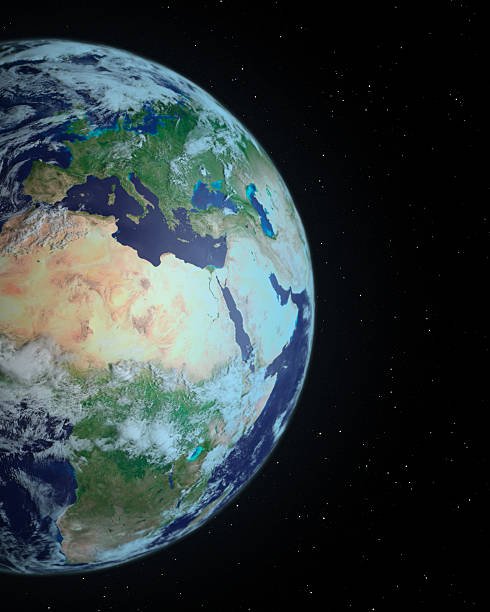
Africa, a continent of unparalleled geographical and climatic diversity, does indeed experience winter, though not in the homogenous way many might imagine for temperate regions. The concept of "winter" in Africa varies dramatically, ranging from noticeable cold snaps and even snowfall in specific high-altitude or southern regions to simply a drier, less humid period with slightly cooler temperatures near the equator. Understanding Africa's seasonal patterns requires appreciating its vastness and the distinct climatic zones that shape its weather.
Understanding Africa's Climatic Zones
To grasp the nuanced answer to whether Africa experiences winter, one must first understand the continent's major climate zones. Africa stretches across both the Northern and Southern Hemispheres, straddling the equator, which results in a wide array of temperature and precipitation regimes. These zones dictate the local experience of seasons, often referred to as "winter" or "summer."
Equatorial Climate
Regions close to the equator, such as parts of Central Africa (e.g., Democratic Republic of Congo, Gabon, Uganda, Kenya's highlands), experience a tropical rainforest climate. Here, temperatures remain consistently high throughout the year, with minimal seasonal fluctuation. Instead of distinct hot and cold seasons, these areas typically have two wet seasons and two slightly drier periods. The concept of a cold "winter" is entirely absent; instead, there might be a "cooler" dry season, but temperatures rarely drop significantly below 25°C (77°F).
Tropical Wet and Dry (Savanna) Climate
Moving away from the equator, larger areas of Africa, including much of West Africa, East Africa, and parts of Southern Africa, fall under the tropical wet and dry or savanna climate. This zone is characterized by a distinct wet season (summer) and a pronounced dry season (winter). During the dry season, rainfall is scarce, humidity drops, and temperatures can be slightly cooler, especially at night. While not "cold" by European or North American standards, this dry season is the closest many parts of tropical Africa get to a winter, marked by lower average temperatures and clear skies.
Desert and Semi-Arid Climate
Vast expanses, particularly North Africa (Sahara Desert) and parts of Southern Africa (Kalahari Desert), are dominated by desert and semi-arid climates. These regions experience extreme temperature variations between day and night. While summers are intensely hot, winters can be surprisingly cool, especially at night. Coastal desert areas, like parts of Namibia, can also experience cold fogs and mild, yet distinctly cooler, winter temperatures. For example, parts of the Sahara can see night-time temperatures drop close to freezing in winter months.
Mediterranean Climate
The northernmost and southernmost tips of Africa enjoy a Mediterranean climate. These include countries like Morocco, Algeria, Tunisia, and parts of Libya in the north, and the Western Cape province of South Africa in the south. These regions have distinct seasons resembling those of Mediterranean Europe: hot, dry summers and mild, wet winters. Here, winter is a familiar concept, with cooler temperatures, increased rainfall, and a need for warmer clothing.
Highland Climate
Mountainous regions across Africa, such as the Atlas Mountains in North Africa, the Ethiopian Highlands, Mount Kilimanjaro, Mount Kenya, and the Drakensberg Mountains in Southern Africa, exhibit an alpine or highland climate. Temperatures decrease with altitude, and these areas can experience genuinely cold conditions, including regular snowfall and freezing temperatures during their respective winter months. These are arguably the "coldest" winters found on the continent.
"Winter" in Southern Africa: A More Familiar Experience
For those accustomed to temperate climates, Southern Africa offers the most recognizable "winter" experience. Countries in this region are in the Southern Hemisphere, meaning their winter months occur from June to August.
South Africa
South Africa is the prime example of a country in Africa that experiences a distinct winter. The Western Cape, with its Mediterranean climate, has wet and relatively cold winters (June-August), particularly in Cape Town. Inland areas like Johannesburg and Pretoria experience dry, sunny, and crisp winters, with cold nights and mornings often dropping to freezing point, sometimes even lower. Snowfall is not uncommon in the Drakensberg Mountains and other high-altitude areas. The Eastern Cape and KwaZulu-Natal also have cooler, drier winters, with some areas receiving occasional snow.
Lesotho and Eswatini (formerly Swaziland)
These two landlocked countries, particularly Lesotho, known as the "Kingdom in the Sky," experience severe winters. Due to its high average altitude, Lesotho sees significant snowfall and sub-zero temperatures from June to August, making it a popular destination for skiing. Eswatini, while generally milder, also experiences cooler winter months, especially in its higher regions.
Parts of Namibia and Botswana
While primarily desert and semi-arid, parts of Namibia and Botswana experience notably cooler winter months. Days are generally sunny and mild, but night-time temperatures can plummet below freezing, especially in the Kalahari Desert, necessitating warm clothing for visitors and locals alike. This dry, cool period is often considered prime time for wildlife viewing as animals congregate around water sources and vegetation is sparse.
North Africa: Mediterranean Influence
North Africa's experience of winter is primarily shaped by its proximity to the Mediterranean Sea and the presence of the Atlas Mountains.
Coastal Regions (Morocco, Algeria, Tunisia, Libya, Egypt)
The coastal strips of North African countries like Morocco, Algeria, Tunisia, Libya, and Egypt enjoy a Mediterranean winter from December to February. These months are characterized by milder temperatures compared to summer, increased rainfall, and occasional cool winds. While rarely freezing, temperatures can drop to 10-15°C (50-59°F) during the day and cooler at night. This makes North Africa a popular winter sun destination for Europeans seeking refuge from colder climates.
Atlas Mountains
The Atlas Mountains, stretching across Morocco, Algeria, and Tunisia, experience a true winter with cold temperatures and significant snowfall. Ski resorts operate in Morocco (e.g., Oukaimeden) during these months. The high peaks remain snow-capped for several months, influencing local ecosystems and providing water for downstream communities during the melt.
Equatorial and Tropical Regions: Wet vs. Dry Seasons
For the vast central belt of Africa, extending across the equator, the concept of winter as a cold period is largely irrelevant. Instead, the year is divided into wet and dry seasons, often referred to as "green season" and "dry season."
The Absence of a True "Winter"
In countries like Nigeria, Ghana, Cameroon, Uganda, and Kenya (excluding highlands), temperatures remain consistently warm year-round. Daily averages hover around 25-30°C (77-86°F), with very little variation. The "seasons" are marked by rainfall patterns. The dry season, which some might colloquially refer to as "winter" due to its contrast with the rainy season, involves lower humidity, fewer clouds, and slightly cooler mornings and evenings, but never actual cold.
The Significance of Dry Seasons
The dry season, typically from June to October in parts of East Africa and November to February in parts of West Africa, is crucial for many aspects of life. It’s when crops are harvested, roads become passable, and for wildlife tourism, it’s often the best time for safaris as animals congregate around dwindling water sources. While not cold, the dry season represents a significant shift in weather patterns and daily life, distinct from the intense heat and humidity of the rainy season.
Snowfall in Africa: A Surprising Reality
One of the most surprising aspects for many when discussing Africa's climate is the existence of snowfall. While not widespread, it is a regular occurrence in specific regions, challenging the common misconception of Africa as a uniformly hot continent.
High Altitude Areas
As mentioned, Africa's mountainous regions are key to its snowfall. These include:
- Mount Kilimanjaro, Tanzania: Africa's highest peak, perpetually capped with snow and glaciers, though receding due to climate change.
- Mount Kenya, Kenya: The second-highest peak, also features glaciers and receives regular snowfall.
- Rwenzori Mountains ("Mountains of the Moon"), Uganda/DRC: These peaks are known for their glaciers and receive significant snowfall.
- Ethiopian Highlands: While not typically associated with heavy snowfall, isolated high peaks can receive snow.
Southern Africa's Drakensberg
The Drakensberg Mountains, spanning parts of South Africa and Lesotho, regularly experience heavy snowfall during the winter months (June-August). This transforms the landscape into a winter wonderland and supports South Africa's small ski industry. Local towns and villages in the foothills can also experience light snowfalls.
North Africa's Atlas Mountains
The Atlas Mountains are perhaps the most reliable place to find snow in North Africa. From December to March, ski resorts like Oukaimeden in Morocco are operational, attracting both local and international visitors. Snow can be quite heavy at higher elevations, leading to road closures and significant cold.
Seasonal Variations and Their Impact
The diverse seasonal experiences across Africa have profound impacts on various aspects of life and the environment.
Agriculture and Water Resources
In regions with distinct wet and dry seasons, agriculture is entirely dependent on rainfall cycles. The "winter" dry season can bring challenges of water scarcity for both farming and human consumption, especially in semi-arid and savanna zones. In Mediterranean climate zones, winter rains are vital for replenishing reservoirs and supporting winter crops like cereals.
Wildlife Migration and Safaris
For wildlife tourism, understanding Africa's seasons is paramount. In East Africa, the Great Migration of wildebeest and zebra follows the rainfall patterns, moving between Tanzania and Kenya. The dry season (often the "winter" equivalent in terms of cooler, drier weather) is often considered the best time for safaris in many parks, as vegetation is sparser, and animals gather around limited water sources, making them easier to spot. Conversely, the "green season" brings lush landscapes and newborn animals.
Tourism Considerations
Travelers planning a trip to Africa must consider the regional "winter" periods. Southern Africa's winter offers crisp, clear days perfect for safaris but cold nights, requiring warm clothing. North Africa's mild winter is ideal for exploring historical sites and coastal towns without the intense summer heat. Equatorial regions, even during their "dry season" (not a true winter), remain warm and are excellent for specific activities like gorilla trekking, as trails are less muddy.
Planning Your Trip: What to Expect Seasonally
Understanding Africa's seasonal nuances is key to planning a comfortable and enjoyable trip. Here are some actionable insights:
Tips for Southern Africa's Cooler Months (June-August)
- Pack Layers: Days can be sunny and mild, but nights and mornings are very cold, especially on safari vehicles. Include warm jackets, scarves, gloves, and hats.
- Safari Benefits: This is peak safari season in many areas (e.g., Kruger National Park) due to sparse vegetation and animals congregating.
- Mountain Adventures: Consider skiing or hiking in the Drakensberg or Lesotho for a unique African winter experience.
Tips for North Africa's Mild Winters (December-February)
- Enjoy Pleasant Weather: Ideal for sightseeing in cities like Marrakech, Cairo, or Tunis without extreme heat.
- Occasional Rain: Be prepared for some rainy days, especially in coastal and mountainous regions.
- Skiing: Explore the possibility of skiing in the Atlas Mountains for a truly distinctive African holiday.
Tips for Equatorial/Tropical Regions' Dry Seasons (Varies by location)
- Warm but Less Humid: Expect warm temperatures but lower humidity than the rainy season, making conditions more comfortable.
- Best for Trekking: Ideal for activities like gorilla or chimpanzee trekking as trails are drier.
- Consider Wildlife: Dry seasons are often excellent for spotting wildlife in national parks due to water scarcity concentrating animals.
A table summarizing typical winter conditions in key African regions:
| Region/Country | Typical "Winter" Months | Characteristics | Activities/Notes |
|---|---|---|---|
| Southern Africa (e.g., South Africa, Lesotho) | June - August | Cold nights/mornings, mild/sunny days. Frost, snow in highlands. Dry. | Skiing (Lesotho), safaris (Kruger), hiking. Warm layers essential. |
| North Africa (e.g., Morocco, Egypt) | December - February | Mild days, cool nights. Increased rainfall (coast), snow (mountains). | Sightseeing (historical sites), desert excursions, skiing (Atlas). |
| East Africa (e.g., Kenya, Tanzania) - Lowlands | July - October (long dry season) | Warm days, cooler evenings. Low humidity. No true cold. | Great Migration safaris, trekking. Less muddy. |
| West/Central Africa (e.g., Nigeria, DRC) | Varies (dry seasons) | Consistently hot, but dry season is less humid, slightly "cooler" than wet season. | Less rainfall, easier travel. No concept of cold winter. |
| Highland Africa (e.g., Kilimanjaro, Atlas) | Varies by hemisphere | Cold, freezing temperatures, regular snowfall, glaciers. | Mountain climbing, skiing. Specialist gear required. |
Conclusion
In conclusion, the question "Does Africa experience winter?" is met with a definitive yet nuanced "yes." Africa's sheer size and diverse geographical features mean that "winter" is not a monolithic experience across the continent. While equatorial regions experience consistent warmth, divided by wet and dry seasons, the northern and southernmost tips of Africa enjoy Mediterranean climates with genuinely mild, wet winters. Most significantly, Southern Africa and the continent's numerous high-altitude mountain ranges experience distinct cold seasons, often accompanied by frost and even heavy snowfall. This rich tapestry of climates underscores the importance of understanding specific regional weather patterns when considering Africa's seasonal variations, revealing a continent far more climatically complex than often perceived.
Enjoyed this read?
Share it with your friends and colleagues.