Does Africa Export Food

BSC Insights Admin
July 25, 2026
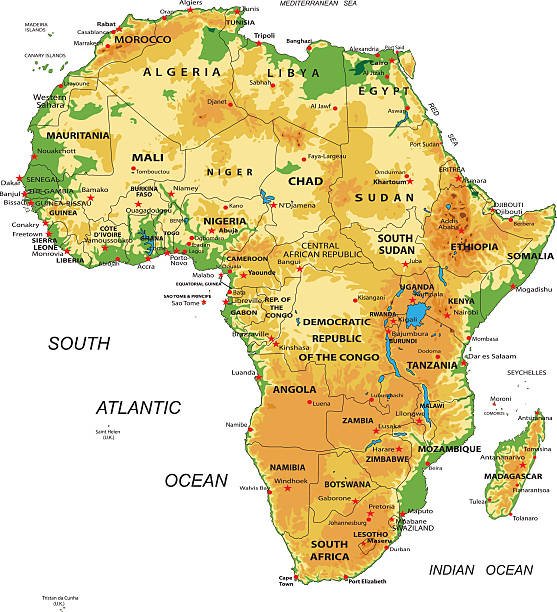
Yes, Africa does export food to various parts of the world, playing a significant, albeit often understated, role in global food supply chains. While the continent faces considerable challenges related to food security for its own population, many African nations are significant producers and exporters of a wide array of agricultural products, from cash crops like cocoa and coffee to fresh fruits, vegetables, and seafood. This dynamic agricultural trade contributes substantially to the economies of numerous African countries, generating foreign exchange and providing livelihoods for millions.
Understanding Africa's Agricultural Landscape and Export Potential
Africa is a continent of immense geographical and climatic diversity, boasting vast arable land, diverse ecosystems, and a rich tapestry of agricultural practices. This natural endowment allows for the cultivation of a wide range of crops suitable for both domestic consumption and international markets. The sector remains the backbone of many African economies, employing a large percentage of the population and contributing significantly to national GDPs. Understanding the nature and scale of these agricultural endeavors is crucial to appreciating Africa's role as a food exporter.
A Continent of Diverse Climates and Crops
From the Mediterranean climate of North Africa, ideal for olives and citrus, to the tropical rainforests of West and Central Africa, perfect for cocoa and palm oil, and the fertile highlands of East Africa, renowned for coffee and tea, the continent offers varied conditions. Sub-Saharan Africa, in particular, is a powerhouse for many tropical crops. This natural advantage enables African farmers to produce commodities that are in high demand globally, cementing the continent's position in global food trade. Key factors influencing export potential include soil fertility, rainfall patterns, and the availability of irrigation systems, alongside human capital and market access.
Key Food and Agricultural Products Exported by Africa
Africa's export basket is diverse, encompassing both raw agricultural commodities and, increasingly, processed food products. The types of food Africa exports often depend on regional specialties and historical trade relationships. These exports not only generate income but also help integrate African economies into the broader international trading system.
Cash Crops: Africa's Global Staples
Several agricultural products from Africa are foundational to global consumption patterns. These cash crops from Africa are cultivated primarily for export, forming a significant portion of many countries' revenues:
- Cocoa: West African countries, particularly Ivory Coast and Ghana, dominate global cocoa production, supplying the raw material for the world's chocolate industry. These two nations alone account for over 60% of the world's cocoa beans.
- Coffee: East African nations like Ethiopia (the birthplace of coffee), Kenya, Rwanda, and Uganda are renowned for their high-quality Arabica and Robusta beans, which are highly sought after by international roasters.
- Tea: Kenya is a leading exporter of black tea, with its unique flavor profile finding markets worldwide. Other producers include Malawi, Uganda, and Tanzania.
- Cashew Nuts: West African countries, including Ivory Coast, Nigeria, and Ghana, are major players in the raw cashew nut market, contributing substantially to global supply.
- Spices: Madagascar is a dominant producer of vanilla, while Tanzania and Comoros are significant exporters of cloves.
- Cotton: Many West and Central African nations export cotton, a vital fiber crop that also yields cottonseed oil.
- Palm Oil: Countries like Nigeria and Ghana have historically been significant palm oil producers, though Asian producers now dominate. Efforts are underway to revive and expand production.
Fruits and Vegetables: Growing Demand
The export of fresh produce, including a wide variety of African fruits and vegetables, has seen substantial growth, driven by increasing demand from European and Middle Eastern markets for year-round availability. Examples include:
- Avocados: Kenya and South Africa are major exporters of avocados, prized for their healthy fats.
- Citrus Fruits: South Africa, Egypt, and Morocco export large volumes of oranges, mandarins, and grapefruits.
- Berries: Countries like Zimbabwe and South Africa are expanding their exports of blueberries and raspberries.
- Green Beans and Peas: Kenya and Ethiopia are prominent suppliers of fresh green beans and snow peas to European supermarkets.
- Exotic Fruits: Mangoes, pineapples, and papayas are also exported from various tropical regions.
Fish and Seafood: Coastal Riches
With extensive coastlines and rich marine resources, several African countries export fish and seafood products. Morocco, Mauritania, Senegal, and Namibia are significant exporters of various fish species, including sardines, mackerel, and hake, as well as crustaceans. Aquaculture is also growing, contributing to the diversity of seafood exports.
Grains and Other Staples (Selective Export)
While many African countries import staple grains to meet domestic demand, certain regions and nations do export specific grains or processed grain products. For instance, some Southern African nations occasionally export maize (corn) to neighboring countries with shortfalls. Ethiopia has also emerged as a significant exporter of pulses (lentils, chickpeas) and oilseeds, contributing to global food diversity. Rice, wheat, and sorghum are also produced across the continent, with sporadic cross-border trade.
Major African Food Exporting Nations and Regions
While food exports are widespread across the continent, some regions and countries stand out due to their agricultural output and robust trade infrastructures.
West Africa: Cocoa, Cashews, and Tropical Produce
Countries like Ivory Coast, Ghana, and Nigeria are global leaders in cocoa and cashew production. Senegal and Mauritania are known for their fish exports, while other nations contribute tropical fruits.
East Africa: Coffee, Tea, and Horticulture
Kenya is a dominant player in tea and fresh cut flowers, alongside significant coffee exports. Ethiopia is famous for its coffee and pulses, while Uganda and Tanzania also contribute coffee, tea, and spices to the global market.
Southern Africa: Fruits, Sugar, and Wine
South Africa is arguably the most diversified agricultural exporter on the continent, with significant exports of citrus, deciduous fruits (apples, pears, grapes), wine, sugar, and maize. Zimbabwe and Zambia also export tobacco, sugar, and some horticultural products.
North Africa: Olives, Dates, and Citrus
Egypt and Morocco are major exporters of citrus fruits, dates, olives, and olive oil to Europe and beyond. These regions benefit from proximity to European markets and well-established trade routes.
Drivers and Economic Significance of African Food Exports
The motivation behind Africa's food exports is multifaceted, primarily rooted in economic necessity and the desire for national development. These exports are not merely a transaction; they are a vital component of the continent's economic strategy.
Generating Crucial Foreign Exchange
African agricultural exports are a primary source of foreign currency for many countries, which is essential for importing vital goods, servicing external debts, and investing in infrastructure and other developmental projects. For some nations, a single commodity like cocoa or coffee can account for a substantial percentage of their total export earnings.
Employment and Livelihoods
The agricultural sector, particularly export-oriented segments, provides employment for millions across the value chain – from farmers and laborers to processors, transporters, and traders. This creates vital livelihoods, particularly in rural areas, and supports local economies.
Integration into Global Supply Chains
By exporting food, African countries become integrated into global supply chains, fostering economic linkages, technology transfer, and adherence to international quality and sustainability standards. This integration can lead to improved farming practices and greater market access over time.
Challenges Facing African Food Exports
Despite its vast potential, African food exports face numerous hurdles that often limit their competitiveness and growth. Addressing these challenges is paramount for unlocking the continent's full agricultural export capabilities.
Infrastructure Deficiencies
Poor infrastructure, including inadequate road networks, insufficient cold chain facilities, unreliable energy supply, and congested ports, significantly increases the cost of doing business. This makes African products less competitive on the global market and leads to substantial post-harvest losses.
Climate Change and Environmental Vulnerabilities
African agriculture is highly vulnerable to the impacts of climate change, including erratic rainfall, prolonged droughts, and increased incidence of pests and diseases. These factors can severely affect crop yields and quality, leading to reduced export volumes and instability in supply.
Market Access and Trade Barriers
While some African products enjoy preferential access to certain markets, others face tariff and non-tariff barriers, including stringent sanitary and phytosanitary standards (SPS) and other regulatory hurdles in importing countries. Navigating these complex requirements can be particularly challenging for small and medium-sized enterprises.
Limited Value Addition and Processing
A significant proportion of African agricultural exports are raw commodities. The lack of adequate processing and value addition facilities within Africa means that much of the profit potential is captured by processors and distributors in importing countries. For instance, most African cocoa is exported as beans rather than processed into chocolate or cocoa butter.
Post-Harvest Losses
High post-harvest losses, due to poor storage, transportation, and handling, reduce the quantity and quality of produce available for export. These losses are estimated to be substantial, often reaching 30-40% for perishable goods.
Policy and Governance Issues
Inconsistent agricultural policies, weak land tenure systems, limited access to finance for farmers, and governance challenges can hinder investment and productivity in the export-oriented agricultural sector.
Opportunities for Growth and Enhanced Export Potential
Despite the challenges, significant opportunities exist for African nations to expand and diversify their food exports, creating more sustainable and inclusive growth.
Boosting Intra-African Trade
The African Continental Free Trade Area (AfCFTA) presents an unprecedented opportunity to boost intra-African trade, including agricultural products. Reducing trade barriers among African nations could create larger, more stable markets for diverse food items, reducing reliance on distant international markets.
Investment in Value Chains and Processing
Investing in agro-processing facilities can enable African countries to move up the value chain, exporting higher-value processed foods instead of raw materials. This can significantly increase export earnings, create more local jobs, and enhance product competitiveness.
Sustainable Agricultural Practices
Adopting sustainable and climate-resilient agricultural practices can mitigate the effects of climate change, improve soil health, and ensure long-term productivity and quality of export crops. This also aligns with global consumer demand for sustainably sourced products.
Technology and Innovation Adoption
Leveraging agricultural technologies, such as improved seeds, precision farming, efficient irrigation systems, and digital platforms for market access, can boost yields, reduce costs, and enhance the quality of export produce.
Diversification of Export Markets and Products
Exploring new export markets beyond traditional partners and diversifying the range of export products can reduce dependency on a few commodities or destinations, making export revenues more stable and resilient.
The Complex Interplay: Exports and Food Security in Africa
The question of whether Africa exports food is often intertwined with the continent's own food security challenges. While food exports bring in much-needed revenue, critics sometimes question if prioritizing exports compromises local food availability and affordability. However, the relationship is more nuanced.
The Cash Crop vs. Food Crop Debate
There's an ongoing debate about allocating land and resources between cash crops for export and food crops for domestic consumption. A balanced approach is crucial, where export earnings are reinvested into improving overall agricultural productivity, including for staple food crops, and enhancing local food systems.
Impact on Local Prices and Availability
Exporting certain food items can, in some cases, reduce their availability in local markets, potentially driving up prices for domestic consumers. However, well-managed export sectors can also stimulate local production, improve infrastructure, and create economic opportunities that indirectly enhance food security by increasing incomes and purchasing power.
Future Outlook for African Food Exports
The future for African food exports is characterized by significant growth potential, contingent on strategic investments and policy reforms. With a rapidly growing population, increasing global demand for food, and efforts towards greater regional integration, Africa is poised to become an even more critical player in feeding the world. Emphasis on value addition, sustainable farming, and improved market access will be key to unlocking this potential.
In conclusion, Africa is undeniably a significant exporter of various food and agricultural products, contributing substantially to global markets and the economies of its nations. From cocoa and coffee to fresh fruits and seafood, the continent's diverse agricultural offerings are a vital part of international trade. While challenges such as infrastructure, climate change, and limited value addition persist, opportunities for growth, particularly through intra-African trade, investment in processing, and sustainable practices, are immense. Recognizing and supporting Africa's role as a food exporter is essential for its economic development and for strengthening global food supply chains.
Enjoyed this read?
Share it with your friends and colleagues.