Does Africa Have Extradition Laws

BSC Insights Admin
September 30, 2026
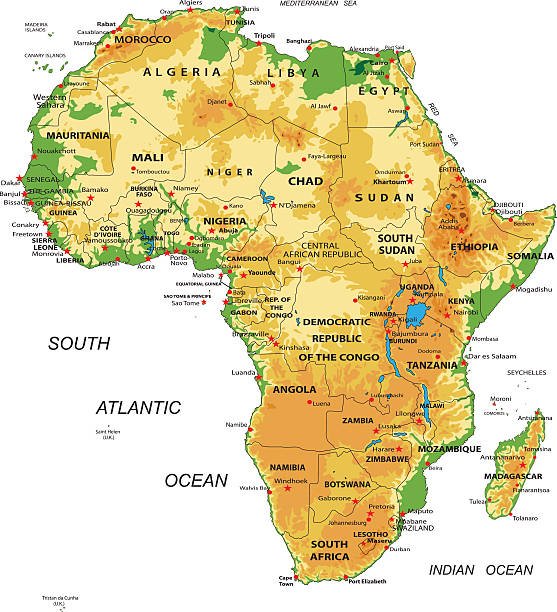
Yes, African countries do have extradition laws, though their application, specific frameworks, and efficiency vary significantly across the continent. Extradition in Africa is governed by a complex interplay of domestic legislation, bilateral treaties between individual nations, multilateral agreements within regional blocs, and international conventions.
This intricate web reflects Africa's diverse legal heritage, encompassing common law, civil law, customary law, and Islamic law traditions, which all influence how states approach requests for the surrender of alleged criminals. While the mechanisms exist, the process is often shaped by political considerations, human rights concerns, and the varying capacities of national justice systems. Understanding Africa's extradition policies requires delving into these multifaceted layers.
Understanding Extradition: The Basics
Extradition is the formal process by which a person accused or convicted of a crime in one country is surrendered by another country to face justice. It is a cornerstone of international criminal justice cooperation, preventing criminals from escaping prosecution simply by crossing borders. For extradition laws Africa to be effective, clear legal frameworks and mutual trust between states are essential, ensuring that justice can be pursued beyond national boundaries.
What is Extradition?
At its core, extradition is a request from one sovereign state (the requesting state) to another (the requested state) for the return of an individual. This individual may be a fugitive from justice who has fled the requesting state to avoid prosecution, or a convicted person who has escaped after sentencing. The legal basis for such a transfer is almost always a treaty or a specific domestic law, outlining the grounds and procedures for such a surrender. This makes how extradition works in African countries fundamentally similar to processes worldwide, but with local adaptations.
The Dual Criminality Principle
A fundamental principle in most extradition arrangements, including those governing African extradition agreements, is dual criminality. This means that the offense for which extradition is sought must be recognized as a criminal offense in both the requesting state and the requested state. For instance, if a person is accused of a crime that is illegal in country A but not in country B, country B is unlikely to grant extradition based on this principle. This ensures that a country does not extradite a person for an act it does not itself deem criminal.
Political Offenses Exception
Another common exception to extradition is the "political offense" clause. Historically, many countries would refuse to extradite individuals accused of purely political crimes. However, the definition of what constitutes a "political offense" has evolved, particularly in the context of terrorism and serious international crimes. Most modern treaties and laws, especially those guiding judicial cooperation Africa, explicitly exclude acts of terrorism, genocide, war crimes, and crimes against humanity from being considered political offenses. This ensures that perpetrators of such heinous acts cannot evade justice by claiming political asylum, reflecting a global consensus against impunity for grave crimes.
National Laws and Bilateral Treaties
Every sovereign nation in Africa possesses its own domestic laws governing extradition. These national statutes outline the procedures, criteria, and limitations for granting or refusing an extradition request. These laws are foundational to the legal framework extradition Africa relies upon. For example, countries like South Africa extradition laws are primarily enshrined in the Extradition Act of 1962, which details the conditions under which a person may be extradited to a foreign state. Similarly, Nigeria extradition procedures are comprehensively detailed in the Extradition Act of 1966, providing a legal roadmap for both inbound and outbound requests.
Beyond national legislation, the bulk of extradition cooperation occurs through bilateral extradition treaties. These are legally binding agreements between two specific countries that detail the types of offenses for which extradition can be granted, the evidence required, and the precise procedures to be followed. African nations have signed numerous such treaties, not only with each other but also with countries in Europe, North America, and Asia. These treaties significantly streamline the process and provide legal certainty, making cross-border justice more predictable and efficient.
In the absence of a bilateral treaty, some countries may still grant extradition based on the principle of reciprocity. This means they would be willing to extradite if the requesting state would do the same for them under similar circumstances. However, this is generally less common for serious offenses and often requires specific domestic legal provisions or executive discretion, highlighting the importance of formal agreements for robust mutual legal assistance Africa.
Regional Cooperation and Pan-African Initiatives
Given the interconnectedness of African nations and the need to combat cross-border crime, regional organizations play a crucial role in facilitating legal cooperation, including extradition. These regional efforts aim to harmonize laws and strengthen collective security.
The African Union (AU) and its Role
The African Union, the continent's premier political and economic organization, has made significant strides in promoting judicial cooperation among its member states. Although it does not have a single overarching extradition convention that applies to all members, the AU champions the harmonization of laws and encourages mutual legal assistance. The African Charter on Human and Peoples' Rights, adopted under the OAU (precursor to AU), influences how human rights considerations are integrated into extradition proceedings, particularly concerning fair trial guarantees and the prohibition of torture, which are vital aspects of human rights extradition Africa.
The AU has also been instrumental in pushing for frameworks to prosecute international crimes, notably with the proposed African Court of Justice and Human Rights, which would have jurisdiction over such matters, potentially leading to intra-African judicial transfers that resemble extradition, demonstrating a commitment to continental justice.
Economic Community of West African States (ECOWAS)
ECOWAS, comprising fifteen West African countries, has established robust mechanisms for cooperation. The ECOWAS Convention on Extradition (1994) and subsequent protocols aim to standardize and simplify extradition procedures among its member states. This regional agreement covers a wide range of offenses and outlines the process for requesting and executing extradition warrants, significantly enhancing regional extradition agreements and overall judicial cooperation Africa within the sub-region. It provides a common legal basis that complements bilateral agreements.
Southern African Development Community (SADC)
The SADC region, consisting of sixteen Southern African states, also boasts agreements to facilitate legal and judicial cooperation. The SADC Protocol on Extradition (2002) provides a framework for member states to extradite persons for various serious crimes, including corruption, money laundering, and drug trafficking. This protocol underscores the commitment of SADC nations to combat transnational crime collectively and strengthens the network of extradition treaties Africa has established.
East African Community (EAC)
The EAC, bringing together seven East African nations (Burundi, Kenya, Rwanda, South Sudan, Tanzania, Democratic Republic of Congo, and Uganda), has similarly prioritized cooperation in criminal matters. While a comprehensive EAC extradition treaty is still under development, member states largely rely on bilateral agreements and their respective national laws, often guided by the principles of mutual legal assistance. The emphasis is on developing a harmonized legal environment that supports efficient cross-border law enforcement and contributes to stability in the region.
These regional frameworks demonstrate a strong commitment among African states to strengthen their collective capacity to address crime and ensure that fugitives cannot find safe haven within the continent. They serve as vital supplements to bilateral treaties, filling gaps and fostering a spirit of collaboration, thereby enhancing the reach and effectiveness of Africa's extradition policies.
Challenges and Nuances of Extradition in Africa
Despite the existence of laws and treaties, the practical implementation of extradition in Africa presents several significant challenges that can complicate or delay the process.
Varying Legal Systems and Procedures
The sheer diversity of legal systems across Africa – common law (e.g., Kenya, South Africa, Nigeria), civil law (e.g., Algeria, Angola, Senegal), and mixed systems (e.g., Ethiopia, Madagascar) – means that procedures for arrest, evidence collection, and judicial review can differ significantly. This can create hurdles and delays when a requesting state's procedural requirements do not align perfectly with those of the requested state, making the process of extradition treaties Africa more complex.
Political Will and Sovereignty Concerns
Extradition requests often touch upon sensitive issues of national sovereignty and political relations. Decisions to extradite can be influenced by diplomatic considerations, historical grievances, or the political standing of the individual sought. There have been instances where governments have been reluctant to extradite individuals for political reasons, even when a legal basis exists. This is a critical factor when discussing the challenges of extradition in Africa, as political expediency can sometimes override legal obligations.
Human Rights Considerations
Human rights are paramount in modern extradition law. African nations are signatories to various international and regional human rights instruments. Consequently, a requested state may refuse extradition if there is a real risk that the individual would face torture, inhuman or degrading treatment, an unfair trial, or arbitrary detention in the requesting state. The existence of the death penalty in the requesting state is also a significant barrier, as many countries refuse extradition where the death penalty may be imposed without assurances it will not be carried out or will be commuted. This focus on human rights extradition Africa is a cornerstone of responsible international legal cooperation.
- Risk of torture or ill-treatment: A strong deterrent for many countries, requiring assurances from the requesting state.
- Unfair trial concerns: Lack of due process, an independent judiciary, or credible evidence can lead to refusal.
- Death penalty: Often requires binding assurances that the death penalty will not be sought or executed, or that it will be commuted.
- Political persecution: Fear that the request is politically motivated rather than based on genuine criminal charges, necessitating careful scrutiny of the underlying intent.
Capacity and Resource Limitations
Many African justice systems, particularly in less developed nations, face challenges related to capacity and resources. These can include insufficient training for legal professionals in international law, outdated legal infrastructure, and a lack of funding for complex extradition proceedings. Such limitations can lead to protracted legal battles and delays in processing requests, impacting the overall efficiency of mutual legal assistance Africa and the timely administration of justice.
Corruption and Influence
Unfortunately, corruption can sometimes impede the impartial application of extradition laws. Influence peddling or bribery can affect judicial decisions or executive actions, leading to the unjustified refusal or granting of extradition requests. This undermines the rule of law and the credibility of the justice system, posing a significant hurdle to effective African extradition agreements.
Extradition in Practice: Notable Cases and Country Examples
Examining specific country approaches further illuminates the nuances of how extradition works in African countries and the practical application of these complex legal frameworks.
South Africa's Extradition Framework
South Africa, with its robust constitutional democracy and independent judiciary, has one of the most developed extradition frameworks in Africa. It has bilateral treaties with numerous countries globally and actively participates in SADC extradition protocols. Key principles like dual criminality and the stringent protection of human rights are strictly applied by its courts. South Africa has been involved in several high-profile extradition cases, both as a requesting and a requested state, dealing with individuals accused of financial crimes, drug trafficking, and other serious offenses. Its courts often meticulously scrutinize human rights implications and due process concerns before authorizing a surrender, reinforcing its commitment to the rule of law.
Nigeria's Approach to Extradition
Nigeria, West Africa's most populous nation, also has a comprehensive Extradition Act and various bilateral treaties. It has actively sought the extradition of individuals involved in advanced fee fraud (colloquially known as "419 scams") and public corruption from various jurisdictions. While Nigeria's legal framework is sound, practical challenges like judicial backlogs, administrative delays, and procedural complexities can affect the speed and efficiency of extradition proceedings. Nigeria also actively engages with ECOWAS protocols, strengthening its regional cooperation efforts to combat transnational crime.
The Role of International Criminal Court (ICC) in some African states
Many African countries are State Parties to the Rome Statute of the International Criminal Court (ICC). This obligates them to cooperate with the ICC, including surrendering individuals accused of genocide, crimes against humanity, and war crimes. While distinct from traditional interstate extradition, the surrender process to the ICC shares similar legal principles and challenges. Some African leaders have voiced concerns regarding the ICC's perceived focus on African cases, leading to complex political and legal debates over cooperation, particularly concerning the immunity of sitting heads of state. This interaction highlights the intersection of international criminal law and national sovereignty within Africa.
These examples highlight that while the legal instruments for extradition exist across Africa, their efficacy depends heavily on the strength of democratic institutions, adherence to the rule of law, respect for human rights, and the political will of the states involved. The process is rarely straightforward and often involves extensive legal proceedings, underscoring the dynamic nature of African extradition laws.
Conclusion
In conclusion, the question "Does Africa Have Extradition Laws?" can be definitively answered with a resounding yes. African nations, individually and collectively through regional organizations, possess and actively utilize legal frameworks for extradition. These include robust national statutes, a vast network of bilateral treaties with countries worldwide, and multilateral agreements within influential blocs like ECOWAS and SADC. While the continent's diverse legal landscape and socio-political realities present unique challenges – such as varying legal procedures, sovereignty concerns, and critical human rights considerations – there is a clear and ongoing commitment to international judicial cooperation to combat crime.
The evolution of these laws and their application continues, reflecting a concerted effort to ensure that Africa remains a continent where justice can be pursued across borders, contributing significantly to global security and upholding the rule of law. Understanding Africa's extradition policies and their practical implementation is crucial for anyone involved in international law enforcement, legal practice, or simply interested in how cross-border justice operates within this dynamic continent.
Enjoyed this read?
Share it with your friends and colleagues.