Is Africa Fertile

BSC Insights Admin
October 01, 2026
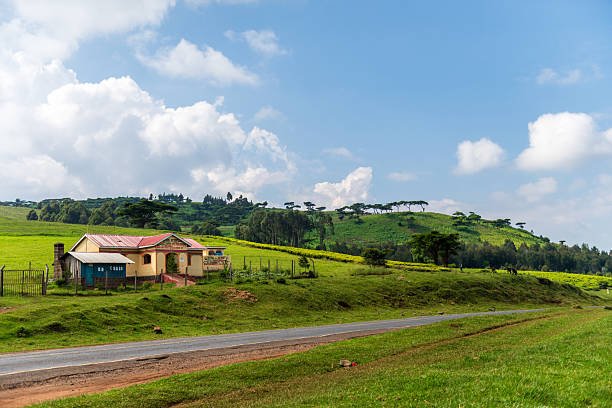
Africa, often generalized, is in fact largely fertile with immense agricultural potential, though its fertility varies significantly across its vast and diverse landscapes. The continent possesses a substantial portion of the world's remaining arable land, capable of feeding its growing population and contributing significantly to global food security, provided challenges related to soil health, climate variability, and infrastructure are effectively addressed. Understanding the true picture of African agriculture requires looking beyond broad stereotypes to appreciate the continent's diverse ecosystems and ongoing efforts to enhance food production.
Understanding Soil Fertility in Africa
Before diving into specific regions, it is crucial to define what constitutes soil fertility. A fertile soil is rich in essential nutrients, possesses good structure for aeration and water retention, and supports a healthy microbial ecosystem. Factors like climate, geology, topography, and human activities all play a role in shaping a region's agricultural viability. Africa, being the world's second-largest continent, encompasses an extraordinary range of these factors, from equatorial rainforests to vast deserts, and from volcanic highlands to ancient floodplains.
The Diverse Elements Contributing to Fertility
- Nutrient Availability: Adequate levels of nitrogen, phosphorus, potassium, and micronutrients.
- Soil Structure: Proper aggregation of soil particles, allowing for root penetration and water infiltration.
- Organic Matter Content: Crucial for nutrient cycling, water holding capacity, and soil aggregation.
- Water Availability: Consistent rainfall or access to irrigation is fundamental.
- pH Levels: The acidity or alkalinity of the soil, which affects nutrient uptake by plants.
- Microbial Activity: A thriving community of microorganisms that aids in nutrient decomposition and soil health.
Africa's Vast Agricultural Potential
Despite persistent narratives of food scarcity, Africa holds significant untapped agricultural potential. Estimates suggest that Africa contains over 60% of the world's uncultivated arable land, a staggering resource that could transform global food systems if properly managed. This potential is not uniform but is spread across various climatic zones and ecological niches.
Abundant Land Resources
Beyond existing cultivated areas, massive tracts of land across countries like the Democratic Republic of Congo, Angola, Sudan, and Tanzania hold promise for expanded cultivation. This land, when managed sustainably, represents a key asset for future food production in Africa. The challenge lies in bringing these lands into productive use without compromising biodiversity or exacerbating environmental degradation.
Diverse Climatic Zones and Crop Suitability
Africa's sheer size gives it a multitude of climates, each supporting different types of crops and agricultural practices:
- Tropical Rainforest Zones: Regions in Central and West Africa, characterized by high rainfall, support crops like cocoa, coffee, palm oil, and various root crops (cassava, yams).
- Savanna Zones: Covering vast expanses, these areas are suitable for cereals (maize, sorghum, millet), legumes, and livestock grazing.
- Highland Zones: East African highlands (e.g., Ethiopia, Kenya, Uganda) benefit from volcanic soils and cooler temperatures, ideal for high-value crops like tea, coffee, and horticulture.
- Mediterranean Zones: North Africa and the southern tip of the continent can cultivate olives, grapes, wheat, and citrus fruits.
- Arid and Semi-Arid Zones: While challenging, these areas can support drought-resistant crops, livestock, and innovative dryland farming techniques.
Significant Water Resources
Africa is home to some of the world's largest rivers (Nile, Congo, Niger, Zambezi) and substantial freshwater lakes (Victoria, Tanganyika, Malawi). While rainfall distribution is uneven, these major river basins and underground aquifers represent critical resources for irrigation, which remains largely underutilized in many parts of the continent. Enhanced water management strategies are key to unlocking the full potential of these water bodies for African agriculture.
Key Regions and Their Specific Fertility
The notion of Africa's fertility is best understood by examining its diverse regions:
The Fertile Crescents of the Nile and East Africa
Historically, the Nile Basin has been synonymous with agricultural abundance, thanks to its annual floods and rich alluvial deposits. Modern irrigation systems continue to make Egypt and Sudan significant agricultural producers. In East Africa, countries like Ethiopia, Kenya, and Uganda boast highly fertile volcanic soils, particularly in their highlands. These areas receive good rainfall and are prime for diverse crops, contributing significantly to national and regional food baskets.
West Africa's Varied Landscape
From the Sahelian belt to the coastal regions, West Africa presents a spectrum of fertility. The coastal plains and regions with consistent rainfall are fertile, supporting staple crops like rice, maize, cassava, and cash crops like cocoa and palm oil. However, the Sahel faces severe challenges from desertification and variable rainfall, making soil degradation in Africa a critical issue in these areas. Innovative techniques for dryland farming and water harvesting are being implemented to combat these issues.
Central Africa's Abundant, Yet Challenged, Resources
The Congo Basin, with its equatorial climate and immense rainfall, holds vast potential for agriculture and forestry. However, dense rainforests, often acidic soils, and limited infrastructure pose significant hurdles to large-scale cultivation. Efforts focus on sustainable agroforestry and smallholder farming to harness this potential responsibly.
Southern Africa's Breadbaskets and Arid Zones
Parts of Southern Africa, particularly regions in South Africa, Zimbabwe, and Zambia, are considered the continent's breadbaskets, with significant production of maize, wheat, and other cereals. These areas benefit from favorable climates and developed agricultural practices. However, other parts, like Namibia and Botswana, are arid or semi-arid, requiring specialized farming techniques and significant investment in irrigation to be productive.
Challenges to Realizing Full Agricultural Potential
Despite its inherent fertility, African agriculture faces a myriad of interconnected challenges that often hinder its ability to achieve full potential and ensure food security in Africa.
| Challenge Category | Specific Issues |
|---|---|
| Environmental |
Climate Change Impacts: Increased frequency and intensity of droughts, floods, and unpredictable weather patterns leading to crop failures. Soil Degradation: Erosion, nutrient depletion, acidification, and salinization due to unsustainable farming practices and lack of inputs. Pests and Diseases: Outbreaks of crop diseases (e.g., cassava mosaic disease) and pest infestations (e.g., locusts, fall armyworm) causing significant yield losses. |
| Economic |
Limited Access to Markets: Poor infrastructure (roads, storage) and value chains prevent farmers from selling produce efficiently. Lack of Investment: Insufficient public and private investment in agricultural research, irrigation, and modern farming technologies. Financing Constraints: Smallholder farmers struggle to access credit and insurance to invest in their farms. |
| Social/Policy |
Land Tenure Insecurity: Ambiguous land ownership and tenure systems discourage long-term investment in land improvement. Inadequate Extension Services: Limited access to agricultural knowledge, training, and best practices for farmers. Policy Gaps: Inconsistent or poorly implemented agricultural policies that do not adequately support farmers or promote sustainable practices. |
| Technological |
Low Adoption of Technology: Limited use of improved seeds, appropriate fertilizers, and modern irrigation techniques. Mechanization Deficit: Over-reliance on manual labor, leading to lower productivity compared to other regions. |
Innovations and Solutions for Enhanced Fertility and Productivity
To overcome these challenges and unlock Africa's full agricultural potential, numerous innovations and strategic interventions are being implemented across the continent. These efforts focus on enhancing soil health in Africa, improving productivity, and building resilience.
Promoting Sustainable Agriculture Practices
- Conservation Agriculture: Practices like minimum tillage, permanent soil cover, and crop rotation are gaining traction to reduce erosion, improve soil structure, and increase organic matter.
- Agroecology: Integrating ecological principles into farming systems to enhance biodiversity, soil fertility, and natural pest control.
- Organic Fertilizers and Composting: Reducing reliance on synthetic inputs by promoting organic nutrient sources, improving soil structure and microbial life.
Advancements in Crop Science and Inputs
- Drought-Resistant and Disease-Resistant Crop Varieties: Development and dissemination of improved seeds adapted to local conditions and resilient to climate shocks.
- Integrated Pest Management (IPM): Combining biological, cultural, physical, and chemical tools to manage pests in an environmentally sound manner.
- Precision Fertilization: Using soil testing and data analytics to apply fertilizers efficiently, reducing waste and environmental impact.
Modernizing Water Management and Irrigation
- Drip Irrigation: Efficiently delivering water directly to plant roots, minimizing water loss, especially in arid and semi-arid regions.
- Water Harvesting Techniques: Collecting and storing rainwater for agricultural use, including small-scale dams and ponds.
- Solar-Powered Pumps: Providing sustainable and affordable energy for irrigation, reducing reliance on fossil fuels.
Leveraging Digital Agriculture and Technology
- Mobile Advisory Services: Delivering weather forecasts, market prices, and farming tips directly to farmers via mobile phones.
- Satellite Imagery and GIS: Monitoring crop health, soil conditions, and land use changes to inform decision-making.
- Blockchain for Value Chains: Enhancing transparency and traceability in agricultural supply chains, benefiting both farmers and consumers.
Policy Support and Investment
Governments and international partners are increasingly recognizing the importance of agriculture. Policies that promote secure land tenure, provide access to affordable credit, invest in rural infrastructure, and facilitate market access are crucial. Increased public and private investment in agricultural research and development is also vital to find localized solutions for African crops and farming systems.
The Role of Africa's Youth in Agriculture
Africa has the youngest population globally, and empowering this demographic in agriculture is key to the continent's future food systems. Engaging youth in modern, technology-driven farming can inject new energy, innovation, and entrepreneurship into the sector. Attracting young people requires making agriculture appealing through mechanization, digital tools, and opportunities for value addition and agribusiness.
Conclusion
In conclusion, the question, "Is Africa fertile?" receives a resounding and nuanced "yes." Africa possesses an undeniable and vast agricultural potential, characterized by extensive arable land, diverse climatic zones, and significant water resources. However, this potential is currently underutilized and challenged by factors such as climate change, soil degradation, inadequate infrastructure, and limited investment. The path to realizing Africa's full capacity as a global agricultural powerhouse lies in concerted efforts to implement sustainable farming practices, embrace technological innovations, strengthen policy frameworks, and empower its vibrant youth. By addressing these agricultural challenges in Africa with strategic interventions, the continent can not only achieve food security for its own growing population but also play a critical role in feeding the world.
Enjoyed this read?
Share it with your friends and colleagues.